No. 1
Heat pump repair
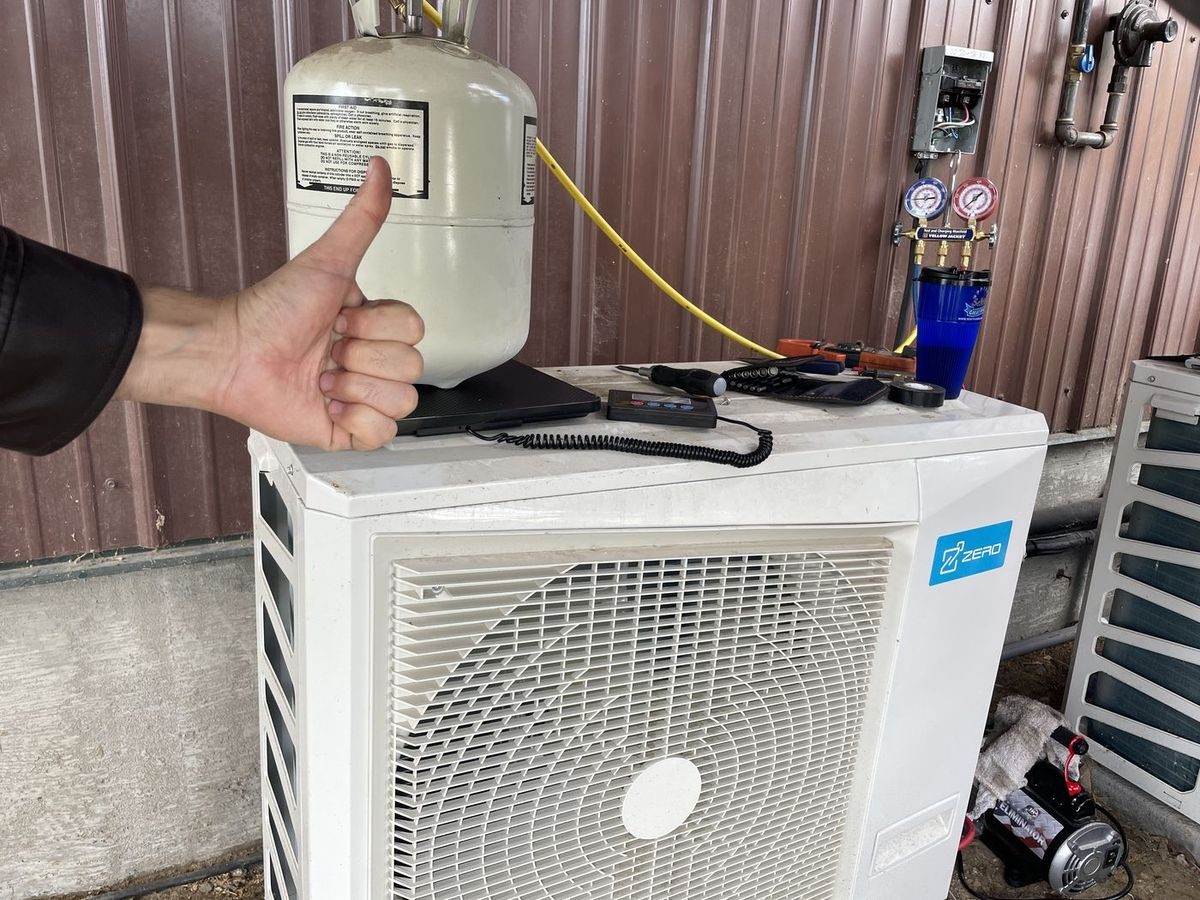
Olympia winters stay wet and just above freezing for weeks, so defrost does a lot of work. We read the coil sensor, the defrost board and the charge before anything else.
Go to the service page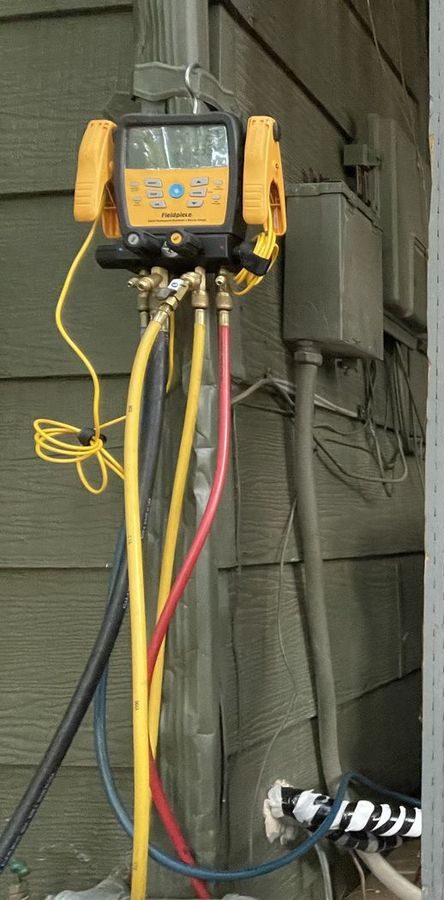
Licensing and scope
Before anyone opens your furnace cabinet or cuts into a refrigerant line, you are entitled to know what they are licensed to do. This page spells out each credential we carry, shows how to look it up yourself on a state website, and names the jobs we pass to other trades.
Quick answer
Our state numbers are LARCHHA742PL, an electrical contractor license whose two specialties are 06A for HVAC/Refrigeration work and 07D for Appliance Repair, and LARCHHA745PW, a general contractor license. On the federal side, refrigerant handling rests on the EPA 608 Universal credential that our technicians carry. Labor & Industries Verify shows both state records to anyone searching the number or company name. Panel and circuit work, gas piping and household water lines are not ours.
EPA
Carried by our technicians for refrigerant work
A pair of state licenses plus a federal refrigerant credential, each matched to its own slice of the work. Washington licenses are statewide, so the same coverage follows our vans from Hawks Prairie down to Rochester and across the county line into DuPont and Steilacoom.
Search either number on Verify, the contractor lookup run by the Washington Department of Labor & Industries. The record is public. The steps:
Anything upstream of where the equipment takes its power or gas, and anything carrying the household's water, sits outside our licenses. We would rather say that up front than discover it halfway through a job, so the written quote flags any piece another trade has to handle.
Our technicians do test the power that reaches a furnace, heat pump, dryer or range, right at the unit, and flipping a tripped breaker back on is something you may do yourself. Older homes make this matter. A 1940s one-story place in Beachcrest or an older house in South Capitol may need electrical service work before a new heat pump can go in; that part belongs to an electrician, and our quote says so plainly. Not ours:
Each tab carries a photo from our service work and the first checks we make on that job. Choose a tab, or let them change by themselves.
No. 1
Olympia winters stay wet and just above freezing for weeks, so defrost does a lot of work. We read the coil sensor, the defrost board and the charge before anything else.
Go to the service page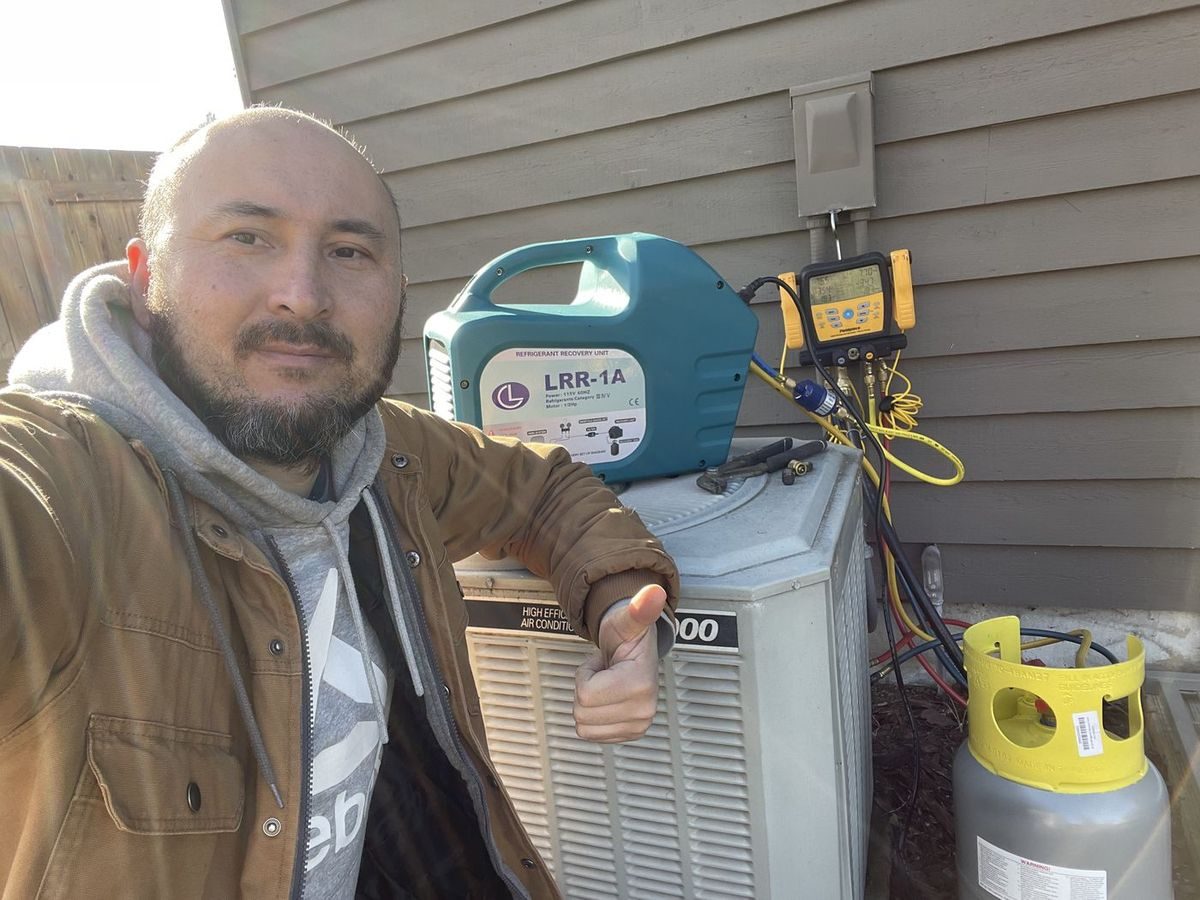
No. 2
Cooling was an afterthought in many South Sound homes until the 2021 heat dome. When a newer system lags on a hot day, airflow, the capacitor and the charge come first.
Go to the service page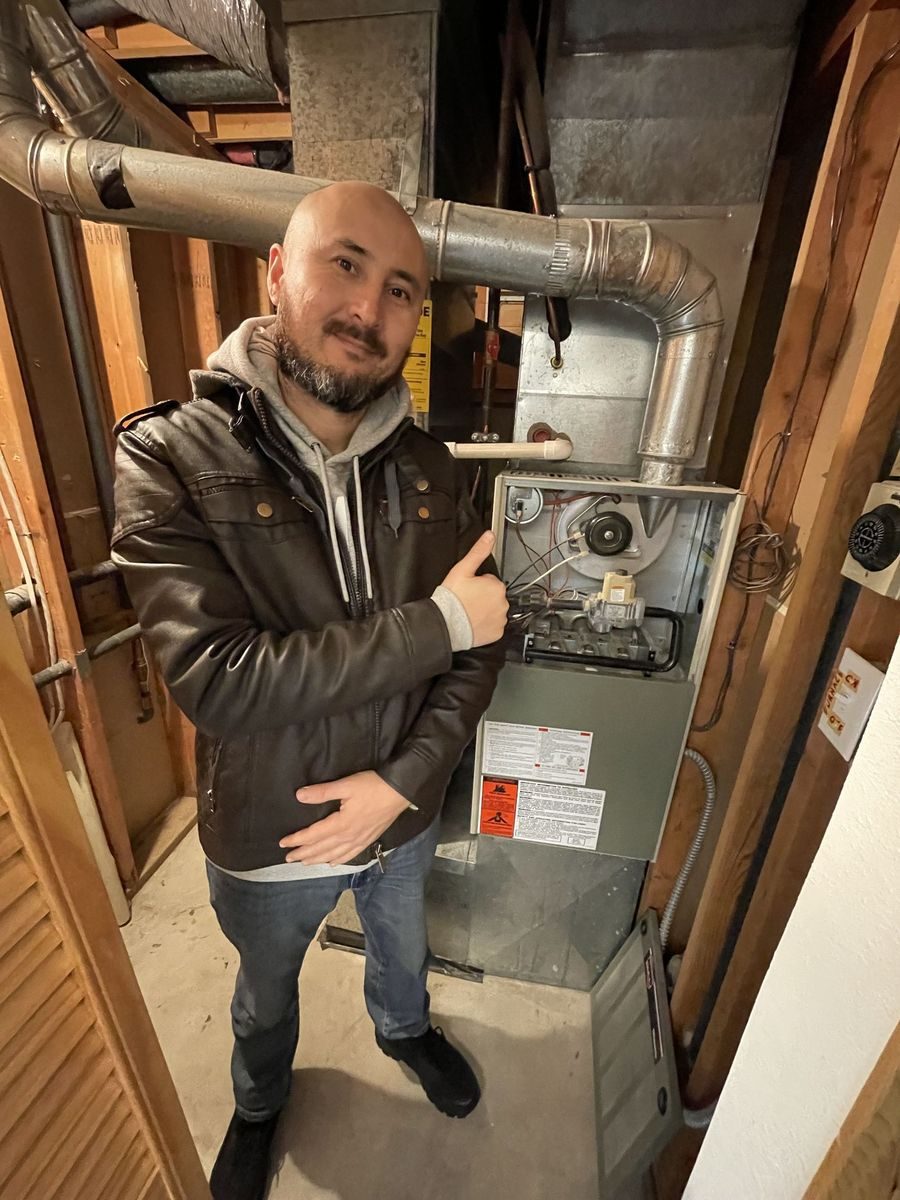
No. 3
Gas or electric, a furnace that quits on a cold morning is traced step by step: thermostat call, inducer, pressure switch, igniter, flame sensor, limit.
Go to the service page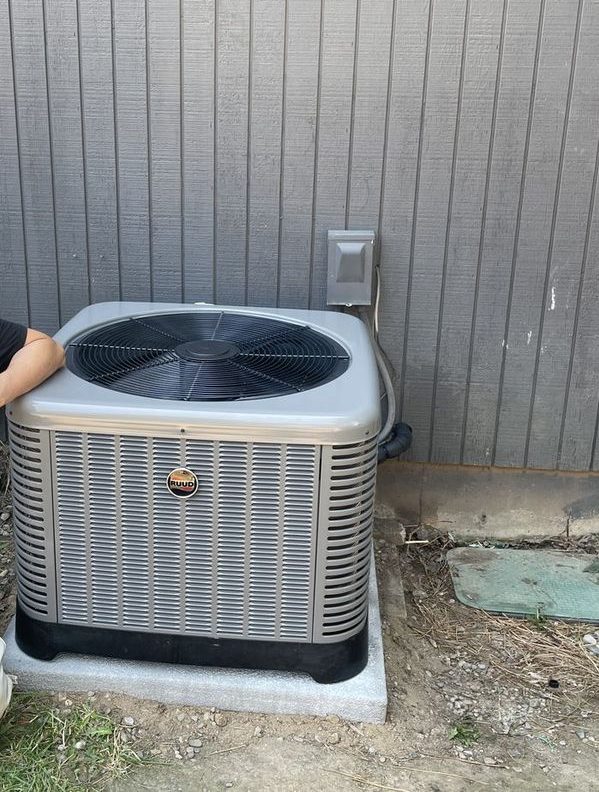
No. 4
A new system starts with a load calculation and a dry, level pad. Prairie gravel drains fast; in low clay corners we set the unit higher.
Go to the service page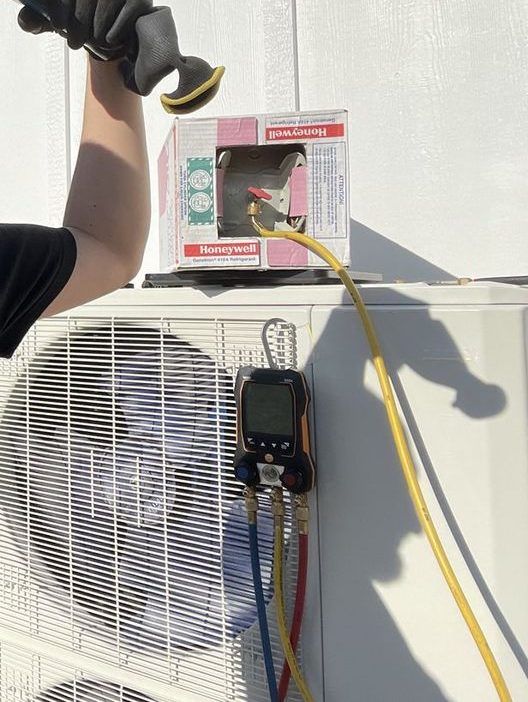
No. 5
Ductless heads suit older Olympia houses with no space for ducts. The line set runs outside, so its insulation and the condensate drain get a close look.
Go to the service page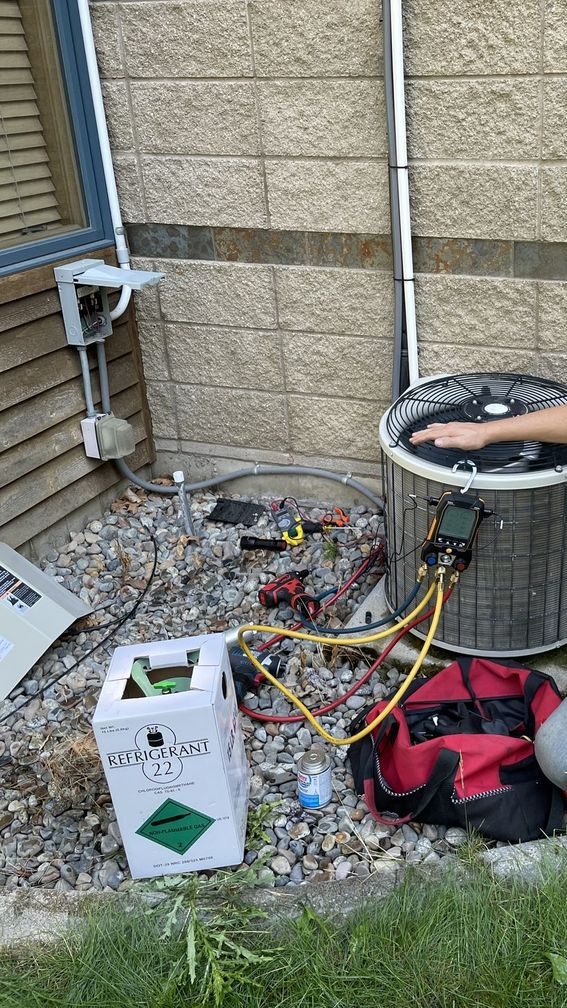
No. 6
Spring and fall visits clear needles and moss from the coil, open the drain holes in the base and test the defrost cycle before the long gray season.
Go to the service page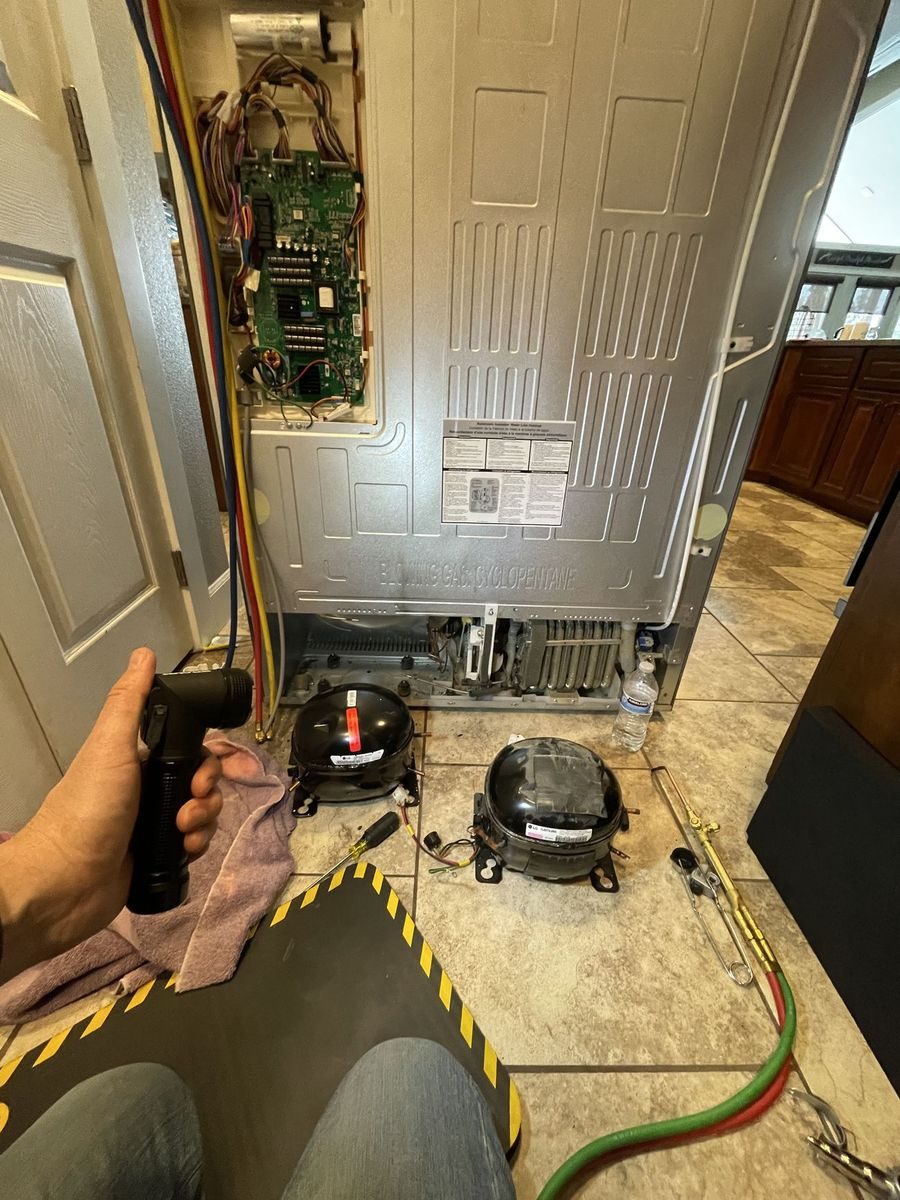
No. 7
Warm shelves usually come from frost on the coil, a fan that has stopped or a failed defrost part. Sealed-system repairs happen at home, by technicians holding EPA 608 Universal credentials.
Go to the service page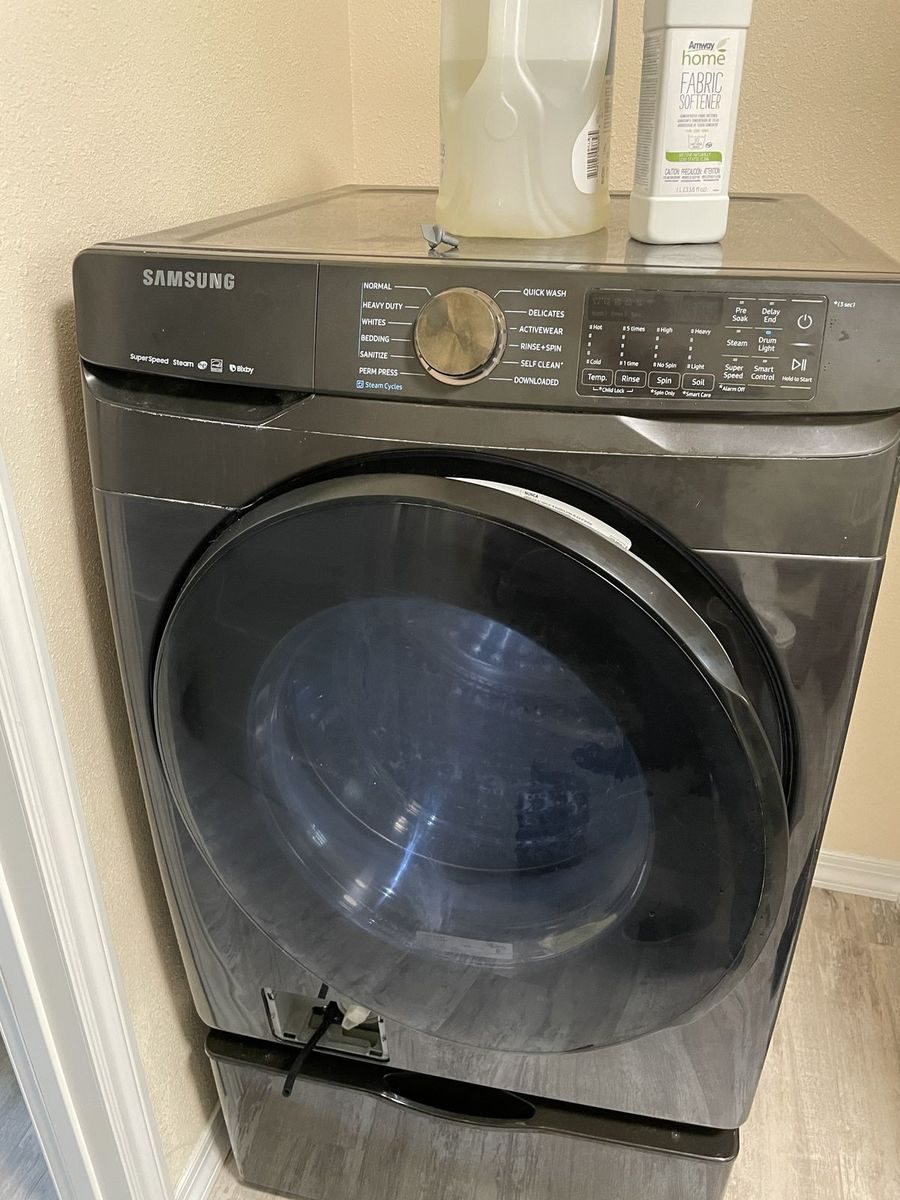
No. 8
Rural wells around Yelm and Rochester carry sediment that clogs inlet screens. A slow fill or a musty front-loader boot is where most washer visits start.
Go to the service page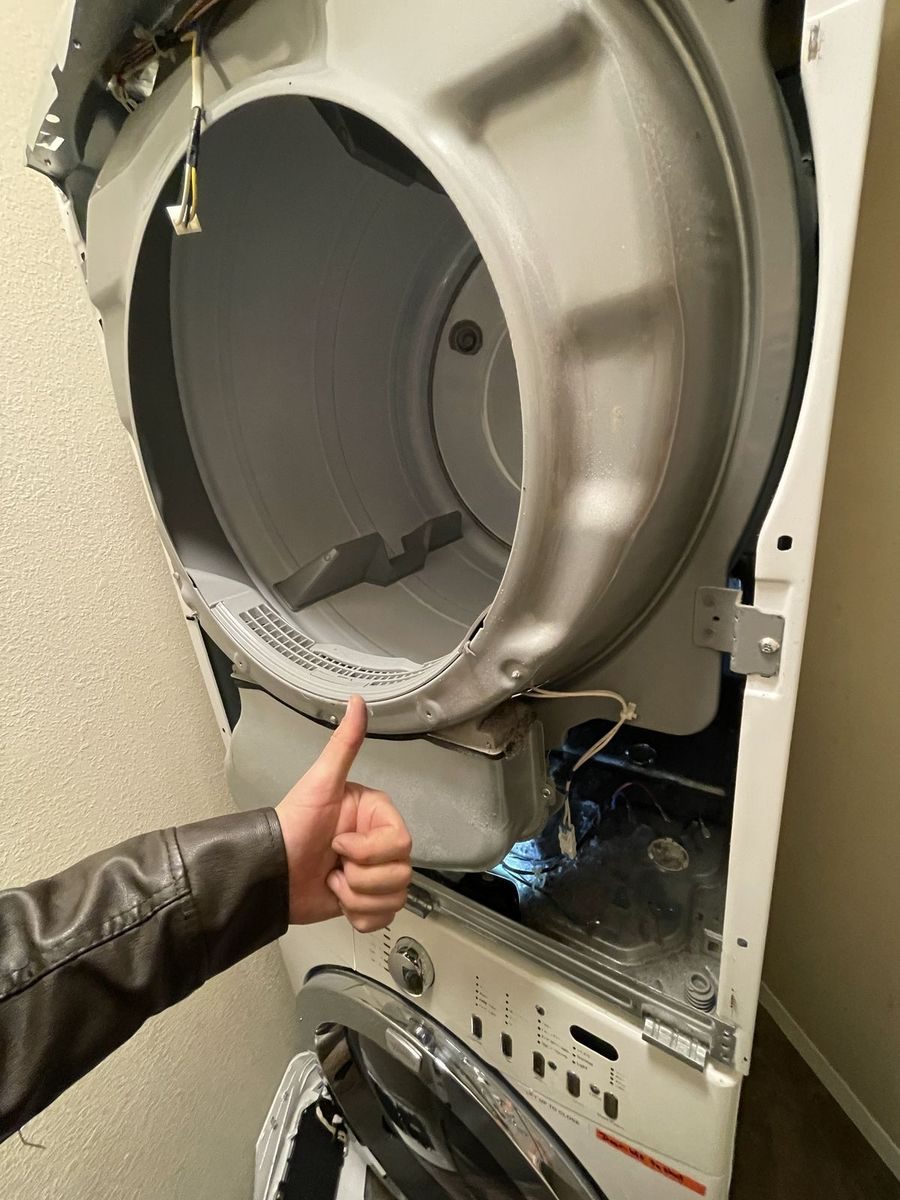
No. 9
Damp air and long vent runs make lint pile up fast in South Sound laundry rooms. The vent is tested together with the element or burner and the thermal fuse.
Go to the service page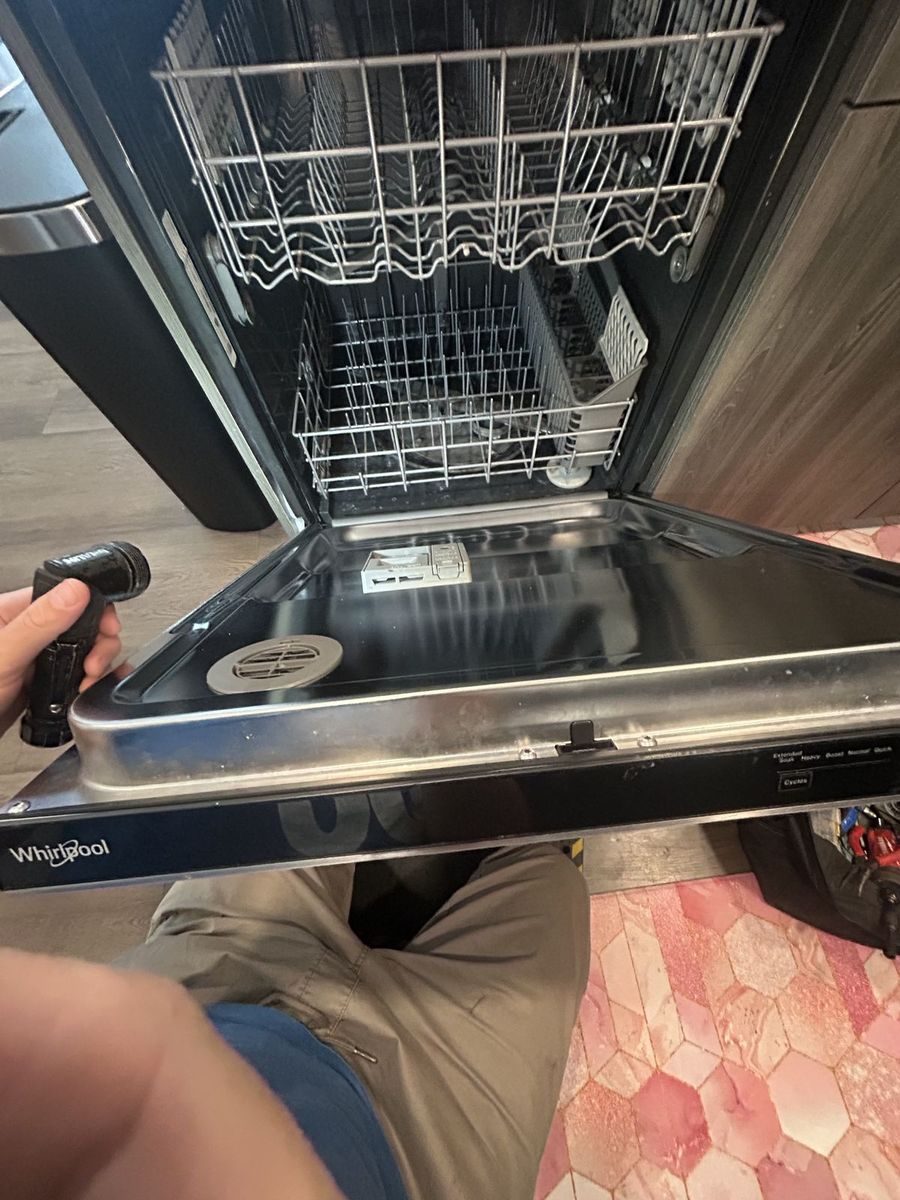
No. 10
Cloudy glasses and a tub that will not drain point to the filter, the drain pump or a hose without its loop under the counter. Each gets checked in order.
Go to the service page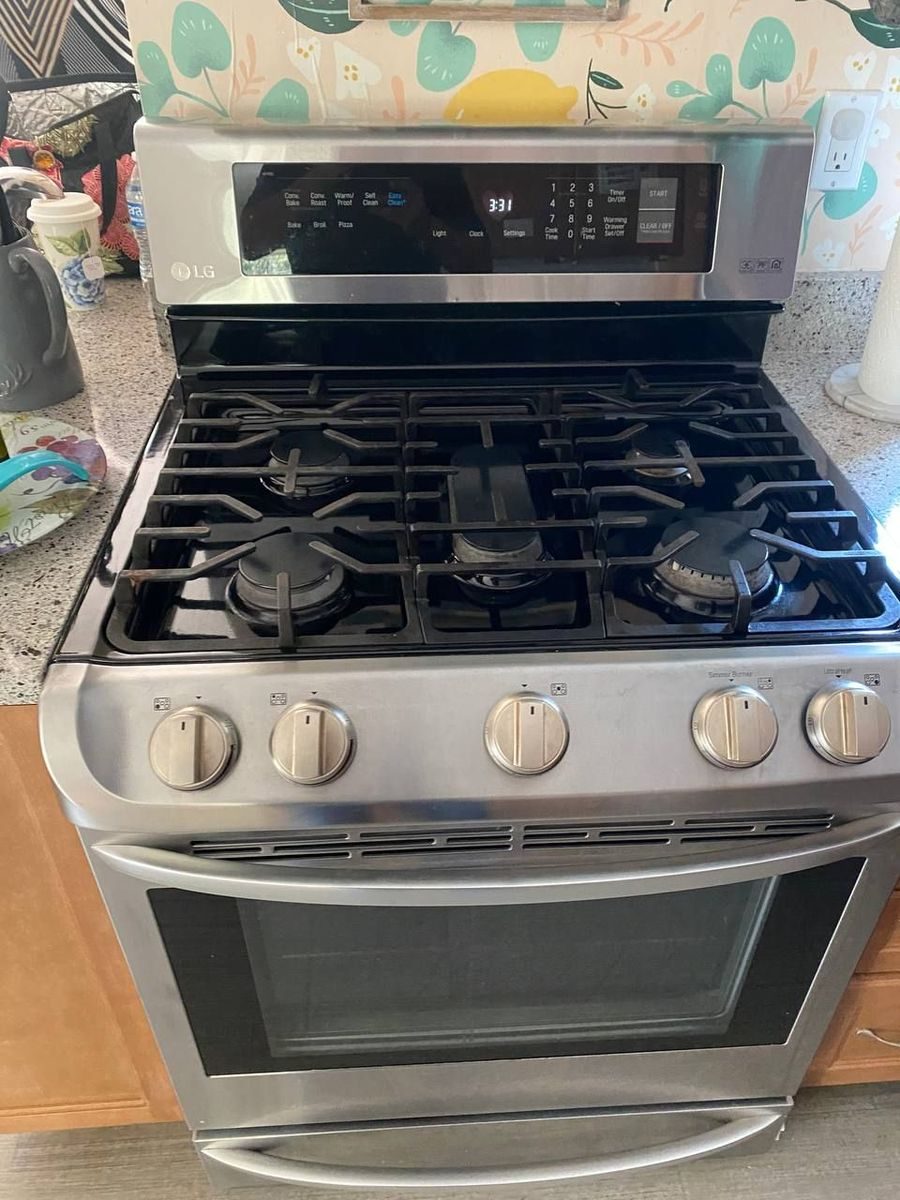
No. 11
Bake and broil elements, igniters and the oven sensor are metered before any part is ordered, on gas, electric and induction models alike.
Go to the service page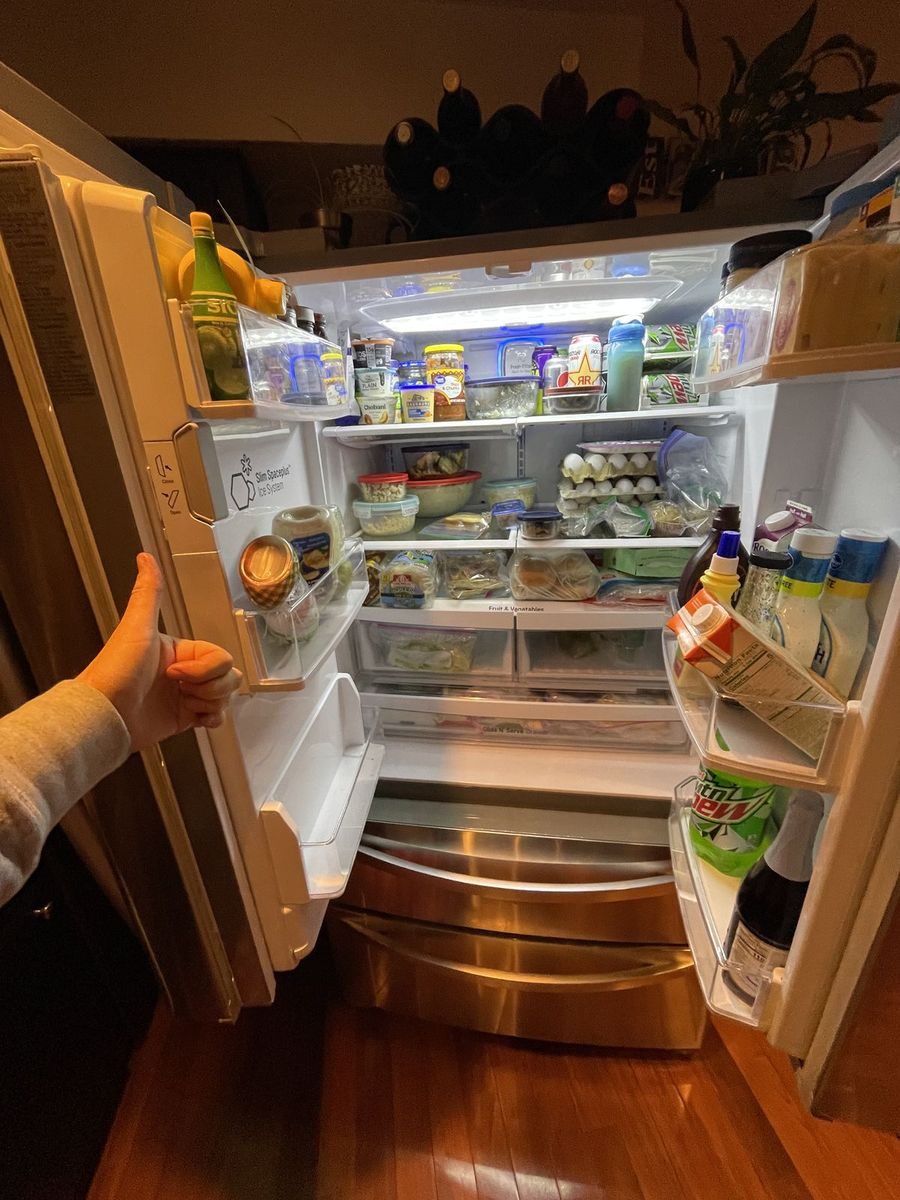
No. 12
When the ice stops after a power outage, the fill tube has often frozen. We check the water valve, the filter and the tube before blaming the ice maker.
Go to the service pageBecause federal rules require it of anyone who opens a refrigerant circuit, and refrigerant has to be recovered, never released into the air. Universal is the broadest level: it covers small appliances such as refrigerators and freezers, high-pressure systems such as heat pumps and central air, and low-pressure systems, after a core exam and three equipment-type exams.
In practice it shapes how a leak gets handled. Our technician hunts the leak down, electronically or with soap bubbles, recovers what charge remains into a cylinder, repairs the leak, pressure-tests with nitrogen, pulls a deep vacuum measured in microns, then charges by weight and confirms with superheat and subcooling. Many homes here were built without central air and added a heat pump or AC after the June 2021 heat dome, when Olympia hit 105°F on June 27 and 110°F the next day. Every one of those systems holds refrigerant, and so do the heat pumps working through our long 35–45°F winters, where a correct charge keeps defrost cycles short. To get that work on the calendar, use the website's scheduler or call the office.
Because Washington treats the wiring inside HVAC equipment and appliances as electrical work, it requires an electrical contractor license carrying the right specialties. Ours, LARCHHA742PL, lists 06A for heating, cooling and refrigeration equipment and 07D for appliances. A second license, LARCHHA745PW, registers us as a general contractor for the building portion of an install. Both records are public on L&I Verify.
No. Circuit and receptacle work belongs to a licensed electrician, and our licenses do not include it. When a new heat pump or air handler needs a different power supply, the written quote says so, and we schedule our part of the installation once the electrician is finished. Our technicians do measure the power arriving at the equipment, and you can always reset a tripped breaker yourself.
Ask whether they hold an EPA Section 608 credential, and at which level. Universal spans every category: small appliances like a kitchen fridge, high-pressure equipment like heat pumps and central air, and low-pressure systems. Because the credential is federal, it does not show on L&I Verify. Our technicians hold the Universal level, so any refrigerant work we quote is done by someone allowed to do it.
Ready when you are
Search LARCHHA742PL and LARCHHA745PW on the state's Verify lookup, then use the website's scheduler to choose your day and window, or call; someone picks up from 8 AM until 7 PM.
Online booking
Tell us what is acting up and when suits you. A coordinator phones to confirm the slot, and your technician calls again when heading your way.
These registrations are open to anyone. Look the numbers up on L&I Verify, and see our licenses page for what each one covers.
Read what each license allows