No. 1
Heat pump repair
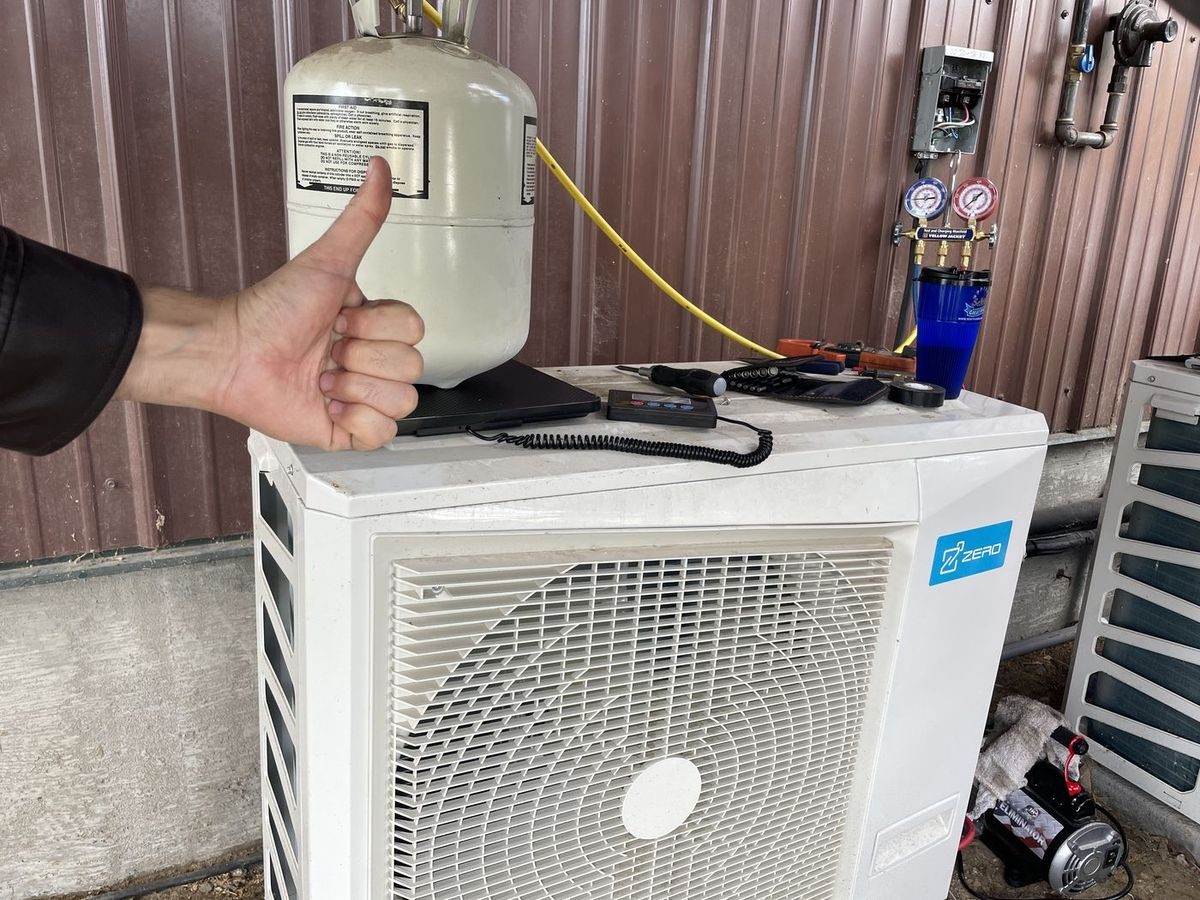
Olympia winters stay wet and just above freezing for weeks, so defrost does a lot of work. We read the coil sensor, the defrost board and the charge before anything else.
Go to the service page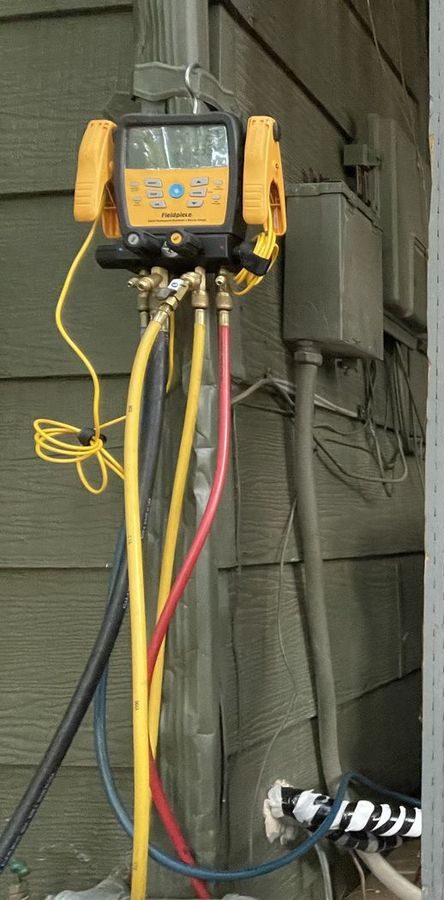
Heat pump repair across Thurston County and the South Sound
A South Sound heat pump rarely gets a break between October and April. Fog and steady drizzle in the upper 30s keep it frosting and defrosting all day. Our technicians find out whether that rhythm is healthy or whether a board, sensor, valve or charge problem is quietly costing you heat.
Quick answer
When a heat pump here blows cool air, ices up or keeps the AUX light on, it nearly always traces to one of five culprits: a defrost board or coil sensor that misjudges frost, a reversing valve that sticks, a weak capacitor or pitted contactor, a coil matted with moss and needles, or lost refrigerant. We test each, write down the price, and begin only after your yes.
Nearly every day from October into April, often for hours at a stretch. The gray spells between storms sit in the mid-30s to mid-40s with the air near saturation. That is efficient weather for pulling heat indoors, yet it frosts the outdoor coil in short order, so the unit drops into defrost far more often than owners expect. November, the wettest month here, keeps the coil soaked before it ever turns cold.
All that running wears specific parts. The defrost board decides when to melt frost, and its coil sensor reports when the job is done; if either drifts, the coil ices solid or defrosts so often that rooms never warm. The reversing valve shifts with every defrost, piling strokes on its solenoid. Meanwhile the backup strips, meant for defrost and the coldest nights, quietly take over when the compressor falls short, and the power bill shows it first.
Our Washington electrical contractor license includes the 06A HVAC/Refrigeration specialty, and opening a sealed refrigerant circuit takes the EPA 608 Universal credential, which every one of our technicians holds. We repair ducted and ductless heat pumps from Mitsubishi, Daikin, Fujitsu, Trane, Carrier, Lennox, Goodman and other makers. If cool air lasts longer than a defrost should, reserve a visit online or call us.
The thermostat comes first, then the work moves outward. Indoors that means the mode, the O/B setting, auxiliary heat staging and lockout temperature, the filter, and the temperature rise between return and supply. Outside, the technician tests power at the unit, reads the capacitor in microfarads, looks over the contactor faces and fan blade, checks the base pan, and shorts the defrost board's test pins to watch one full cycle: valve shift, fan stop, coil clearing, return to heat. Gauges go on only when the readings point toward charge.
Before a part comes off, you see a written price and decide. There is a separate fee for the diagnostic trip, and the office states it before anyone drives out. Approving the repair rolls the fee into its total; declining leaves that fee as the whole bill. Capacitors, contactors, fan motors and many valves are stocked on the truck, while a model-specific defrost board or reversing valve is priced before we order it. The warranty terms come written on your invoice.
They load the outdoor coil from every side. In the long 35-to-45-degree spells, damp air frosts a coil fast, and a coil half blocked by moss, algae or fir needles frosts faster still. Homes under tall firs, like those in Timberlake on the northwest corner of Long Lake, shed needles into the top grille and base pan all winter. Once the pan's drain holes clog, meltwater from each defrost refreezes in place, and ice climbs until the fan blade strikes it. Brushing the fins softly each fall, after switching the system off at both the thermostat and its breaker, heads off most of this.
Arctic outbreaks are the other test. Every few winters, as in January 2024, cold air pushes nights well below 20°F across western Washington, and a standard heat pump loses much of its output, so the backup strips should carry more of the load. Not normal: a heat pump that quits outright, a valve that will not shift back after defrost, or strips that never come on because a sequencer or limit failed. Retrofitted heat pumps in older Olympia houses around South Capitol and on the Westside deserve attention ahead of the next cold snap, not in the middle of it.
Each tab carries a photo from our service work and the first checks we make on that job. Choose a tab, or let them change by themselves.
No. 1
Olympia winters stay wet and just above freezing for weeks, so defrost does a lot of work. We read the coil sensor, the defrost board and the charge before anything else.
Go to the service page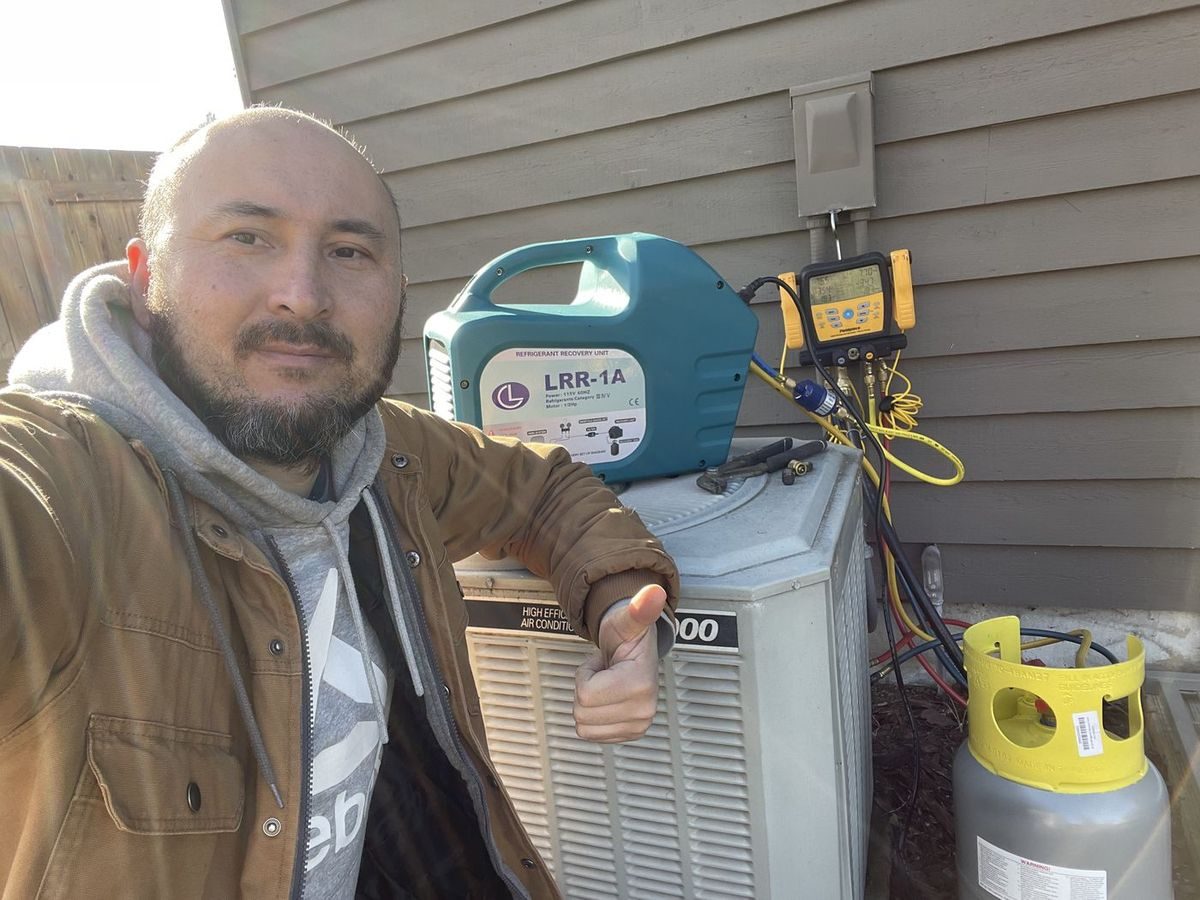
No. 2
Cooling was an afterthought in many South Sound homes until the 2021 heat dome. When a newer system lags on a hot day, airflow, the capacitor and the charge come first.
Go to the service page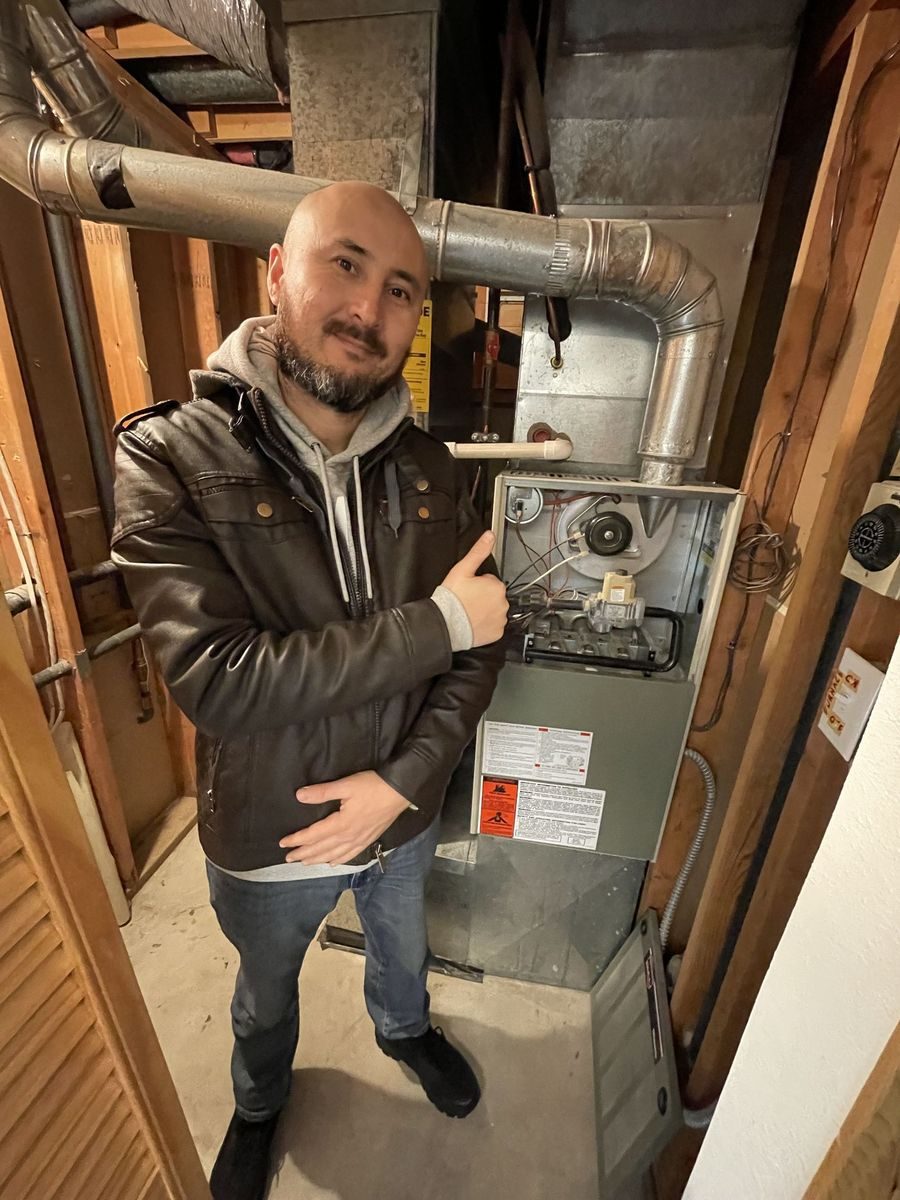
No. 3
Gas or electric, a furnace that quits on a cold morning is traced step by step: thermostat call, inducer, pressure switch, igniter, flame sensor, limit.
Go to the service page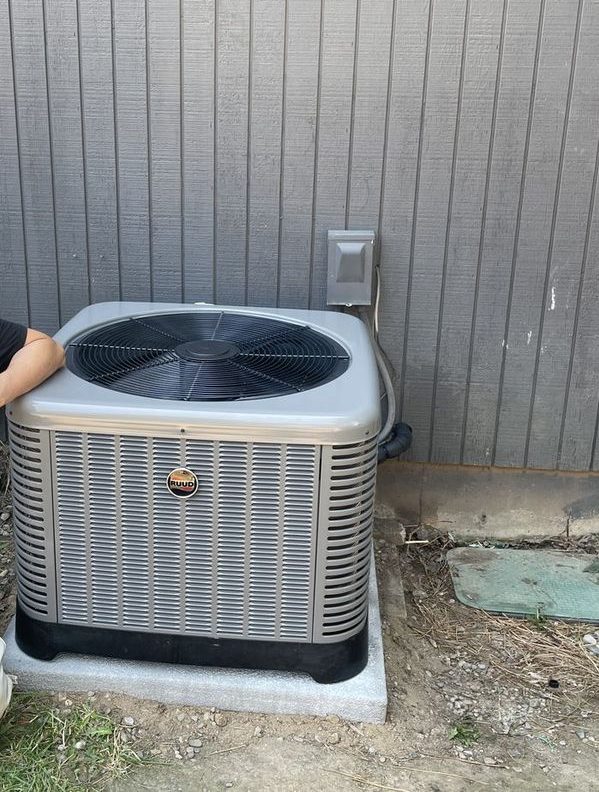
No. 4
A new system starts with a load calculation and a dry, level pad. Prairie gravel drains fast; in low clay corners we set the unit higher.
Go to the service page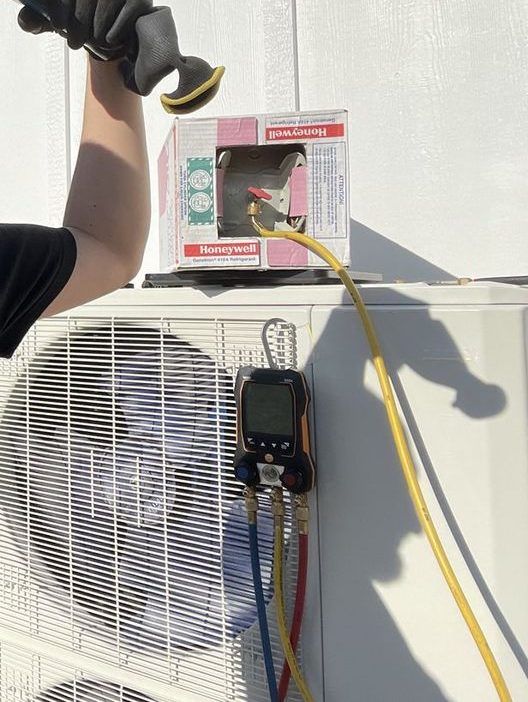
No. 5
Ductless heads suit older Olympia houses with no space for ducts. The line set runs outside, so its insulation and the condensate drain get a close look.
Go to the service page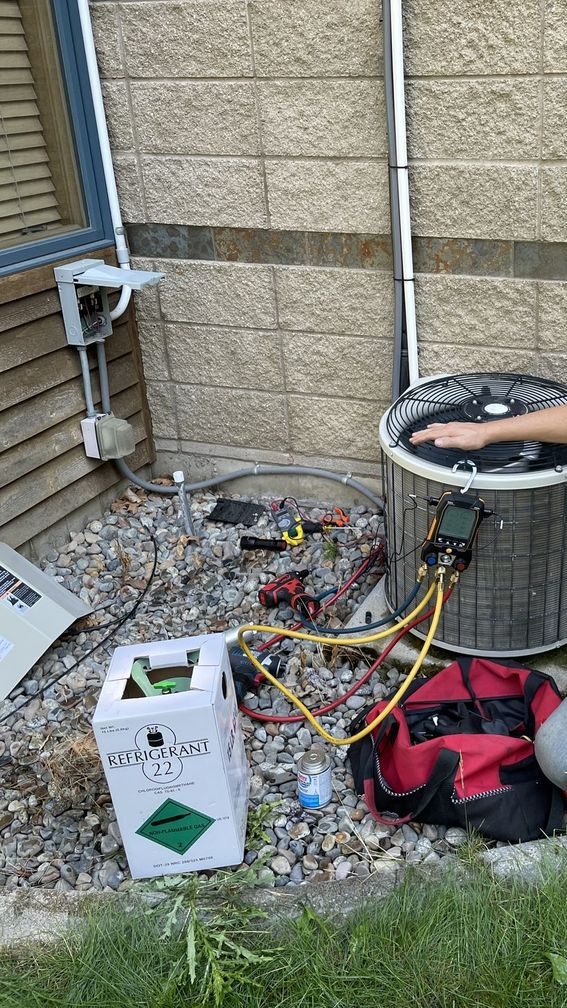
No. 6
Spring and fall visits clear needles and moss from the coil, open the drain holes in the base and test the defrost cycle before the long gray season.
Go to the service page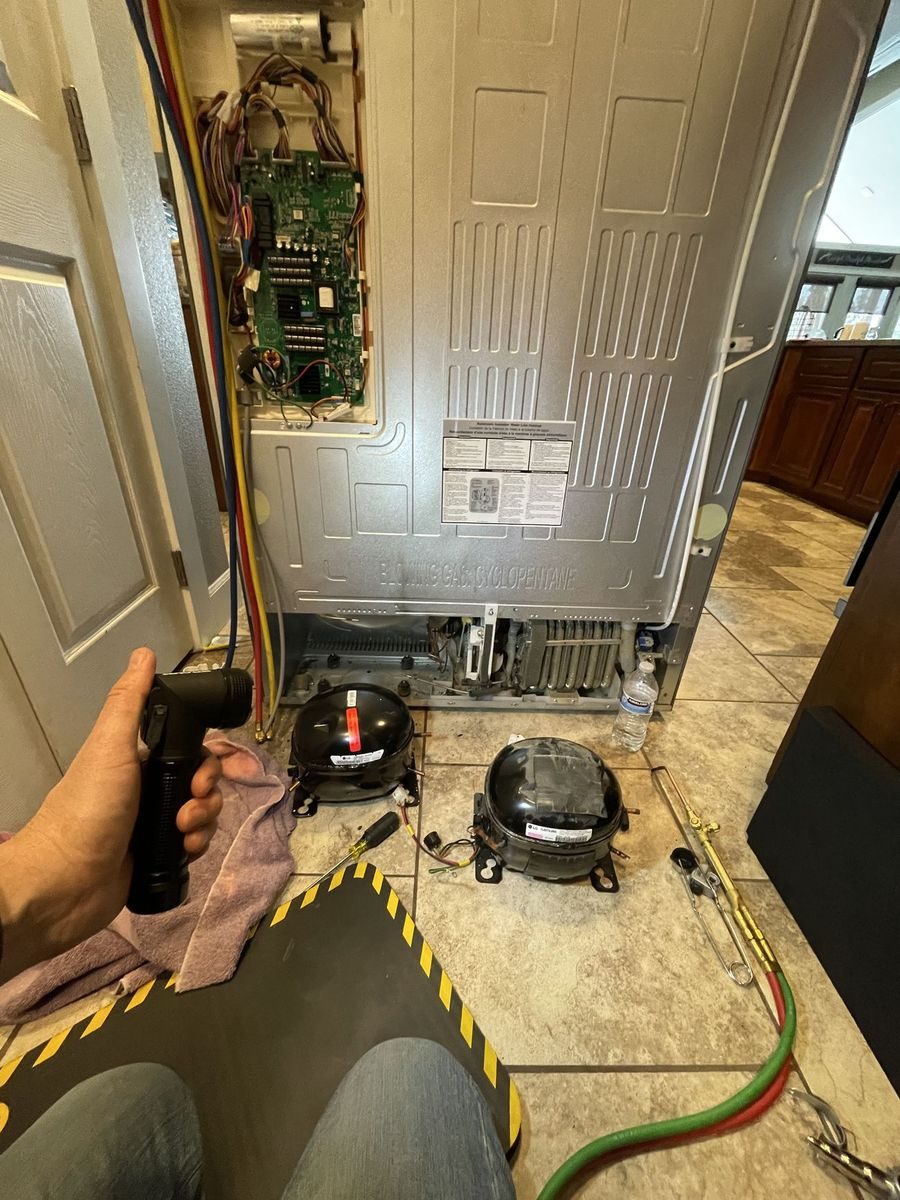
No. 7
Warm shelves usually come from frost on the coil, a fan that has stopped or a failed defrost part. Sealed-system repairs happen at home, by technicians holding EPA 608 Universal credentials.
Go to the service page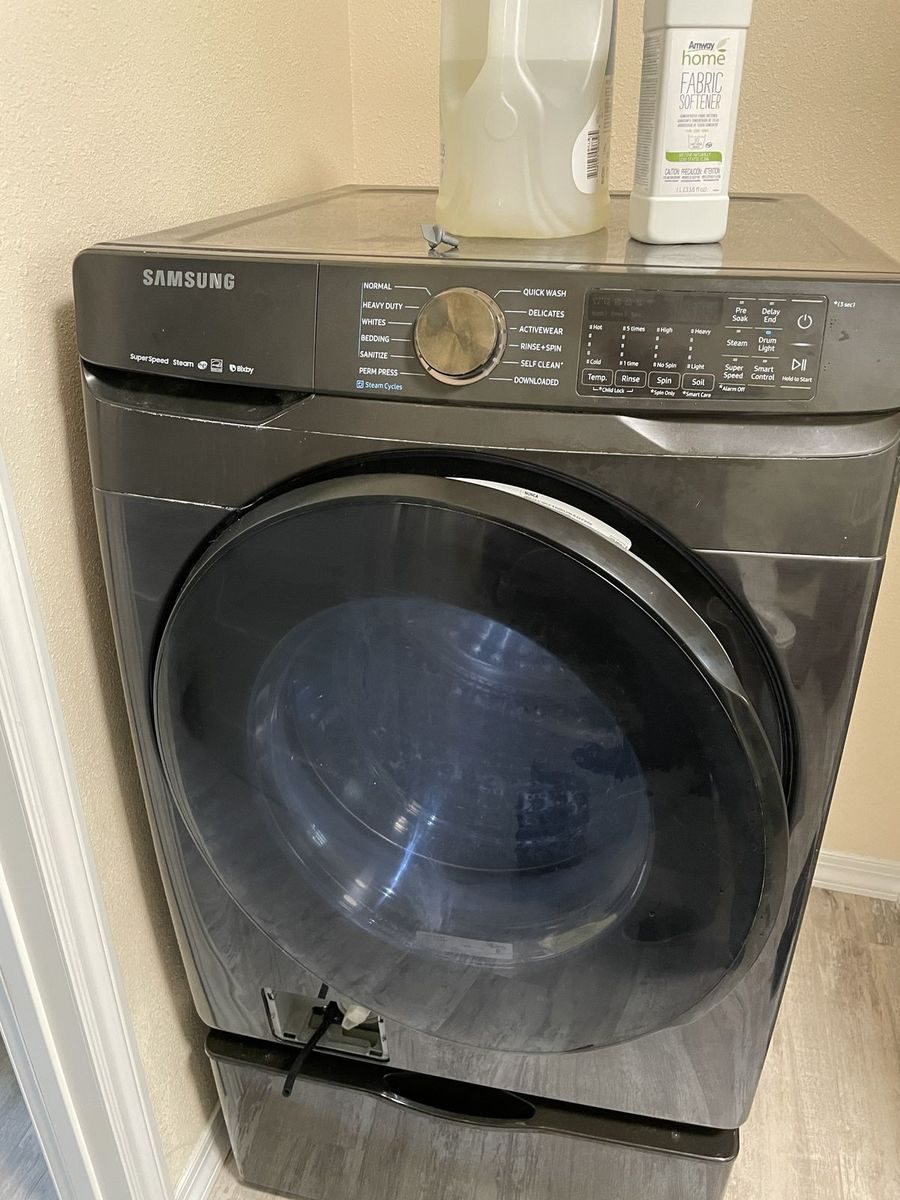
No. 8
Rural wells around Yelm and Rochester carry sediment that clogs inlet screens. A slow fill or a musty front-loader boot is where most washer visits start.
Go to the service page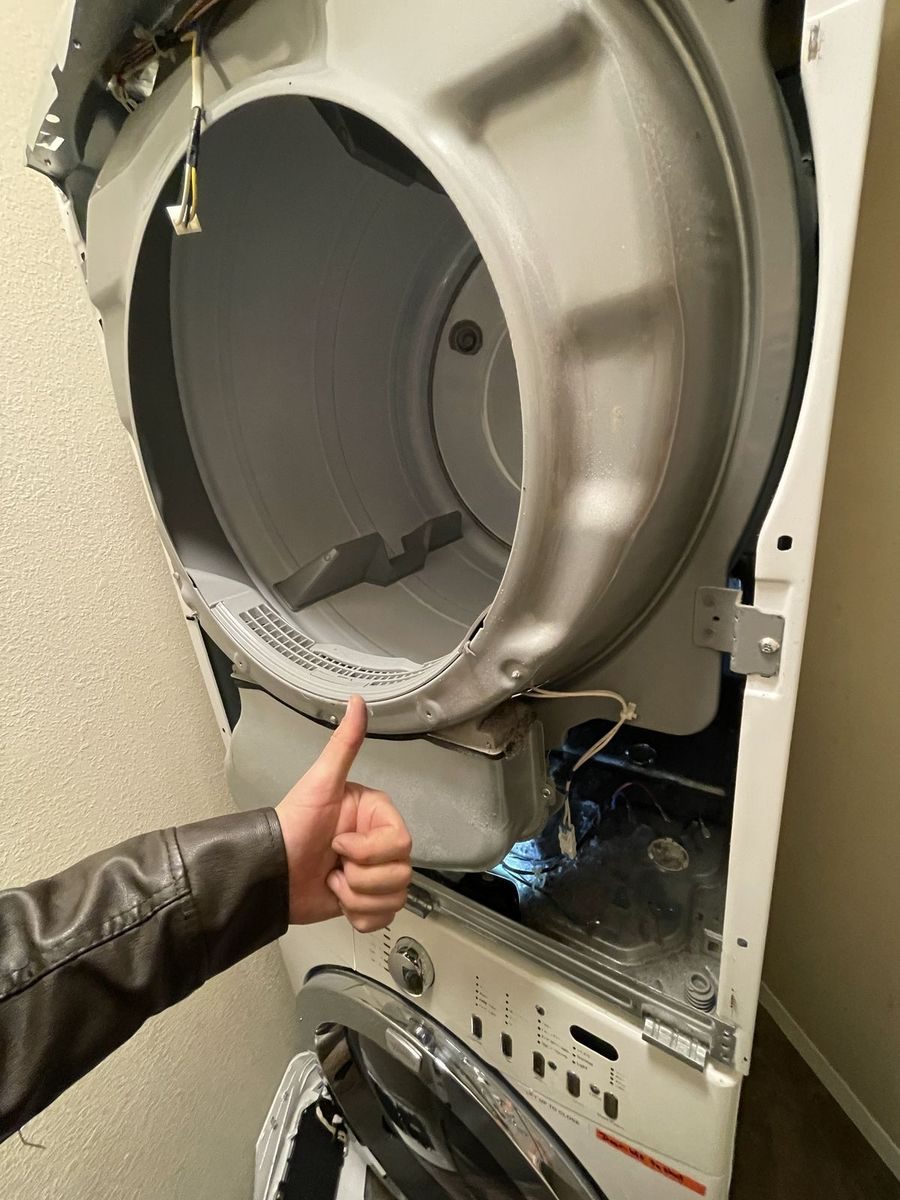
No. 9
Damp air and long vent runs make lint pile up fast in South Sound laundry rooms. The vent is tested together with the element or burner and the thermal fuse.
Go to the service page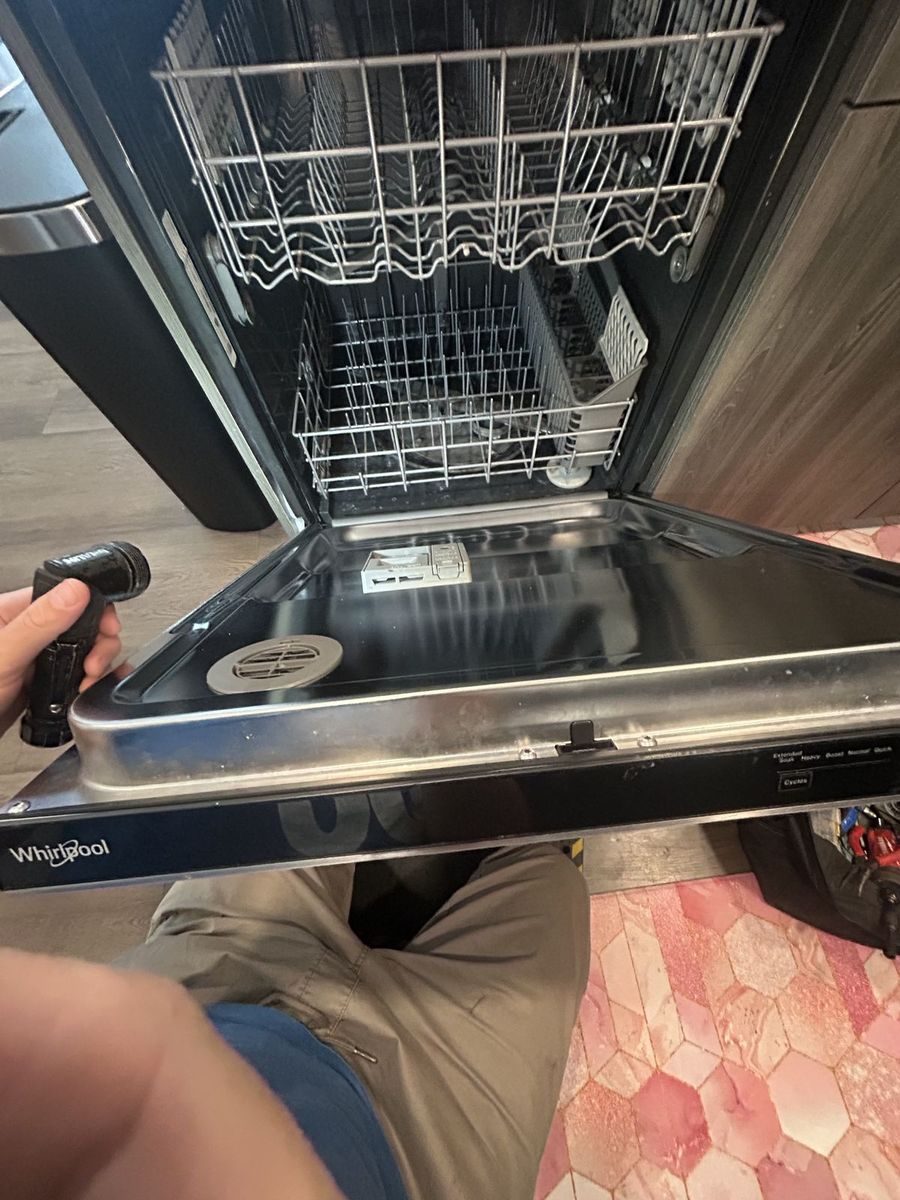
No. 10
Cloudy glasses and a tub that will not drain point to the filter, the drain pump or a hose without its loop under the counter. Each gets checked in order.
Go to the service page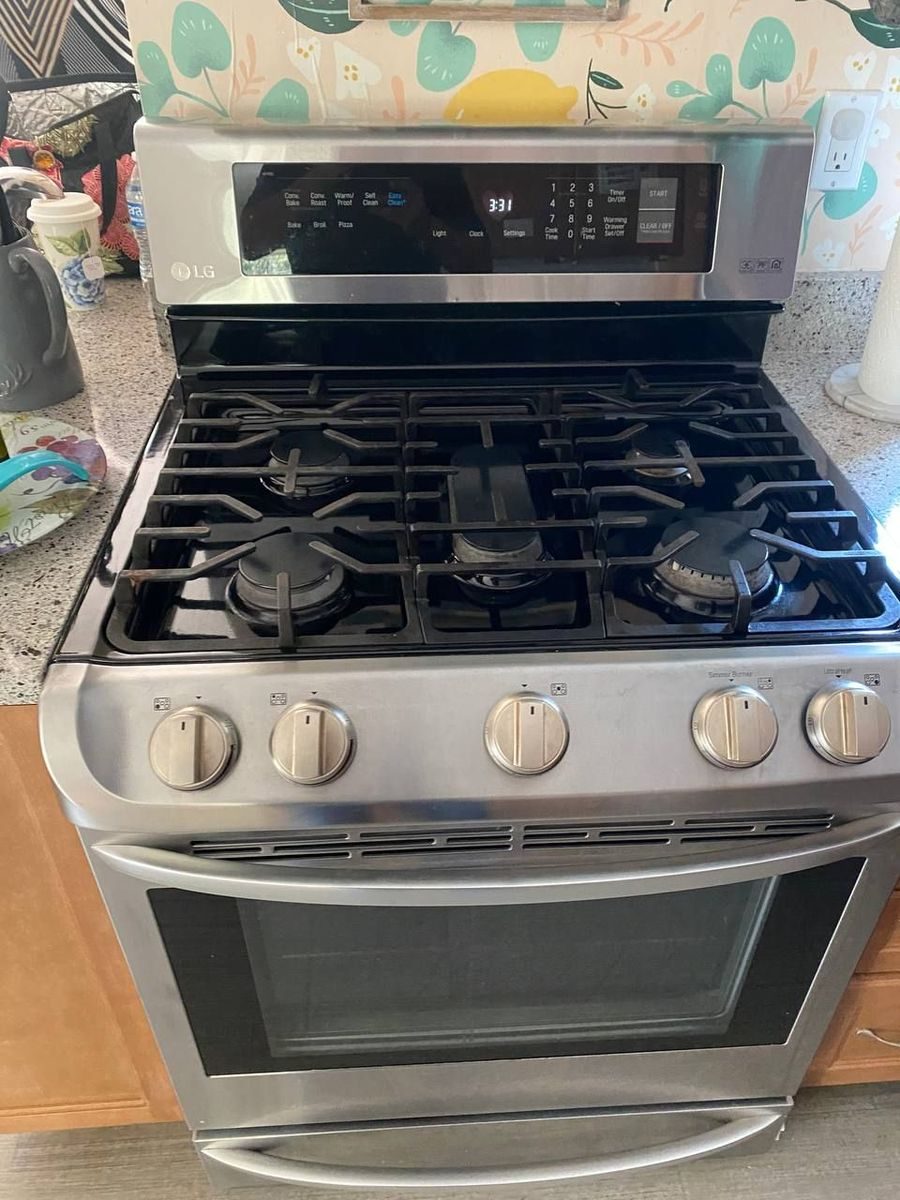
No. 11
Bake and broil elements, igniters and the oven sensor are metered before any part is ordered, on gas, electric and induction models alike.
Go to the service page
No. 12
When the ice stops after a power outage, the fill tube has often frozen. We check the water valve, the filter and the tube before blaming the ice maker.
Go to the service pageRepair wins when the fault sits in a replaceable part, a capacitor, a contactor, the defrost board or its sensor, a fan motor, even a reversing valve, while the compressor and coils stay healthy. Replacement earns serious thought once the compressor itself is gone, when a coil weeps at several joints, or when an older unit still holds R-22, which is out of production, so each recharge leans on a shrinking pool of recovered gas. Builder-grade heat pumps across Hawks Prairie subdivisions have reached repair age, and some owners there now face this choice. Then we put both paths in writing: the repair price, and a quote for a new system with one figure covering both equipment and installation. Nothing happens until you choose.
Because the air here spends much of the winter cold and close to saturation, exactly when frost forms fastest on an outdoor coil. Mid-30s drizzle can frost a coil sooner than a dry, 20-degree night. Frequent defrost is normal; a coil that stays white between cycles is not.
Briefly, yes. Backup strips switch on during defrost to keep the supply air from blowing cold, and many thermostats add them after a large setpoint increase. On a mild afternoon, though, the compressor should carry the house alone, so a light lit for hours means something is limiting the heat pump while costlier strips do the work.
Small setbacks are fine, but deep ones often backfire. A big overnight drop means a big jump in the morning, and many thermostats answer that jump by firing the backup strips. A setback of two or three degrees, or a thermostat with adaptive recovery, keeps the compressor doing the work.
Sweep loose snow from the top and sides with a broom. Leave ice on the coil alone, since chipping it bends fins and can puncture tubing. If the ice is heavy and the fan is hitting it, switch the thermostat to its backup-heat-only setting, if it has one, then schedule a visit so defrost and drainage get checked.
Yes. Ductless heat pumps from Mitsubishi, Fujitsu, Daikin and LG are common around here, especially in homes that once relied on electric baseboard. We diagnose indoor head error codes, failed outdoor boards and fan motors, clogged condensate paths that make a head drip, and leaks at flare connections, pricing each repair in writing first.
Output falls as the outdoor air gets colder, and when nights drop well below 20°F, as in January 2024, a standard heat pump may cover only part of the load while backup strips fill the gap. If the house held up through the cold but now struggles on 40-degree days, that points to a real fault such as low charge or a stuck valve.
Ready when you are
Reserve a date online and select whichever arrival window suits your schedule, or ring the office, where calls are picked up 8 AM to 7 PM daily. Someone confirms by phone, and the technician rings ahead once rolling toward your door.
Online booking
Tell us what is acting up and when suits you. A coordinator phones to confirm the slot, and your technician calls again when heading your way.
These registrations are open to anyone. Look the numbers up on L&I Verify, and see our licenses page for what each one covers.
Read what each license allows