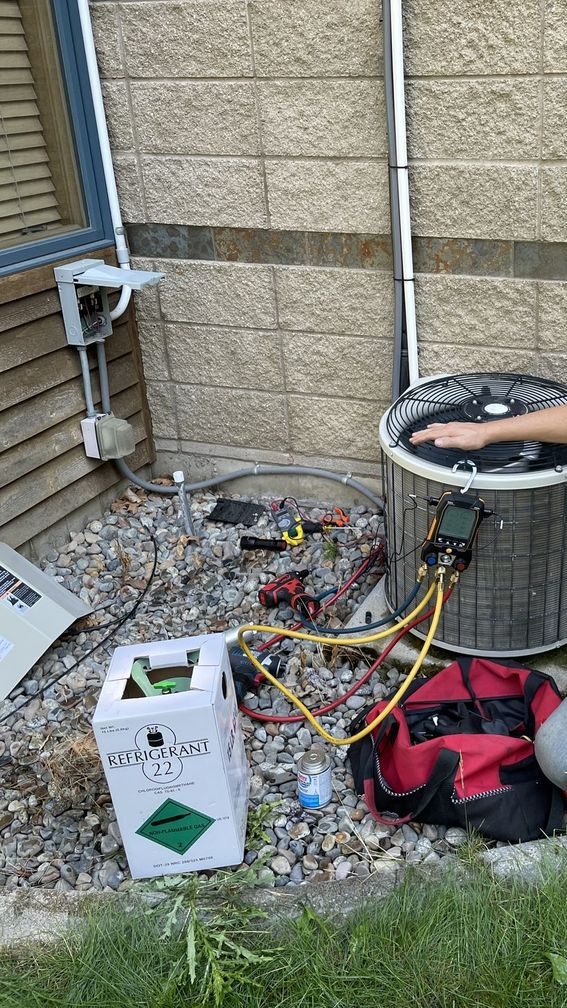
No. 1
HVAC tune-ups
Spring and fall visits clear needles and moss from the coil, open the drain holes in the base and test the defrost cycle before the long gray season.
Go to the service page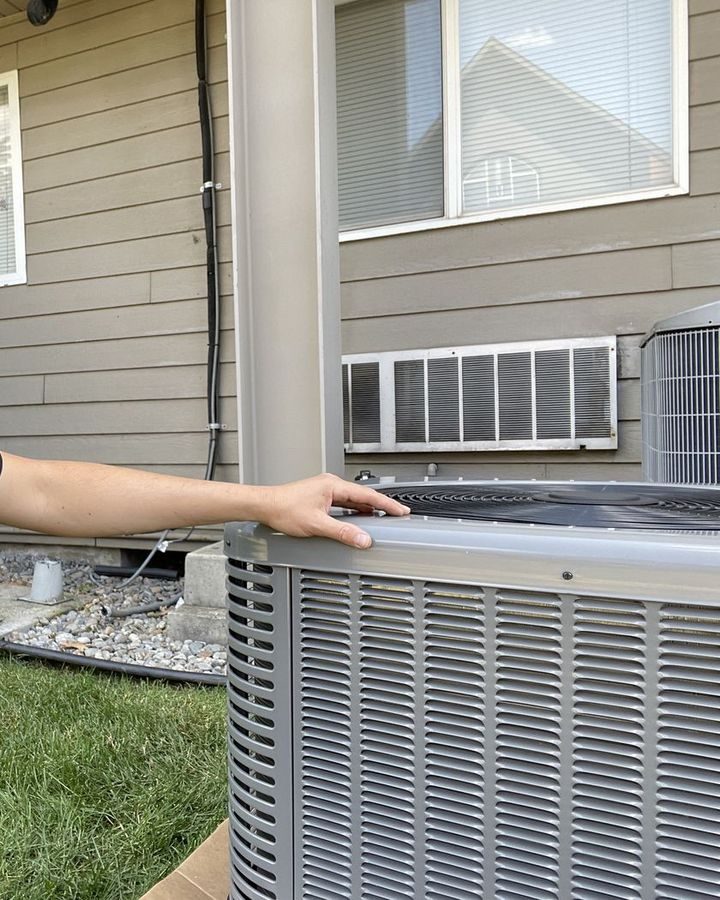
Seasonal checks · heat pumps, furnaces, AC, mini-splits
Around here a tune-up follows the calendar. Cooling gets checked in spring, before warm weather catches an idle system off guard, and heating gets checked in fall, before months of drizzle keep it running. Each visit is built on readings your technician can show you, not a quick glance and a sticker.
Quick answer
A Larch tune-up is a measured inspection of your heat pump, furnace, central air conditioner or mini-split. Spring visits test the cooling side ahead of the first hot spell; fall visits test heating before the wet season. We read capacitor microfarads, contactor wear, superheat and subcooling, static pressure, temperature split and flame-sensor microamps, flush the condensate drain, force a defrost cycle, and clear moss, fir needles and cottonwood from the outdoor coil.
It is a set of readings plus the cleaning those readings call for. The technician runs the system through each mode, compares what every part measures against its rating, and cleans whatever is slowing the equipment down: the outdoor coil, the condensate drain, the blower compartment and the filter slot. Small adjustments, such as snugging a loose wire lug or combing flattened fins, happen during the visit. A finding that needs a part is written up with its price, and nothing gets replaced until you agree.
A tune-up is not duct cleaning, and duct cleaning is not something we offer. We do inspect the duct connections where they join the furnace or air handler, and a static pressure reading reveals whether the ductwork, the filter or the indoor coil is starving the blower. Equipment on the list includes ducted heat pumps and ductless heads, gas and electric furnaces, central AC and air handlers, across brands such as Lennox, Carrier, Daikin, Trane, Goodman, York, Rheem, Bryant, Fujitsu, Mitsubishi and LG.
Refrigerant readings and any charge correction come under our 06A HVAC/Refrigeration specialty, performed by technicians who carry an EPA 608 Universal credential. When you book, the office quotes the tune-up price along with the day. Online, you claim a day and an arrival window yourself; by phone, someone answers 8 AM–7 PM daily. Whichever route you take, expect a confirming call, and your technician phones before pulling in.
Spring is for cooling, and the goal is to finish before the first hot spell, which can show up any time from late spring into summer. The technician rinses the outdoor coil, picks moss, fir needles and fresh cottonwood out of the fins and base pan, and checks the capacitor, contactor and condenser fan motor. With the system cooling, we record superheat and subcooling, the temperature split from return to supply, and total static pressure. Central air conditioners that sat unused since September tend to reveal their weak parts here, and so do units added after the 2021 heat dome that still run only a few weeks a year.
Fall is for heat, ideally wrapped up before the November rains settle in. Gas furnaces get an igniter check, flame-sensor microamps, a look at the inducer motor and pressure switch, burner flame and venting, and an inspection of the heat exchanger. Electric furnaces and air handlers get an amp reading on every heat strip, plus a check that the sequencers bring them on one after another. Heat pumps get a forced defrost test: the reversing valve should shift, the outdoor fan should stop, and the coil should clear before heating resumes. In foggy 35- to 45-degree weather a heat pump can run through defrost over and over in a single day, so this test earns its place here more than in drier regions.
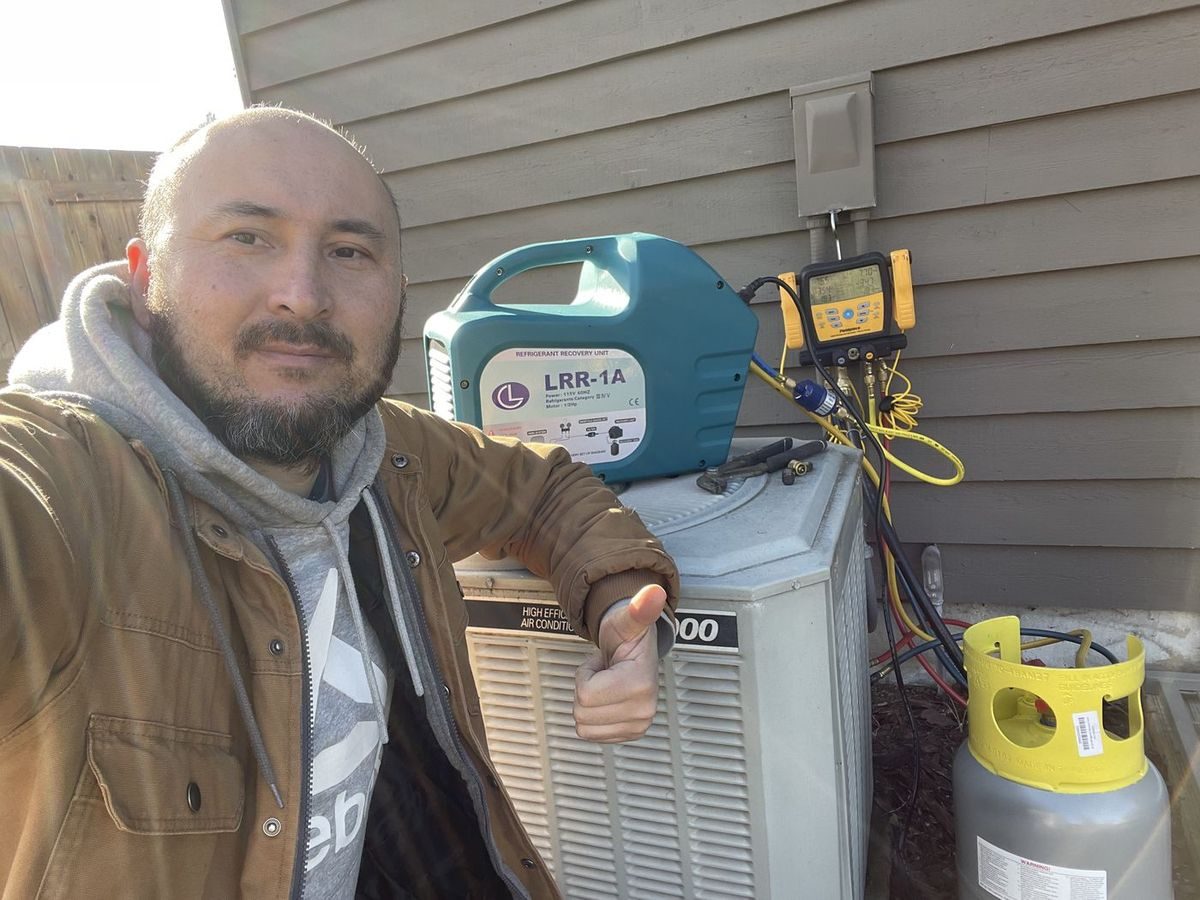
Each tab carries a photo from our service work and the first checks we make on that job. Choose a tab, or let them change by themselves.
No. 1
Spring and fall visits clear needles and moss from the coil, open the drain holes in the base and test the defrost cycle before the long gray season.
Go to the service page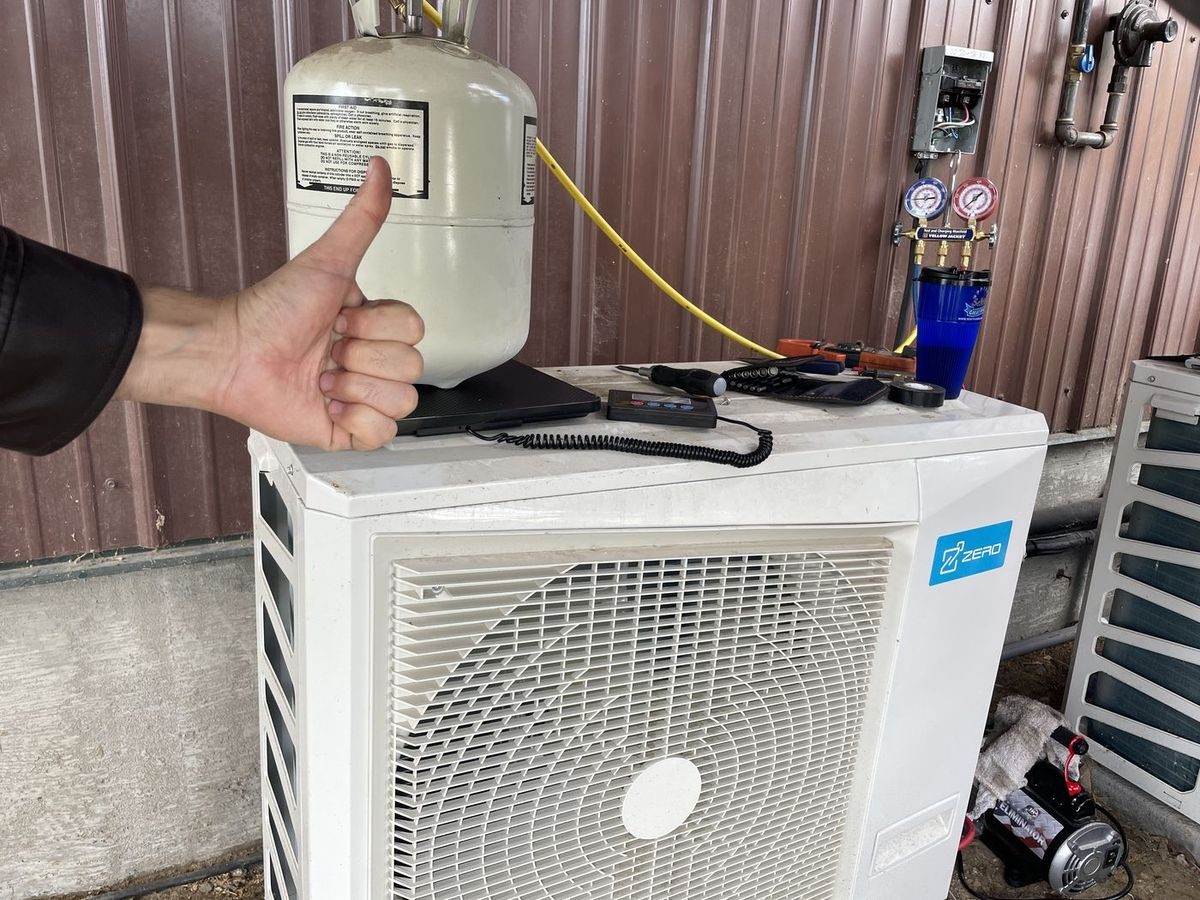
No. 2
Olympia winters stay wet and just above freezing for weeks, so defrost does a lot of work. We read the coil sensor, the defrost board and the charge before anything else.
Go to the service pageNo. 3
Cooling was an afterthought in many South Sound homes until the 2021 heat dome. When a newer system lags on a hot day, airflow, the capacitor and the charge come first.
Go to the service page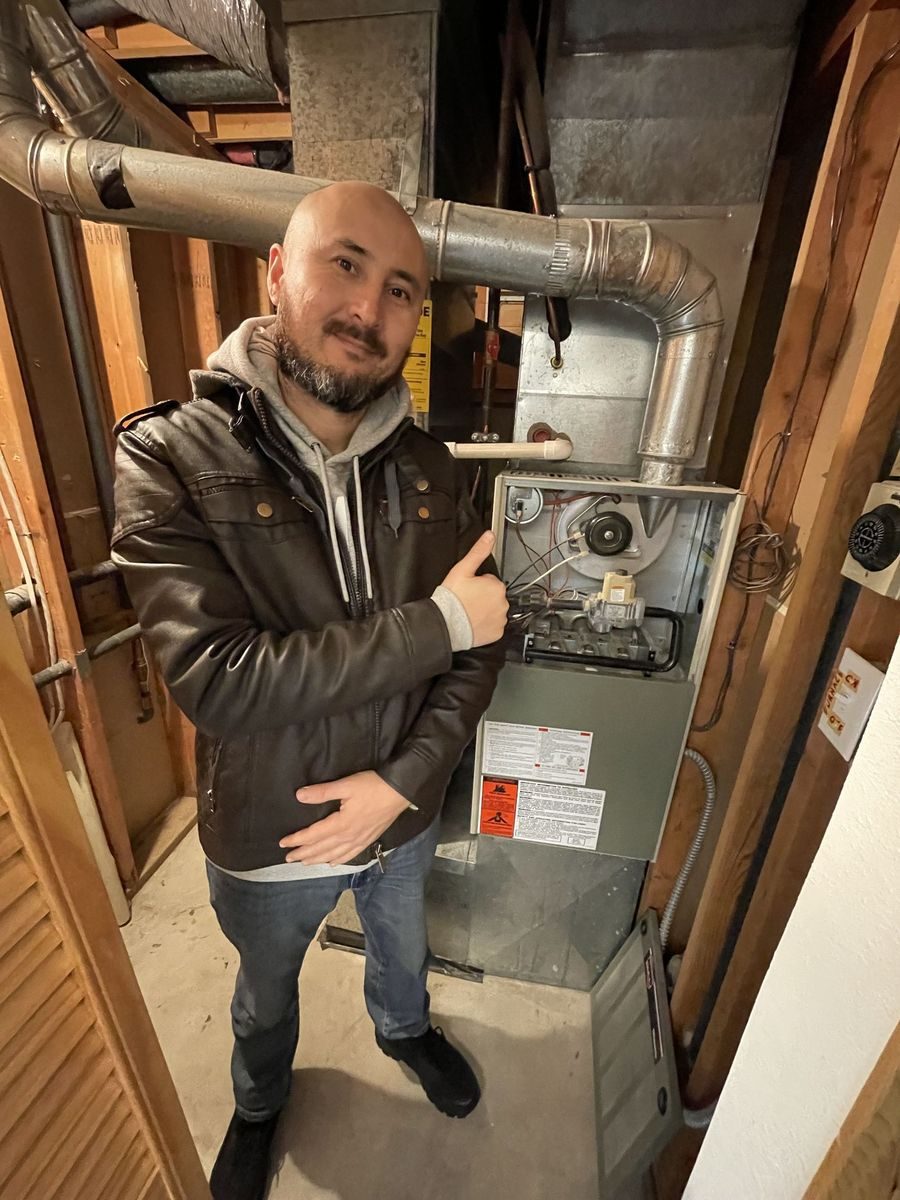
No. 4
Gas or electric, a furnace that quits on a cold morning is traced step by step: thermostat call, inducer, pressure switch, igniter, flame sensor, limit.
Go to the service page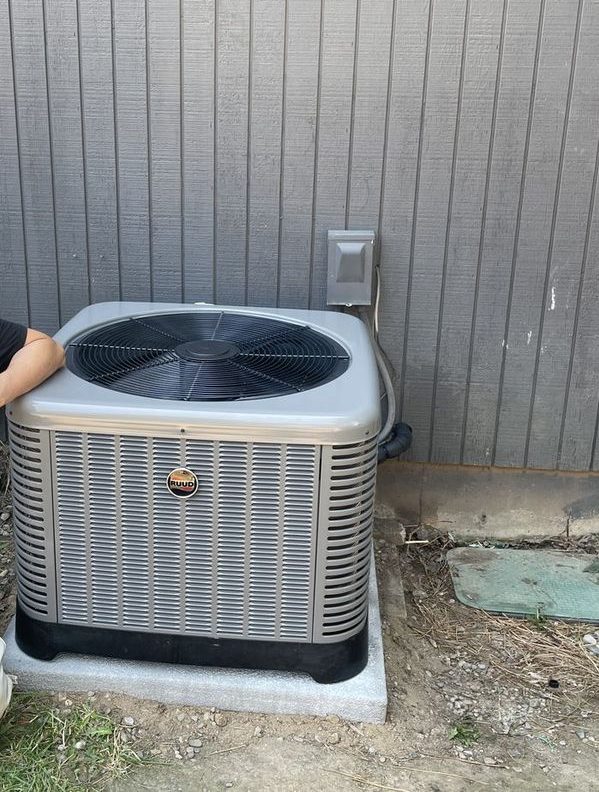
No. 5
A new system starts with a load calculation and a dry, level pad. Prairie gravel drains fast; in low clay corners we set the unit higher.
Go to the service page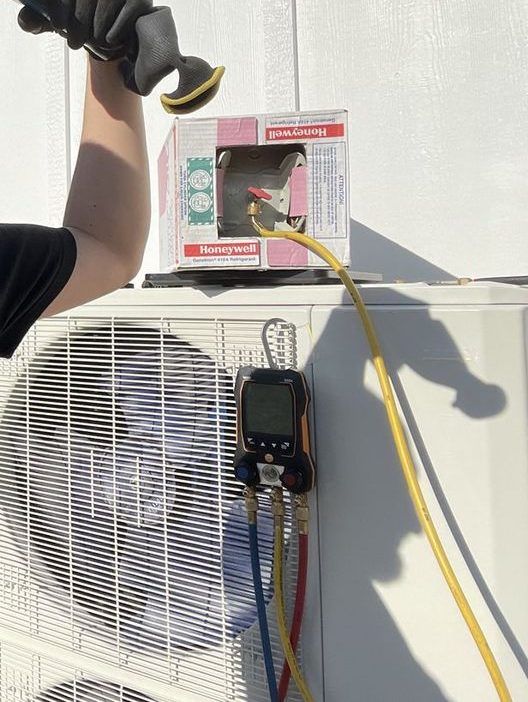
No. 6
Ductless heads suit older Olympia houses with no space for ducts. The line set runs outside, so its insulation and the condensate drain get a close look.
Go to the service page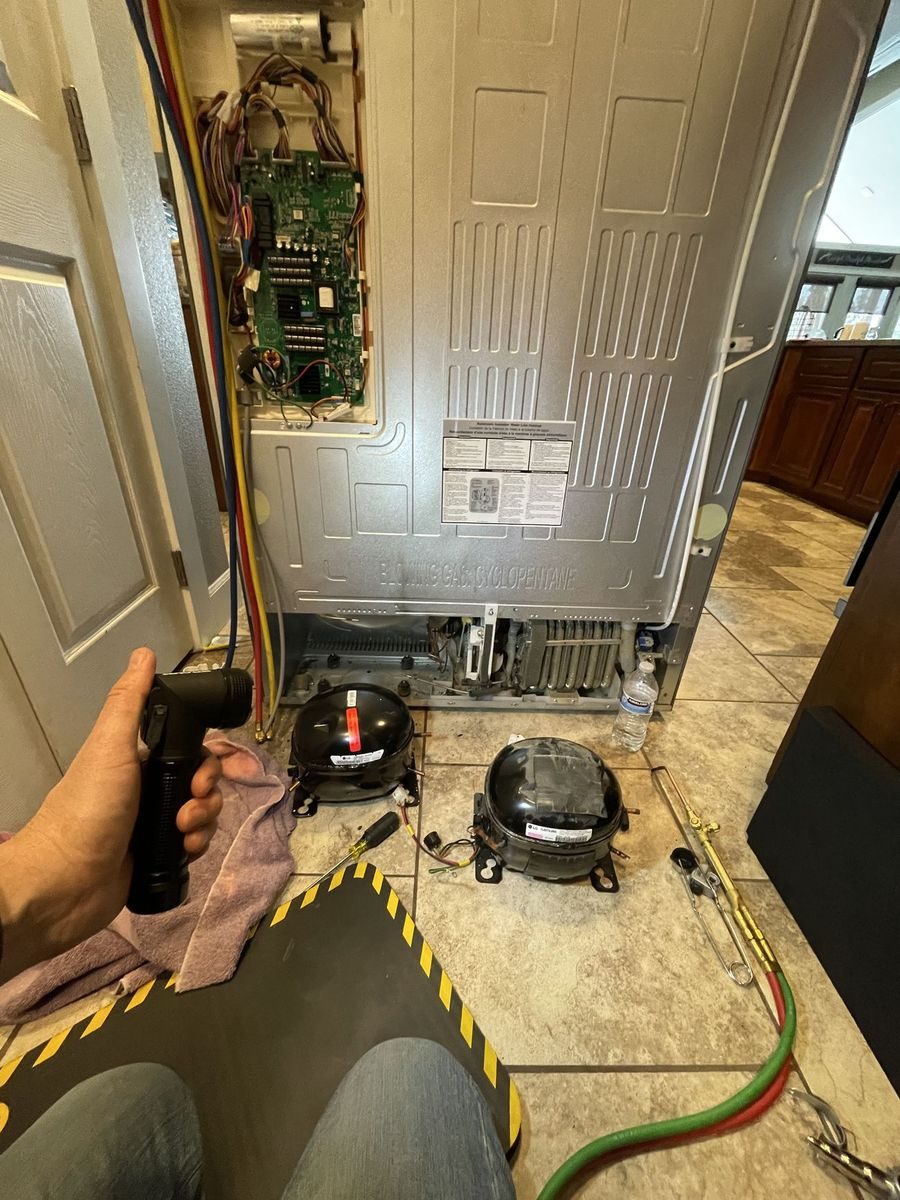
No. 7
Warm shelves usually come from frost on the coil, a fan that has stopped or a failed defrost part. Sealed-system repairs happen at home, by technicians holding EPA 608 Universal credentials.
Go to the service page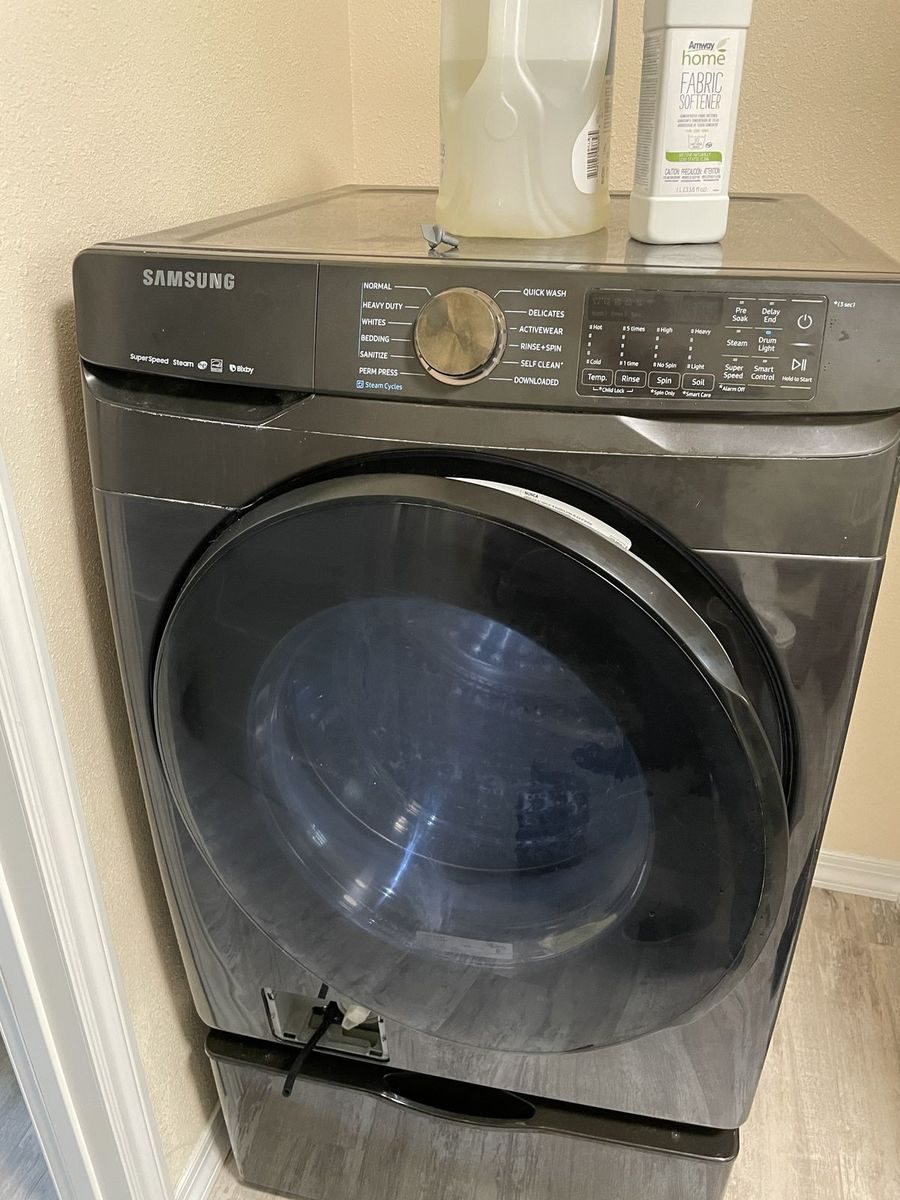
No. 8
Rural wells around Yelm and Rochester carry sediment that clogs inlet screens. A slow fill or a musty front-loader boot is where most washer visits start.
Go to the service page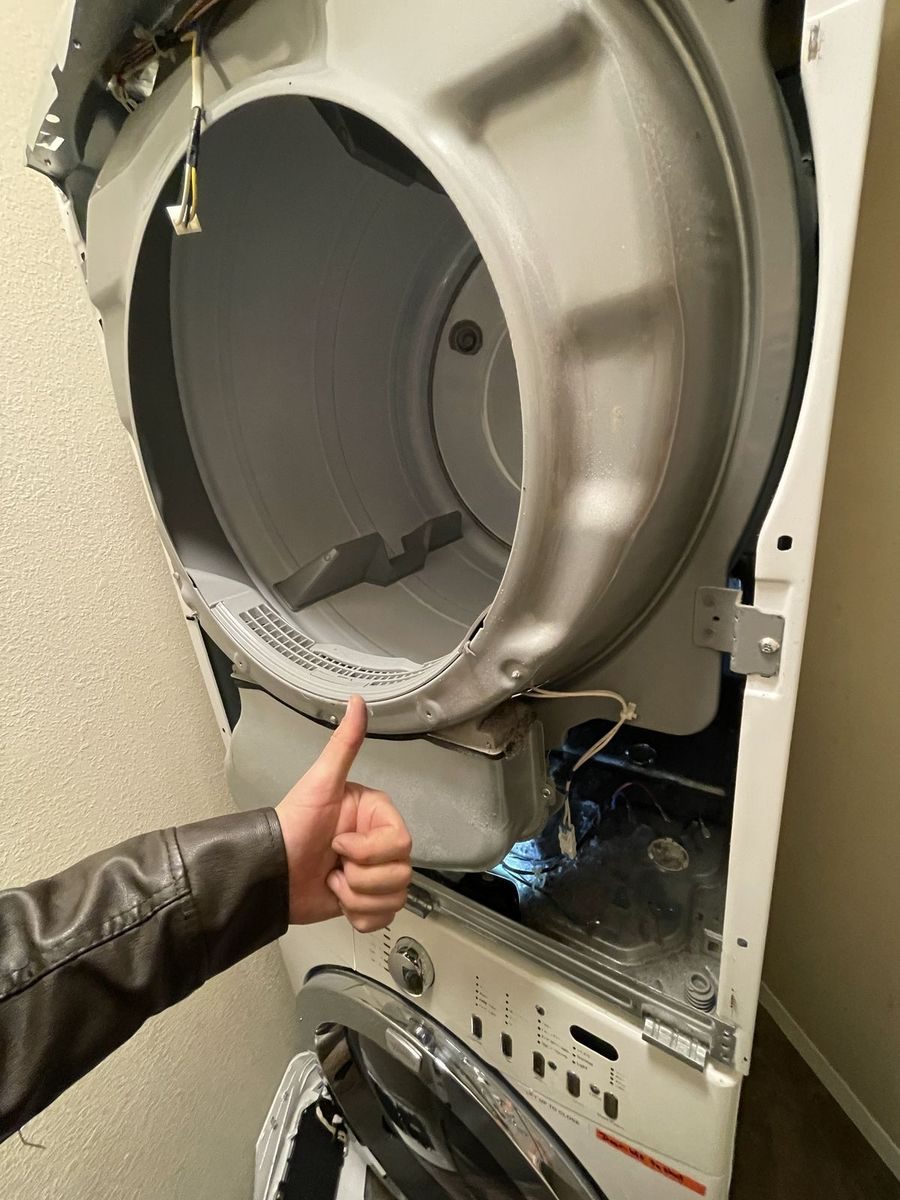
No. 9
Damp air and long vent runs make lint pile up fast in South Sound laundry rooms. The vent is tested together with the element or burner and the thermal fuse.
Go to the service page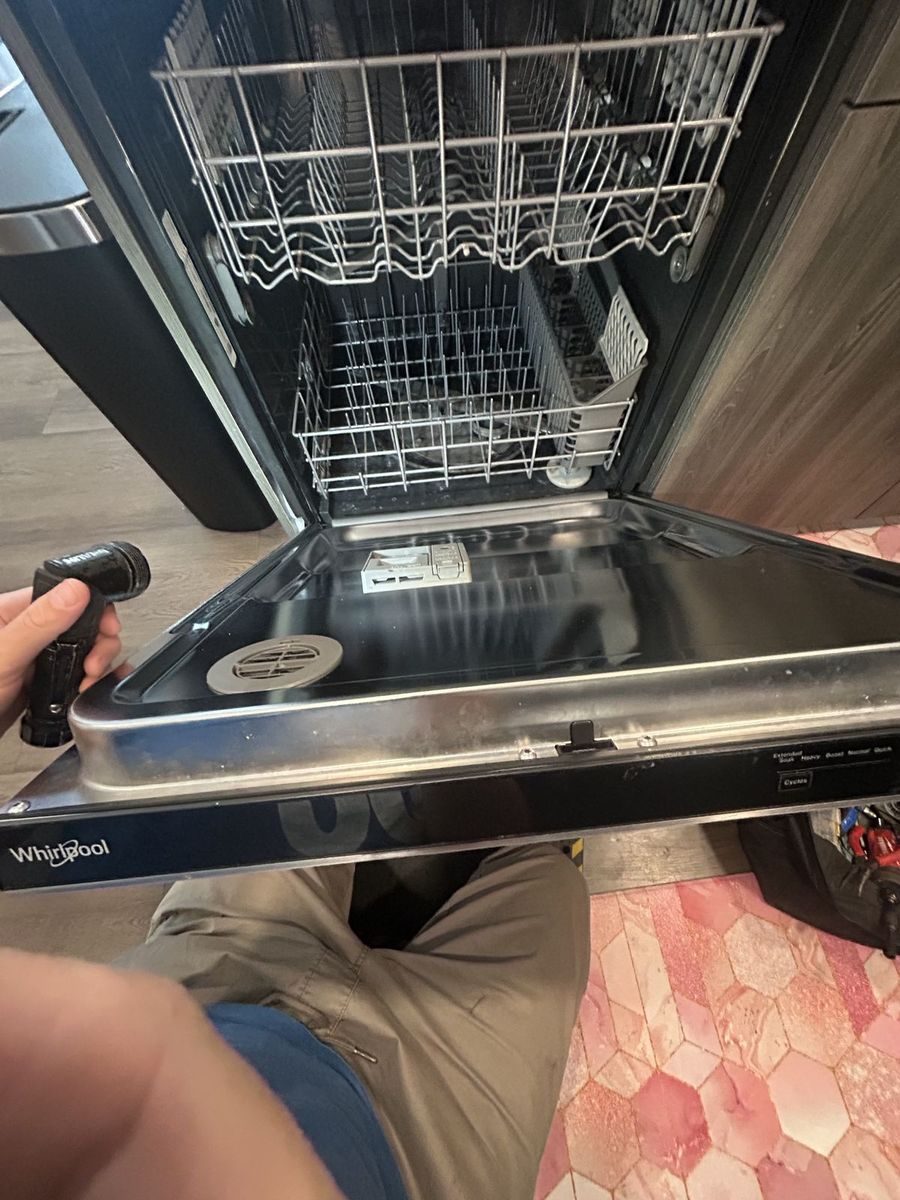
No. 10
Cloudy glasses and a tub that will not drain point to the filter, the drain pump or a hose without its loop under the counter. Each gets checked in order.
Go to the service page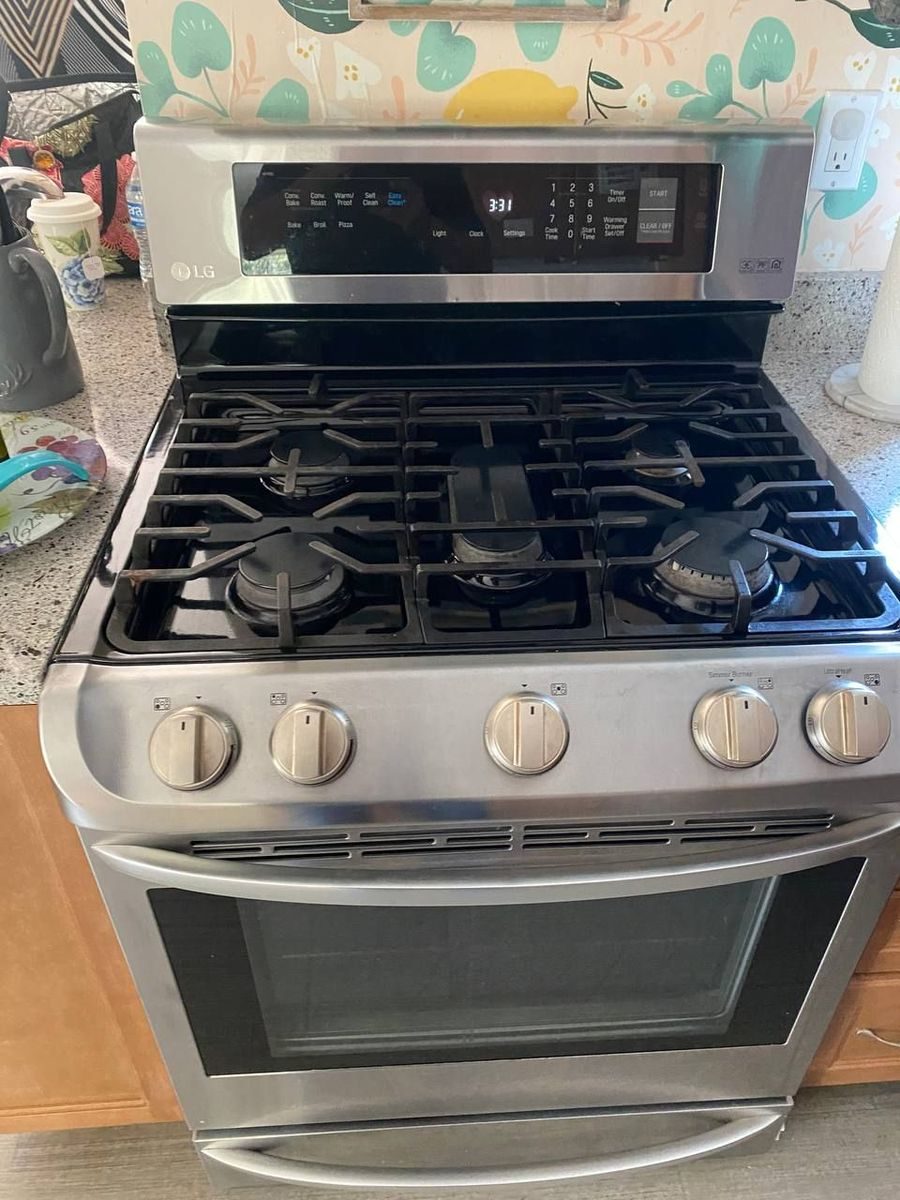
No. 11
Bake and broil elements, igniters and the oven sensor are metered before any part is ordered, on gas, electric and induction models alike.
Go to the service page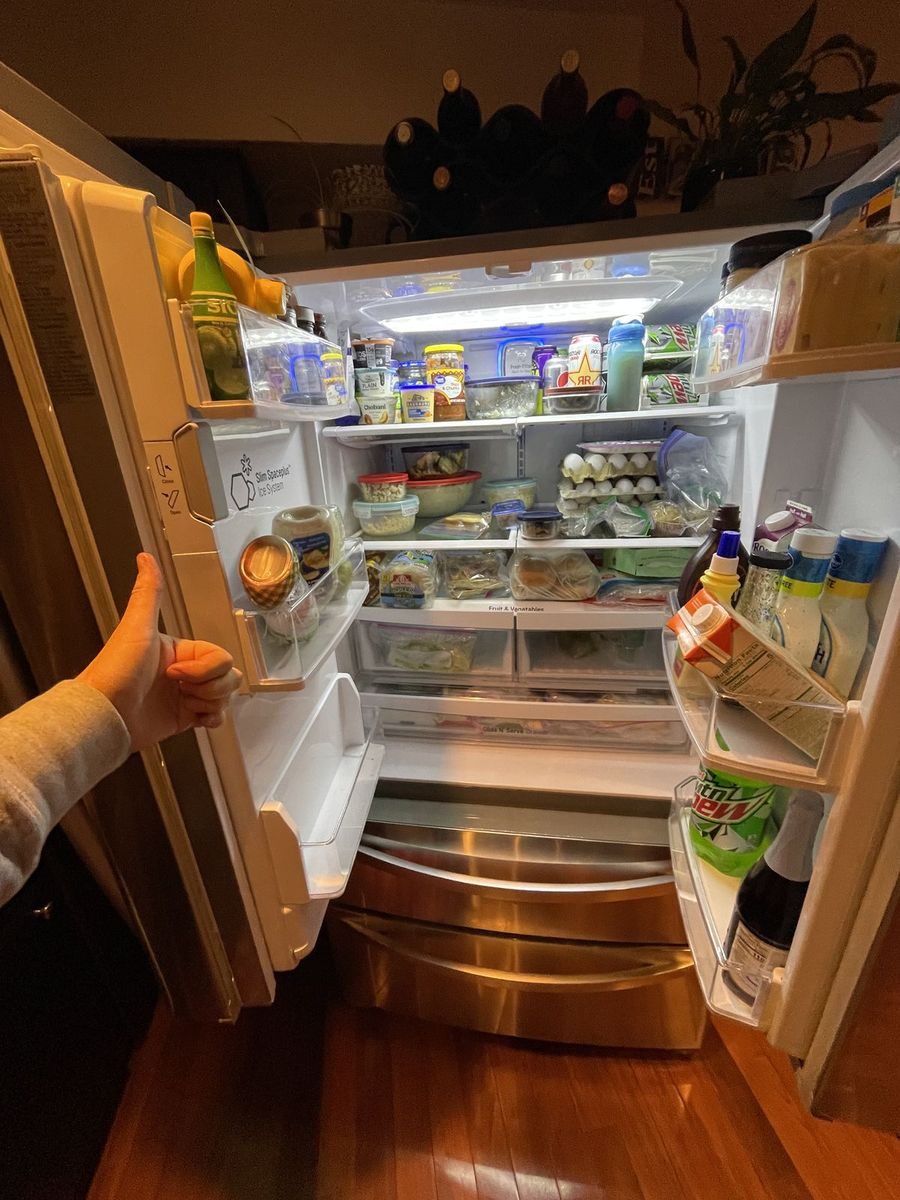
No. 12
When the ice stops after a power outage, the fill tube has often frozen. We check the water valve, the filter and the tube before blaming the ice maker.
Go to the service pageRain and shade cause most of the wear. Olympia averages about 50 inches of precipitation a year, and outdoor units under the tall firs of Timberlake, or on wooded lots across Thurston County, gather needles, moss and algae in the fins and base pan. That wet layer holds water against the coil, slows defrost and corrodes the cabinet floor. Many furnaces and duct runs sit in damp crawlspaces, where moisture rusts burner trays and blower housings over the years. In Hawks Prairie, builder-grade heat pumps and gas furnaces from the subdivision boom are reaching the age when capacitors, contactors and igniters start to wear.
Filters act differently in damp houses. A pleated filter in a crawlspace furnace, or at a hall return in a humid home, can absorb moisture, sag and grow mildew, and a swollen cardboard frame may let air slip around the media entirely. We suggest looking at it monthly through the wet months and changing it whenever it looks gray, damp or bowed. Summer brings the opposite strain: the June 2021 heat dome exposed how fast an AC that seldom runs can break down once it is pushed hard for days.
For a heat pump, which heats through the winter and cools through the summer, two visits a year make sense: spring for the cooling side, fall for heating and defrost. A gas furnace paired with central air also fits a spring-and-fall rhythm, since each half of the system gets attention before its season arrives. A furnace by itself, or an AC that runs only a few weeks each summer, can usually manage with one visit timed just ahead of its season. Mini-splits that run hard in humid rooms benefit from a yearly wash of the wheel and coil inside each head. Whatever schedule you pick, each reading goes on the record so the next visit can compare, and any repair we find is priced in writing, and you decide whether it happens now, later or not at all.
April or May works well, ahead of the first warm stretch. Average summer highs in Olympia sit near 78°F, but heat can arrive suddenly, and in June 2021 the city reached 110°F. A spring visit catches a drifting capacitor or a fouled coil while there is still time to fix it calmly, instead of on the first afternoon when every household wants cooling at once.
Because South Sound winters are built from long, damp, foggy days in the mid-30s to mid-40s, the exact conditions that frost an outdoor coil fastest. A heat pump here may defrost many times a day. If the reversing valve, the defrost control board or the coil temperature sensor is failing, the coil ices over and heat output drops, often during the first cold snap. Forcing a cycle in fall shows whether it works.
No, duct cleaning is not a service we provide. A tune-up covers the equipment itself: coils, motors, electrical parts, refrigerant readings, burners, drains and controls. We do measure static pressure, which shows whether ducts, filters or coils are restricting air, and we look at the duct connections where they meet the furnace or air handler. If a joint there is loose or crushed, we tell you what we saw.
Use the dimensions stamped on the current filter's frame, and choose a pleated filter within the MERV range your equipment's manual allows, since a very dense one can push static pressure too high. In a crawlspace furnace or a humid home, check it monthly through the wet season, because a damp filter sags and can grow mildew. We can measure static pressure with your filter in place to confirm airflow.
The technician shows you the reading or the worn part and writes out a repair price before doing anything else. Capacitors, contactors, igniters, flame sensors and fan motors usually ride on the truck, so a replacement can often happen during the same stop once you agree. Parts that must be ordered are priced up front. If you would rather wait, the written price stays with you.
Yes. A mini-split tune-up covers the indoor head as well as the outdoor unit: filters, the blower wheel and coil, the drain line and any condensate pump, sensor readings, refrigerant pressures and a defrost check. Heads in humid rooms often need a deeper cleaning with the cover and drain pan removed, and if mildew has built up on the wheel, we price that cleaning before starting.
Ready when you are
Online booking asks for your day and a preferred arrival window; voice booking works 8 AM–7 PM, every day. The office rings to confirm the slot, and the technician calls again from the road.
Online booking
Tell us what is acting up and when suits you. A coordinator phones to confirm the slot, and your technician calls again when heading your way.
These registrations are open to anyone. Look the numbers up on L&I Verify, and see our licenses page for what each one covers.
Read what each license allows