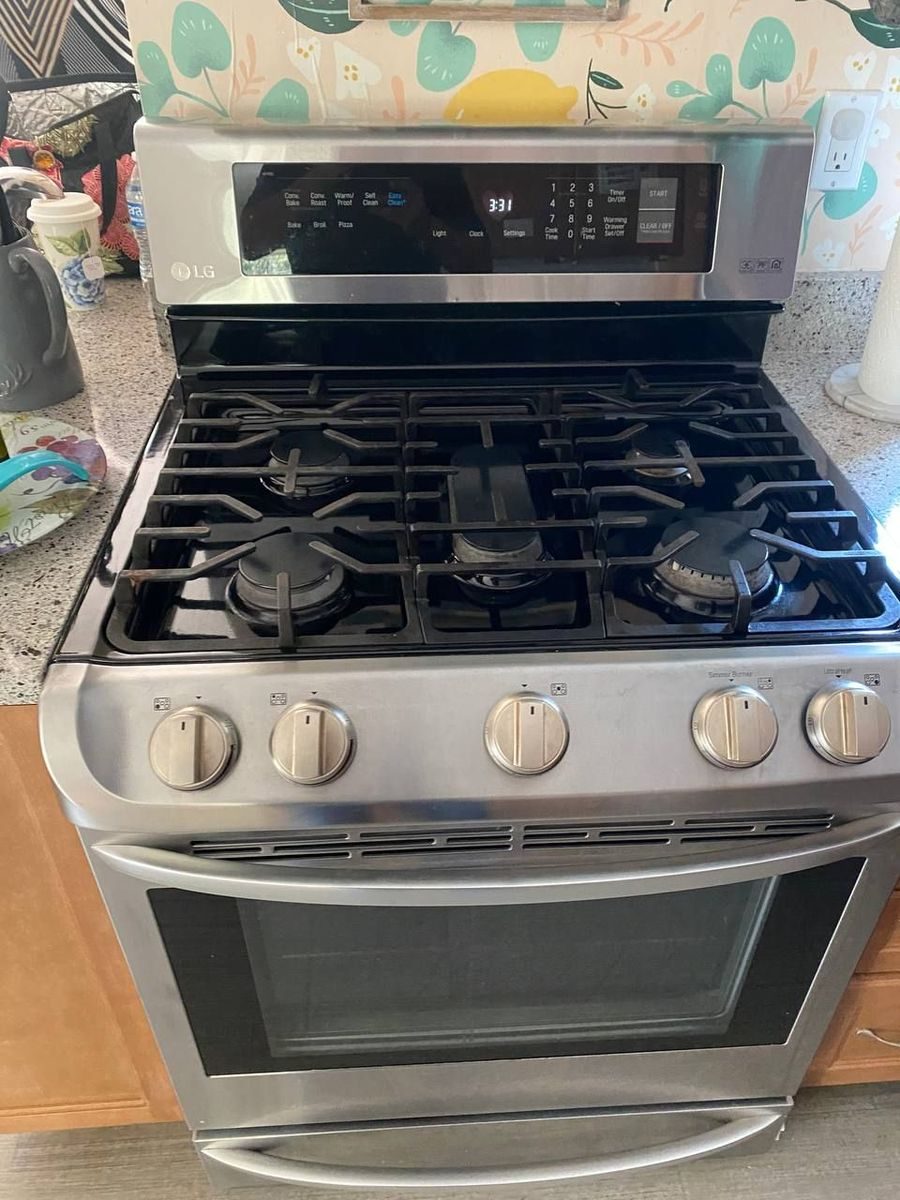
No. 1
Oven & range repair
Bake and broil elements, igniters and the oven sensor are metered before any part is ordered, on gas, electric and induction models alike.
Go to the service pageRanges, wall ovens and cooktops
Ranges are simpler than they look. A few parts heat, a few spark, one senses temperature and one locks the door, and an oven that misbehaves nearly always has one of them to blame. We find it with readings rather than hunches, and you see the price in ink before work begins.
Quick answer
When a gas oven sits cold, the usual culprit is the glow bar: it still lights up orange but no longer passes the current the safety valve wants. Electric models more often burn out a bake or broil element. Lopsided baking suggests the temperature sensor or control, and endless clicking on the cooktop suggests a damp spark switch. Our technician measures before quoting, in writing, and waits for your yes.
Something in the heat path has dropped out, and with gas ovens that path is fussier than people assume. Ask for 350 and the control powers the glow bar, a hot surface igniter made of a ceramic that conducts better as it heats. Current through it rises, and the oven safety valve, wired in the same loop, waits for a set amperage before its bimetal strip bends open and lets gas reach the burner. Age weakens the bar. It may still shine orange while carrying too little current, and you get a preheat that crawls, a soft thump at ignition, or a cavity that never warms. A clamp meter on that loop tells the tale quickly.
Electric models give out elsewhere. Bake and broil elements burn through, frequently with a blister you can spot, though plenty of newer ovens conceal the bake element under a smooth floor where nobody sees it glow. Coil tops run on infinite switches, glass tops on radiant ribbons under limiters. Gas cooktops share one spark module among all their knobs, so a single switch soaked by spilled pasta water can keep every electrode snapping. Self-clean models add a motorized door latch, and nearly all of them now rely on a board that reads a temperature probe to decide when to cycle. Our 07D Appliance Repair specialty covers the lot, whether the nameplate says GE, Whirlpool, Kenmore, LG, Frigidaire, Bosch, Maytag, Samsung, KitchenAid or Electrolux. We stop at the appliance: the gas piping behind it and the circuit feeding it are for other trades.
One rule outranks every repair on this page. A gas odor indoors means everybody goes outside, light switches and appliances untouched, and somebody phones 911 or the gas utility from out there. Our visit can wait until responders say the house is clear.
First comes a conversation about what you saw, heard and smelled. Then the technician runs the oven or burner and measures while it works. Gas ovens get the clamp meter on the igniter loop through a bake call, plus a stopwatch on how long the valve takes to open. Electric ranges get each element, every infinite switch and the sensor read, and both 240-volt legs confirmed at the terminal block on the back. A lock that won't release gets its motor, position switches and thermal fuse tested one after another. Nothing comes apart until you have heard what the numbers mean and have a written price in hand; you decide when work starts.
We keep glow bars, thermal fuses and common valves in the van. Elements, sensors, spark modules and boards built for one model line may need ordering, and when they do, the part and its cost appear on your quote before anything is ordered. Cost works simply. A diagnostic fee applies, and you learn its amount from the office at booking time. Should the repair proceed, that fee lives inside the repair's total rather than on top of it; should you wave the repair off, the fee closes out the visit. Our warranty terms appear on the invoice, in writing.
Each tab carries a photo from our service work and the first checks we make on that job. Choose a tab, or let them change by themselves.
No. 1
Bake and broil elements, igniters and the oven sensor are metered before any part is ordered, on gas, electric and induction models alike.
Go to the service page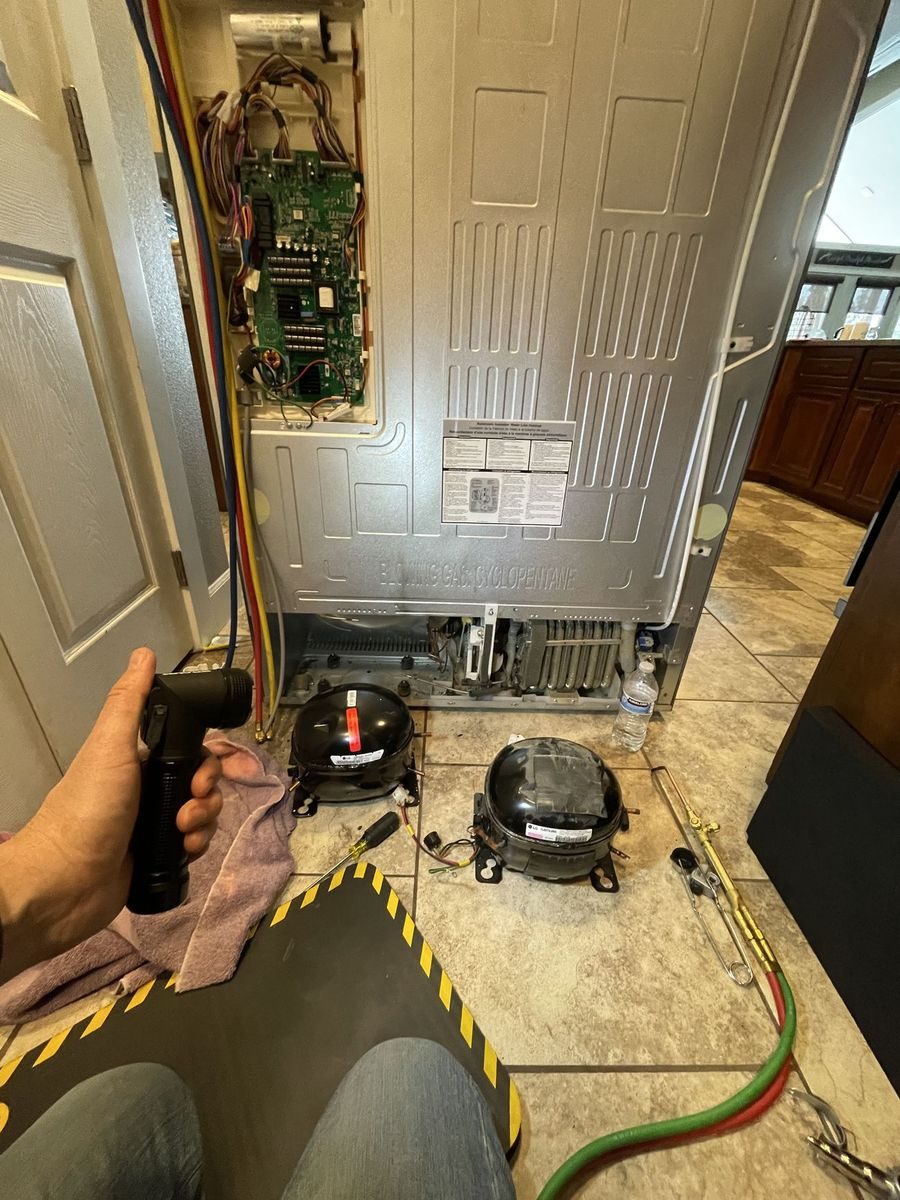
No. 2
Warm shelves usually come from frost on the coil, a fan that has stopped or a failed defrost part. Sealed-system repairs happen at home, by technicians holding EPA 608 Universal credentials.
Go to the service page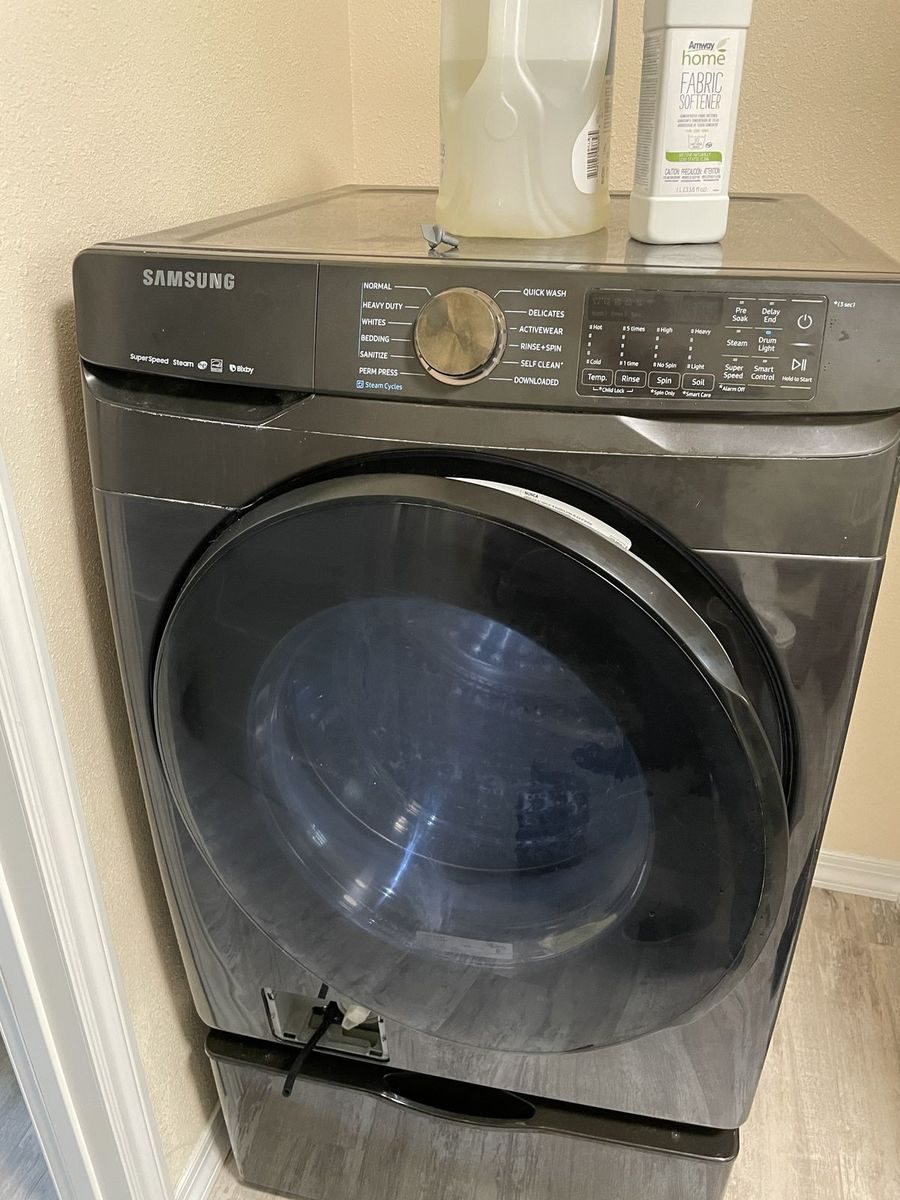
No. 3
Rural wells around Yelm and Rochester carry sediment that clogs inlet screens. A slow fill or a musty front-loader boot is where most washer visits start.
Go to the service page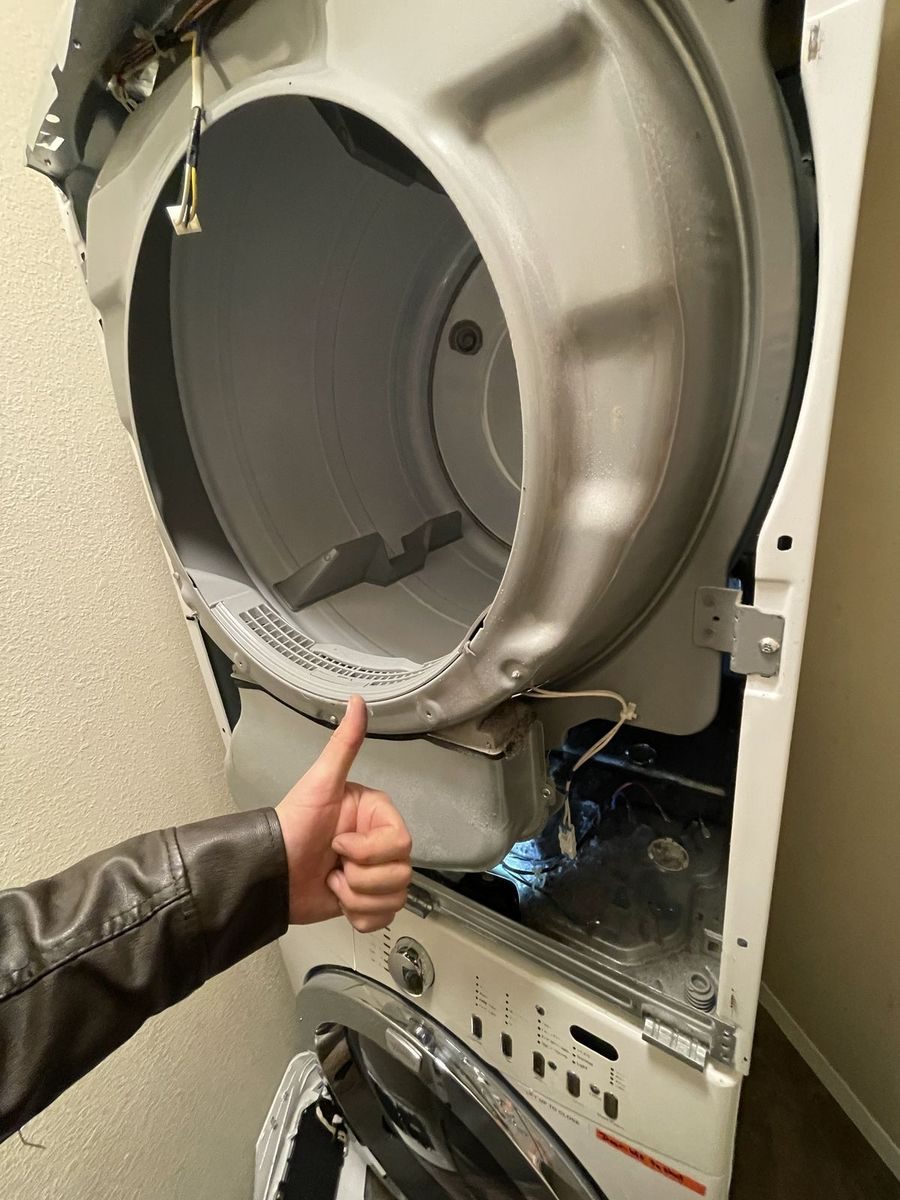
No. 4
Damp air and long vent runs make lint pile up fast in South Sound laundry rooms. The vent is tested together with the element or burner and the thermal fuse.
Go to the service page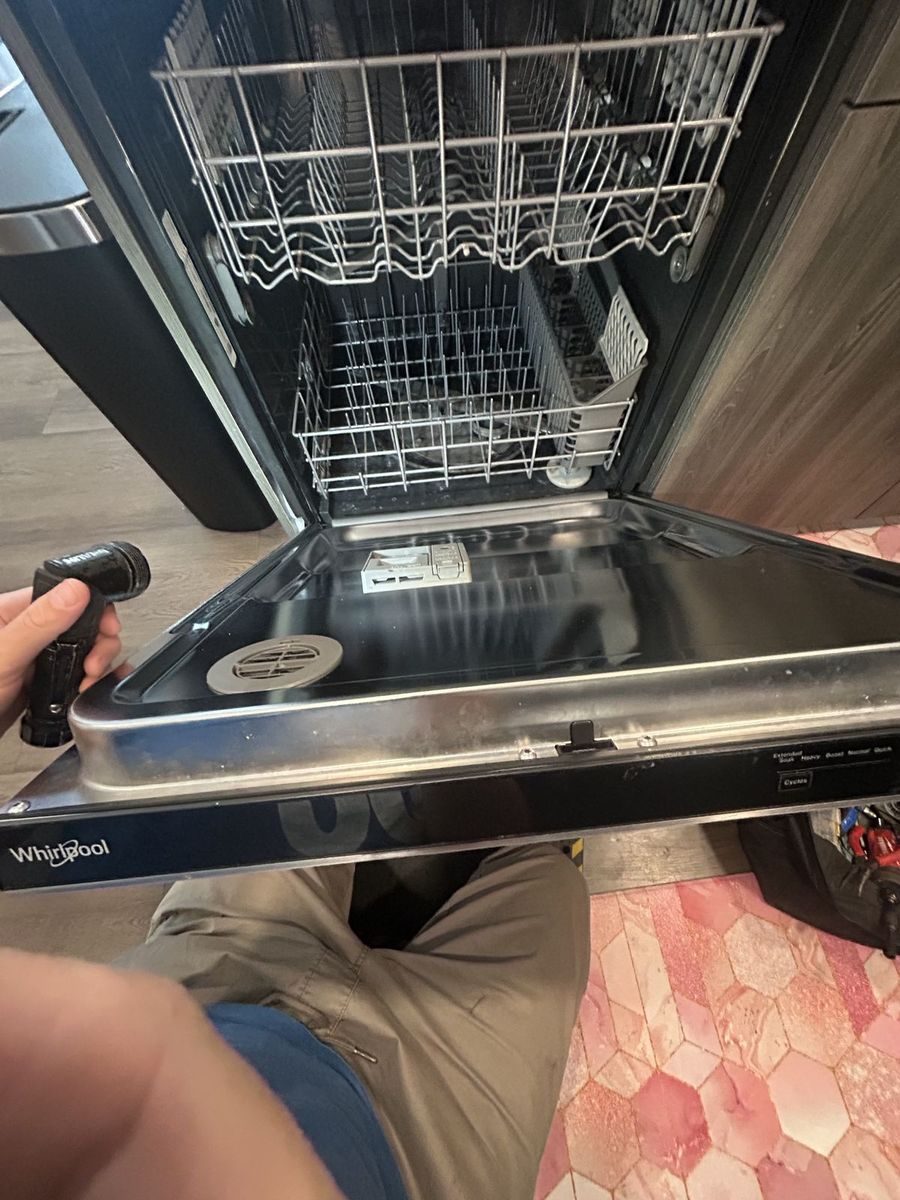
No. 5
Cloudy glasses and a tub that will not drain point to the filter, the drain pump or a hose without its loop under the counter. Each gets checked in order.
Go to the service page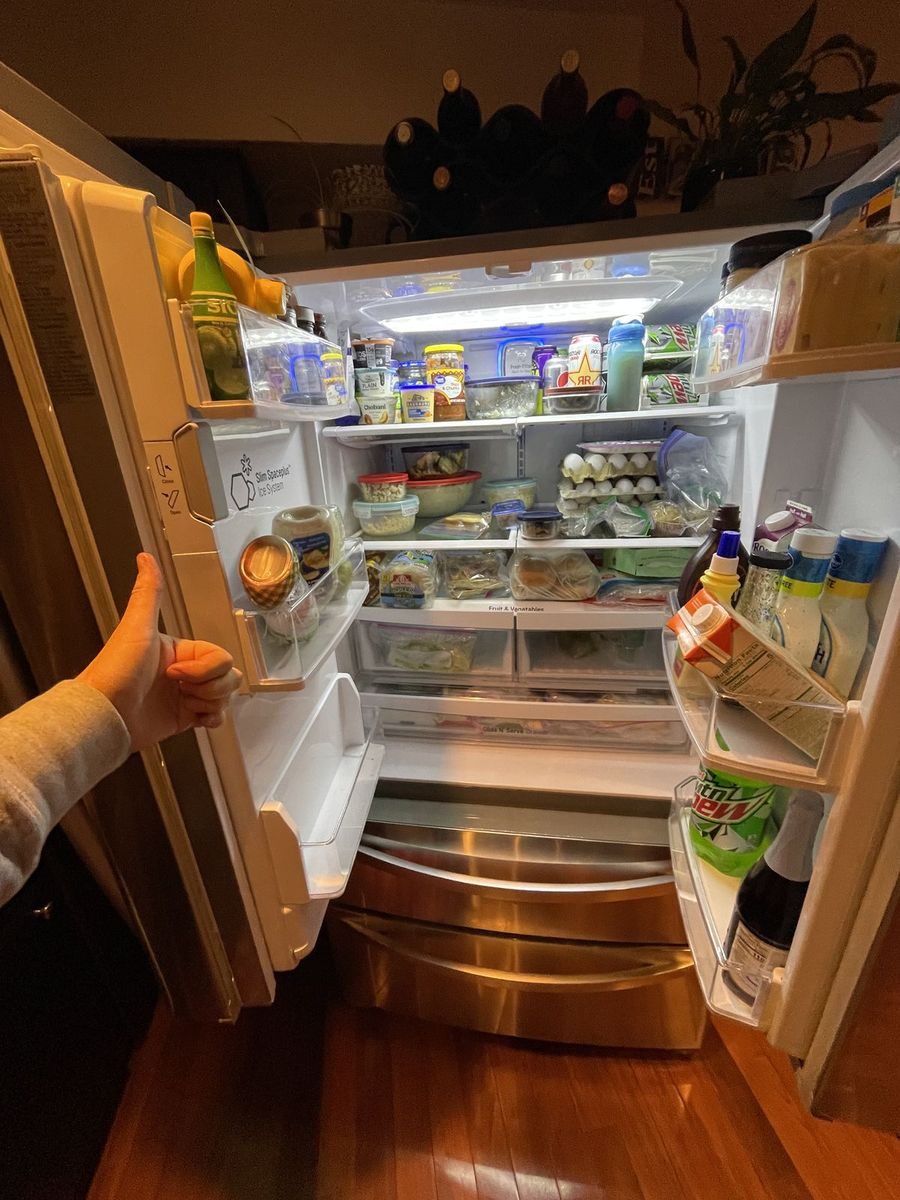
No. 6
When the ice stops after a power outage, the fill tube has often frozen. We check the water valve, the filter and the tube before blaming the ice maker.
Go to the service page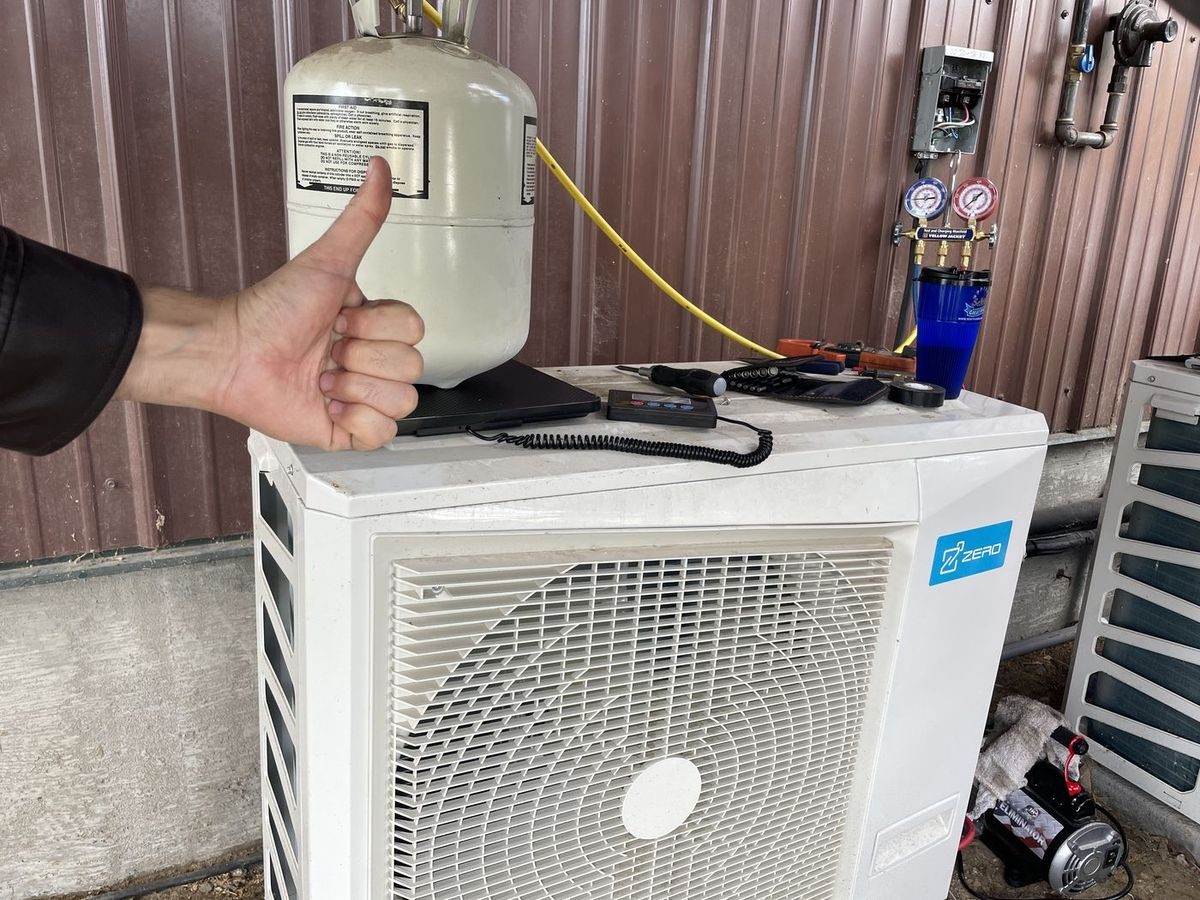
No. 7
Olympia winters stay wet and just above freezing for weeks, so defrost does a lot of work. We read the coil sensor, the defrost board and the charge before anything else.
Go to the service page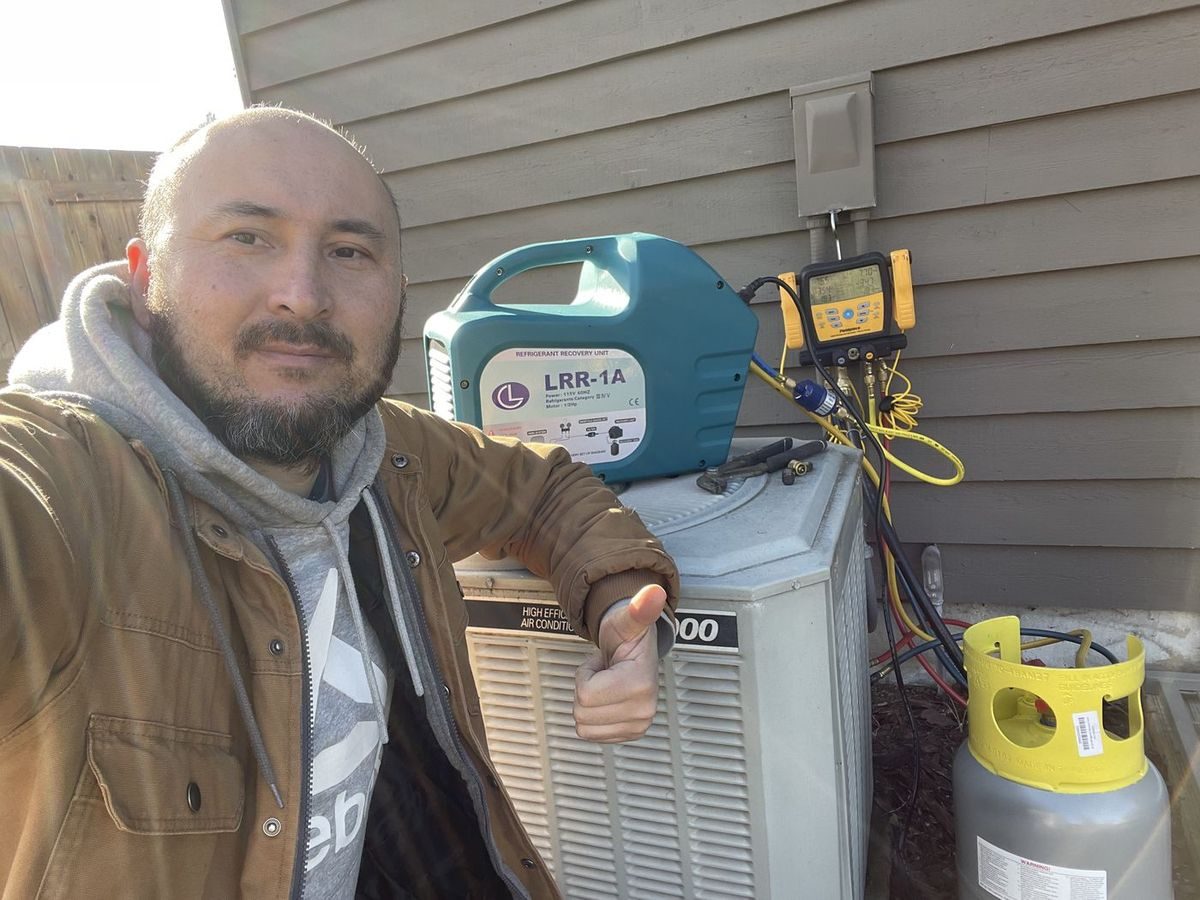
No. 8
Cooling was an afterthought in many South Sound homes until the 2021 heat dome. When a newer system lags on a hot day, airflow, the capacitor and the charge come first.
Go to the service page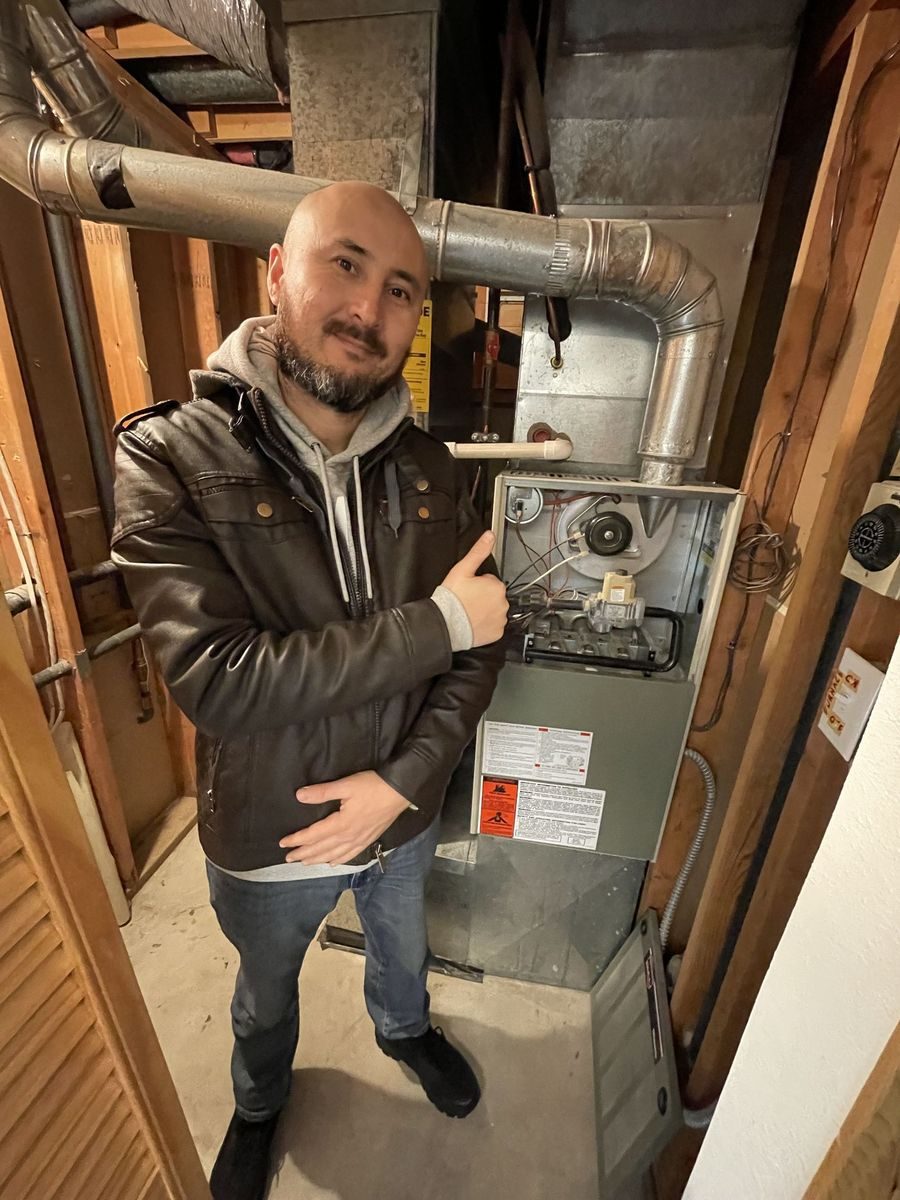
No. 9
Gas or electric, a furnace that quits on a cold morning is traced step by step: thermostat call, inducer, pressure switch, igniter, flame sensor, limit.
Go to the service page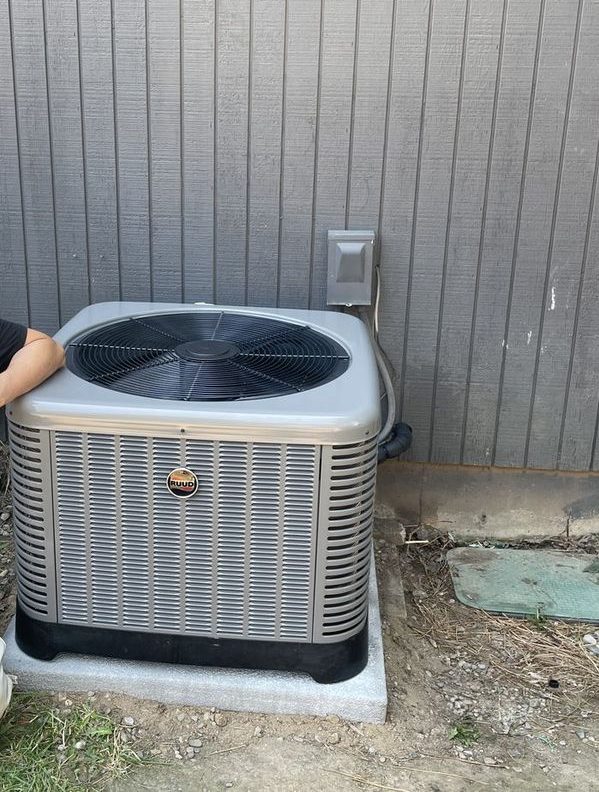
No. 10
A new system starts with a load calculation and a dry, level pad. Prairie gravel drains fast; in low clay corners we set the unit higher.
Go to the service page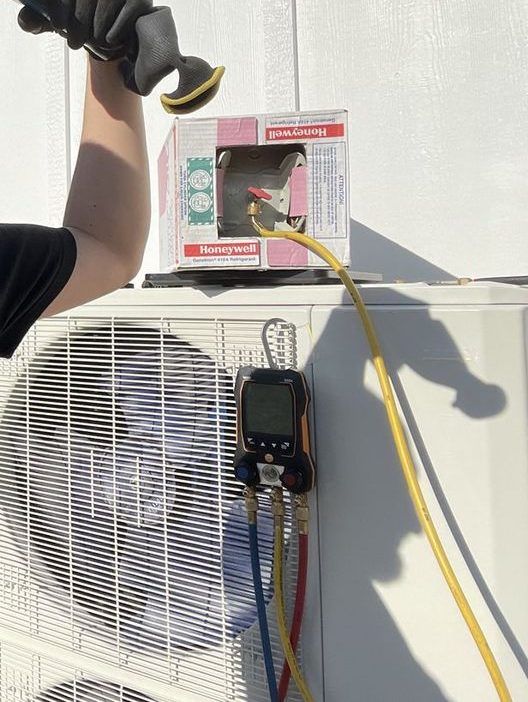
No. 11
Ductless heads suit older Olympia houses with no space for ducts. The line set runs outside, so its insulation and the condensate drain get a close look.
Go to the service page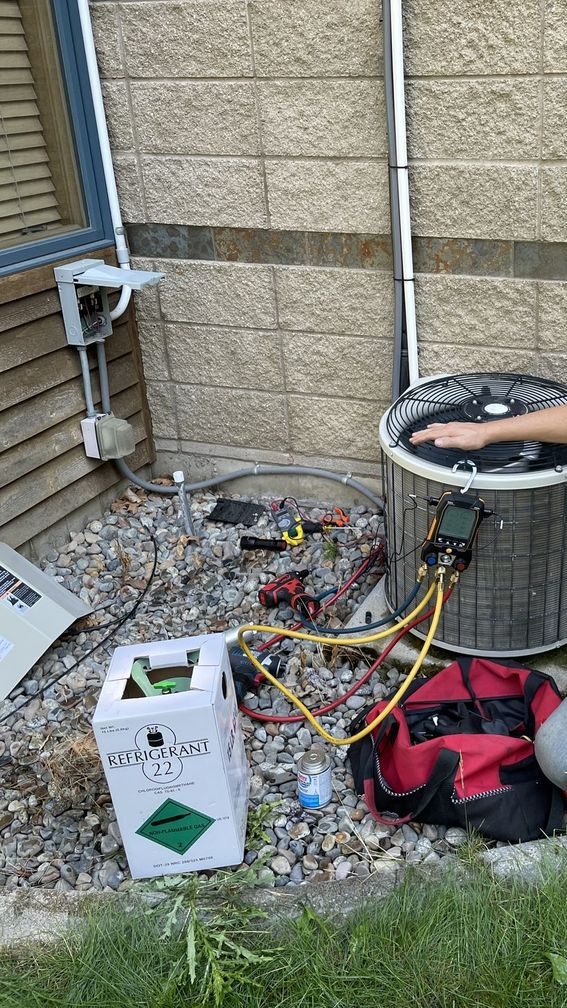
No. 12
Spring and fall visits clear needles and moss from the coil, open the drain holes in the base and test the defrost cycle before the long gray season.
Go to the service pageTiming is a big part of it. Thanksgiving falls in November, the wettest month of the Olympia year, and the holiday stretch overlaps the season when snow, freezing rain and windstorms knock out power around Thurston County, as the December 2022 freezing rain and the February 2024 snow both did. An oven that has quietly grown sluggish all fall gets its hardest workout in exactly those weeks, and the jolt when power is restored lands on its control board. A glow-bar gas oven cannot light during an outage at all, because the igniter needs electricity; that is deliberate, not a fault. If yours has been slow to preheat or the self-clean has been acting oddly, get a visit on the calendar before the holiday cooking, not the morning of.
Kitchens around here come in every vintage. Older homes in Olympia's South Capitol neighborhood and around Bigelow often have a newer range set into a much older kitchen. In Hawks Prairie and the fast-growing Yelm subdivisions, the builder-grade ranges installed when those homes went up are reaching the age when igniters and bake elements wear out. And with so many households moving in and out, we meet ranges that rode in a truck, with burner caps knocked loose and anti-tip brackets never reattached.
Usually, yes. There isn't much to a range beyond a steel box and a set of replaceable parts, and the box tends to outlast everything bolted to it. Igniters, elements, spark switches, sensors and latch motors are ordinary swaps, so a sound oven can keep cooking for a long while after one of them gives out. Replacement starts winning when a crack runs across the glass top, when rust is breaking through the cavity enamel, when nobody makes the board for an older model anymore, or when three things fail at once. If that is where you are, our technician tells you and writes down what the repair would cost, so the comparison with a new range is on paper. Your call either way. Book through the website by picking a day and a window, or give the office a call.
A weak glow bar is the usual reason. The safety valve opens only after the igniter carries enough current, and a worn igniter makes the valve open late, so some gas collects and then lights with a small whoomp. Replacing the igniter ends that delay. If the smell lingers, though, treat it as a leak: everyone outside, then 911 or the gas utility on the phone from the driveway.
Not on a range with a glow bar igniter. The igniter needs electricity to heat, and the safety valve will not release gas until it does, so the oven stays cold by design. Never try to light an oven by hand. Some gas cooktops do allow lighting a surface burner with a match during an outage; your owner's manual says whether yours does and exactly how.
Give it time to cool all the way, because the latch is meant to stay engaged as long as the cavity is hot. If it is still locked when cold, shut off the range's breaker, wait about a minute, and turn it on again; many controls reboot and retract the latch. Still stuck? The latch motor, its switch or the thermal fuse has probably failed. Don't pry the door, which bends the latch and hinges.
We'd suggest not. Self-clean pushes the cavity to temperatures no recipe asks for, and the latch motor, thermal fuse and board all feel it. Marginal parts like to quit mid-cycle. For a tidy oven at the holiday, scrub the spills by hand, or run self-clean back in October, leaving slack for a repair should something give. That way a failed lock or a dead board is sorted out long before the turkey goes in.
Because the display only repeats what the temperature sensor reports, and sensors drift. Check with a separate oven thermometer set mid-oven, read after the preheat tone. A steady offset can usually be fixed with the calibration setting described in your manual. Big swings, or an offset that wanders from day to day, point to the sensor, a gap in the door gasket, a convection fan that has stalled, or a relay that sticks.
Yes. Radiant glass cooktops heat with ribbon elements under the glass, each run by an infinite switch or the control board and protected by a limiter. When a burner stays dark, heats only on high, or will not turn off, we test the element, limiter and switch and replace whichever failed. A crack across the glass is a larger job, since the whole top must be replaced, and we quote it in writing first.
Ready when you are
The website's booking page asks for a day, then an arrival window; phones are answered 8 AM to 7 PM, every day. Confirmation comes by phone from the office, and your technician calls from the road.
Online booking
Tell us what is acting up and when suits you. A coordinator phones to confirm the slot, and your technician calls again when heading your way.
These registrations are open to anyone. Look the numbers up on L&I Verify, and see our licenses page for what each one covers.
Read what each license allows