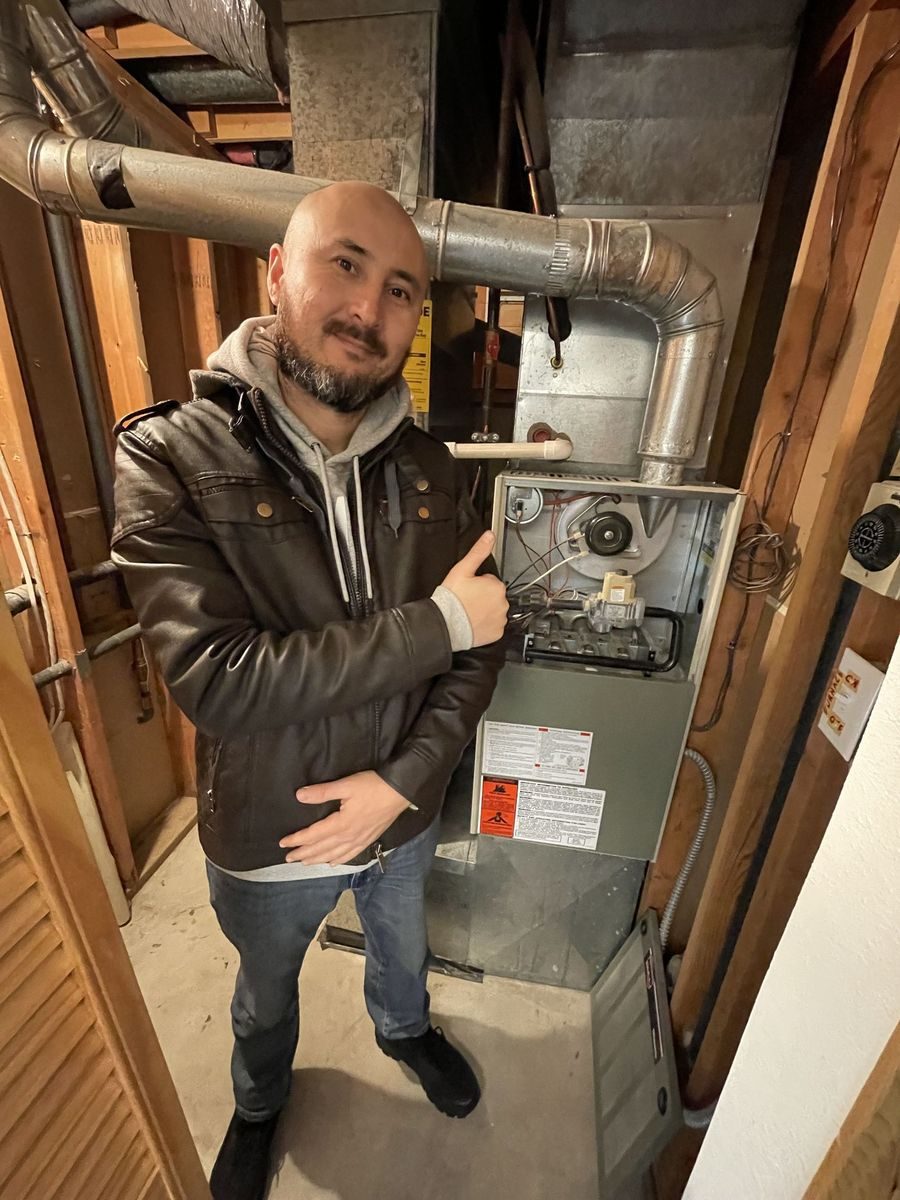
No. 1
Furnace repair
Gas or electric, a furnace that quits on a cold morning is traced step by step: thermostat call, inducer, pressure switch, igniter, flame sensor, limit.
Go to the service page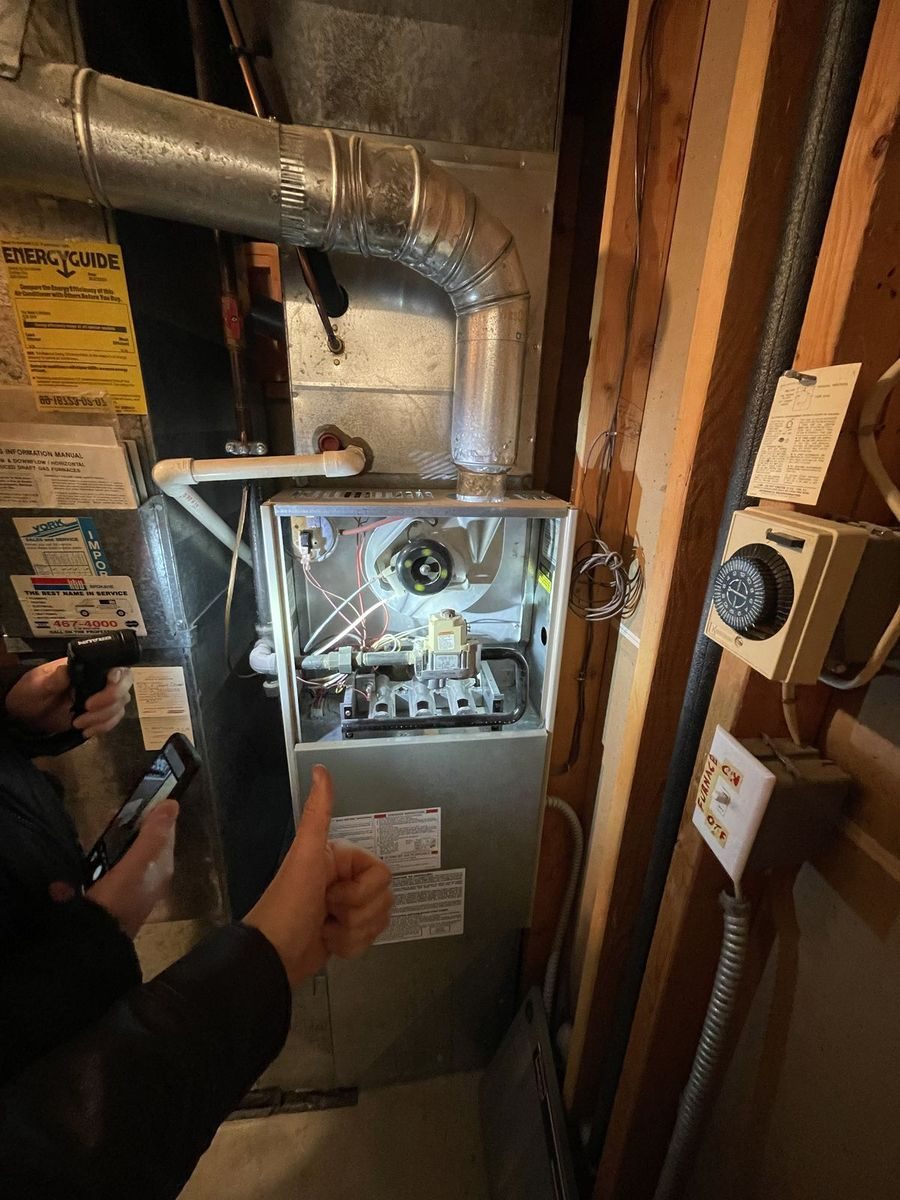
Gas and electric furnace repair in Thurston County
South Sound furnaces live in damp crawlspaces, chilly garages and cramped hall closets, and each spot wears them down differently. Our technicians repair gas furnaces from igniter to condensate trap and electric furnaces from sequencer to the last element, and nothing gets touched until you have approved a written price.
Quick answer
A gas furnace that won't heat most often has a cracked hot surface igniter, a fouled flame sensor, a pressure switch tripped by a plugged condensate trap or vent, a failing inducer motor, or a high limit opening on weak airflow. Electric furnaces usually lose heat to a burned sequencer, an open element or a tripped limit. We test, write up the price, and wait for your yes.
Usually because one link in the ignition and safety chain breaks, and the control board halts everything rather than run unsafely. Each heating call runs through a fixed order: inducer motor first, then the pressure switch proving draft, the igniter heating to a bright orange, the gas valve opening, and finally the flame sensor confirming the burners are lit. A failure at any step ends the attempt, and after a few retries the board locks out, usually blinking a code on an LED that shows through a peephole in the lower panel.
Electric furnaces are simpler but carry heavy current. A sequencer or set of relays brings the heating elements on in stages, a limit guards each element against overheating, and the blower must move enough air to carry the heat away. When a sequencer contact burns or an element breaks open, the furnace keeps running but the air feels merely warm, and the house slowly loses ground on a cold night.
We repair gas and electric furnaces from Carrier, Trane, Lennox, Goodman, Rheem, Ruud, Bryant, York and Daikin, plus the air handlers that pair with heat pumps, under the 06A HVAC/Refrigeration specialty. Oil furnaces and oil tanks are outside our work. If your gas or electric furnace has gone cold, pick a day on the booking page or call us.
Safety and the fault code come first. The technician confirms power at the furnace, notes any blinking pattern, checks for gas odor, and looks at the vent and combustion air path. Then a heating call runs while they watch the sequence end to end, measuring igniter resistance, flame-sensor microamps, inducer draft on a manometer, manifold gas pressure, temperature rise and static pressure. Condensing furnaces get their trap opened and flushed; on electric units each element's amps are read as the sequencer stages them on. Any hint of a combustion problem means a carbon monoxide reading in the flue and around the cabinet.
Before a single part is swapped, the price sits in writing in front of you for a yes or no. Diagnosis carries a fee you learn from the office during scheduling. Agree to the repair and the fee counts inside its total; say no, and you are billed for the fee alone. Igniters, flame sensors, capacitors, blower motors and many valves travel with the technician, while a control board, inducer or gas valve built for your furnace is quoted before ordering. Warranty terms ride along in writing on the invoice.
Each tab carries a photo from our service work and the first checks we make on that job. Choose a tab, or let them change by themselves.
No. 1
Gas or electric, a furnace that quits on a cold morning is traced step by step: thermostat call, inducer, pressure switch, igniter, flame sensor, limit.
Go to the service page
No. 2
Olympia winters stay wet and just above freezing for weeks, so defrost does a lot of work. We read the coil sensor, the defrost board and the charge before anything else.
Go to the service page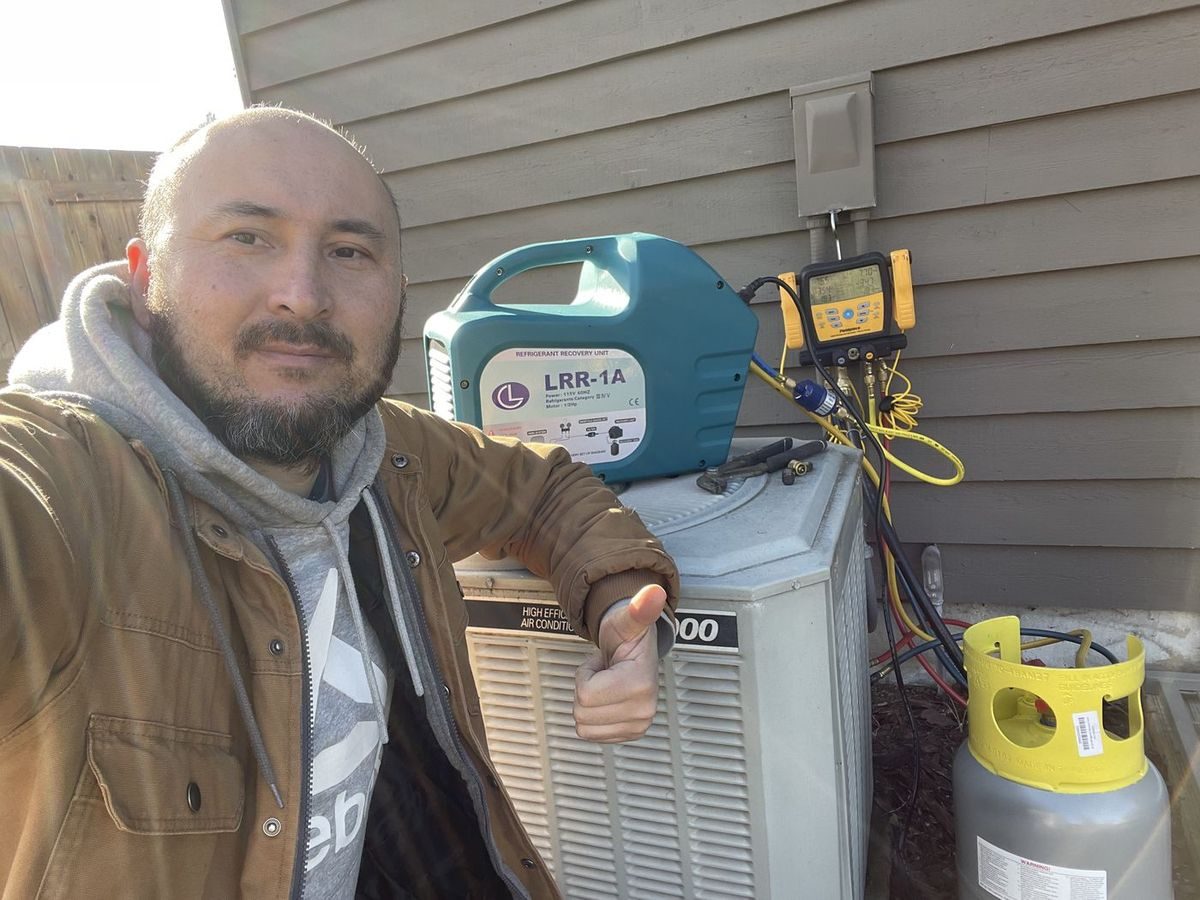
No. 3
Cooling was an afterthought in many South Sound homes until the 2021 heat dome. When a newer system lags on a hot day, airflow, the capacitor and the charge come first.
Go to the service page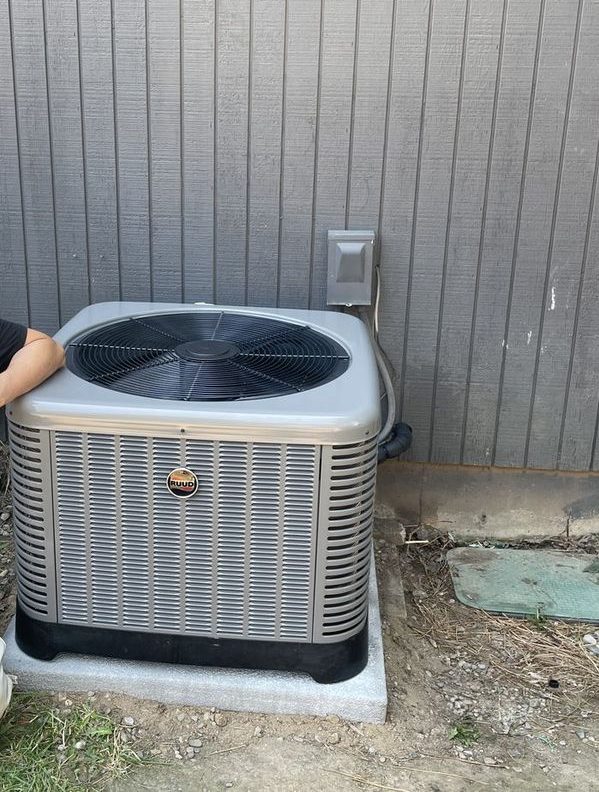
No. 4
A new system starts with a load calculation and a dry, level pad. Prairie gravel drains fast; in low clay corners we set the unit higher.
Go to the service page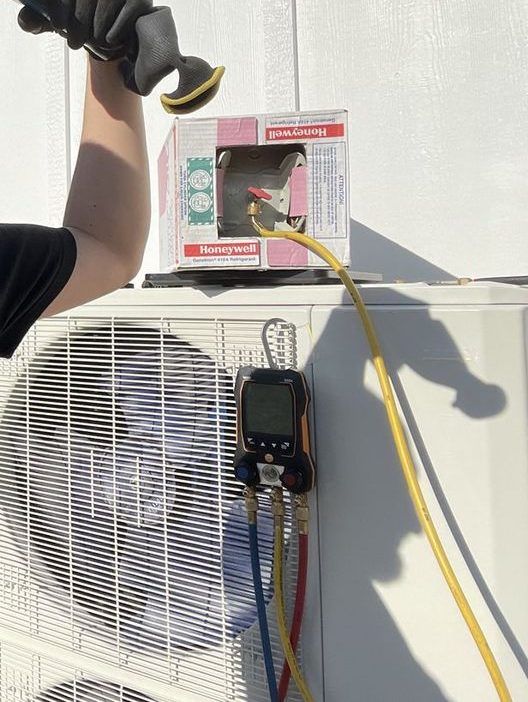
No. 5
Ductless heads suit older Olympia houses with no space for ducts. The line set runs outside, so its insulation and the condensate drain get a close look.
Go to the service page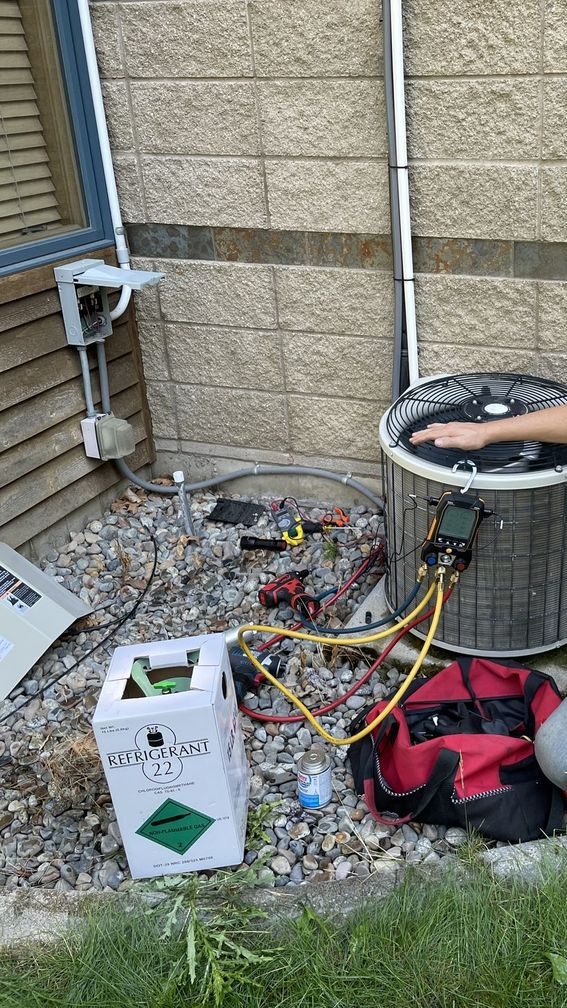
No. 6
Spring and fall visits clear needles and moss from the coil, open the drain holes in the base and test the defrost cycle before the long gray season.
Go to the service page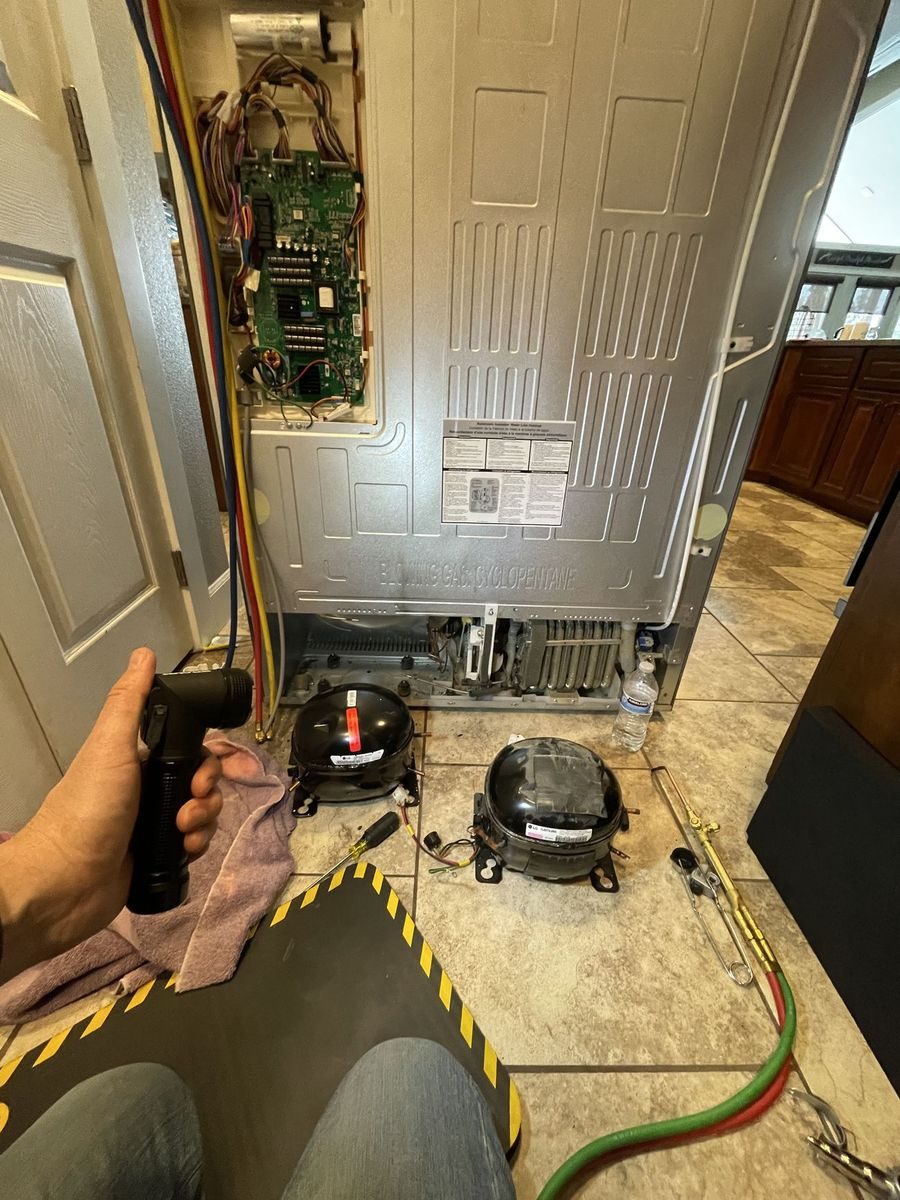
No. 7
Warm shelves usually come from frost on the coil, a fan that has stopped or a failed defrost part. Sealed-system repairs happen at home, by technicians holding EPA 608 Universal credentials.
Go to the service page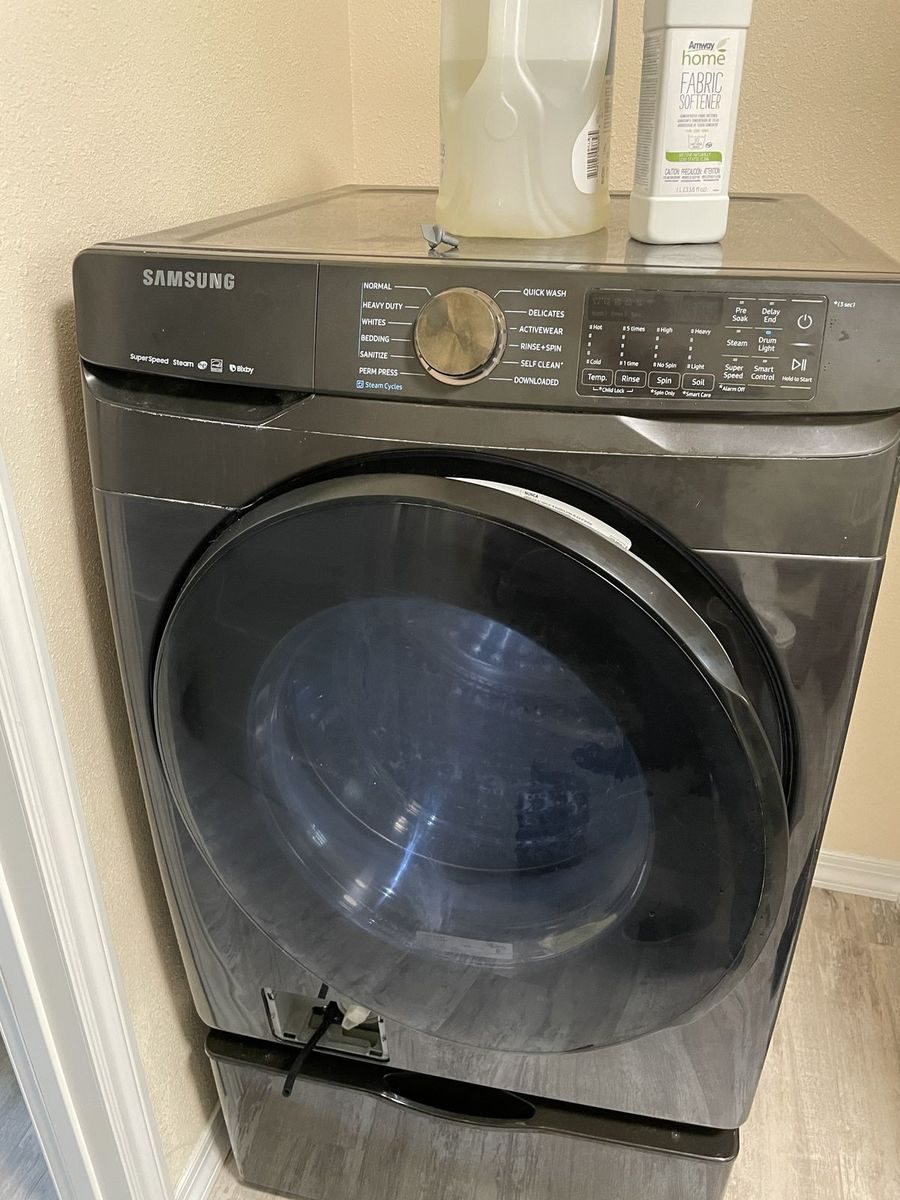
No. 8
Rural wells around Yelm and Rochester carry sediment that clogs inlet screens. A slow fill or a musty front-loader boot is where most washer visits start.
Go to the service page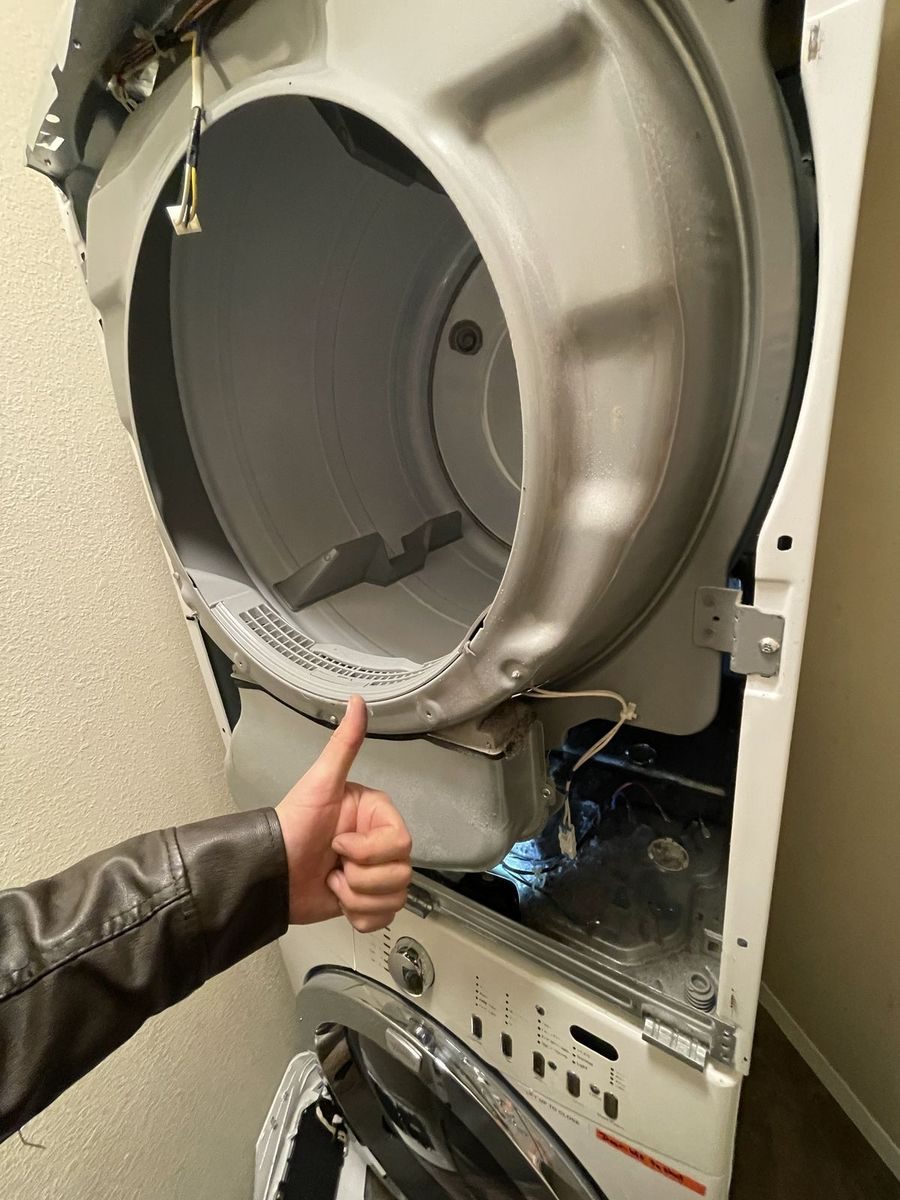
No. 9
Damp air and long vent runs make lint pile up fast in South Sound laundry rooms. The vent is tested together with the element or burner and the thermal fuse.
Go to the service page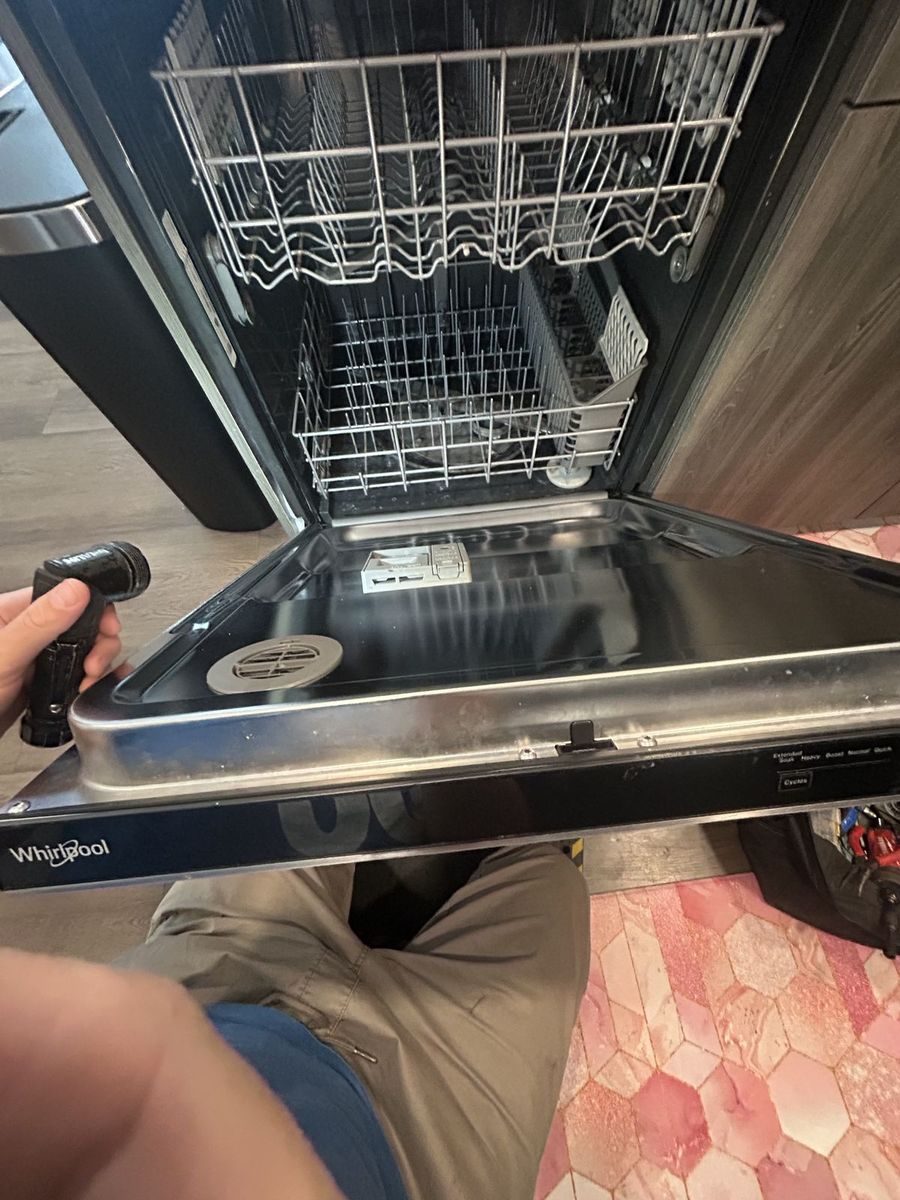
No. 10
Cloudy glasses and a tub that will not drain point to the filter, the drain pump or a hose without its loop under the counter. Each gets checked in order.
Go to the service page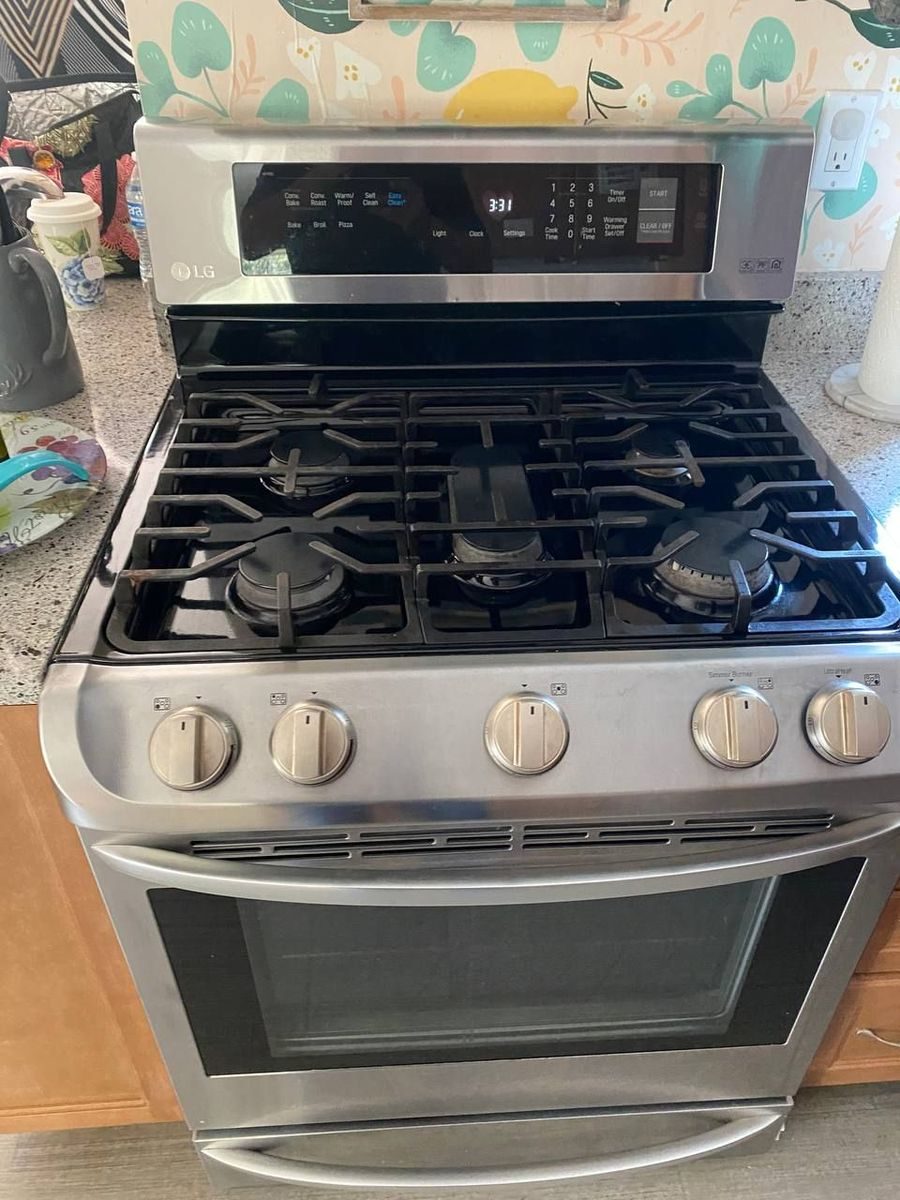
No. 11
Bake and broil elements, igniters and the oven sensor are metered before any part is ordered, on gas, electric and induction models alike.
Go to the service page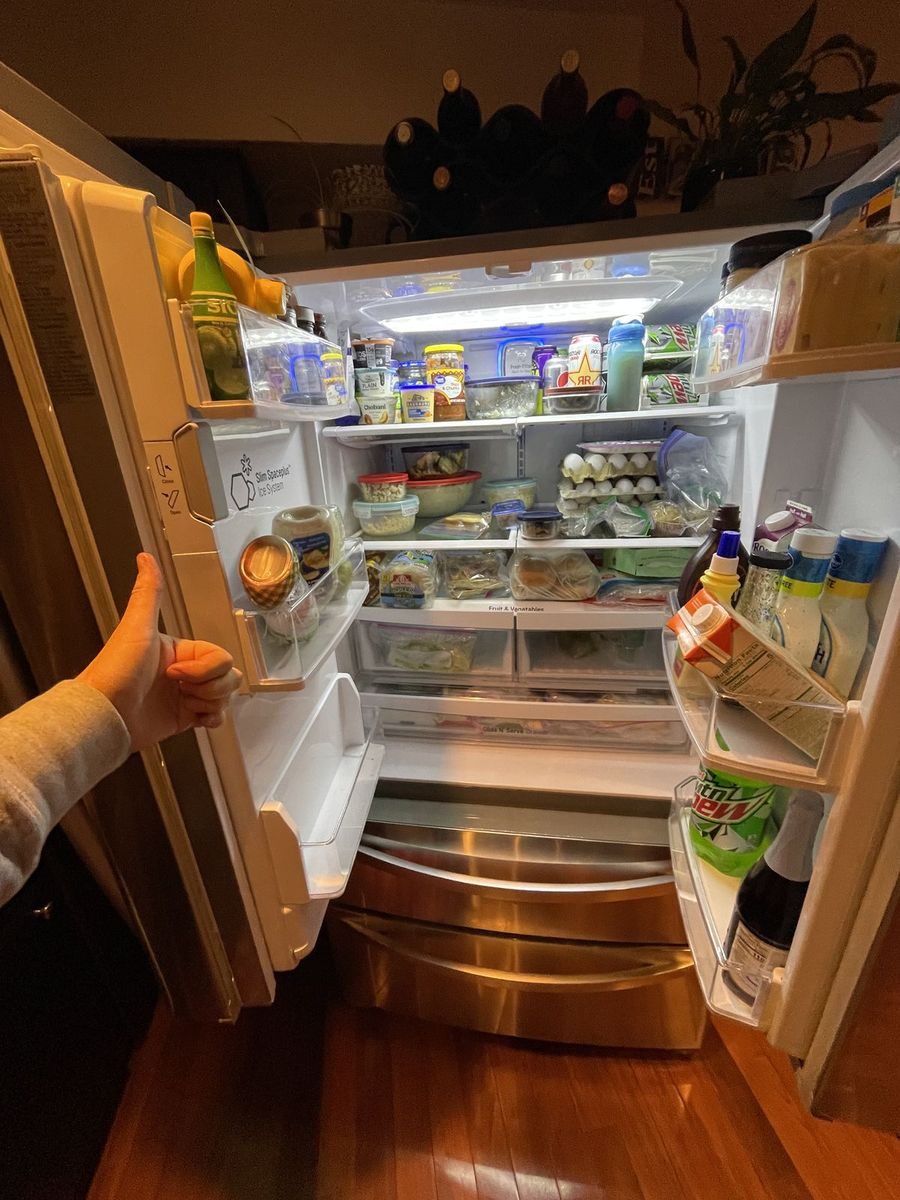
No. 12
When the ice stops after a power outage, the fill tube has often frozen. We check the water valve, the filter and the tube before blaming the ice maker.
Go to the service pageOutages are hard on furnace electronics. Snow, freezing rain and windstorms cut power across Thurston County every so often, as with the December 2022 freezing rain and the February 2024 snow. A gas furnace still depends on household current to run its board, inducer, igniter and blower, so it sits dark until the lines are fixed. The risky moment is when power comes back: a spike, or a run of brownouts and flickers, can blow the low-voltage fuse on the board, cook the transformer, or leave the board confused. When the lights return, set the thermostat to Off, give the power a few minutes to settle, then switch heat back on.
Where a furnace sits shapes how it fails. In older Olympia neighborhoods such as South Capitol, Bigelow and the Upper Eastside, and in mid-century Lacey homes around Tanglewilde, furnaces and ducts often share a crawlspace whose damp air rusts burners, corrodes board terminals and invites rodents. Garage furnaces breathe cold air, and their condensate lines can freeze in an arctic outbreak and trip the pressure switch. Hall-closet units, common in manufactured homes such as those on Rochester acreage, are often electric and get starved for return air when the louvered door is blocked.
In most cases fixing it makes more sense, because the parts that wear out, igniters, flame sensors, pressure switches, inducers, limits, capacitors and sequencers, are replaceable individually. The picture changes when a gas furnace's heat exchanger is cracked or rusted through, which is a safety matter, when a crawlspace furnace has corroded past reliable repair, or when an older unit keeps eating boards and inducers. It also changes if you want cooling: replacing a tired furnace while adding a heat pump can make sense in a house that never had central air. When replacement is on the table, you get both in writing: the repair price, and a quote for new equipment with installation folded into one figure. You decide.
Once is fine. Switching power off at the furnace for a minute and back on clears a lockout; if it then runs, note the LED code. Repeated resets are a bad idea, especially when the code points to a rollout switch or limit, because those trip when flame or heat is going where it shouldn't. If it locks out again, book a visit.
Look first at the breaker and the furnace service switch, since outages sometimes trip them, then set the thermostat to Off and back to Heat, because many thermostats lose settings when power drops. If the furnace still won't start and the board's light is dark, a low-voltage fuse or transformer may have died in the surge; both get tested and priced before anything is replaced.
No. Our furnace work covers gas and electric furnaces, plus the air handlers that pair with heat pumps. We do not service oil furnaces or oil tanks, and tank removal is outside our work. If you heat with oil and want a change, we can quote a heat pump system, with equipment and installation stated as a single figure.
It is a thin metal rod sitting in the burner flame. The board passes a tiny current through the flame, and if it reads enough microamps it keeps the gas valve open. Over time the rod collects oxide and dust, the signal drops, and the furnace lights and then quits within seconds, a process damp crawlspace air speeds up.
Furnaces rated around 90% efficiency or higher pull water out of their exhaust, and that water leaves through a trap and hoses to a floor drain or condensate pump. When algae clogs the trap, a hose cracks or the pump quits, water spills or backs into the pressure switch and shuts the furnace down. In a cold garage or crawlspace the line can also freeze.
Yes. A working carbon monoxide alarm on each floor, including near bedrooms, is the simplest protection against a cracked heat exchanger or blocked vent. If it goes off, move everyone outdoors and dial 911 from there. During a furnace visit, our technician looks at the venting, the flame pattern and whatever part of the heat exchanger can be seen, and points out anything that needs attention.
Ready when you are
Lock in a date and an arrival slot through the website, or call whenever the phones are open, 8 AM through 7 PM daily. A confirming call comes back from the office, and your technician rings once on the road.
Online booking
Tell us what is acting up and when suits you. A coordinator phones to confirm the slot, and your technician calls again when heading your way.
These registrations are open to anyone. Look the numbers up on L&I Verify, and see our licenses page for what each one covers.
Read what each license allows