No. 1
Dishwasher repair
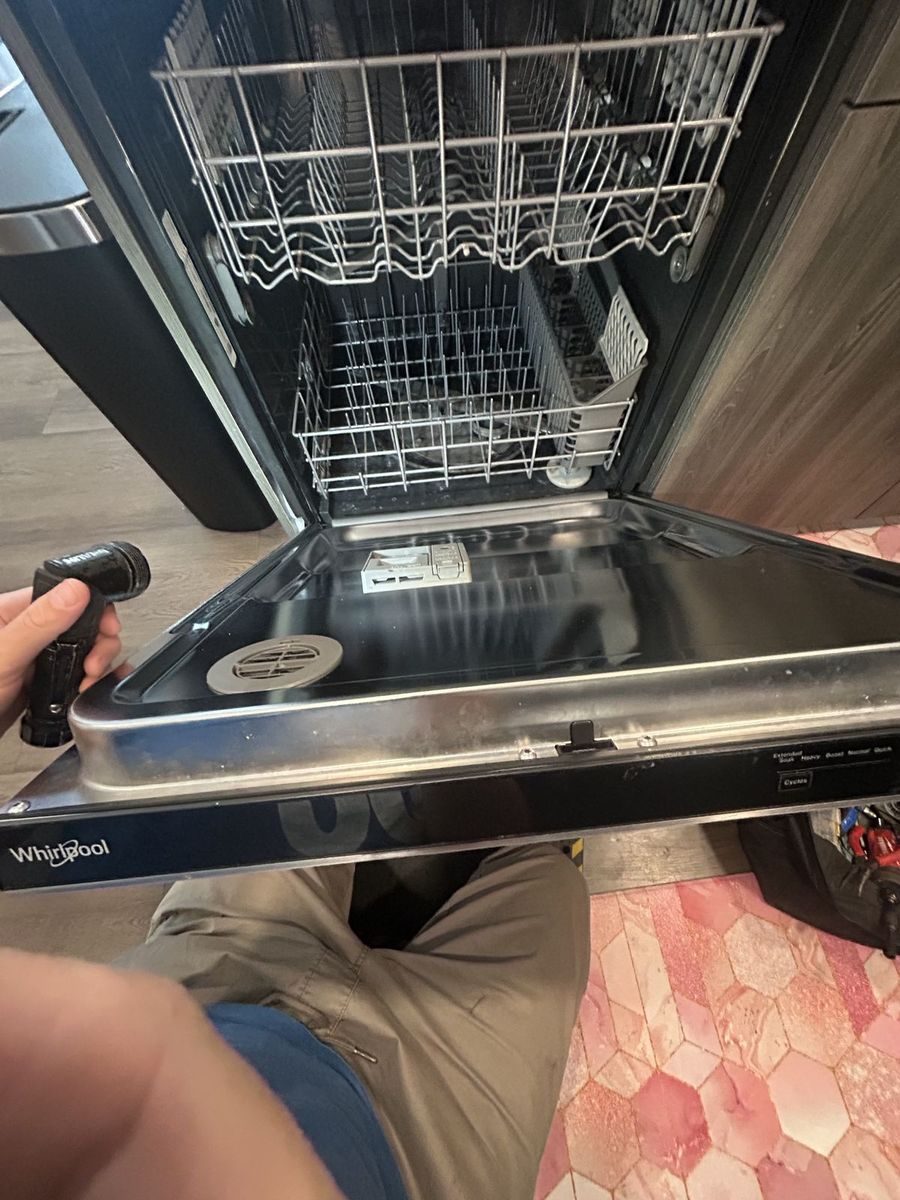
Cloudy glasses and a tub that will not drain point to the filter, the drain pump or a hose without its loop under the counter. Each gets checked in order.
Go to the service pageAppliance repair under our 07D specialty
Every load runs the same short routine: fill, wash, heat, drain, dry. When one step falls away, you notice it as a pool in the sump, a cycle that drags on, spotted glassware or a damp floor. Our technicians work out which step failed and which part caused it.
Quick answer
Standing water nearly always comes down to three suspects: a packed filter, a stalled drain pump, or the small check valve beside it. A tub that never fills turns attention to the inlet valve and float. White film tracks your well water's mineral load and how hot the wash runs. Our technician meters the likely part and writes out a price, and nothing gets swapped until you approve.
Almost always because one link in a short chain has quit, and the symptom tends to surface a step after the cause. At the start of a load, the control board opens the inlet valve for a timed fill, and a float switch near the front of the tub cuts that fill off if the level climbs too high. The wash motor then forces water out of the spray arm nozzles as a heating element brings the temperature up; many Bosch machines tuck that heater into the pump assembly rather than laying a coil on the tub floor. Last comes the drain pump, lifting gray water up the hose, past a one-way check valve, and away under the sink. So a matted filter starves the spray arms, a scaled heater stretches the cycle, and a tired pump leaves a pool behind.
Our Washington electrical contractor license carries the 07D Appliance Repair specialty, and that is the license behind our dishwasher repairs, whether the machine is a Maytag, a Bosch, an LG, a GE, a Samsung, a KitchenAid, a Whirlpool, a Frigidaire, an Electrolux or a Kenmore. That work covers the machine, from its inlet valve to the end of its drain hose. The shutoff under the sink, the supply line feeding it and the sink drain belong to the house. When a fault lives there instead, you get a look at it and a note on the invoice, and a plumber takes over from that point.
After hearing what you noticed, the technician pulls the toe kick and shines a light underneath, hunting for drips, crusted mineral trails and pinched hoses before pressing Start. Nearly every current model hides a service routine that fires each load by itself, which lets us run the drain pump alone, then the inlet valve, then the wash motor and heater, instead of sitting through a full wash. Meter readings tell the story: an open pump winding, a valve coil that never sees voltage, latch switches that stay open with the door shut, a heater loop or thermal fuse that has broken. Supply voltage gets checked at the dishwasher's own terminal block. You see those numbers along with a written repair price, and the screwdriver stays in the bag until you agree.
Some of the parts dishwashers go through fastest travel with us: drain pumps, inlet valves, door switches, thermal fuses. That means a common fault may not need a return trip. Boards and model-specific pump assemblies usually get ordered, and that part shows on the quote, priced, before we order it. The diagnostic charge works like this. The office names the amount at scheduling. Approve the repair, and that charge is absorbed into its total. Decline it, and you owe that charge and nothing else. The invoice carries our warranty, written out.
Lacey's tap water comes entirely from groundwater, drawn by 20 production wells from three aquifers, and the city's 2026 water quality report puts hardness between 32 and 120 mg/L depending on the source. That runs from soft to moderately hard, or roughly 2 to 7 grains per gallon, which is why a neighbor's detergent routine may leave your glasses clouded. Some Lacey sources also carry iron and manganese, which over time can leave a rusty or grayish cast on tub walls and rack tines. Olympia leans on the McAllister Wellfield from September through May, with city wells on the east and west sides adding supply in spring and summer, and Tumwater runs on city wells. Out in Rochester, Tenino, Rainier and the Yelm outskirts, private and small community wells push sediment and iron into the inlet valve screen much sooner.
Housing adds its own pattern. Builder-grade dishwashers in Hawks Prairie subdivisions have reached the age when pumps, latches and door gaskets wear out. In mid-century Lacey neighborhoods such as Tanglewilde, and in older Olympia homes around South Capitol and Bigelow, the dishwasher often arrived in a later remodel, and its drain hose may droop behind the cabinet instead of arching up under the counter, so dirty sink water can wander back into the tub between loads. Then there are the storms. When snow, freezing rain or a windstorm knocks out power across Thurston County, a machine caught mid-cycle can sit full of water for hours, and the surge as power returns is hard on its control board.
Each tab carries a photo from our service work and the first checks we make on that job. Choose a tab, or let them change by themselves.
No. 1
Cloudy glasses and a tub that will not drain point to the filter, the drain pump or a hose without its loop under the counter. Each gets checked in order.
Go to the service page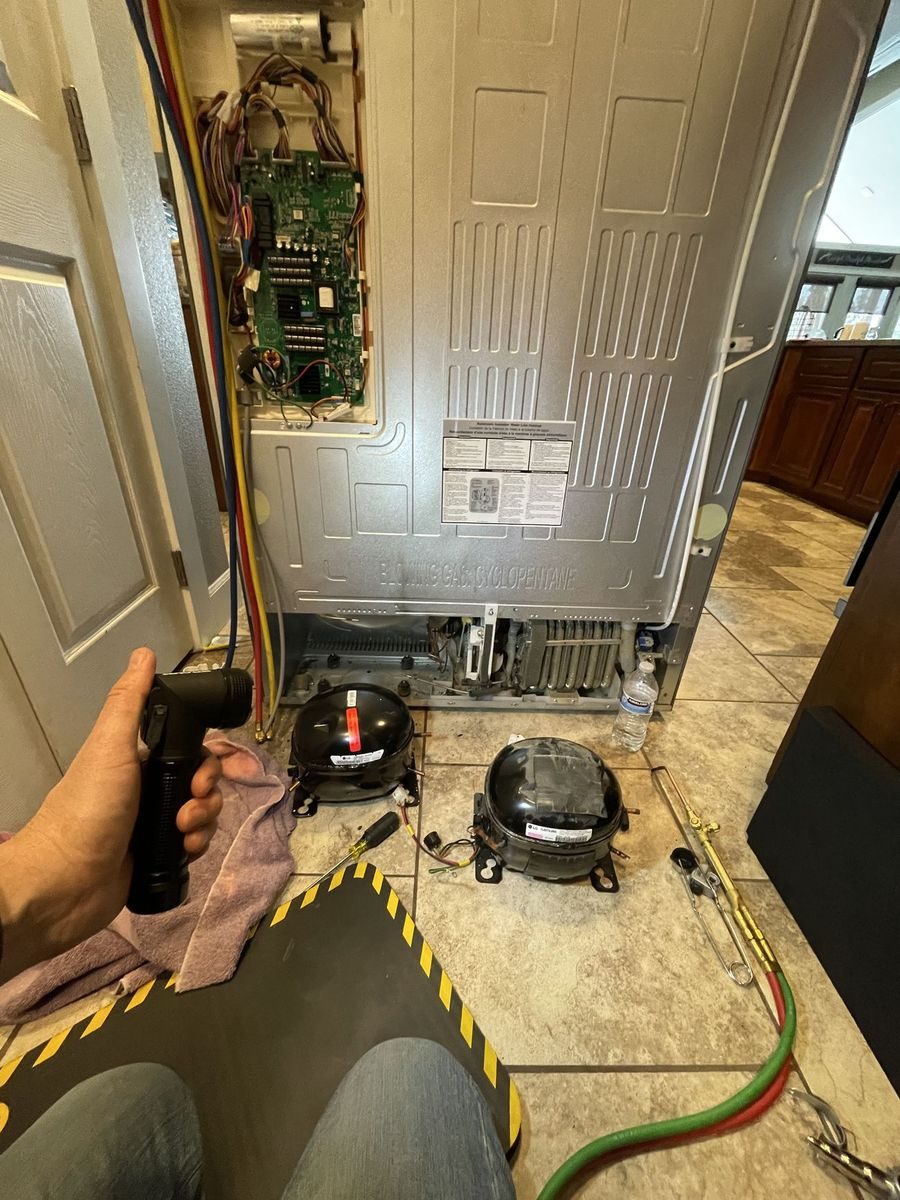
No. 2
Warm shelves usually come from frost on the coil, a fan that has stopped or a failed defrost part. Sealed-system repairs happen at home, by technicians holding EPA 608 Universal credentials.
Go to the service page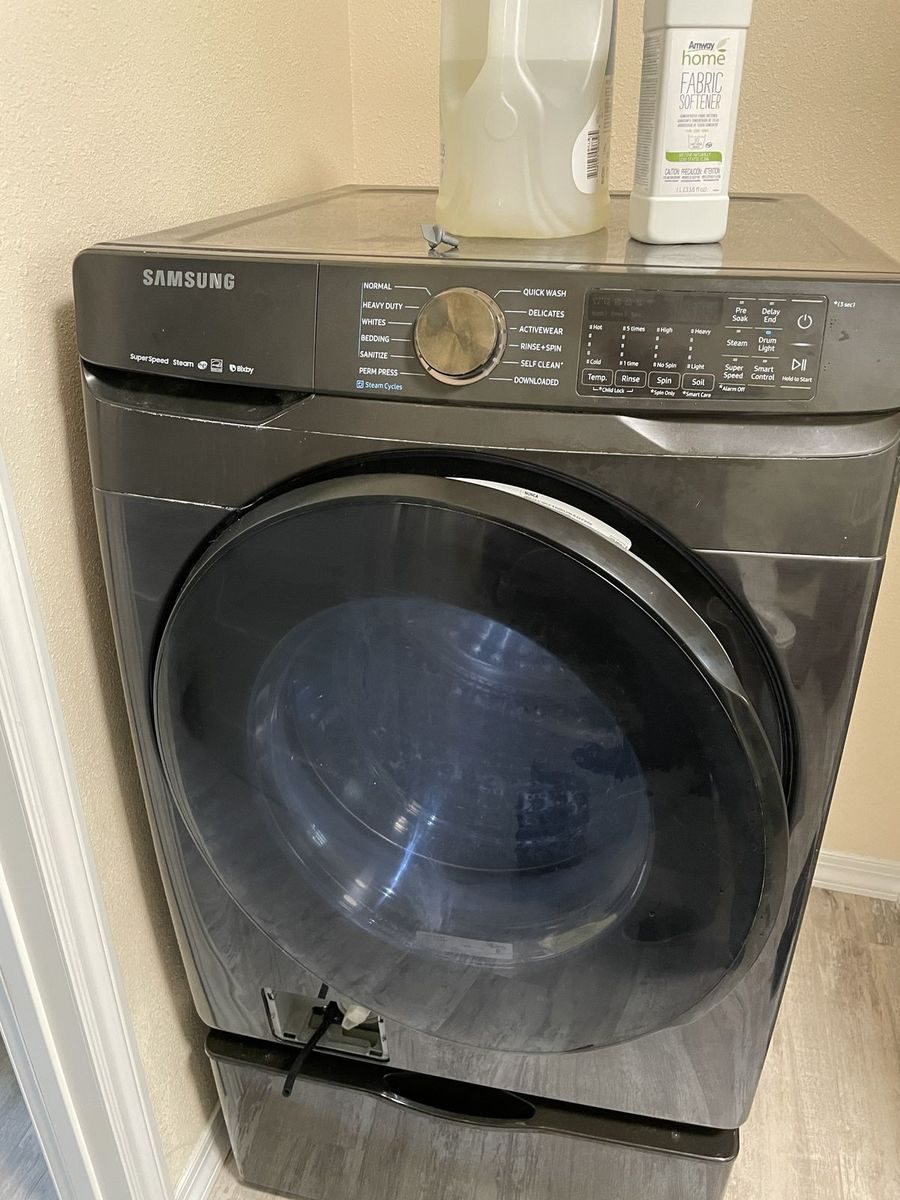
No. 3
Rural wells around Yelm and Rochester carry sediment that clogs inlet screens. A slow fill or a musty front-loader boot is where most washer visits start.
Go to the service page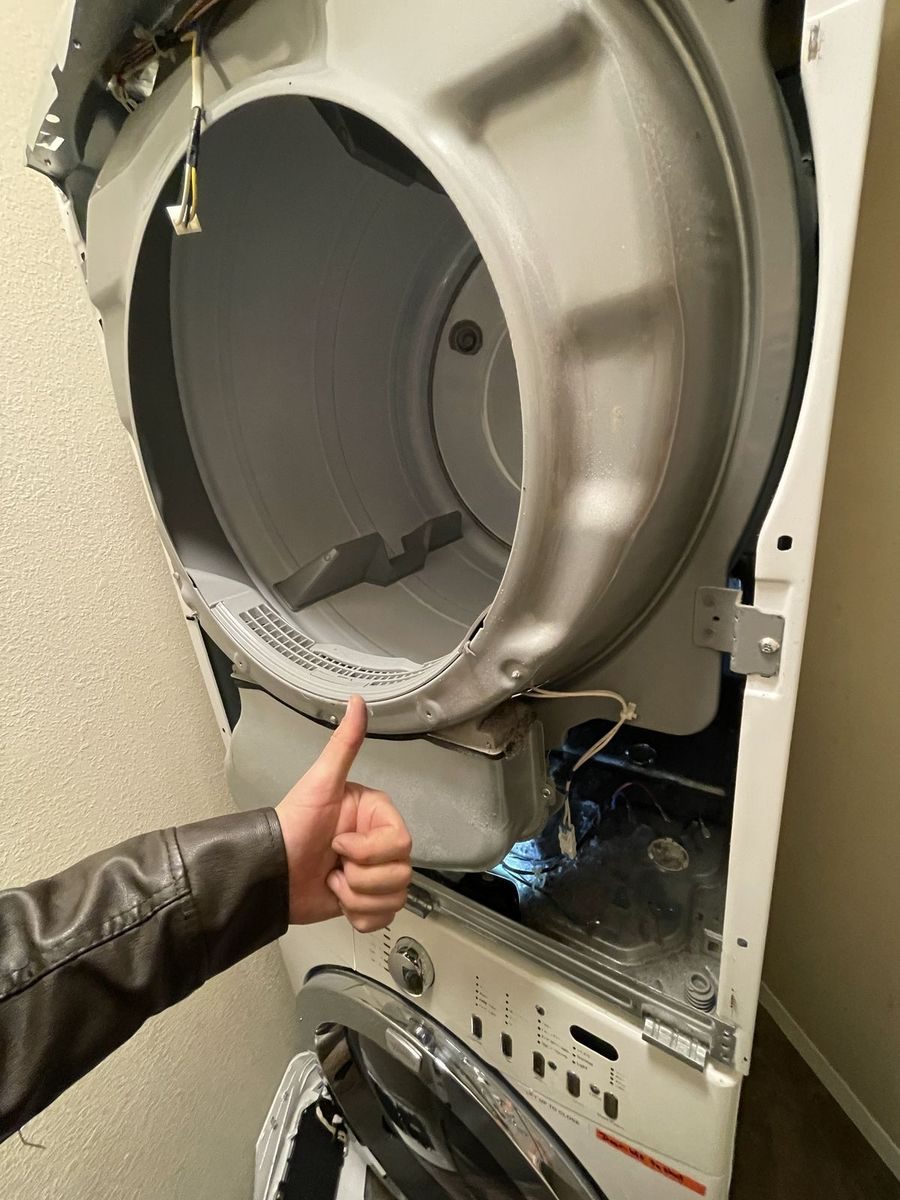
No. 4
Damp air and long vent runs make lint pile up fast in South Sound laundry rooms. The vent is tested together with the element or burner and the thermal fuse.
Go to the service page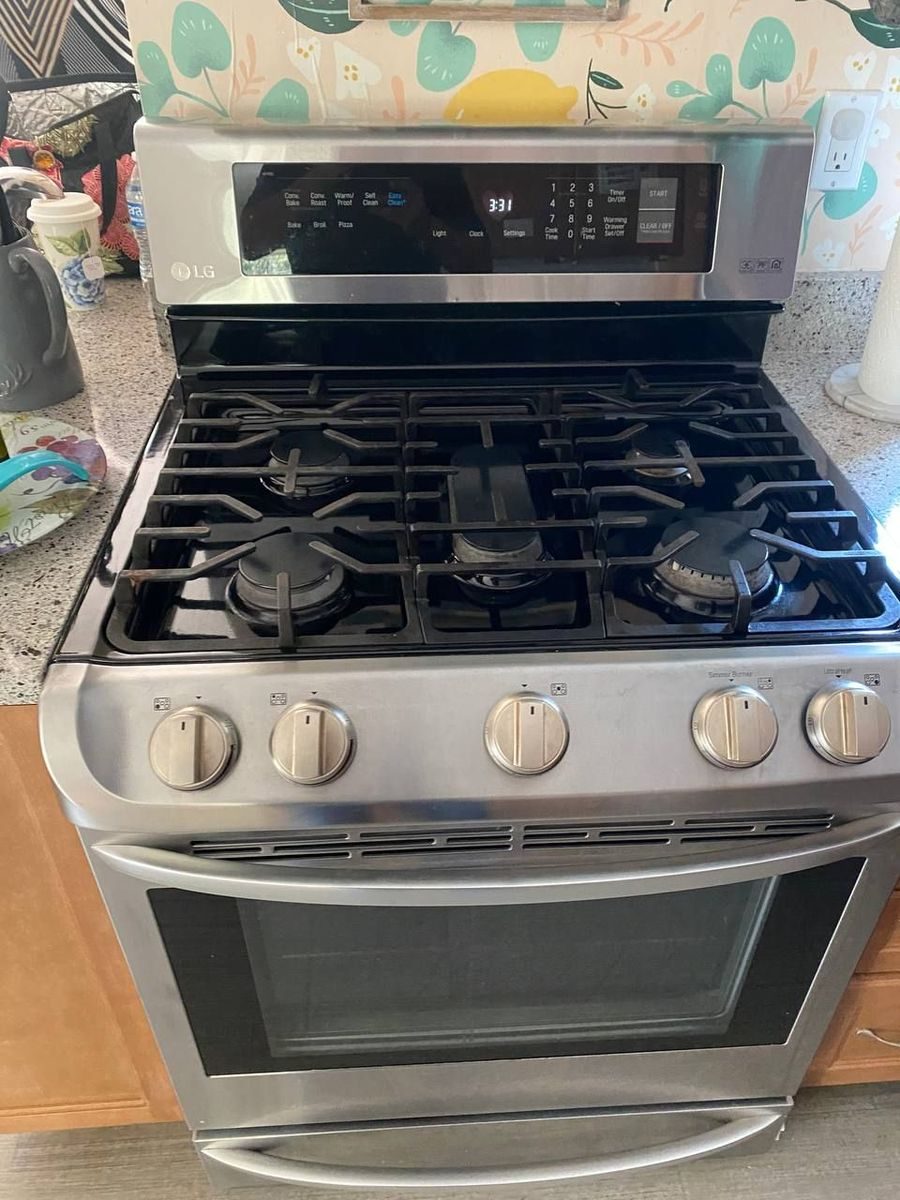
No. 5
Bake and broil elements, igniters and the oven sensor are metered before any part is ordered, on gas, electric and induction models alike.
Go to the service page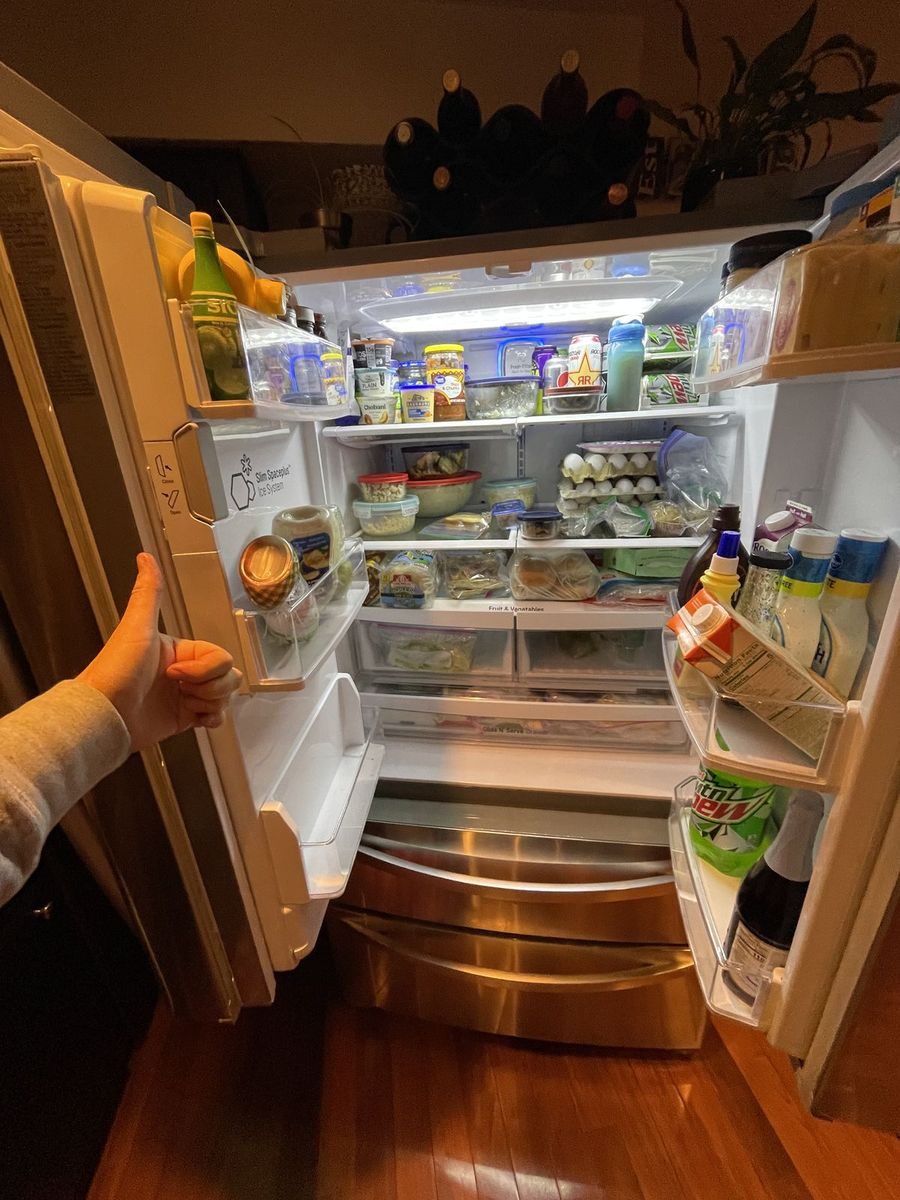
No. 6
When the ice stops after a power outage, the fill tube has often frozen. We check the water valve, the filter and the tube before blaming the ice maker.
Go to the service page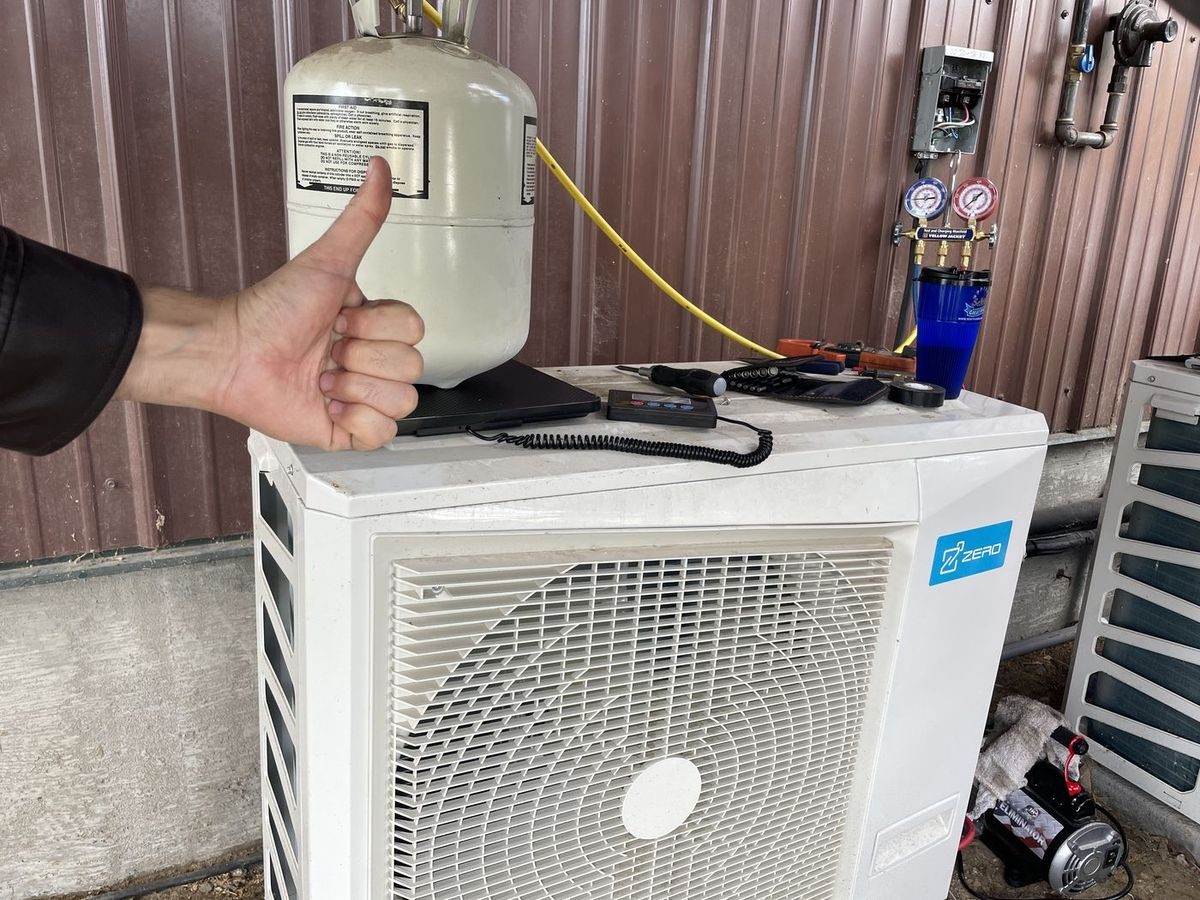
No. 7
Olympia winters stay wet and just above freezing for weeks, so defrost does a lot of work. We read the coil sensor, the defrost board and the charge before anything else.
Go to the service page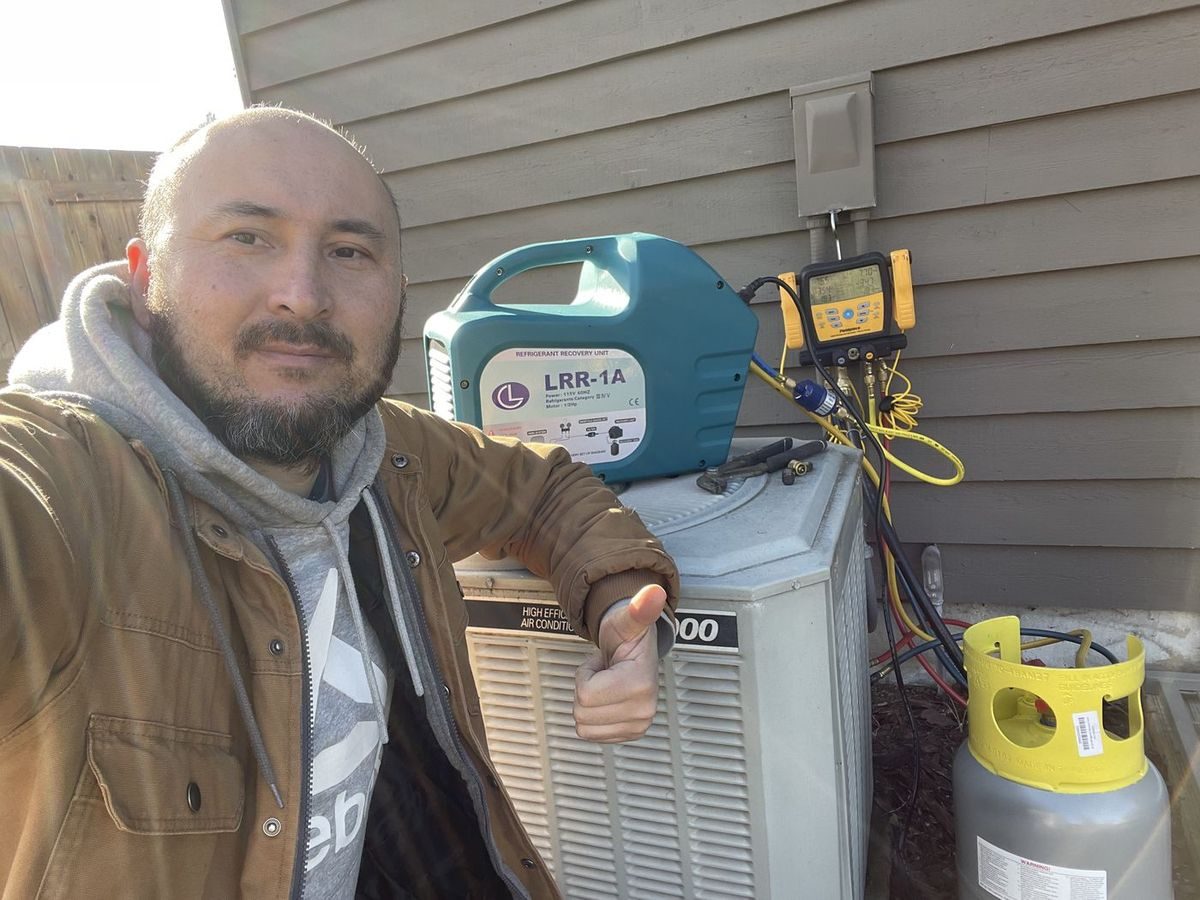
No. 8
Cooling was an afterthought in many South Sound homes until the 2021 heat dome. When a newer system lags on a hot day, airflow, the capacitor and the charge come first.
Go to the service page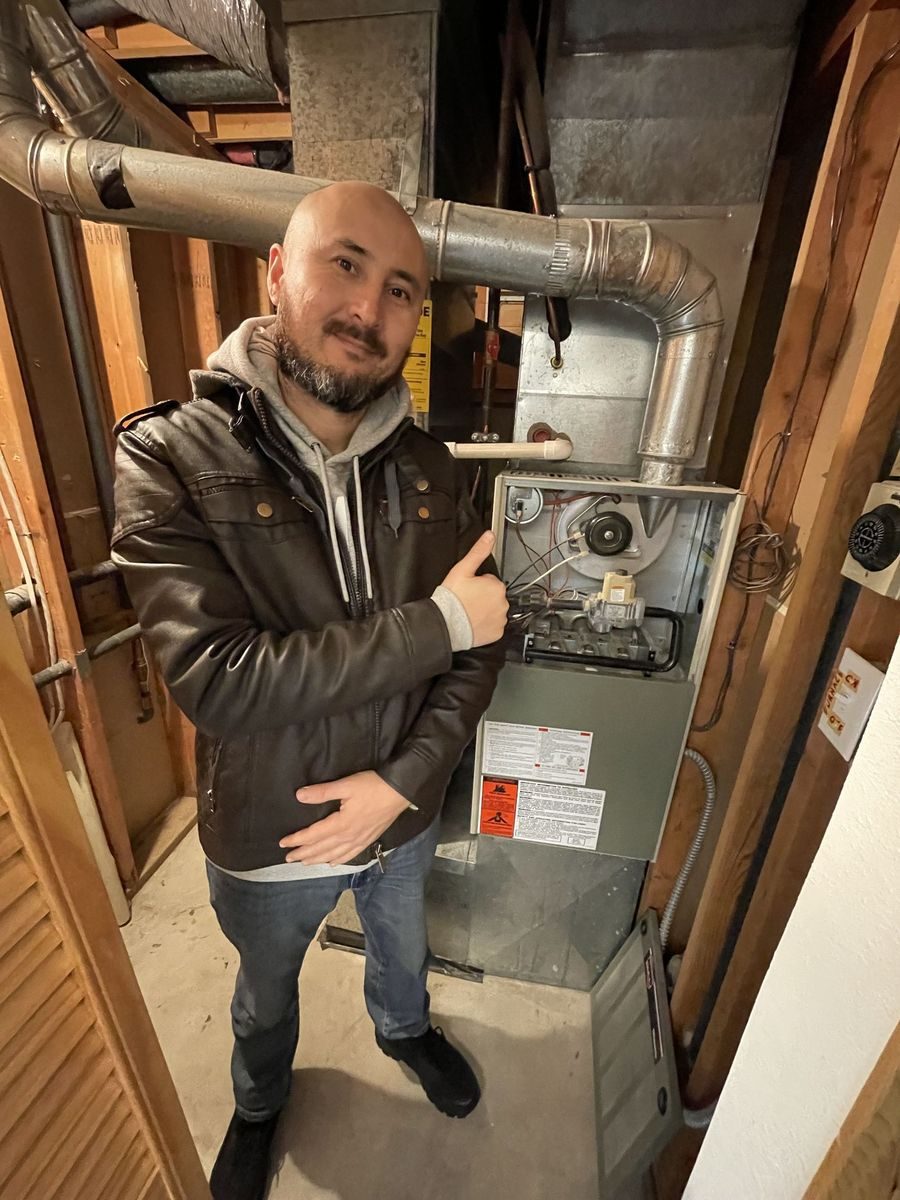
No. 9
Gas or electric, a furnace that quits on a cold morning is traced step by step: thermostat call, inducer, pressure switch, igniter, flame sensor, limit.
Go to the service page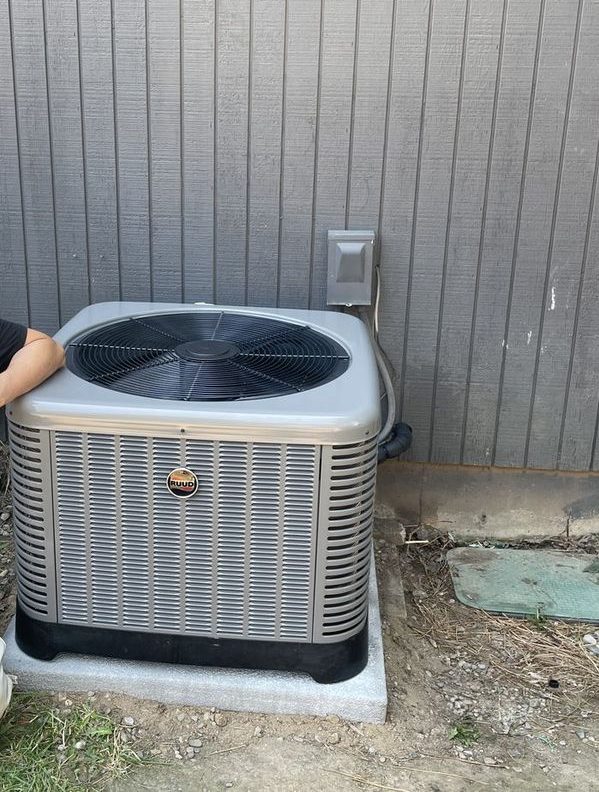
No. 10
A new system starts with a load calculation and a dry, level pad. Prairie gravel drains fast; in low clay corners we set the unit higher.
Go to the service page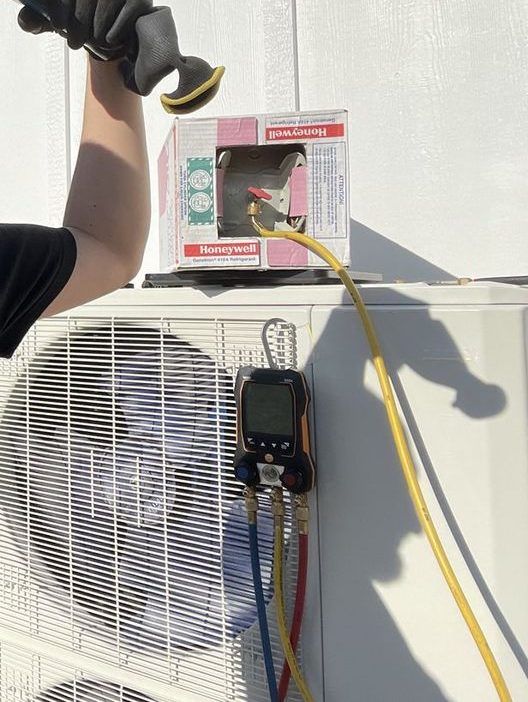
No. 11
Ductless heads suit older Olympia houses with no space for ducts. The line set runs outside, so its insulation and the condensate drain get a close look.
Go to the service page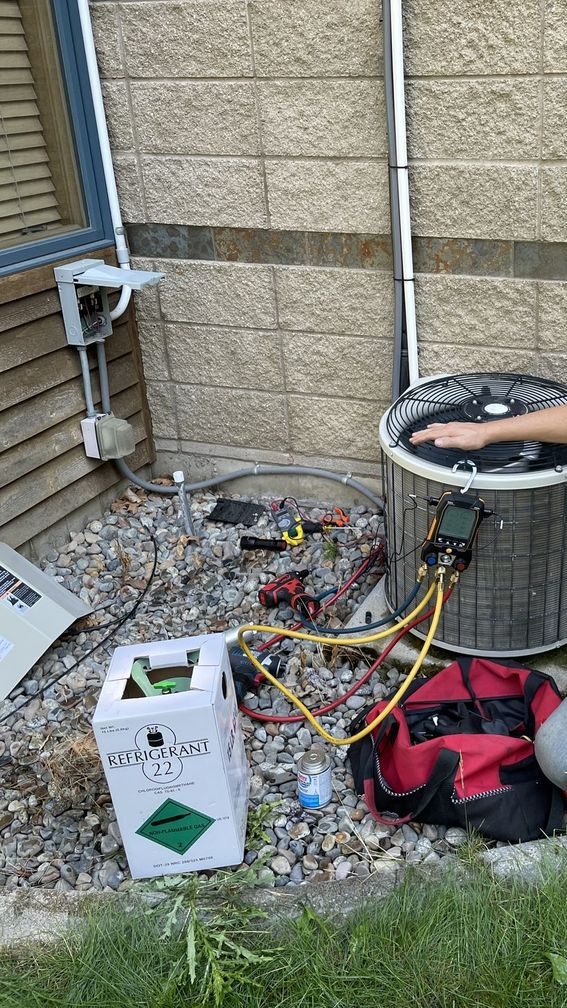
No. 12
Spring and fall visits clear needles and moss from the coil, open the drain holes in the base and test the defrost cycle before the long gray season.
Go to the service pageFixing it is usually sensible while the tub, racks and door are solid and only one component has given out. Replacing a pump, valve, float, latch or gasket keeps the existing machine in its cabinet, so the countertop and trim around it stay undisturbed. A new dishwasher deserves consideration once rust has perforated the tub, the inner door has split, the rack vinyl has peeled down to bare rusting wire, or the board and the wash motor have failed together. Our technician says which case you are in and puts the repair figure on paper, letting you compare it against shopping for a new unit. When you're ready, book the visit online, a date first and then an arrival window, or by phone.
A shallow puddle under the filter is expected on many models, because it keeps the pump seals from drying out. Water above the filter, or spread across the tub, is a different matter. That points toward a matted filter, a pump jammed with debris, a check valve stuck shut, or a hose that sags without rising into a loop under the counter. Rinse the filter, run a cycle, and call if the water returns.
That dome is the air gap. It breaks the line between the sink drain and the dishwasher, so dirty sink water cannot be pulled backward into the tub. Grease and food can clog it, and then water spurts from the vent slots or backs up during the drain. Lift off the cover, pull the inner cap and clean it out. A blockage farther down the sink drain is a job for a plumber, since we work on the dishwasher.
Start with the hardness of your source. Lacey's annual water quality report lists its supply at 32 to 120 mg/L, soft to moderately hard, so the right setting depends on which wells serve your area. If your model has a hardness setting, match it, keep the rinse aid cup full, and run the faucet hot first. Olympia and Tumwater publish their own yearly reports, and a private well needs a home test.
Not necessarily. Turn off its breaker, count to sixty, switch it back on one time, and try a short wash; plenty of controls just need that reboot after the grid comes back. A display that stays blank sends our technician to the terminal block, the latch switches and the thermal fuse before the board, because a surge can open a small fuse and spare the electronics.
Because many newer dishwashers dry by condensation, not by baking the load with a hot element. A very hot final rinse warms glass and china enough to shed water, while plastic holds less heat and stays beaded. Rinse aid helps the water sheet off. If glasses come out dripping too and the cycle also runs long, the heater, high-limit thermostat or thermistor may have failed, and each gets metered on our visit.
Yes, and the source is usually easy to pin down. The usual causes are a torn or shrunken door gasket, a worn strip seal along the bottom of the door, a tub that has tilted out of level, or a squirt of hand dish soap that turned the wash into suds. Our technician removes the toe kick, traces the water trail to its origin, replaces the seal or levels the machine, and dries the base pan.
Ready when you are
Book online with whichever date and arrival window fits, or ring us; someone answers 8 AM to 7 PM daily. The office rings back to lock in the slot, and your technician checks in by phone once en route.
Online booking
Tell us what is acting up and when suits you. A coordinator phones to confirm the slot, and your technician calls again when heading your way.
These registrations are open to anyone. Look the numbers up on L&I Verify, and see our licenses page for what each one covers.
Read what each license allows