No. 1
Ice maker repair
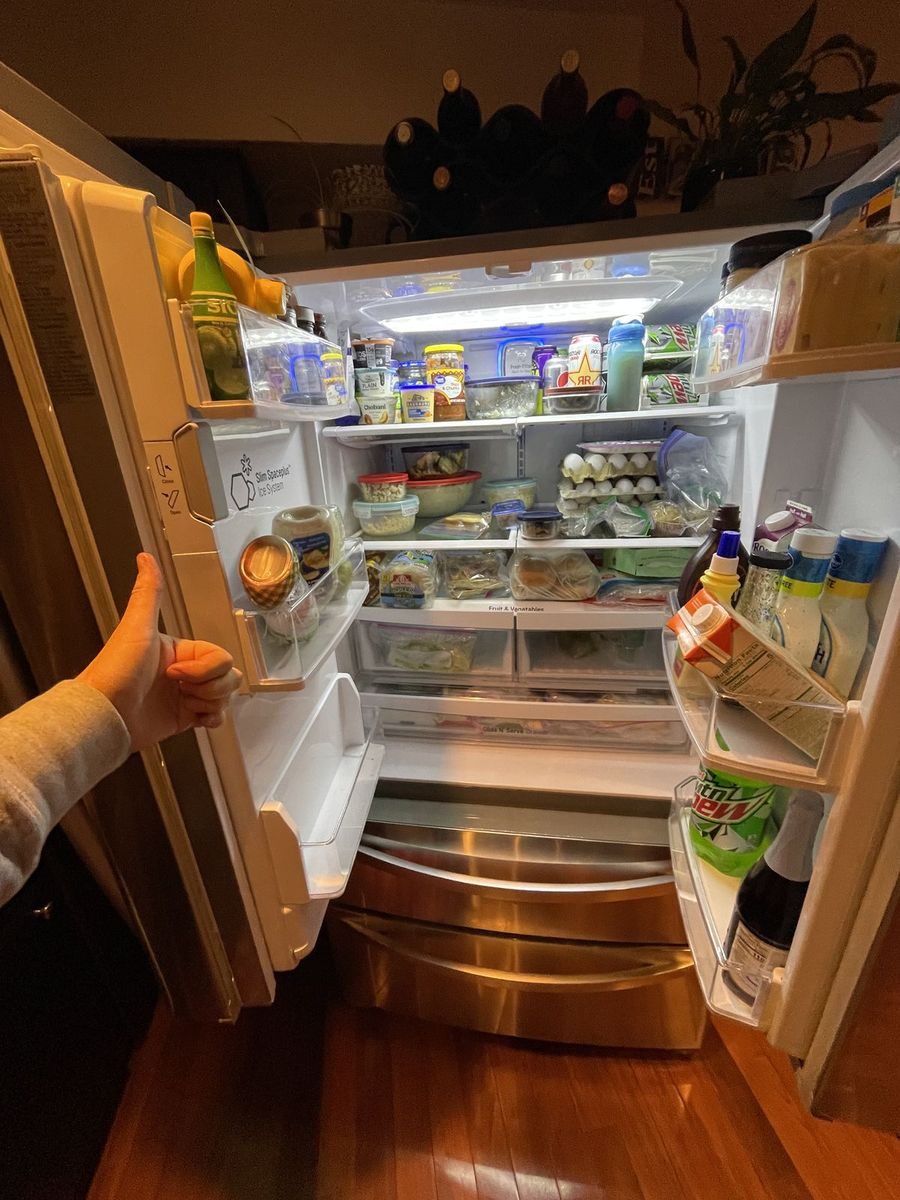
When the ice stops after a power outage, the fill tube has often frozen. We check the water valve, the filter and the tube before blaming the ice maker.
Go to the service page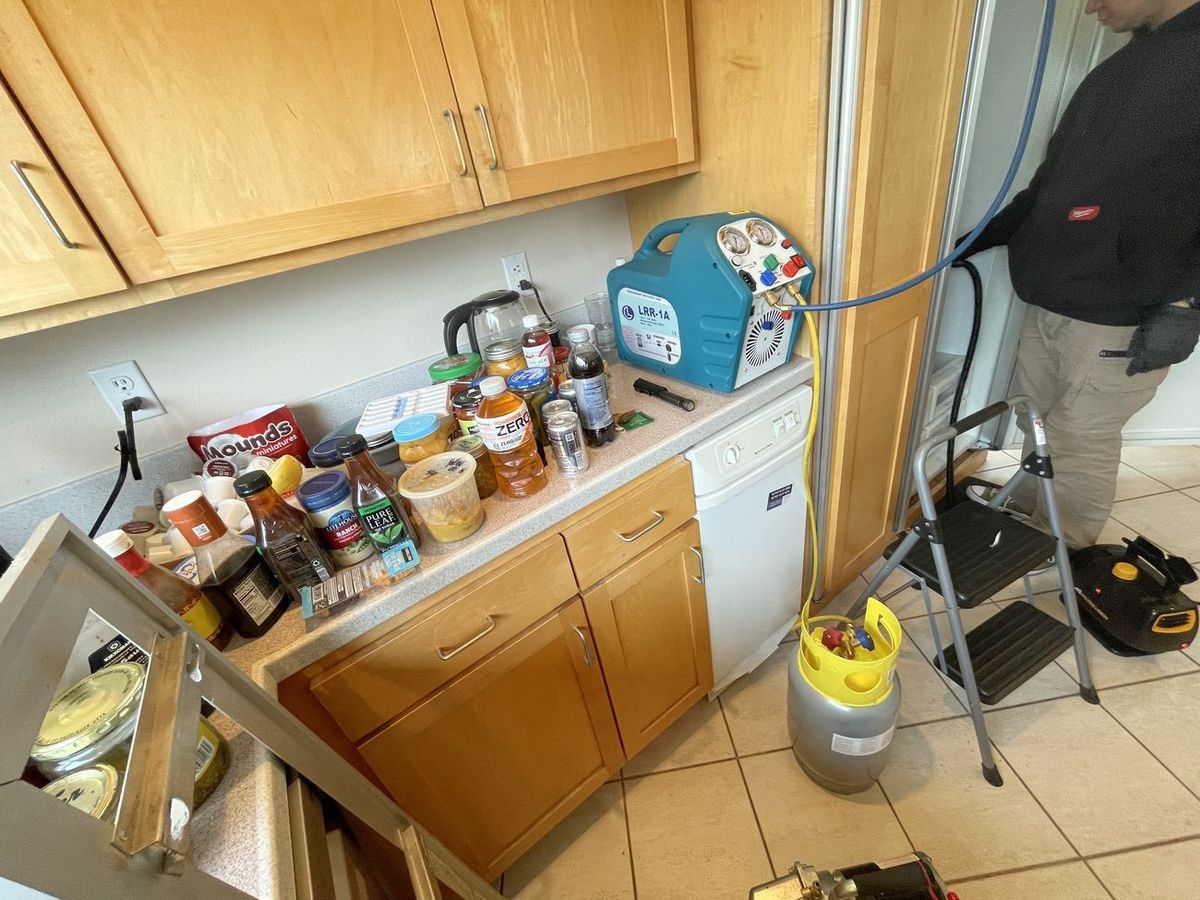
Ice and water dispenser service
An ice maker repeats one small chore all day: take a timed squirt of water, turn it solid, push the cubes into the bin, start over. When the bin sits empty or the cubes turn thin and hollow, the fault almost always hides in the water path, the fill tube or the module.
Quick answer
An empty bin or undersized, hollow cubes usually means the mold is being underfed: a choked filter, an inlet valve fouled by sediment, weak pressure from a well, or an ice plug inside the fill tube. When water does arrive but no cubes drop, look to the module, its thermostat or a freezer running warm. We test each in turn and write a price before touching anything.
Usually the mold is being short-changed on water, or it never gets cold enough to trigger a harvest. Most modules run a loop. A sensor clipped to the mold keeps watch until every cavity is frozen hard; then a small heater warms the aluminum a few degrees so the cubes let go, and a motor drags the ejector fingers around to sweep them into the bin. Close to the end of that turn, a switch energizes the refrigerator's inlet valve for a few seconds. Water travels from the house line through the filter and the valve, then along a short plastic tube that pokes through the freezer wall and spills into the mold. A wire bail, or an optical eye on some models, shuts production down once the bin is full.
Because the ice maker and the door dispenser drink from the same line, a supply problem tends to show up in both. A tired filter or a grit-packed valve screen first shrinks the cubes, then slows the water at the door, then stops the ice. Our 07D Appliance Repair specialty covers ice makers and dispensers in Frigidaire, Bosch, Whirlpool, LG, Maytag, Kenmore, GE, Electrolux and KitchenAid refrigerators. We begin at the valve bolted to the cabinet's rear and work inward; the line in the wall, the shutoff and any saddle valve tapped into a pipe belong to the house.
Freezer temperature and the fill tube come first, because a warm box or an iced-over tube makes every other test meaningless. Next the technician forces a harvest using the test method for your module, watches the ejector arms sweep around, and listens for the valve to click open at the end of the turn. No water? A meter shows whether the valve coil is getting voltage and whether the coil itself is intact. Small cubes? The fill gets caught in a measuring cup and compared with the model's spec, and pressure is checked at the valve. Dispenser complaints have the auger motor, the flap and the door switches tested one at a time.
Inlet valves and the common switches travel in the van with us. A module, auger motor or dispenser part made for one particular model may have to be ordered, and if so it is listed on your quote, priced, before we send for it. The visit carries a diagnostic fee, stated by the office during scheduling. Approving a repair credits that fee toward the job; without a repair, it stands as the only charge. The invoice states our warranty terms.
Each tab carries a photo from our service work and the first checks we make on that job. Choose a tab, or let them change by themselves.
No. 1
When the ice stops after a power outage, the fill tube has often frozen. We check the water valve, the filter and the tube before blaming the ice maker.
Go to the service page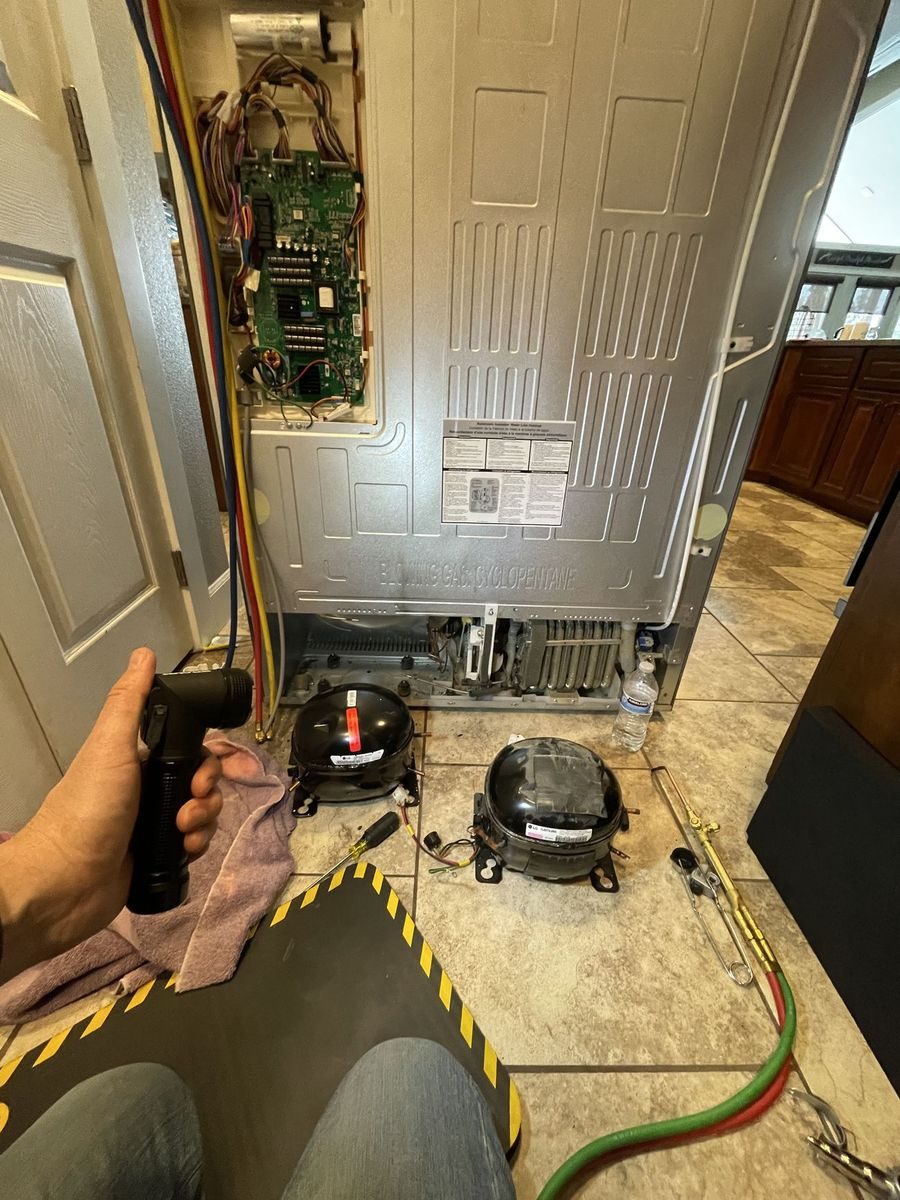
No. 2
Warm shelves usually come from frost on the coil, a fan that has stopped or a failed defrost part. Sealed-system repairs happen at home, by technicians holding EPA 608 Universal credentials.
Go to the service page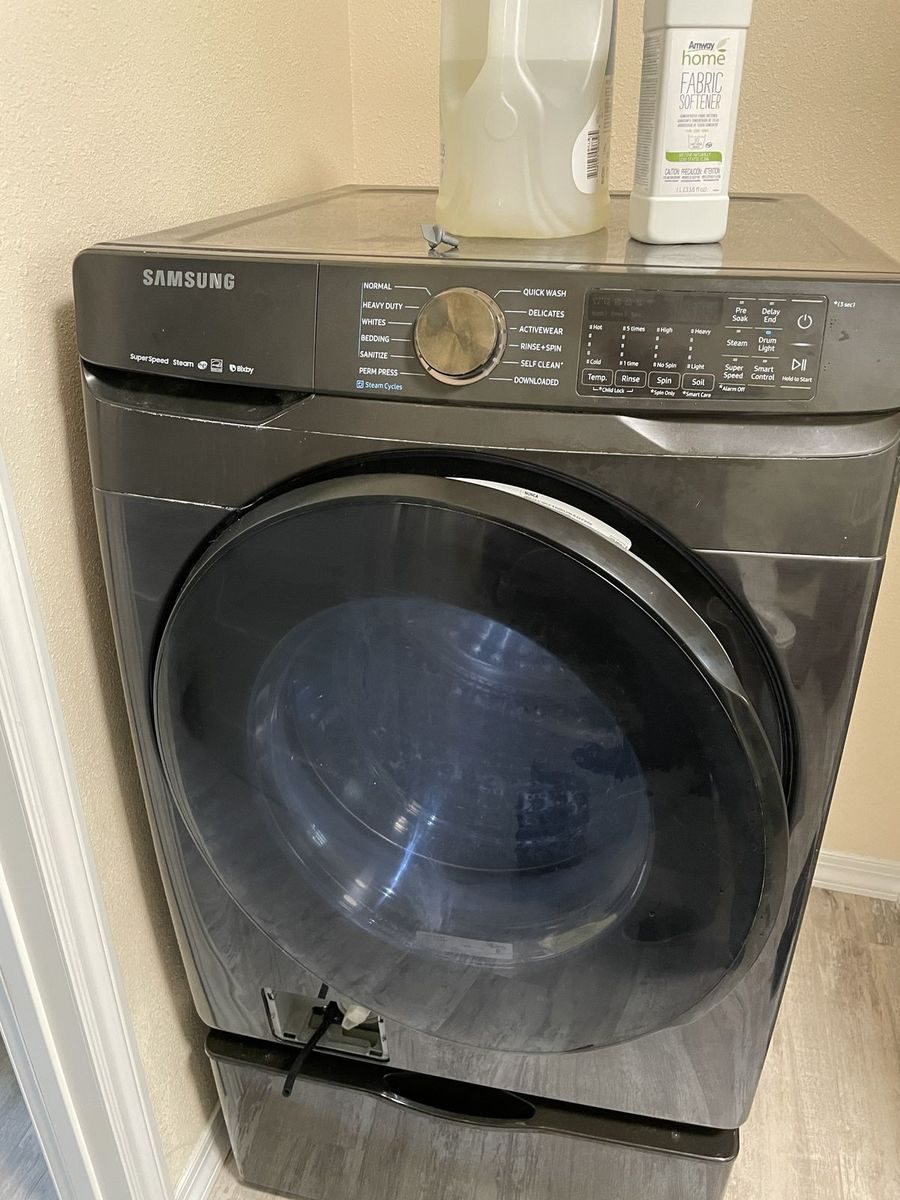
No. 3
Rural wells around Yelm and Rochester carry sediment that clogs inlet screens. A slow fill or a musty front-loader boot is where most washer visits start.
Go to the service page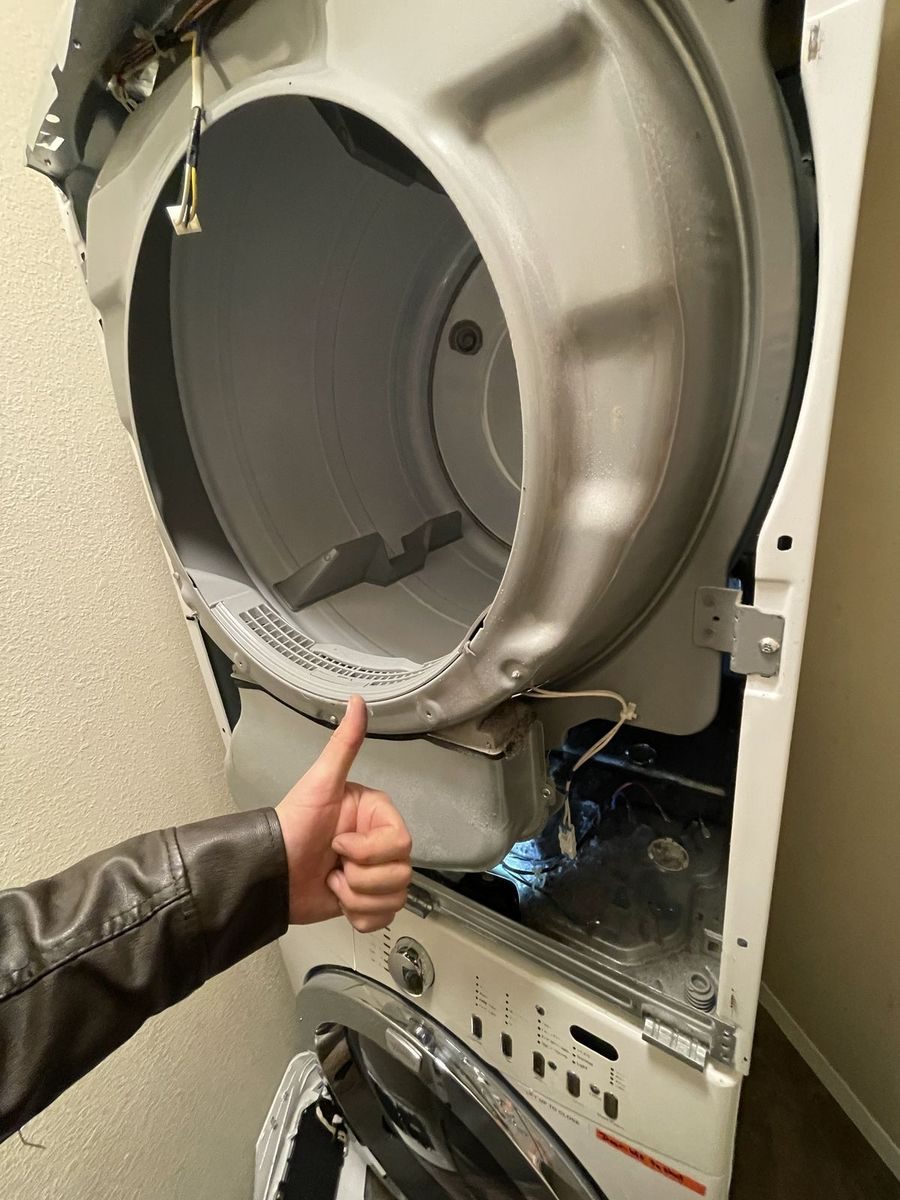
No. 4
Damp air and long vent runs make lint pile up fast in South Sound laundry rooms. The vent is tested together with the element or burner and the thermal fuse.
Go to the service page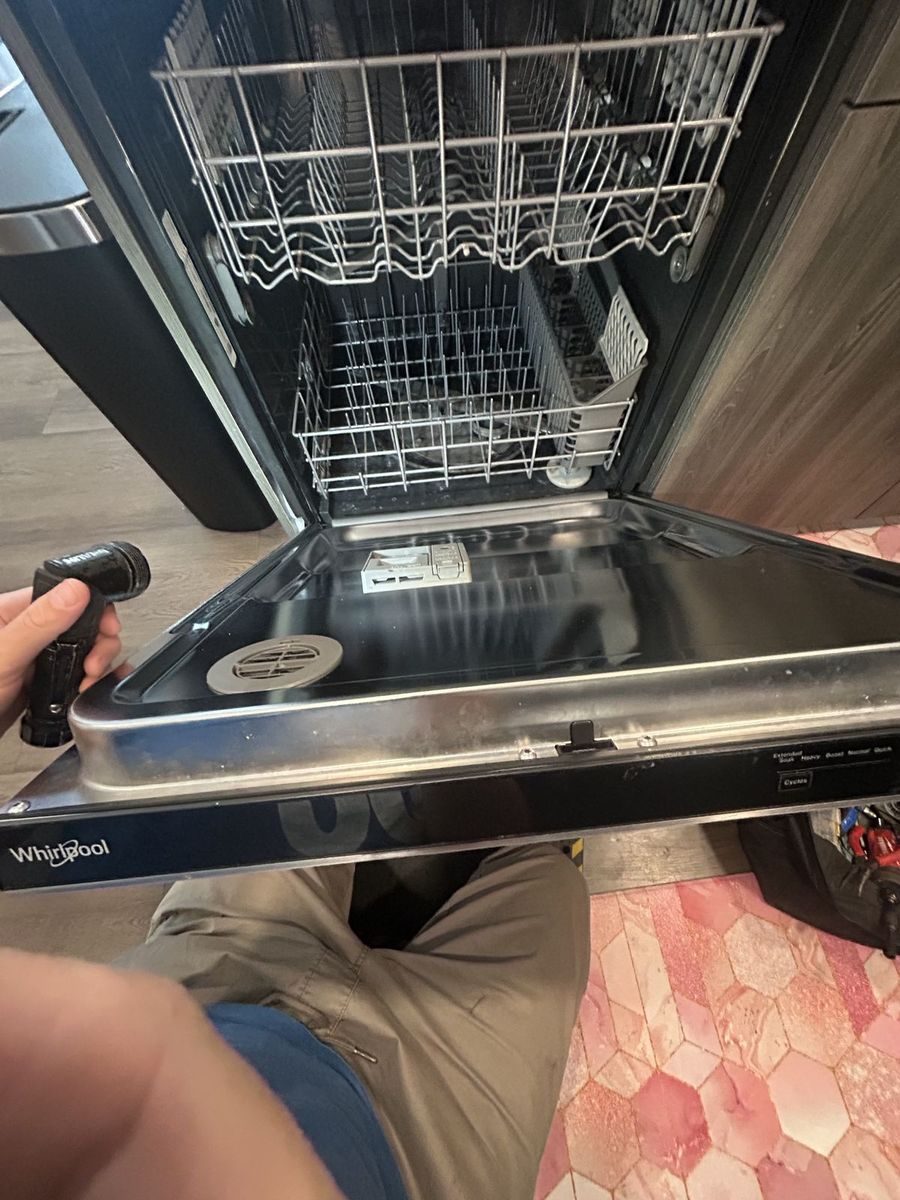
No. 5
Cloudy glasses and a tub that will not drain point to the filter, the drain pump or a hose without its loop under the counter. Each gets checked in order.
Go to the service page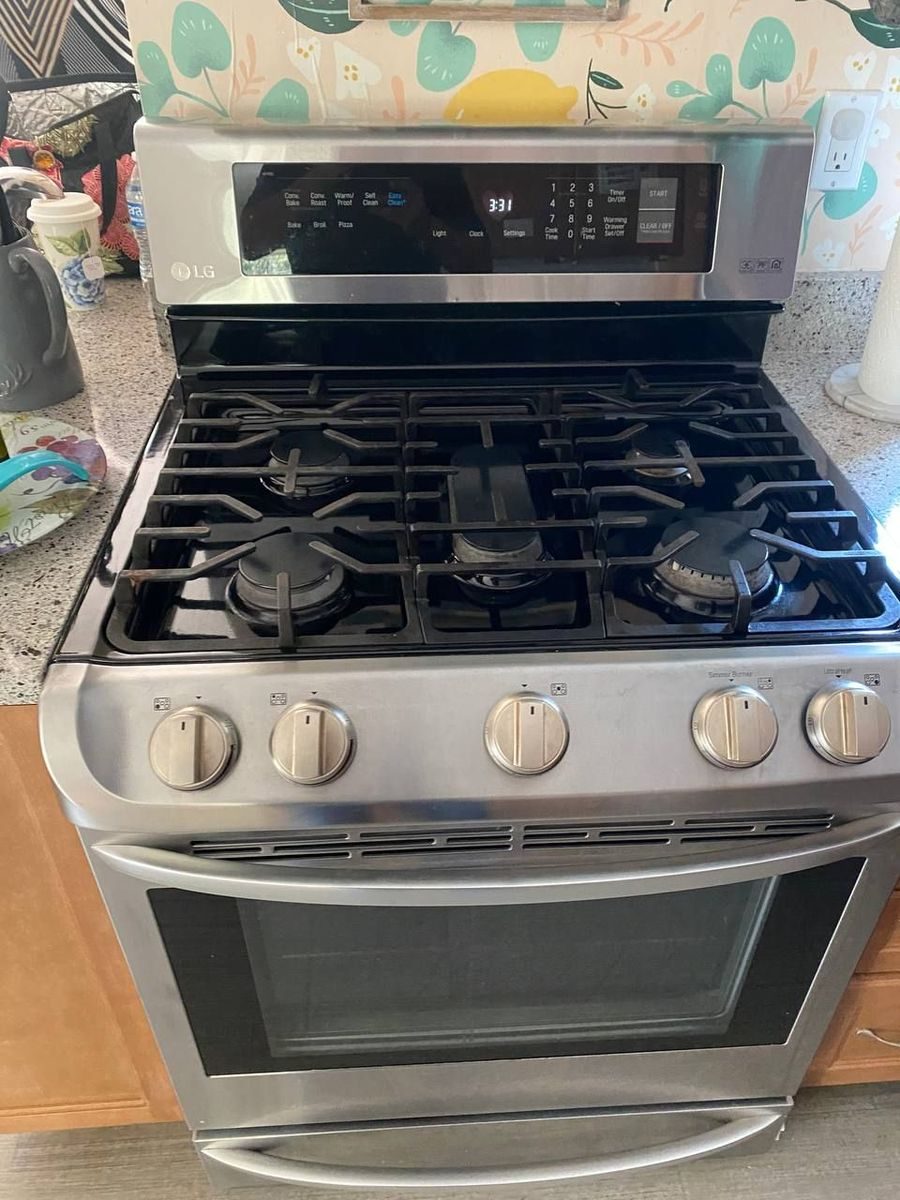
No. 6
Bake and broil elements, igniters and the oven sensor are metered before any part is ordered, on gas, electric and induction models alike.
Go to the service page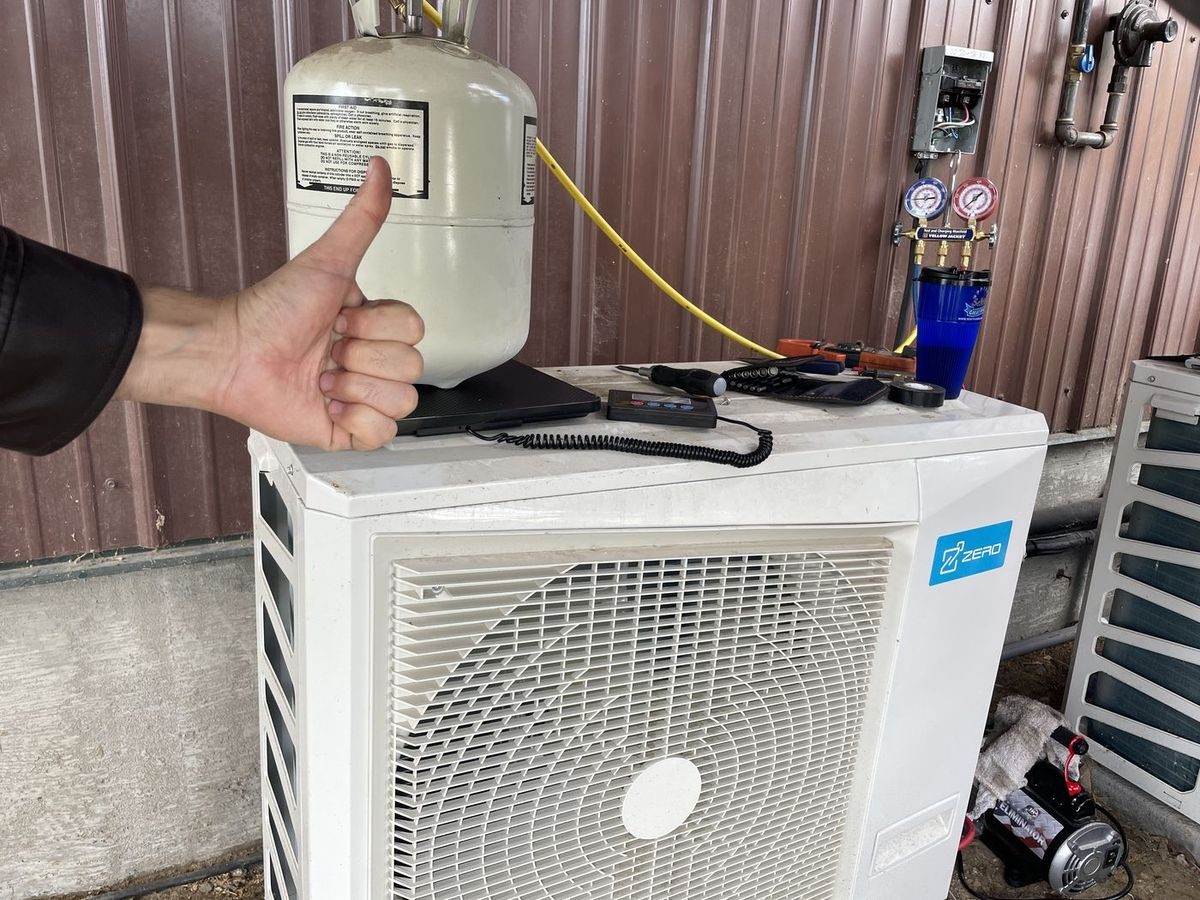
No. 7
Olympia winters stay wet and just above freezing for weeks, so defrost does a lot of work. We read the coil sensor, the defrost board and the charge before anything else.
Go to the service page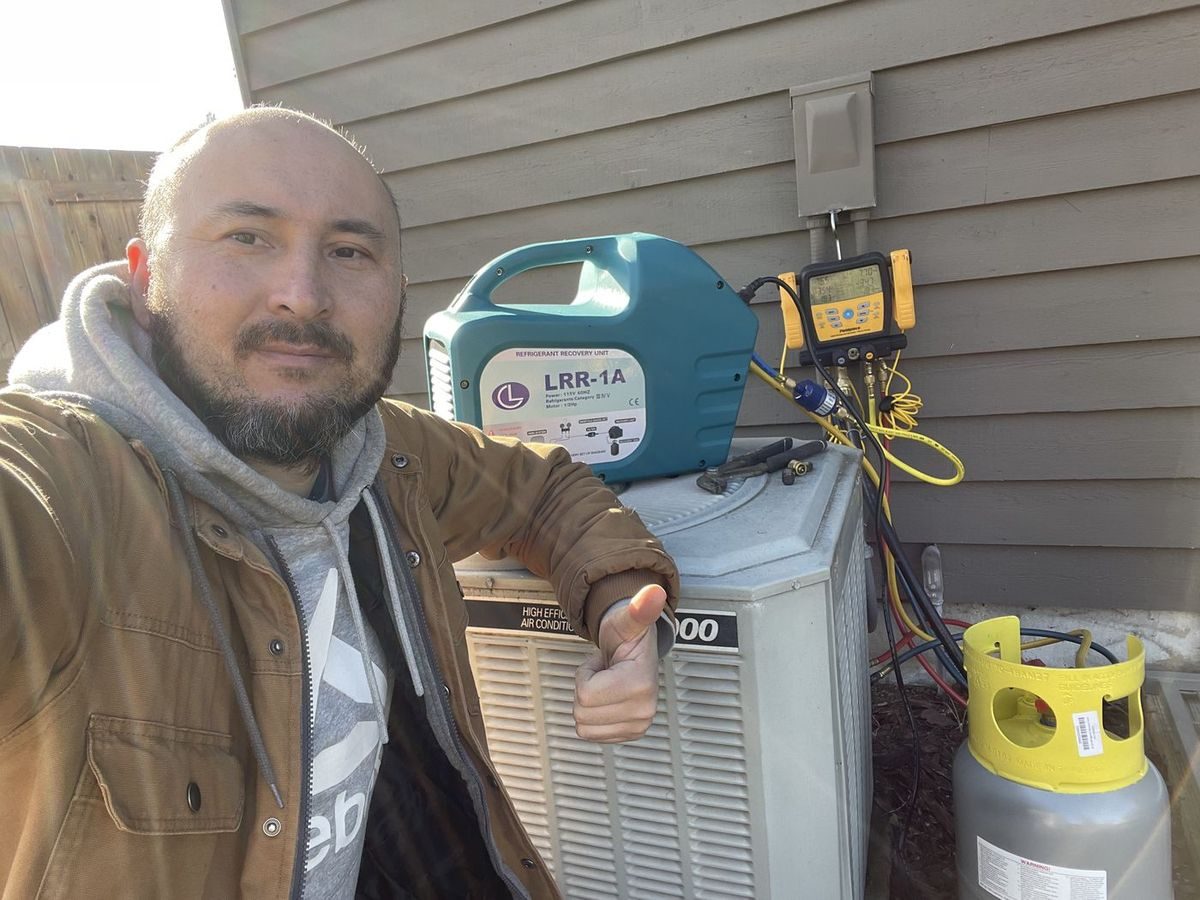
No. 8
Cooling was an afterthought in many South Sound homes until the 2021 heat dome. When a newer system lags on a hot day, airflow, the capacitor and the charge come first.
Go to the service page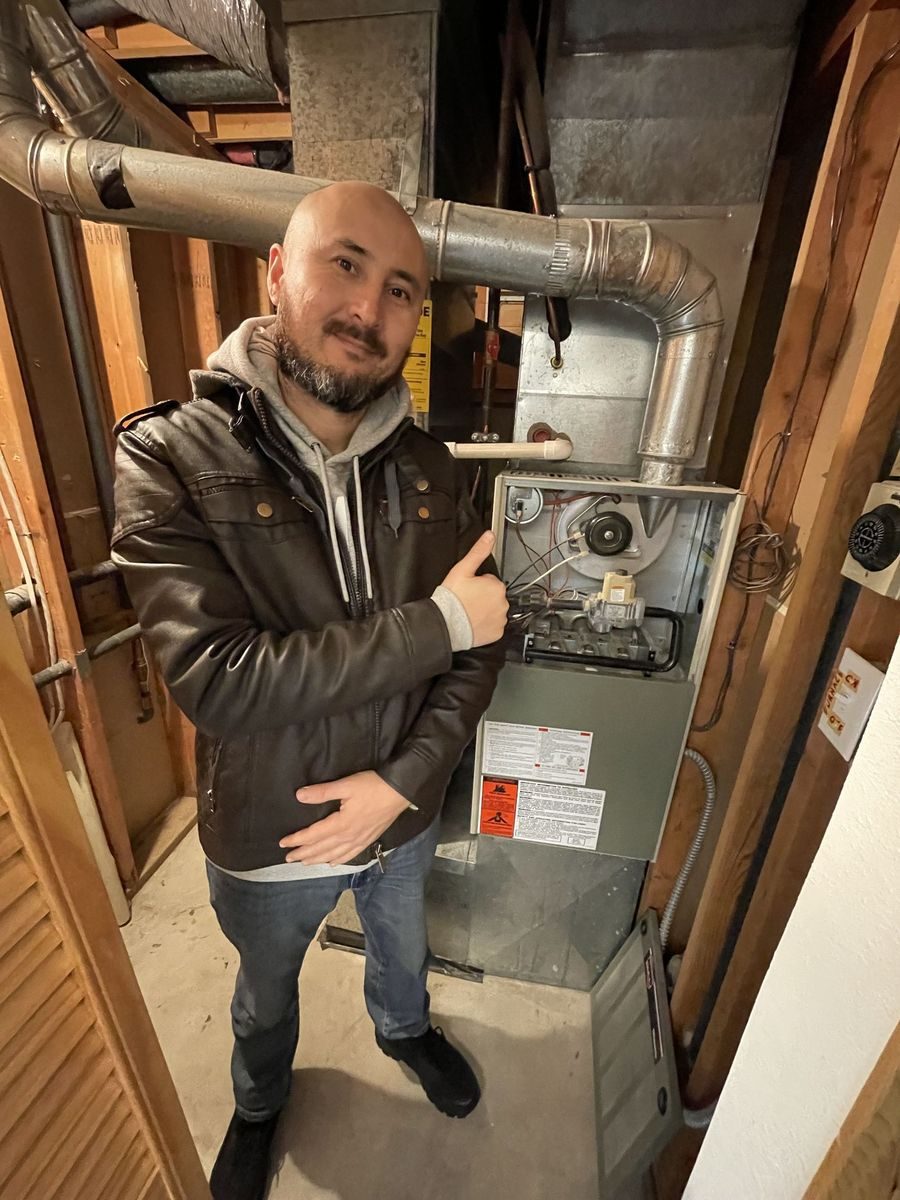
No. 9
Gas or electric, a furnace that quits on a cold morning is traced step by step: thermostat call, inducer, pressure switch, igniter, flame sensor, limit.
Go to the service page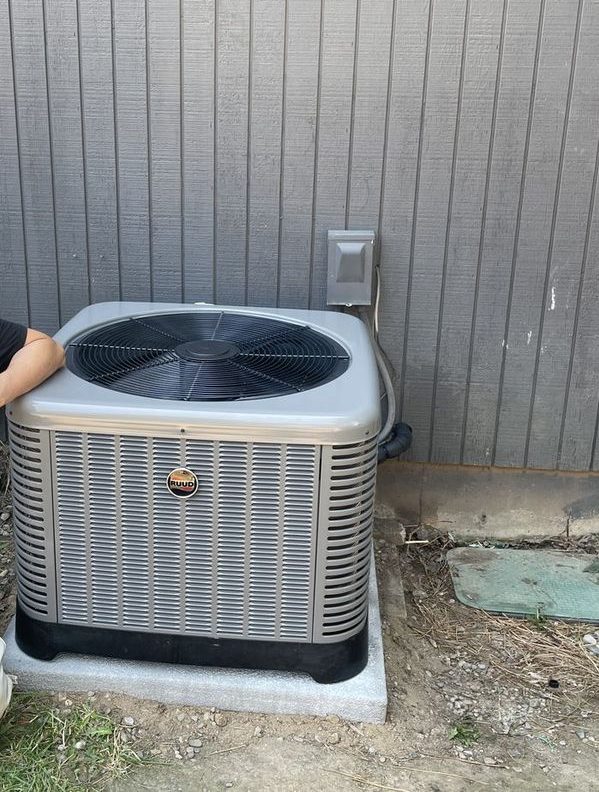
No. 10
A new system starts with a load calculation and a dry, level pad. Prairie gravel drains fast; in low clay corners we set the unit higher.
Go to the service page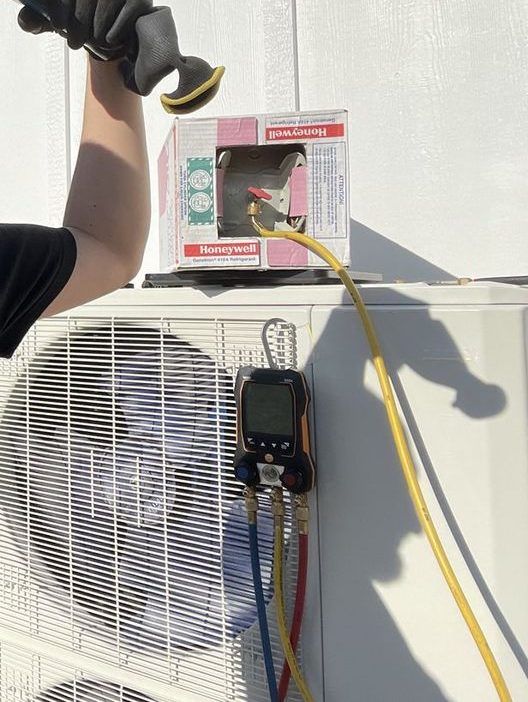
No. 11
Ductless heads suit older Olympia houses with no space for ducts. The line set runs outside, so its insulation and the condensate drain get a close look.
Go to the service page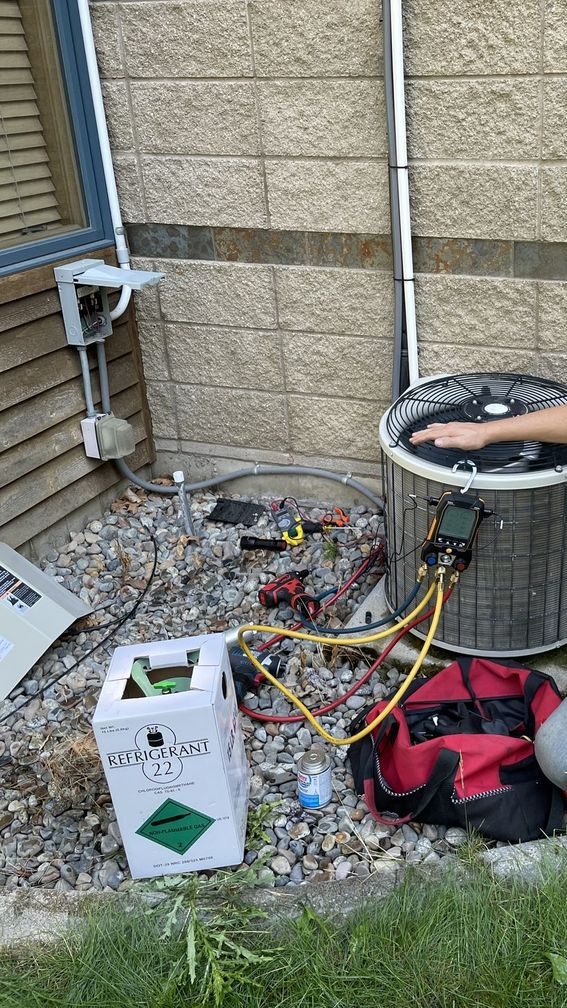
No. 12
Spring and fall visits clear needles and moss from the coil, open the drain holes in the base and test the defrost cycle before the long gray season.
Go to the service pageWater is the first local factor. All of Lacey's city water is pumped from groundwater wells, and some of those sources carry iron and manganese, which tint the ice, stain the bin and coat the mesh at the mouth of the inlet valve. Olympia draws mainly on the McAllister Wellfield from September through May, and Tumwater runs on city wells. The heavier load lands out in the county. Homes outside city limits around Rochester, Tenino, Rainier, the Yelm outskirts and parts of Lacey and Olympia often rely on private or small community wells, which send sediment and iron toward that mesh, and through the fridge's filter cartridge, far sooner. A well's pressure tank also cycles between a cut-in and a cut-out pressure, and a timed fill that happens near the cut-in point comes up short, which you see as smaller cubes.
Cold is the second. Many households here park a second fridge out in a cold garage, and when an arctic outbreak pushes nights well below 20°F, as January 2024 did across western Washington, the line and the fill tube behind it can freeze. Long damp stretches in the 30s are hard on those garage units in a quieter way, since some controls stop asking for cooling in a chilly room. Outages add a third problem: when snow, freezing rain or wind cuts the power, the freezer warms, bin ice melts and refreezes into a solid brick, and the auger stalls trying to push it. Moving season brings one more, a fridge laid flat in a truck or its water line kinked when it was slid back into place.
Fix it when the refrigerator itself holds temperature well. A module, valve or auger motor comes out on its own, with no need to open the sealed system, so a healthy fridge with a dead ice maker is normally worth repairing. Some families just turn the ice function off and keep a tray in the freezer instead, a reasonable choice for light users. The picture shifts if the missing ice turns out to be a symptom: a freezer drifting warm thanks to a defrost heater on its way out, the compressor is weakening or refrigerant is leaking. Then the decision concerns the whole fridge, and our technician says as much, writes down the figure, and lets you choose. Our scheduling page wants a date plus an arrival slot; ringing us works as well.
The fill is coming up short. Each cycle, the module energizes the valve on a timer, so anything slowing the flow shrinks the cube: a clogged filter, a valve screen choked with grit or iron, low well pressure, or ice partly blocking the fill tube. Change the filter first. Should the cubes still come out thin, we can measure the fill and check the valve.
Often sooner than the indicator light suggests. Filter intervals assume ordinary city water, and a well carrying sediment, iron or manganese loads a cartridge faster. Treat slower flow at the dispenser or shrinking cubes as your signal. Whole-house sediment filtration near the pressure tank can lengthen the life of both the fridge cartridge and the inlet valve; that installation belongs to a plumber or water treatment installer, not us.
Usually water is trickling into it after the fill ends, or the fill itself is too slow. A worn inlet valve that seeps a few drops at a time, low pressure, or a freezer dialed much colder than it needs to be will all let ice creep along the tube until it seals shut. In an unheated garage, cold air adds to it. Thawing helps for a while; the lasting fix is the valve or the cause behind it.
Most often the ice has fused into a block around the auger, which happens when the freezer warms during an outage or the bin sits unused for weeks. Pull the bin, let the clump thaw, empty it and slide it back. If the motor hums with an empty bin, or the flap never opens, the auger motor, flap solenoid or door switch has likely failed and needs testing.
Yes. Many French-door models make ice in an insulated compartment on the left door, cooled by air ducted from the freezer. When the compartment's seal leaks or the duct frosts over, the ice clumps, the module stops, or the cubes melt together. Our technician checks the seal, the air path, the fan and the module, and replaces the part that failed after you approve the written price.
Only on the refrigerator's side of it. We test and replace the inlet valve, the tubing inside the cabinet and the filter housing. The supply line in the wall, the shutoff valve and any saddle valve on a pipe are part of the house's water system, so if a leak or blockage sits there, we show you what we found and point you to a plumber. In that case you owe the diagnostic fee only.
Ready when you are
Phones are answered from 8 AM to 7 PM daily, or book on the website by choosing a date, then an arrival window. Once the office has phoned to confirm, the technician calls ahead while driving over.
Online booking
Tell us what is acting up and when suits you. A coordinator phones to confirm the slot, and your technician calls again when heading your way.
These registrations are open to anyone. Look the numbers up on L&I Verify, and see our licenses page for what each one covers.
Read what each license allows