No. 1
Dryer repair
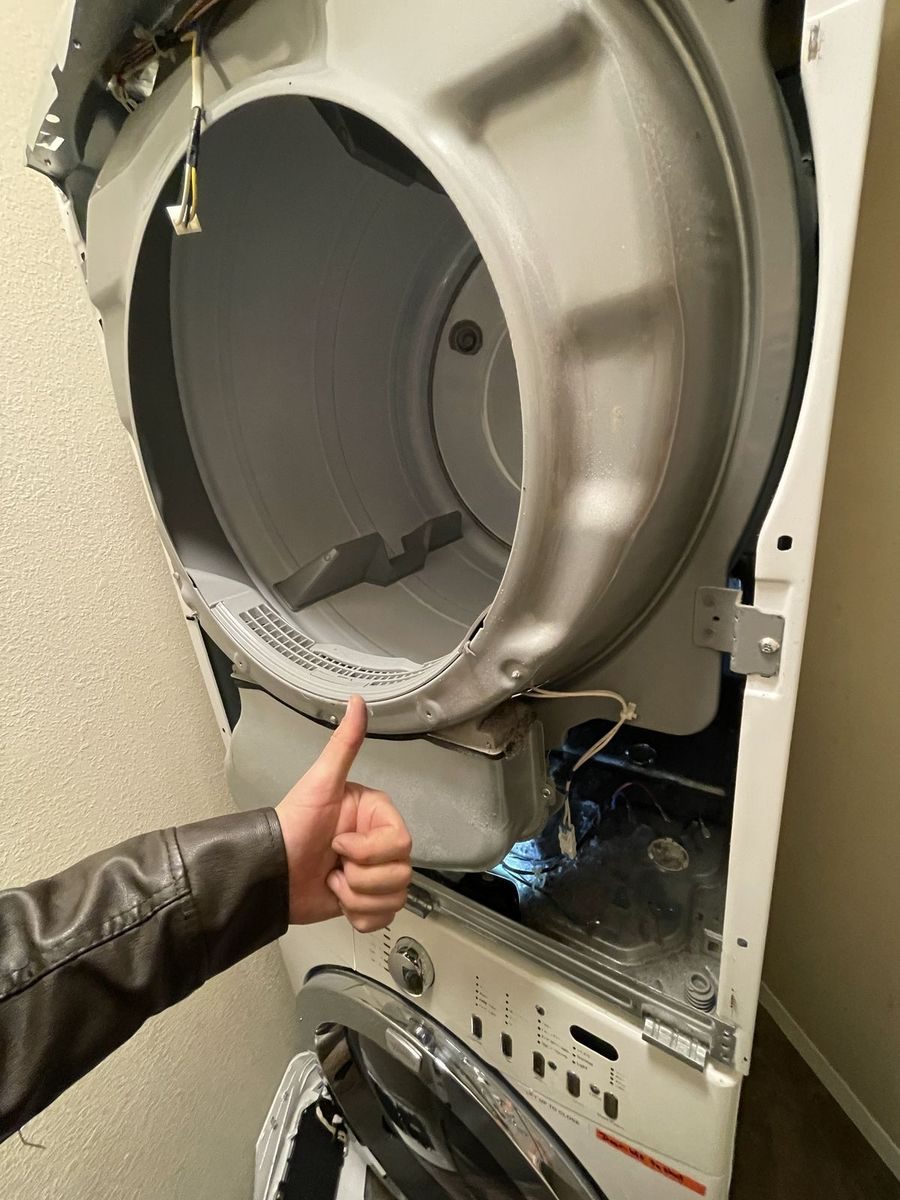
Damp air and long vent runs make lint pile up fast in South Sound laundry rooms. The vent is tested together with the element or burner and the thermal fuse.
Go to the service page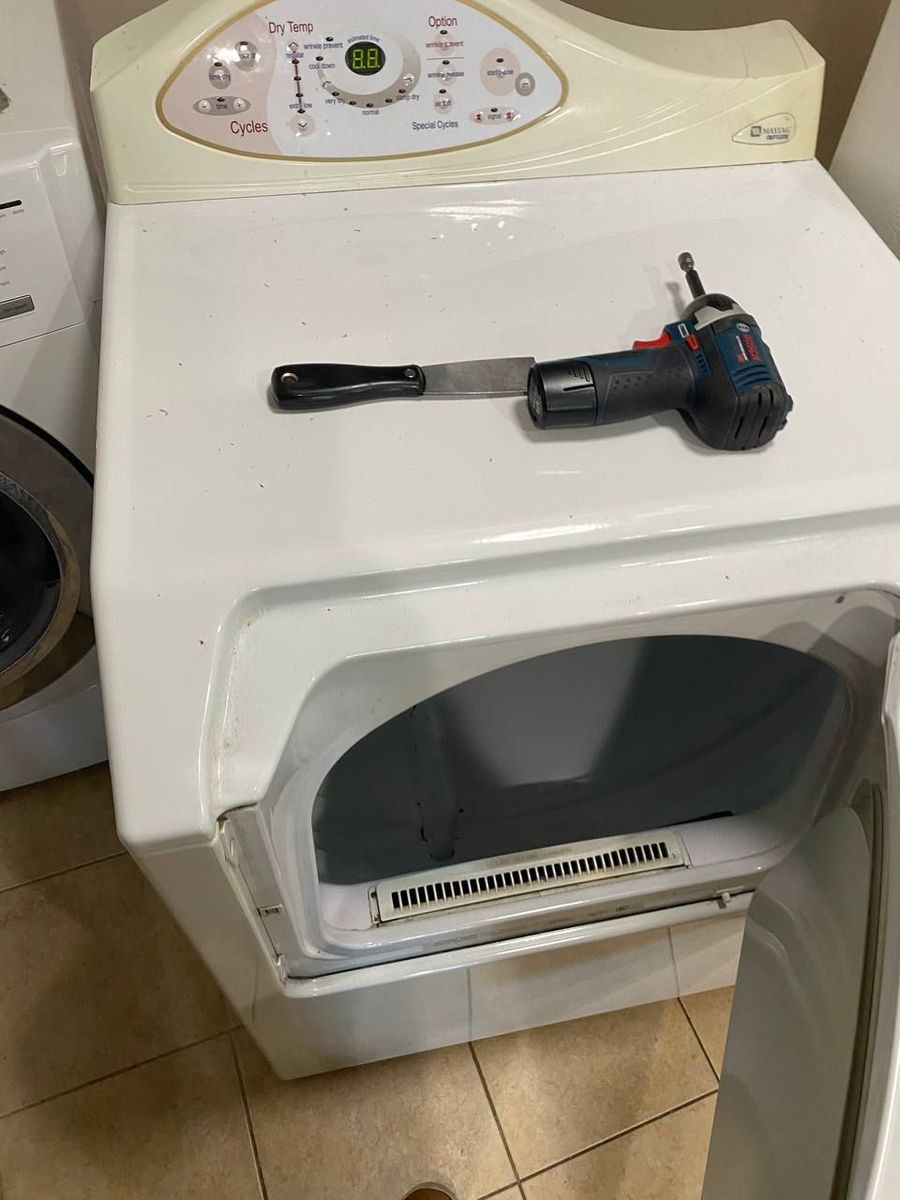
Electric and gas dryer repair
In a house where the air stays damp from fall into late spring, a dryer that needs a second round is more than a nuisance. Our technicians test the heat source, both safety thermostats and the airflow leaving the cabinet, then hand over a written repair price and leave the yes or no to you.
Quick answer
A drum turning without warmth means one of a few parts. Electric units lose heat to a blown thermal fuse, a snapped element coil, or a high-limit or cycling thermostat gone open; gas units to a feeble igniter or worn valve coils. When heat is present yet loads need two cycles, lint or a long, crushed vent is starving the exhaust. We meter parts, gauge airflow at the dryer, and price everything in writing first.
Drying is an airflow job first and a heat job second. The blower pulls room air across an element or burner, tumbles it through the clothes, and pushes it out the vent loaded with water vapor. Choke that exhaust with lint, flatten the duct behind the cabinet, or stretch the run too far, and humid air lingers inside the drum. The moisture sensor keeps asking for more time, the safety thermostats begin tripping, and towels come out warm yet clammy even though the heat source is perfectly healthy.
When heat goes missing altogether, the fault is usually electrical. An electric dryer sends current through a coiled element; a high-limit thermostat cuts it if the heater box overheats, a thermal fuse opens for good if things get worse, and a cycling thermostat keeps drum temperature in range. A gas dryer swaps the element for a burner, a silicon carbide igniter that glows orange, and a valve opened by two or three small coils, with a flame sensor watching the whole sequence. Thermal fuses rarely blow without reason; a clogged vent usually set it off, so replacing only the fuse just schedules the next failure. We check both before closing up.
Electric and gas dryers from Speed Queen, Electrolux, Bosch, Kenmore, LG, Frigidaire, GE, Samsung, Maytag and Whirlpool fall under 07D, the appliance repair specialty on our Washington electrical contractor license. A rotten-egg odor around a gas dryer calls for leaving the house at once; phone 911 or the gas utility only after reaching fresh air outside.
Measurement comes before any screwdriver. A vane anemometer at the exhaust collar shows how easily the dryer breathes, and a temperature probe on the outgoing air shows whether the heat source is pulling its weight. Then the cabinet opens: continuity on the thermal fuse and both thermostats, resistance on the element or on the igniter and valve coils, and a hands-on look at belt, idler, rollers and blower wheel. Lint hiding inside the cabinet gets vacuumed out along the way, since it is fuel sitting next to a heater.
Once the cause is nailed down, a repair price is written up, and nothing proceeds until you decide. Each visit carries a diagnostic fee, mentioned by the office as the appointment gets made. Proceed and that fee melts into the repair figure; pass, and it covers the visit by itself. Thermal fuses, belts, igniters, idler pulleys and door switches usually travel in the van, while an element or a control board may need ordering, priced on paper beforehand. Look for the warranty terms in writing on the invoice. If the duct run itself is the bottleneck, we hand you the airflow reading; cleaning the full length of a vent run is not a service we offer, so that number goes to whoever does that work for you.
Each tab carries a photo from our service work and the first checks we make on that job. Choose a tab, or let them change by themselves.
No. 1
Damp air and long vent runs make lint pile up fast in South Sound laundry rooms. The vent is tested together with the element or burner and the thermal fuse.
Go to the service page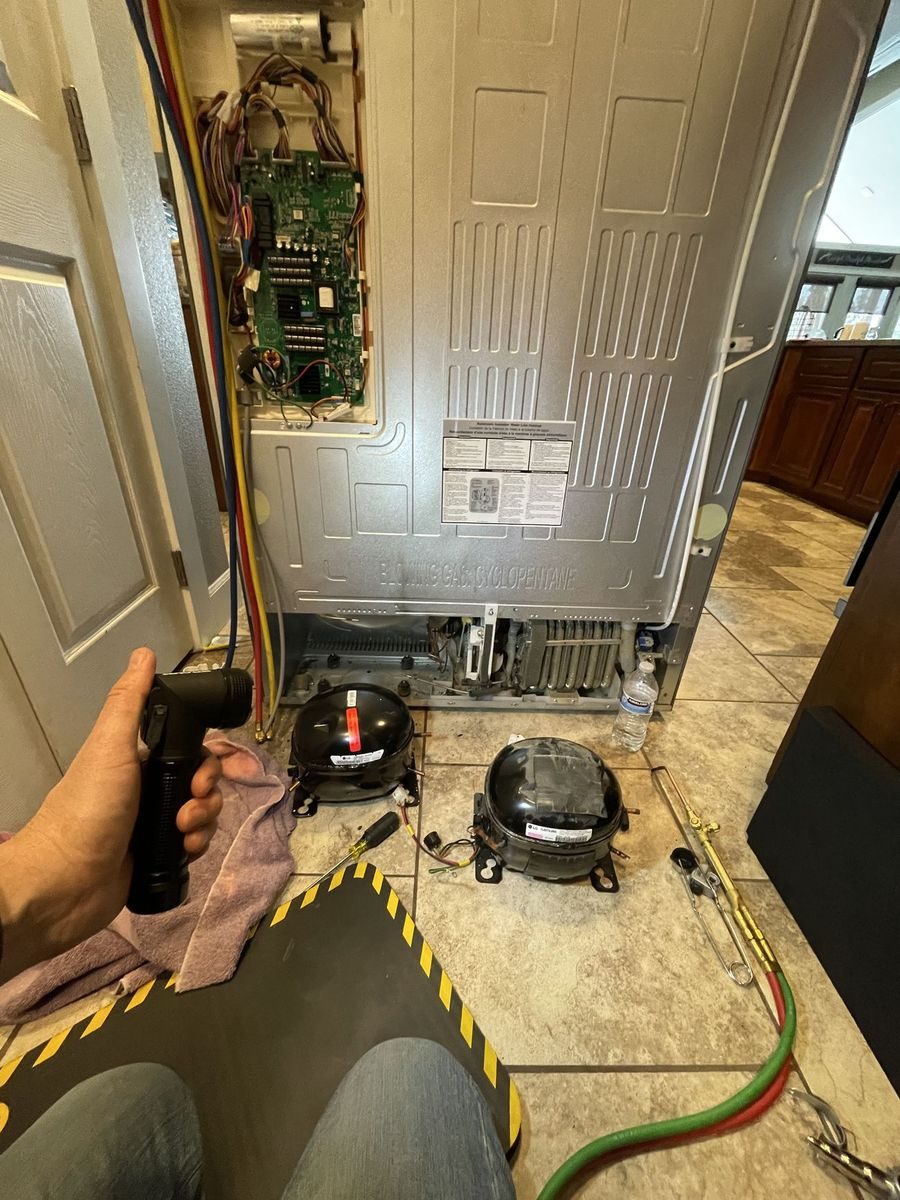
No. 2
Warm shelves usually come from frost on the coil, a fan that has stopped or a failed defrost part. Sealed-system repairs happen at home, by technicians holding EPA 608 Universal credentials.
Go to the service page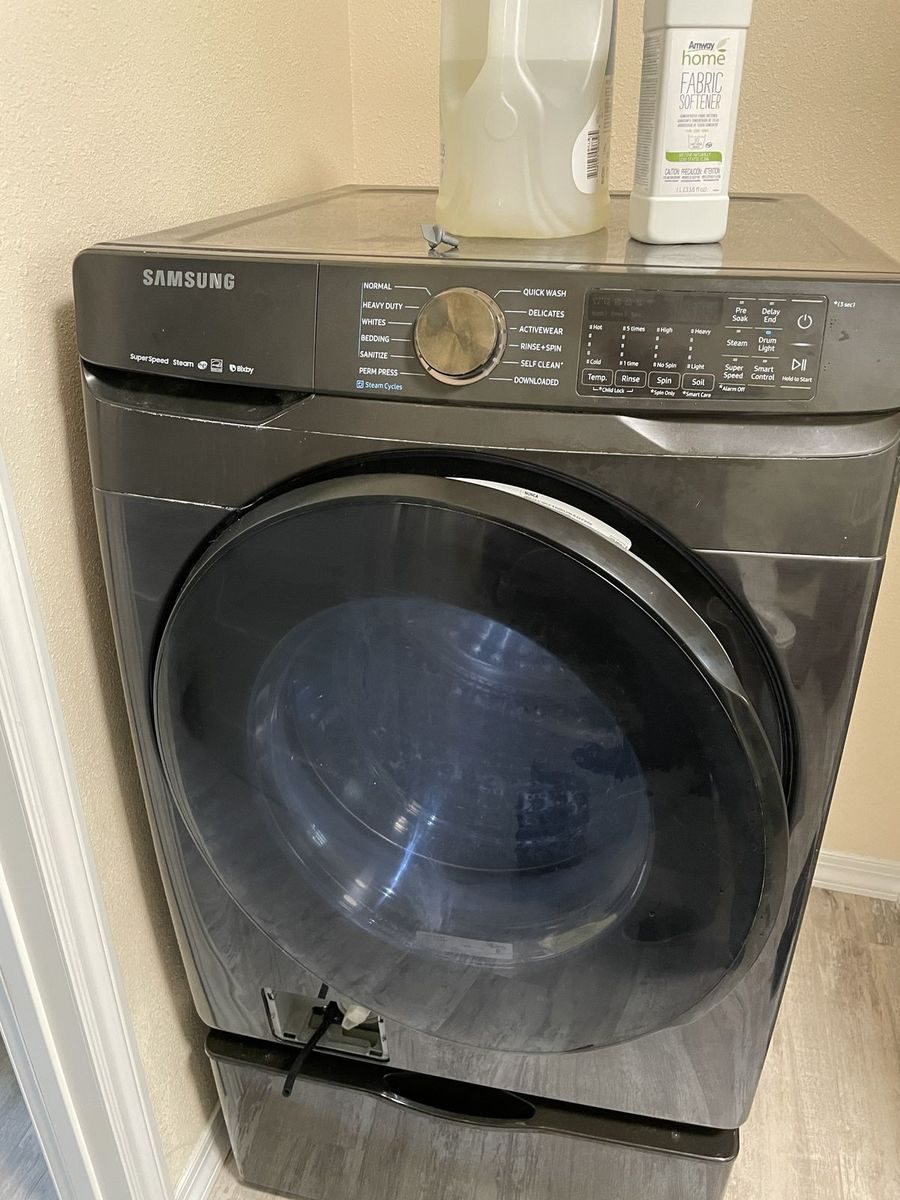
No. 3
Rural wells around Yelm and Rochester carry sediment that clogs inlet screens. A slow fill or a musty front-loader boot is where most washer visits start.
Go to the service page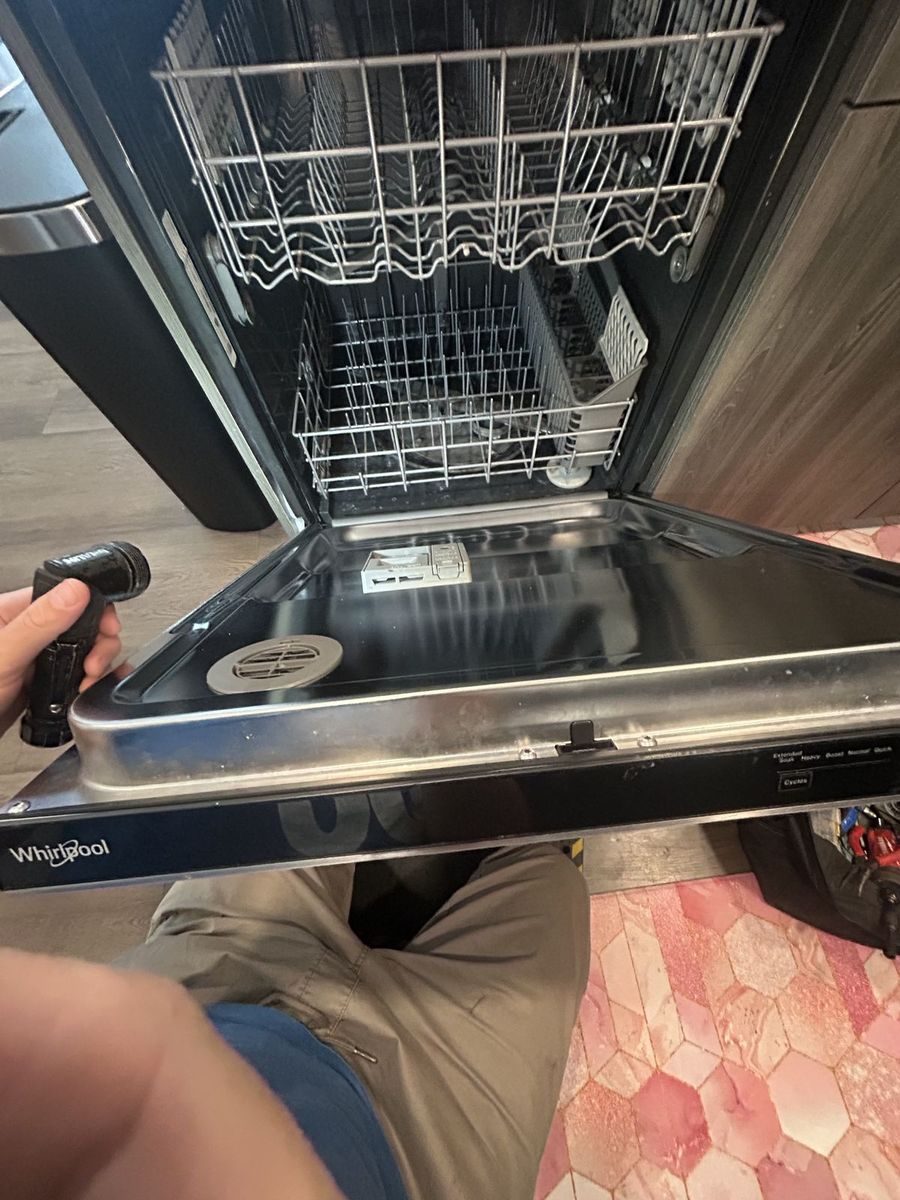
No. 4
Cloudy glasses and a tub that will not drain point to the filter, the drain pump or a hose without its loop under the counter. Each gets checked in order.
Go to the service page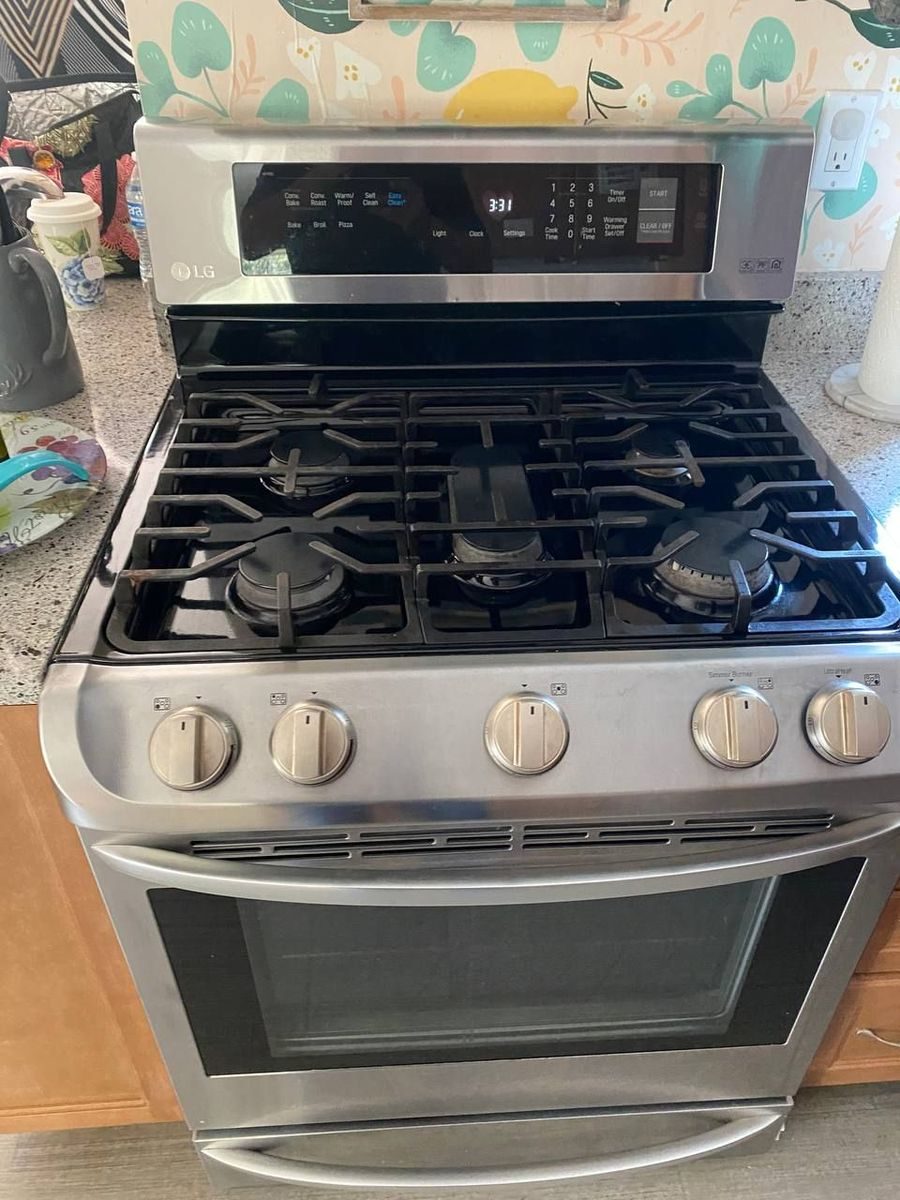
No. 5
Bake and broil elements, igniters and the oven sensor are metered before any part is ordered, on gas, electric and induction models alike.
Go to the service page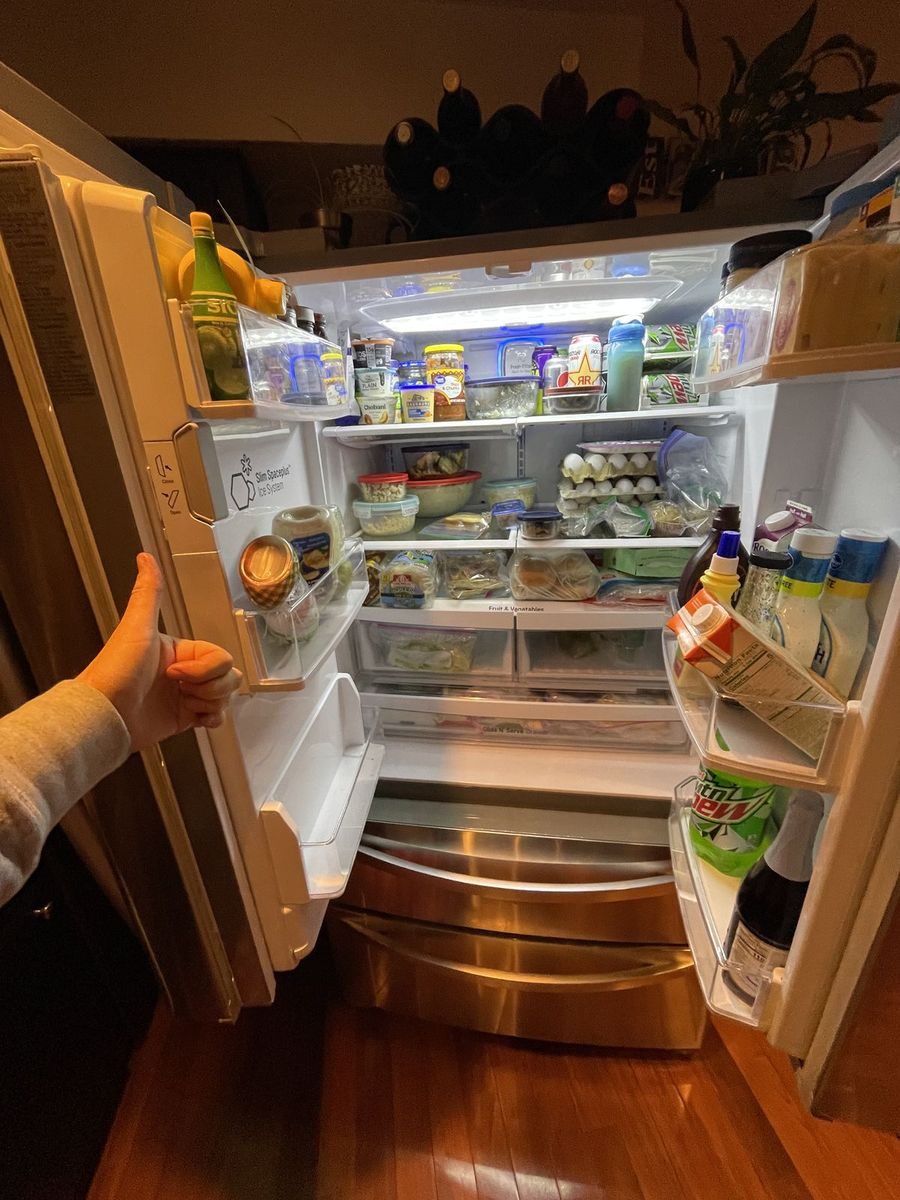
No. 6
When the ice stops after a power outage, the fill tube has often frozen. We check the water valve, the filter and the tube before blaming the ice maker.
Go to the service page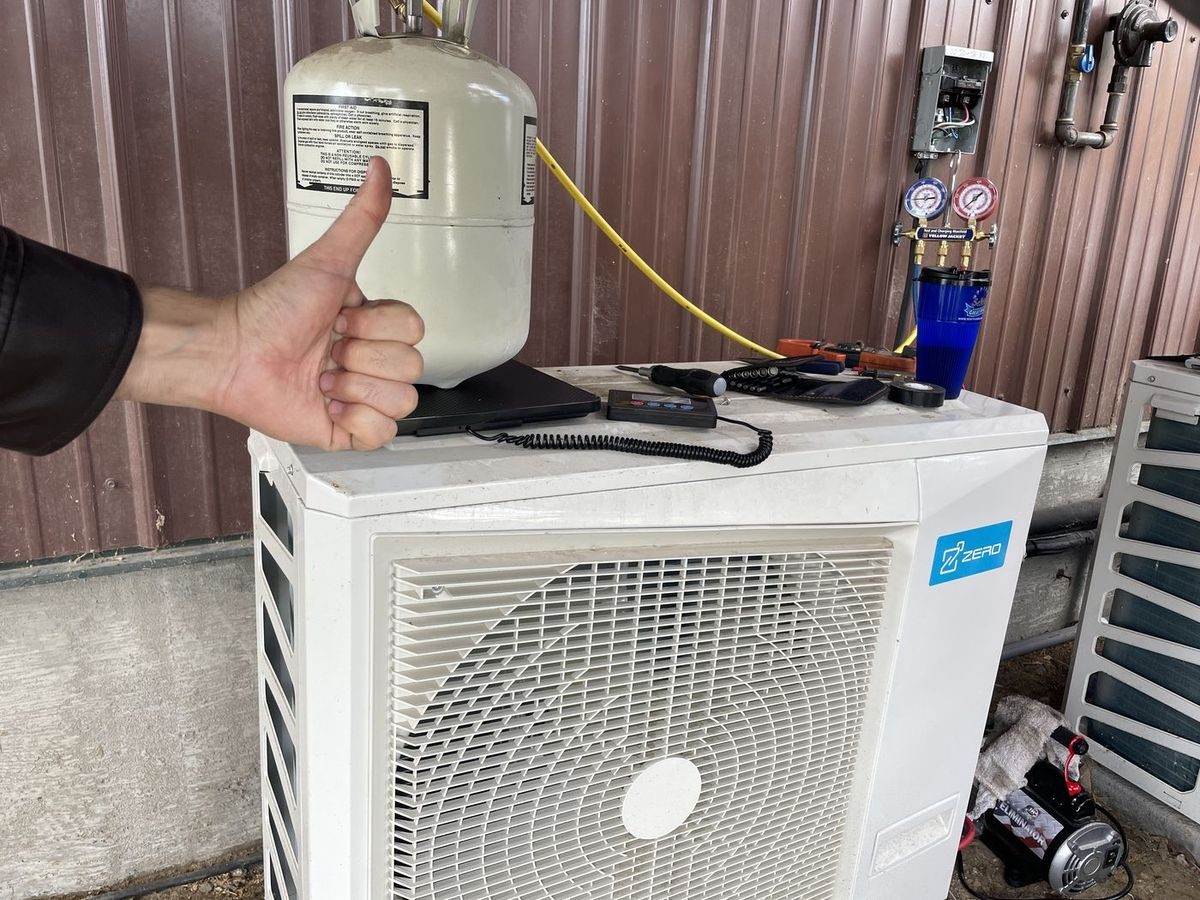
No. 7
Olympia winters stay wet and just above freezing for weeks, so defrost does a lot of work. We read the coil sensor, the defrost board and the charge before anything else.
Go to the service page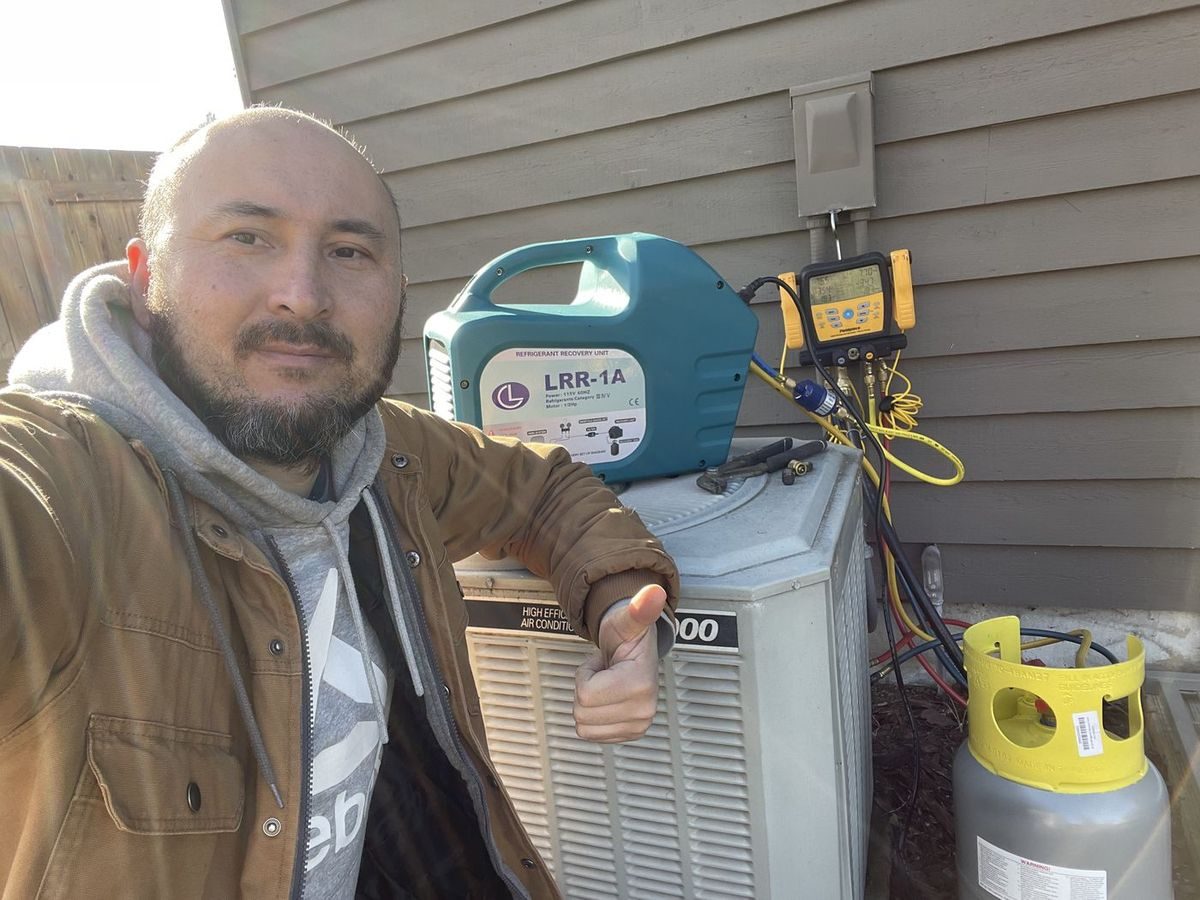
No. 8
Cooling was an afterthought in many South Sound homes until the 2021 heat dome. When a newer system lags on a hot day, airflow, the capacitor and the charge come first.
Go to the service page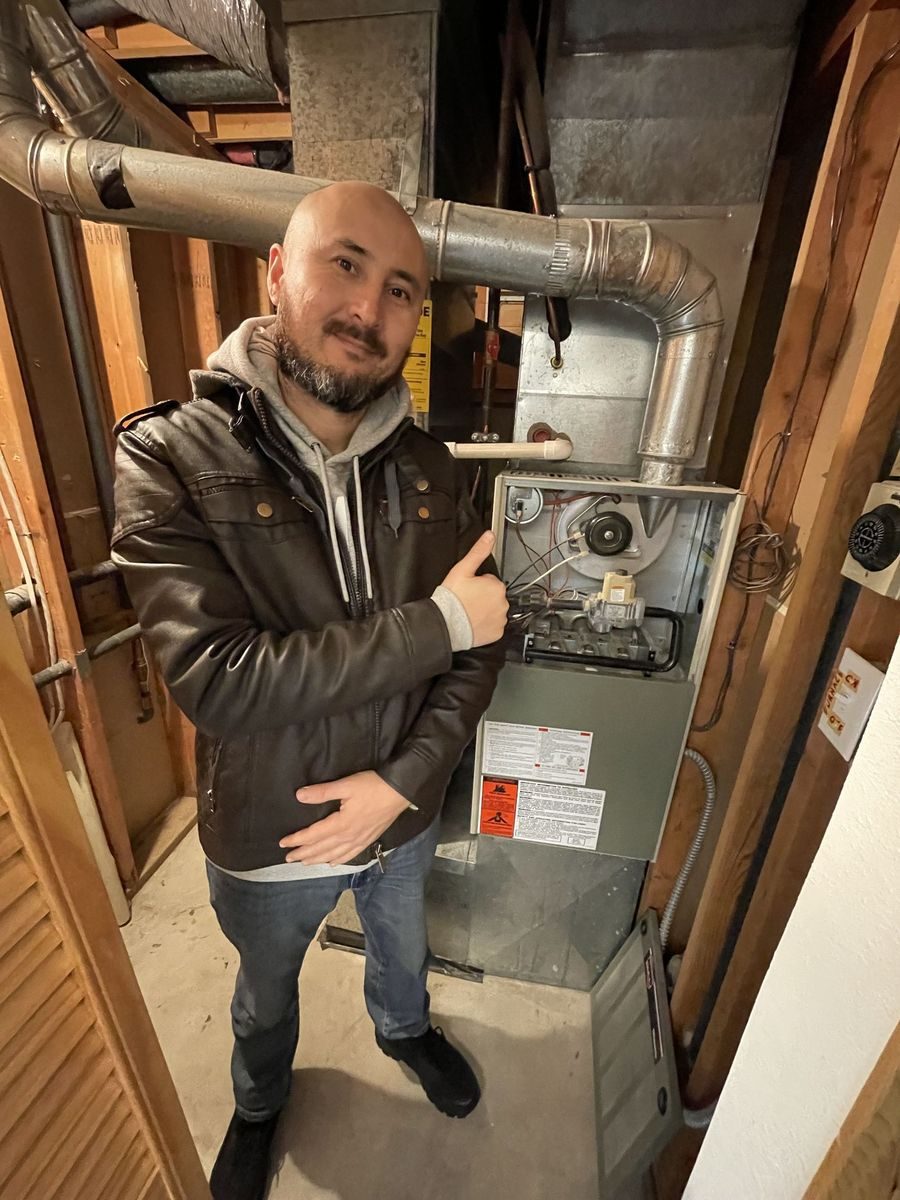
No. 9
Gas or electric, a furnace that quits on a cold morning is traced step by step: thermostat call, inducer, pressure switch, igniter, flame sensor, limit.
Go to the service page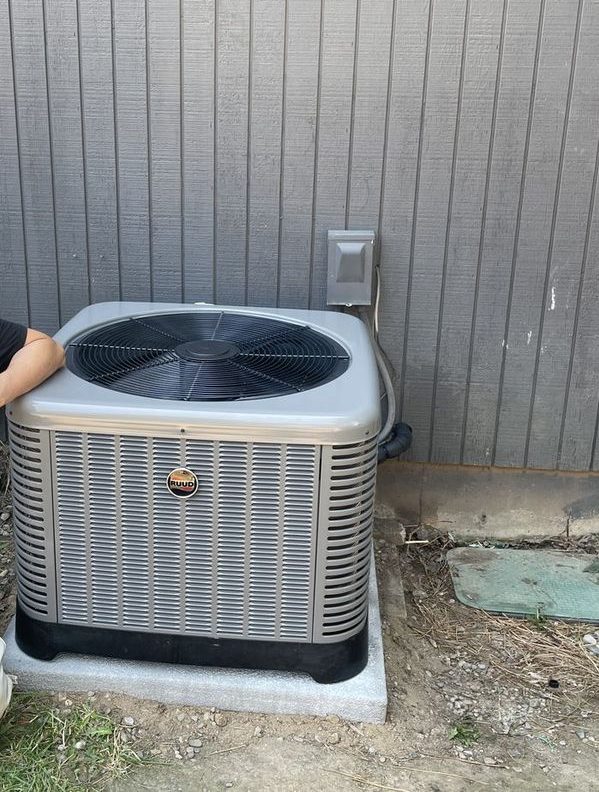
No. 10
A new system starts with a load calculation and a dry, level pad. Prairie gravel drains fast; in low clay corners we set the unit higher.
Go to the service page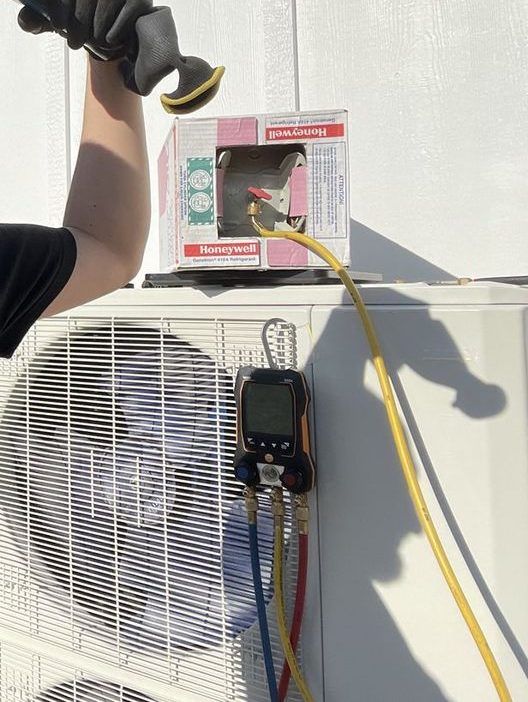
No. 11
Ductless heads suit older Olympia houses with no space for ducts. The line set runs outside, so its insulation and the condensate drain get a close look.
Go to the service page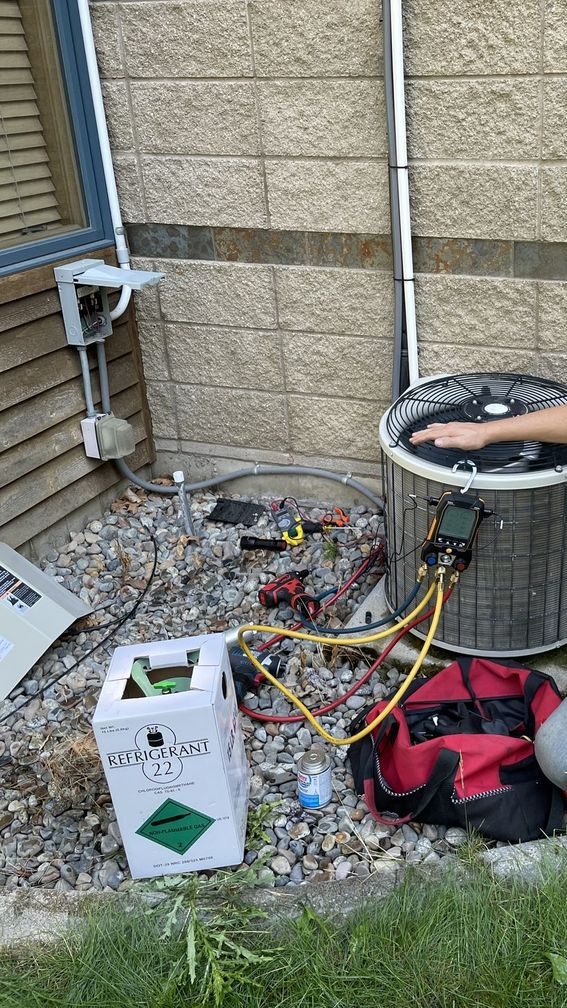
No. 12
Spring and fall visits clear needles and moss from the coil, open the drain holes in the base and test the defrost cycle before the long gray season.
Go to the service pageWet months load the dryer twice. Clothes leave the washer into a house whose indoor air is already humid, and a laundry room in a crawlspace home or an Olympia basement often pulls cool, damp air the dryer must heat before it can carry anything away. Older homes in Bigelow, South Capitol and Lacey's Tanglewilde can route the vent a long way, down through the floor into the crawlspace or along a basement ceiling, and the chill there lets moist lint cake inside the duct instead of blowing clear. Outdoors, fir needles, moss and the occasional bird nest can jam the flap on a wall hood or roof cap.
Newer homes trade that for tight quarters. Plenty of houses built across Hawks Prairie and other Lacey subdivisions over the last two decades fit the laundry as a stacked pair inside a hallway or upstairs closet. Shoved back against drywall, the dryer pinches its own transition duct. A solid closet door also starves the dryer of makeup air. Moves pile on: stacked pairs split apart for a move and restacked in a new house sometimes go back together with the duct kinked or the stacking kit loose, and the first sign is a load that takes two runs.
Most dryer repairs are short and self-contained: a thermal fuse, an element, an igniter or coil set, a belt with its idler, a door switch. Dryers are mechanically simple, and once that single part is swapped, the rest of the machine usually has a long run left. Replacing becomes the smarter move once the drive motor dies on an older machine, when a drum seam or rear bearing has worn through, or when a main control board on a basic model approaches what a new dryer runs. Whatever you choose, fix the airflow too, since a brand-new machine hooked to a crushed vent dries no faster and blows the same fuses. You get the price in writing, and the decision is yours.
Usually the dryer is short of airflow rather than heat. Lint in the trap housing, a crushed transition duct, or a long vent with several elbows holds moist air in the drum. In a damp South Sound house, clothes also start out wetter if the washer's final spin is weak. Our technicians gauge airflow at the dryer and check the heat source too, so the repair goes where it belongs.
Sometimes, though not always. Electric heat also needs an intact thermal fuse and high-limit switch, and a single tripped half of its two-pole breaker mimics a bad element, so look there first. Gas units bring different parts into play: igniter, flame sensor, and the coils that open the valve. A meter reading comes before any swap, so you only pay for the piece that actually failed.
Usually, yes. Most stacked pairs and laundry centers can be worked on right in the closet, though the technician may need to pull the pair forward or lift the dryer off to reach the back panel and duct. Clearing the hallway beforehand speeds things up. When a pair was restacked after a move, we also check the stacking kit and the vent connection while everything is open.
Full vent cleaning is not a service we provide. During a dryer repair, the technician clears lint from inside the cabinet, the trap housing and the blower, checks the transition duct behind the machine, and measures how much air reaches the exhaust. If the run beyond the wall is restricted, we share the reading and what it suggests, so a vent cleaner or contractor can take it from there.
Get everyone outside and leave light switches and the dryer's controls untouched. Once out of the house, dial 911 or the gas utility. With the utility's all-clear in hand, our technicians can test the dryer's valve, burner and igniter. Work on the house's gas piping falls outside our license; our job begins at the appliance and covers the dryer itself.
It is worth fixing soon. Lint that collects in a restricted vent and inside the cabinet is fuel, and a dryer straining against poor airflow runs hot for long stretches, cycling its high-limit thermostat again and again. The thermal fuse is the last safeguard, and when it blows the dryer stops heating. Clean the screen, check the duct behind the machine, and book a visit if drying times stay long.
Ready when you are
Set up a visit online by selecting a day, then an arrival window, or by calling during phone hours, 8 AM until 7 PM daily. You will hear from the office to confirm, then from your technician shortly before arrival.
Online booking
Tell us what is acting up and when suits you. A coordinator phones to confirm the slot, and your technician calls again when heading your way.
These registrations are open to anyone. Look the numbers up on L&I Verify, and see our licenses page for what each one covers.
Read what each license allows