No. 1
Ductless mini-splits
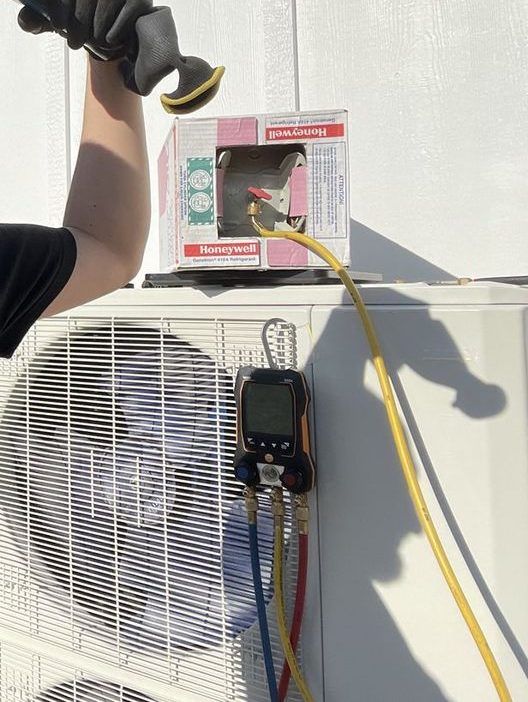
Ductless heads suit older Olympia houses with no space for ducts. The line set runs outside, so its insulation and the condensate drain get a close look.
Go to the service page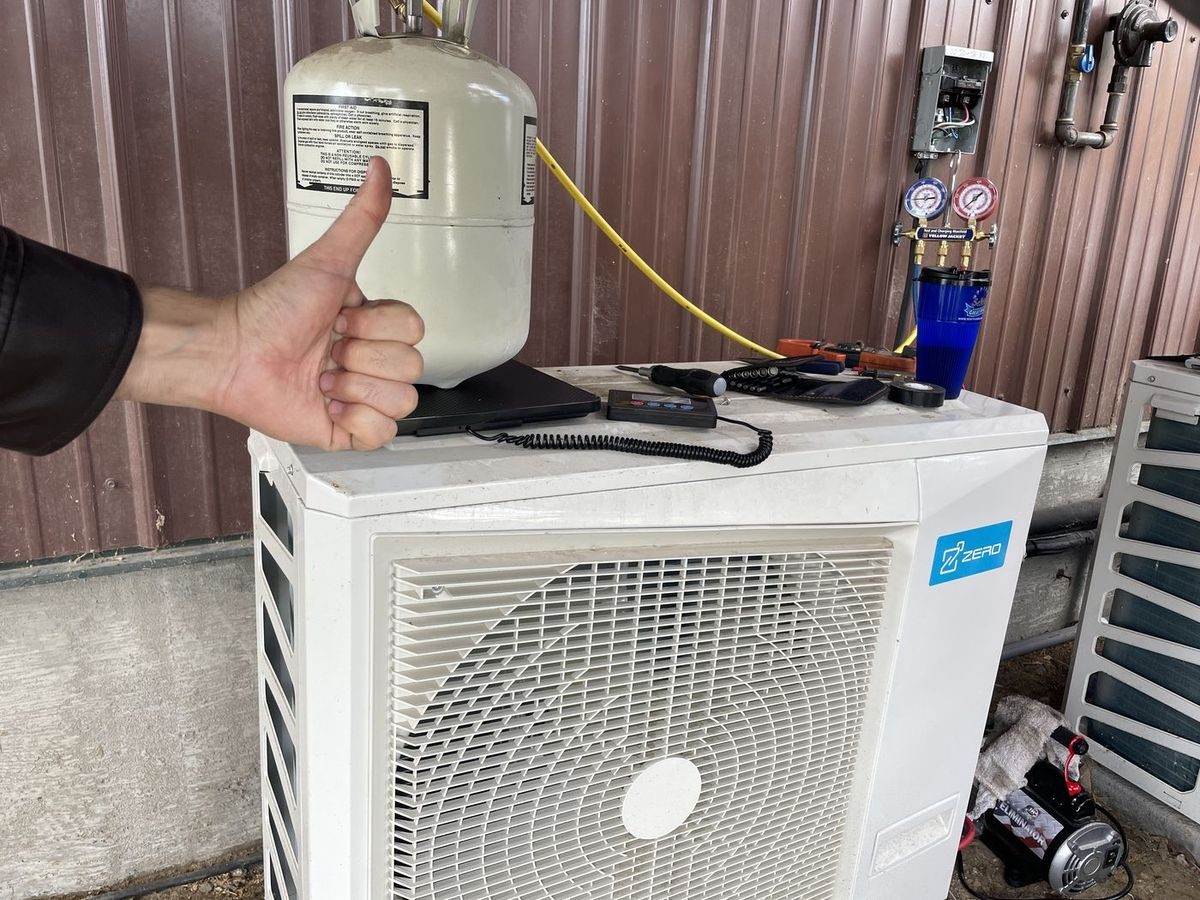
Heads, line sets and drains · Thurston County
Plenty of homes around Olympia and Lacey heat with baseboard or wall heaters and have no duct system to hang cooling on. A mini-split adds heat pump heating and cooling one room at a time. We install them, clean heads that smell of mildew, and repair units that leak, show codes or stall in fog.
Quick answer
Our technicians install, clean and fix ductless mini-splits in Lacey, Olympia, Tumwater and the surrounding towns. They suit electric-baseboard houses, older homes with no ductwork, upstairs bedrooms that overheat, and ADUs, garages or shops on rural lots. Most service calls trace to four things: a slimy blower wheel or coil, a clogged drain line or dead condensate pump, a fault code that needs testing, or an outdoor unit struggling through defrost in damp, foggy weather.
Houses heated by electric baseboard are the clearest fit. A baseboard heater turns each unit of electricity into one unit of heat, while a mini-split moves heat in from outdoor air and delivers several units for each one it draws on a typical 40-degree South Sound day. The same head also cools, which baseboard never could, and that became a real concern for many owners after the summer of 2021. Plenty of households keep the baseboards in place as backup and let the heads carry most of the winter.
Older houses come next. In South Capitol, Bigelow and the Upper Eastside, many homes predate central air, with plaster walls, shallow attics and crawlspaces or basements that leave little room for new duct runs. A head on an upstairs wall can tame the bedrooms under the roof that trap heat on July evenings, and a slim line set through one small hole leaves the original walls mostly untouched. The same reasoning fits a 1940s one-story home in Beachcrest or a mid-century house in Tanglewilde.
Detached buildings round out the list. On acreage around Yelm and Rochester, a single-zone system can heat and cool an ADU, a converted garage or a shop without tying it to the main house. We service Mitsubishi, Fujitsu, Daikin and LG equipment. Refrigerant handling on these systems sits within our 06A HVAC/Refrigeration license specialty, and whoever opens the refrigerant circuit carries the EPA 608 Universal credential. The website lets you pencil in a day plus a preferred arrival window; the phone line is answered every day, 8 AM–7 PM, and the office rings back to lock in the time.
A new installation begins with a walk through the rooms. Our technician looks at insulation, window area, which walls take the afternoon sun, and where a head can throw air across the space without blowing straight onto a bed or a desk. In an older house we route the line set around plaster, trim and siding; in a shop or ADU we check the framing and find a spot for the outdoor unit that sits above standing water and clear of roof drip. Flares are cut with a proper tool and torqued to spec, the lines are pressurized with dry nitrogen to prove they are tight, and a vacuum pump pulls them down while a micron gauge confirms the system is dry. Your written quote combines equipment and installation into one figure, and it notes plainly if the site needs a new power feed, which falls outside our license scope.
Repair visits follow a set order: record the code, test power at the equipment, then measure. Depending on the fault, that means sensor resistance, the full condensate path, blower wheel condition, refrigerant pressures, and fan motor or inverter board readings. The office names the diagnostic fee as part of scheduling. If you go ahead, the diagnostic charge is folded into that written repair number. If you stop there, it is the visit's entire cost. Nothing is swapped until you approve it, and your warranty terms come printed on the invoice.
Each tab carries a photo from our service work and the first checks we make on that job. Choose a tab, or let them change by themselves.
No. 1
Ductless heads suit older Olympia houses with no space for ducts. The line set runs outside, so its insulation and the condensate drain get a close look.
Go to the service page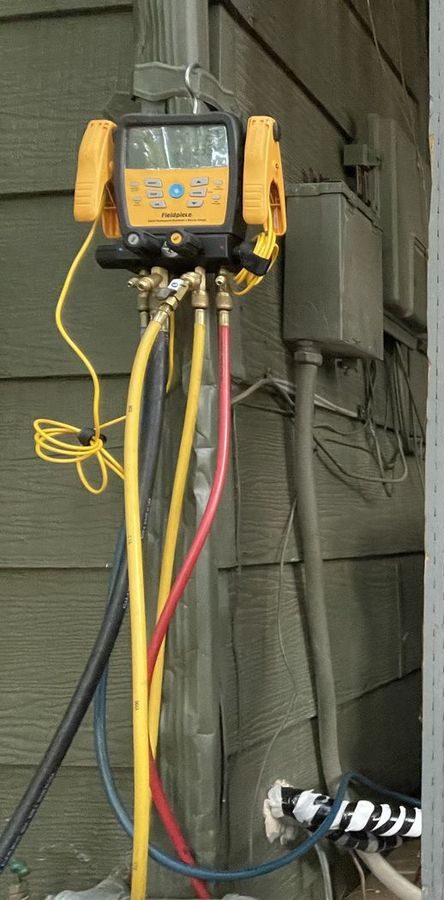
No. 2
Olympia winters stay wet and just above freezing for weeks, so defrost does a lot of work. We read the coil sensor, the defrost board and the charge before anything else.
Go to the service page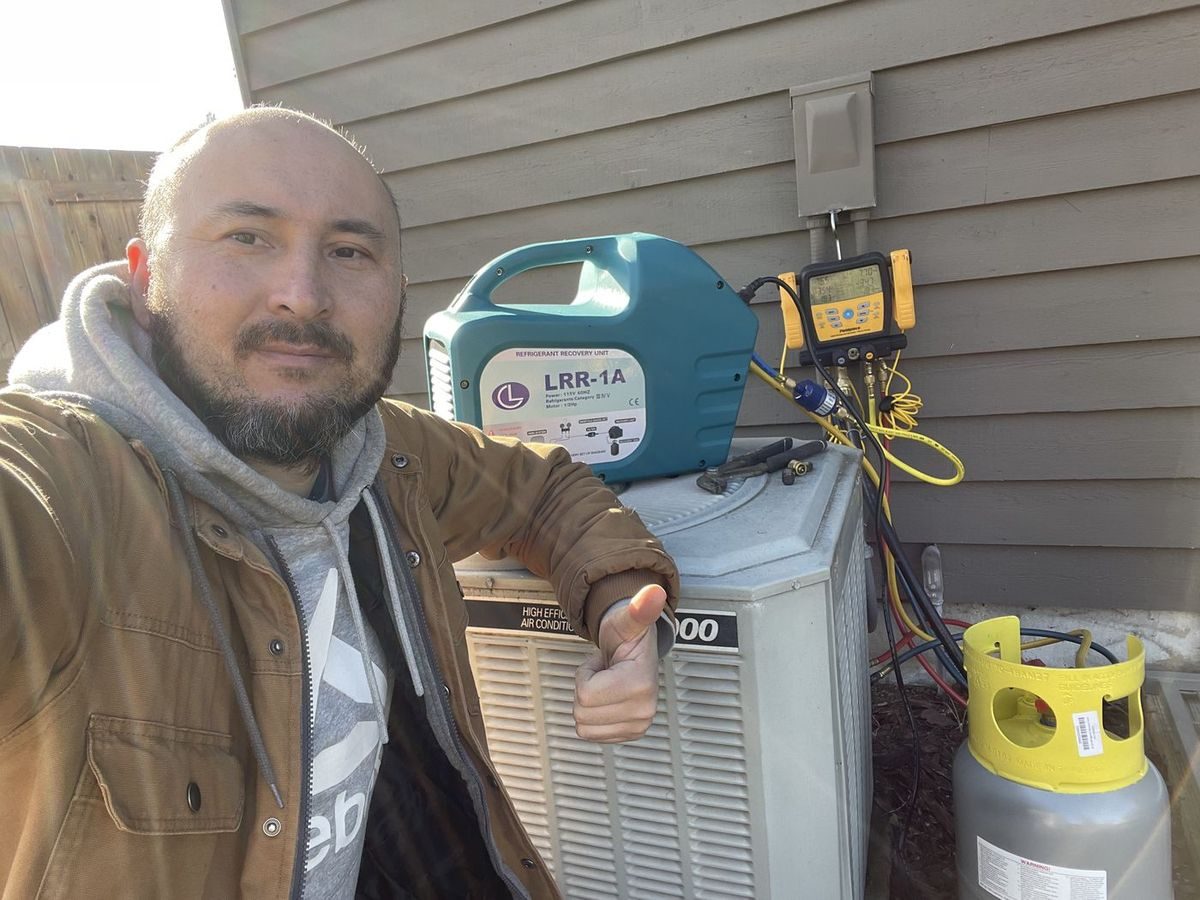
No. 3
Cooling was an afterthought in many South Sound homes until the 2021 heat dome. When a newer system lags on a hot day, airflow, the capacitor and the charge come first.
Go to the service page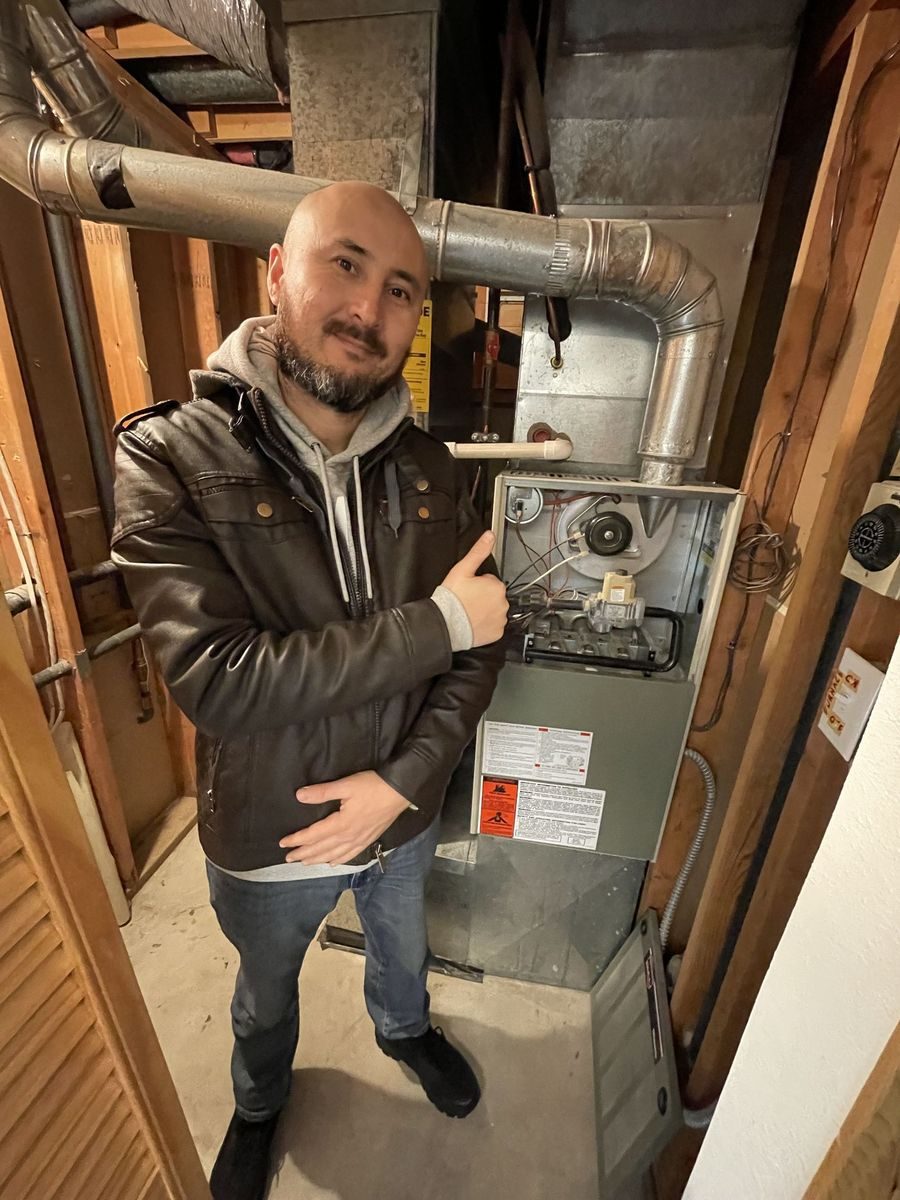
No. 4
Gas or electric, a furnace that quits on a cold morning is traced step by step: thermostat call, inducer, pressure switch, igniter, flame sensor, limit.
Go to the service page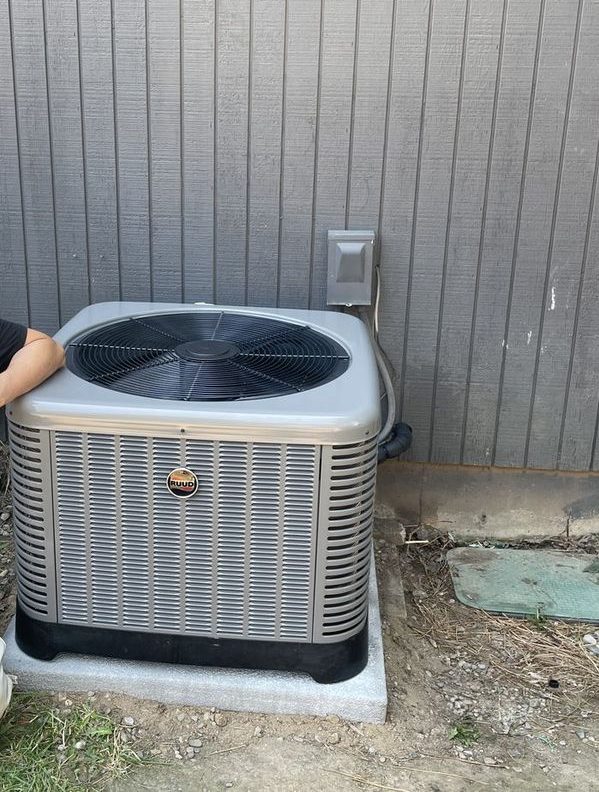
No. 5
A new system starts with a load calculation and a dry, level pad. Prairie gravel drains fast; in low clay corners we set the unit higher.
Go to the service page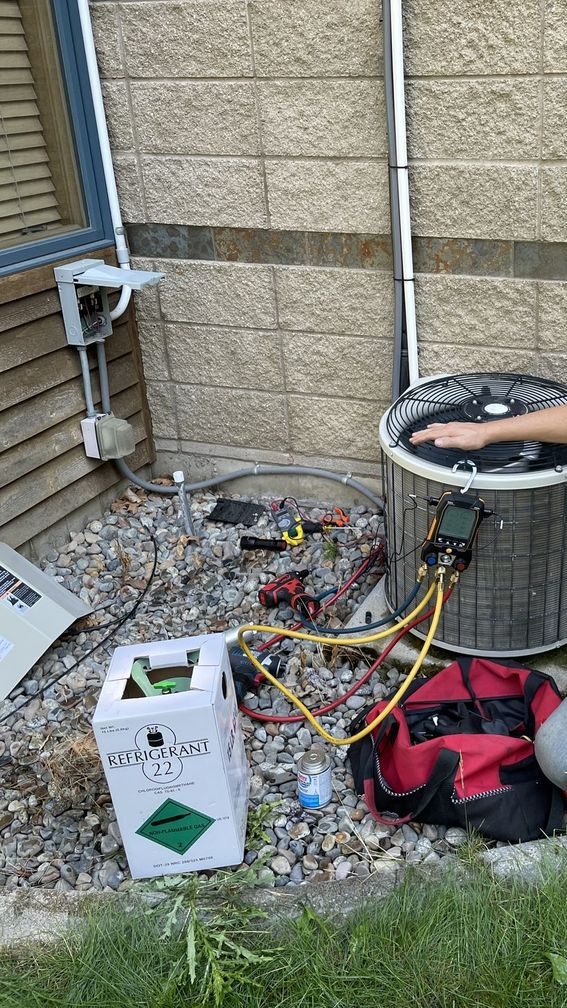
No. 6
Spring and fall visits clear needles and moss from the coil, open the drain holes in the base and test the defrost cycle before the long gray season.
Go to the service page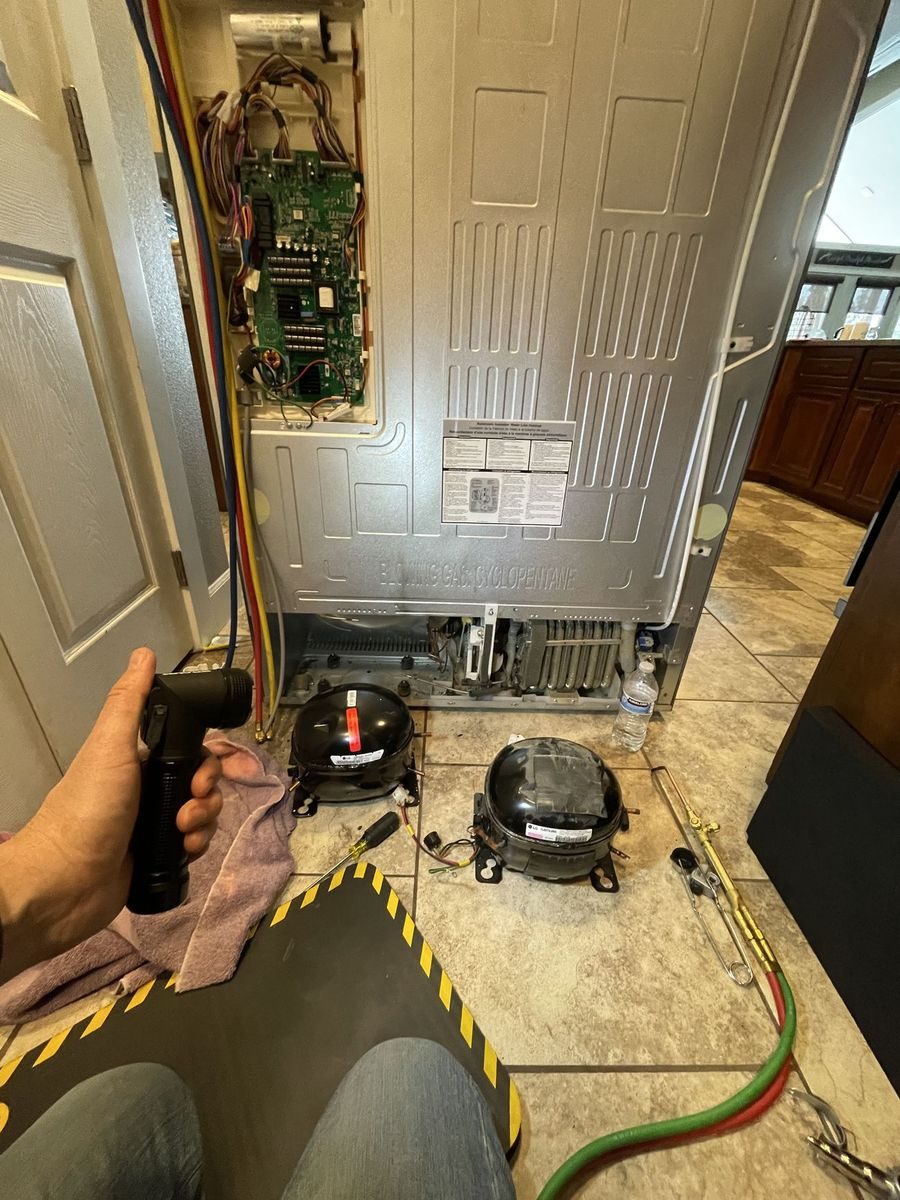
No. 7
Warm shelves usually come from frost on the coil, a fan that has stopped or a failed defrost part. Sealed-system repairs happen at home, by technicians holding EPA 608 Universal credentials.
Go to the service page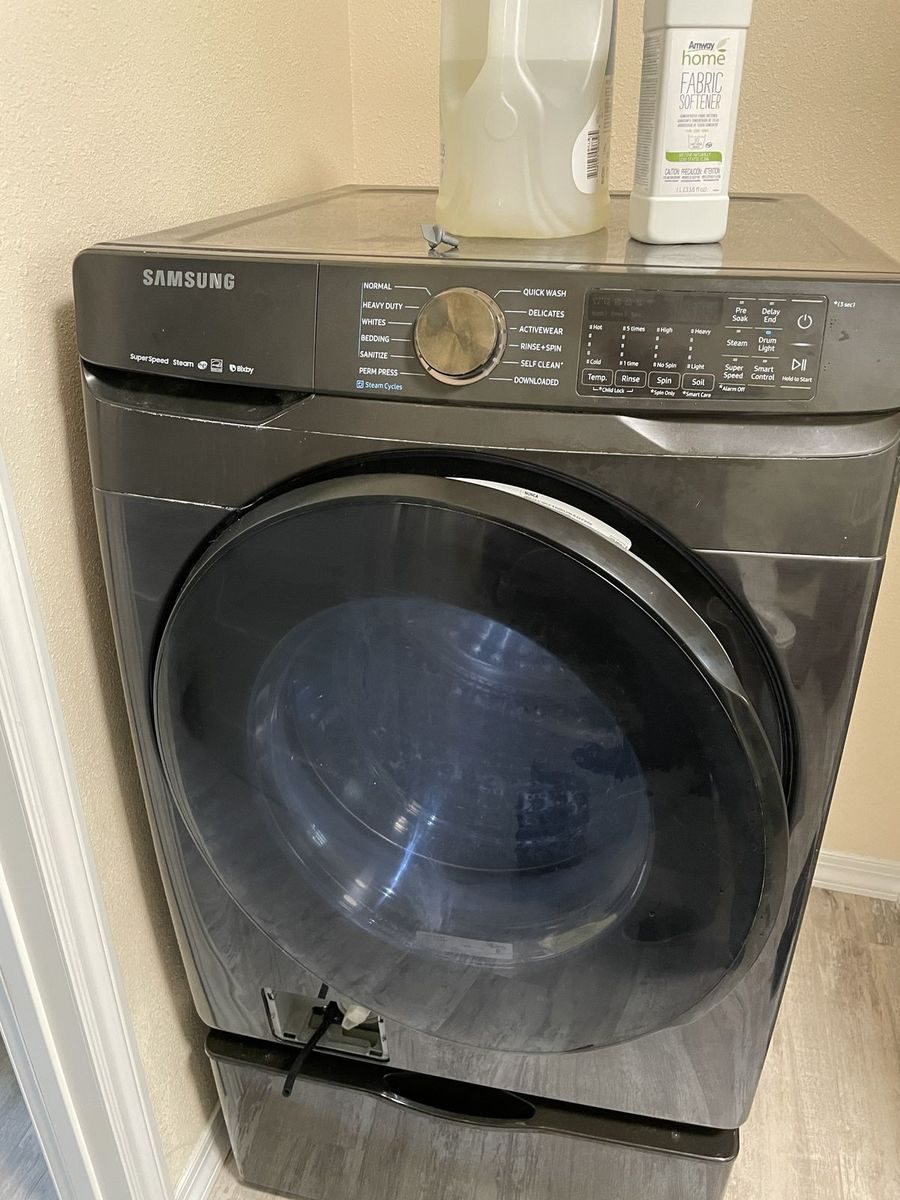
No. 8
Rural wells around Yelm and Rochester carry sediment that clogs inlet screens. A slow fill or a musty front-loader boot is where most washer visits start.
Go to the service page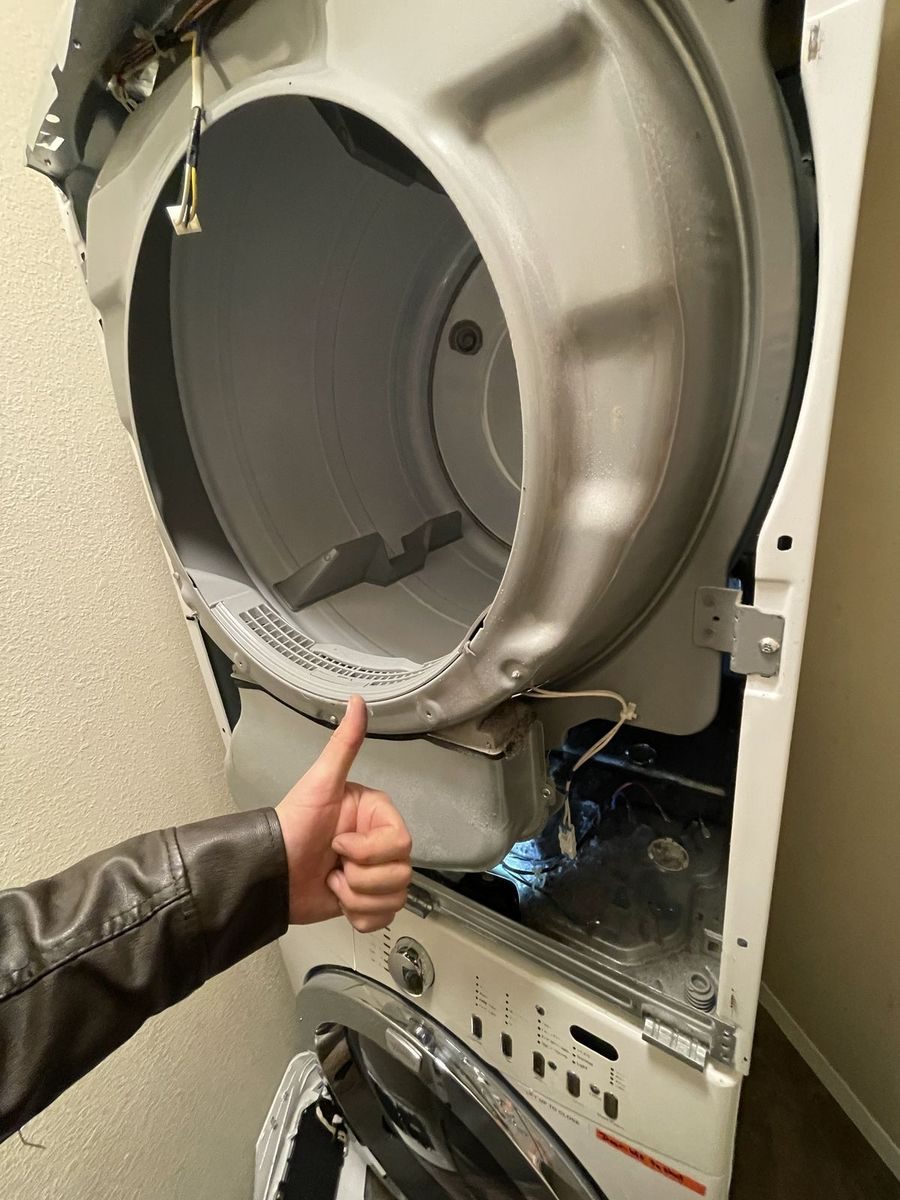
No. 9
Damp air and long vent runs make lint pile up fast in South Sound laundry rooms. The vent is tested together with the element or burner and the thermal fuse.
Go to the service page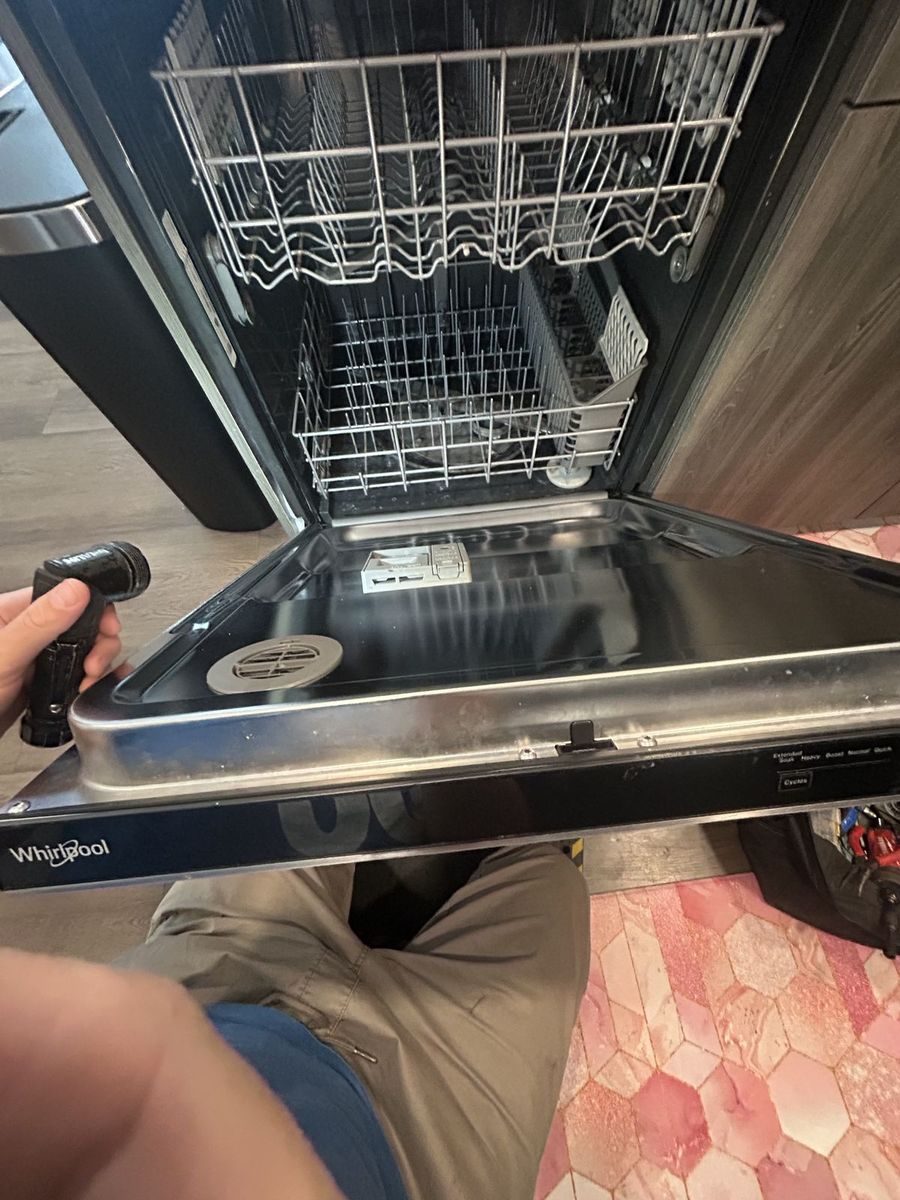
No. 10
Cloudy glasses and a tub that will not drain point to the filter, the drain pump or a hose without its loop under the counter. Each gets checked in order.
Go to the service page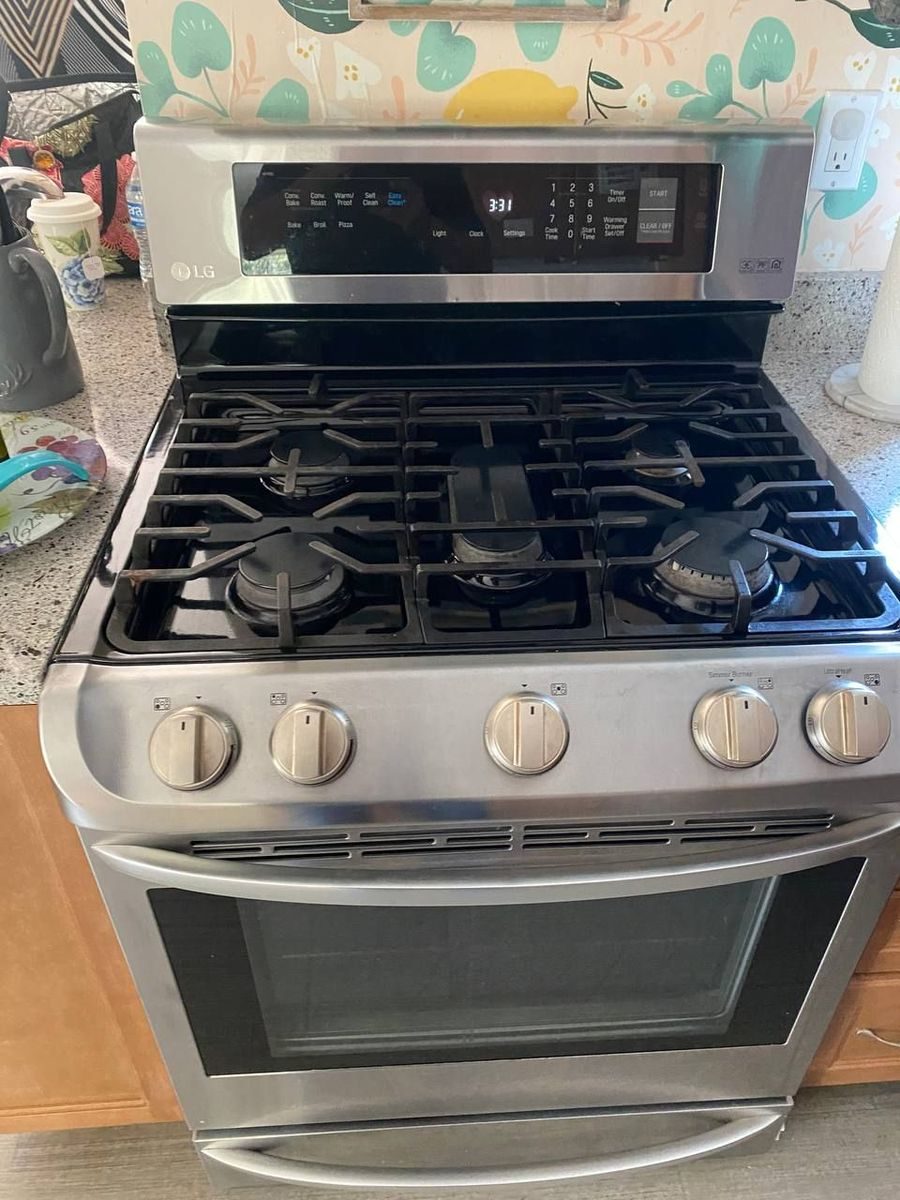
No. 11
Bake and broil elements, igniters and the oven sensor are metered before any part is ordered, on gas, electric and induction models alike.
Go to the service page
No. 12
When the ice stops after a power outage, the fill tube has often frozen. We check the water valve, the filter and the tube before blaming the ice maker.
Go to the service pageMoisture is most of it. Olympia collects about 50 inches of precipitation in a typical year, and from November through January rain falls on roughly two of every three days. Indoor heads wring water out of room air whenever they cool or run in dry mode, and in spring and fall a head that sits idle in a humid room can stay wet inside for days. Cooking, showers and pets add to the film on the wheel and coil, and mildew takes hold there. Heads in basements, in hallways near bathrooms and in ADUs with small kitchens tend to show it first.
Outdoors, the long stretches of 35- to 45-degree fog and drizzle are ideal heat pump weather, yet they frost the coil often, so defrost runs many times a day. A unit set low on the ground, or under an eave with no gutter, can sit in its own meltwater and freeze at the base when an arctic outbreak drops nights below 20°F. Under the tall firs of Timberlake, needles and moss pack into fins and base pans. Beside shops and barns on Yelm and Rochester acreage, cottonwood fluff and grass clippings clog the coil in late spring, and the surge after a windstorm outage is hard on inverter boards.
Repair usually makes sense when the trouble is a sensor, a drain pump, a grimy blower wheel or one leaking flare, since the compressor and boards are still sound and those fixes are modest. Replacement deserves a closer look when the compressor or inverter board dies on an older unit, when that model's parts have grown scarce, or when a head never had the capacity for its room. On a multi-zone system, one outdoor fault darkens every connected room at once, which weighs on the decision. If you heat with baseboard and have been thinking about adding heads to more rooms, we can quote that alongside the repair. Both paths get written out, with a note on which parts are on the truck and which need ordering, and the choice remains yours.
In many houses it can carry most of the heating, especially through the long mild, damp stretches that make up a South Sound winter. Closed-off rooms with no head of their own still need some heat, so plenty of owners keep baseboards in bedrooms and for cold snaps when nights fall below 20°F. Our technician looks at the floor plan and suggests where heads would do the most good.
Most often mold is growing on the blower wheel and the coil behind the filters. Both stay damp after cooling or dry-mode runs, and in a humid home they may never dry out between cycles. Rinsing filters makes a small difference, but the growth sits deeper inside the head. A thorough cleaning removes the cover and drain pan and washes the coil and wheel with a catch bag in place.
On cold, damp mornings this is nearly always the defrost cycle at work. The system reverses for a few minutes so the outdoor coil can shed its frost, the indoor fan pauses so it does not push chilly air, and the melting frost rises as vapor. If the outdoor unit stays coated in ice afterward, or defrost repeats every few minutes, book a visit.
Yes. Detached ADUs, garages and shops on rural lots are common mini-split jobs here. We check insulation, wall framing, door sizes and how the space is used, then size the system for winter cold as well as summer heat. When the building lacks a suitable power supply for the outdoor unit, the quote flags it in advance, since that wiring belongs to a separate electrical contractor.
One reset is reasonable. Note the code first, switch the system off at its breaker for about a minute, then restore power. A brief power blip during a windstorm can leave a stale fault in memory. If the code returns, schedule a visit. Codes narrow the search to an area rather than one part, so a thermistor code may come from a loose plug, and guesswork tends to replace good parts.
We do. Heads mounted on inside walls, or where a drain cannot run downhill, often rely on a small pump tucked into the line-set cover or the wall cavity. Those pumps fail from algae, worn motors or a stuck float, and water on the wall is usually the first clue. We test the pump, clean its reservoir and tubing, and replace it when the motor is worn.
Ready when you are
Use the online form to hold a day and whichever arrival window suits you, or reach a person by phone 8 AM–7 PM daily. Having the brand and the displayed code handy speeds things up. The office will phone to settle the booking, and your technician rings again when the van leaves for your place.
Online booking
Tell us what is acting up and when suits you. A coordinator phones to confirm the slot, and your technician calls again when heading your way.
These registrations are open to anyone. Look the numbers up on L&I Verify, and see our licenses page for what each one covers.
Read what each license allows