No. 1
Heat pump repair
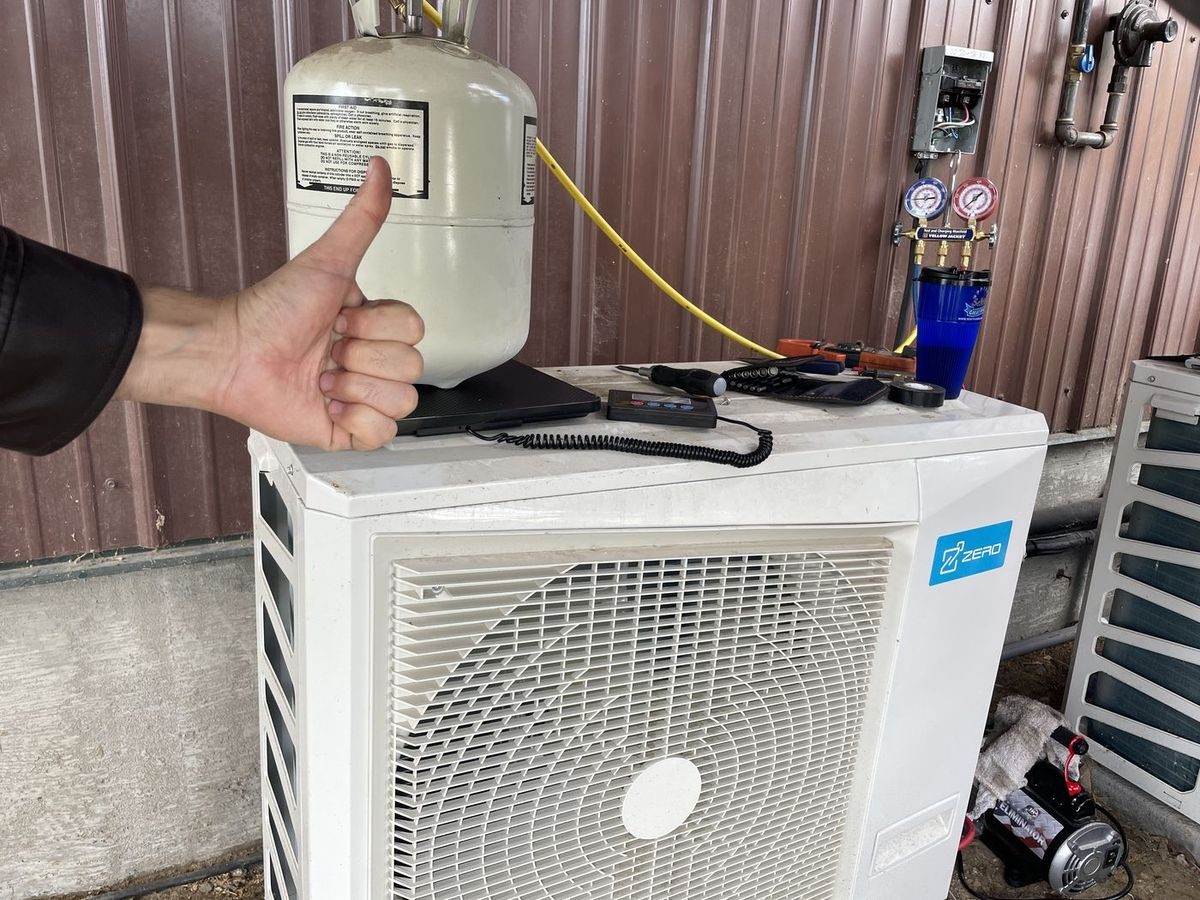
Olympia winters stay wet and just above freezing for weeks, so defrost does a lot of work. We read the coil sensor, the defrost board and the charge before anything else.
Go to the service page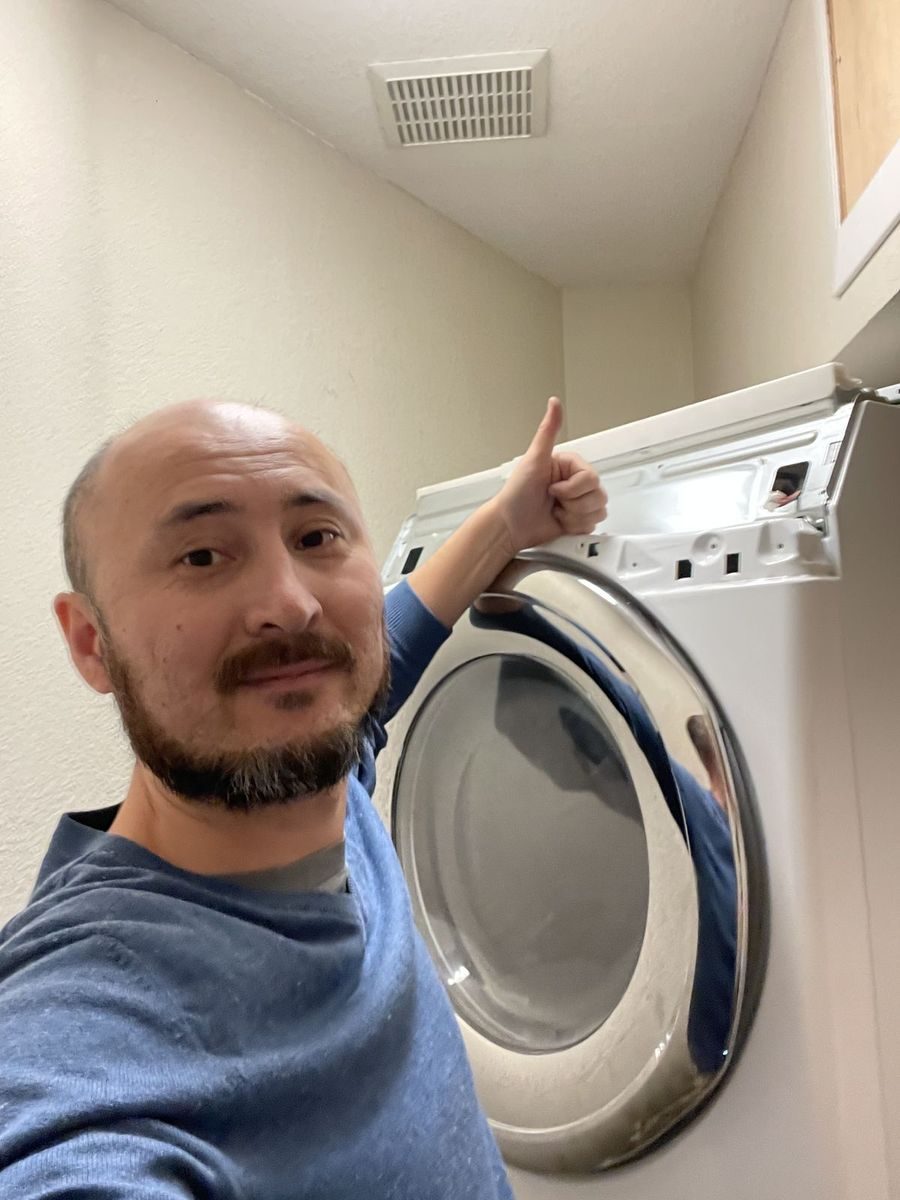
Rochester, southwest Thurston County, 98579
Rochester is unincorporated, rural southwest Thurston County: acreage, private wells and plenty of manufactured homes whose furnaces live in hallway closets. Our technicians repair heat pumps, furnaces, AC, mini-splits and household appliances across the area, and they measure before they replace anything.
Quick answer
Larch HVAC & Appliance serves Rochester and the 98579 area of southwest Thurston County. Our crews repair furnaces, heat pumps, air handlers, AC and ductless systems in site-built and manufactured homes alike, and we fix fridges, laundry machines, dishwashers and ranges running on well water. Pick a Rochester visit window online, or call from 8 AM until 7 PM on any day, and expect the office to confirm it by phone.
Manufactured homes, wells and open rural ground shape most of them. Many Rochester homes are manufactured, and their heating equipment usually stands in a narrow closet off a hallway: often a downflow furnace or air handler pushing air into ducts that run through the belly under the floor. Return air comes back through a louvered door or a wall grille, and dryer vents leave through the floor or a short side wall. Those layouts work fine, but they leave little margin when a filter clogs or storage crowds the closet.
Most properties out here draw from private or small community wells, and the soil is often the gravelly glacial outwash of the South Sound prairies, the same ground that forms the Mima Mounds near Littlerock. Yards drain fast, yet the air stays damp from fall through spring, so outdoor coils collect moss and algae and condensate lines grow slime. When snow, freezing rain or wind brings down lines in Thurston County, the jolt as power returns is rough on control boards in furnaces, heat pumps and appliances alike.
We plan for that before arriving. Technicians bring compact tools for tight closets, and the truck holds thermal fuses, belts, pumps, valves, fan motors, flame sensors, igniters, contactors and capacitors. After testing, you get the repair price on paper to approve, and nothing proceeds without that approval. Ordered parts are priced up front, and each invoice states the warranty terms in writing.
Most often it is overheating from choked airflow. A clogged filter, closet-door louvers blocked by boxes, or a crushed duct beneath the floor drives static pressure up until the high-limit switch kills the burners or heat strips partway through a cycle. On double-wide homes, the flexible crossover duct joining the two halves can sag, tear or fill with water and starve one end of the house. Our technician takes static pressure readings, compares supply and return temperatures, tests the limit switches and blower motor, and on gas furnaces reads the flame sensor in microamps and checks the inducer, pressure switch and igniter. We secure the duct connection at the equipment and tell you plainly if the crossover or belly ducts need attention.
Heat pumps paired with manufactured-home air handlers face the same damp winters as the rest of the South Sound. Days in the upper 30s and 40s mean frequent defrost, and moss or fir needles on the outdoor coil make it worse. A unit that ices over and stays that way points toward the defrost control, a coil thermistor, the reversing valve or a short charge, so we read superheat and subcooling and search for leaks, with refrigerant handled under the EPA 608 Universal credential. Outdoor units on settling blocks or pads can tilt, straining the line set and trapping water, so we check that the cabinet sits level. When replacement beats repair, our 06A HVAC/Refrigeration specialty covers it, and the quote puts equipment and installation in one written figure.
Dryer venting and well water account for many of them. In a manufactured home the dryer duct often runs down through the floor and under the house to an opening in the skirting, and that path can be crushed, kinked, pulled loose or packed with lint. With little airflow, the drum runs hot, the cycling thermostat and high-limit trip again and again, and one day the thermal fuse gives out for good. Our technician tests the heating element or gas valve coils, the thermostats and the fuse, checks airflow where the duct leaves the dryer, and shows you if the run beneath the home is the real problem.
Well water wears on anything that fills. Sediment and iron collect in washer and dishwasher inlet screens, slow the refrigerator's water valve and leave rusty stains in tubs. Ice makers dropping stubby cubes, washers that take ages to fill and dishwashers flashing a low-water code usually trace back to a screen or valve. We clean or replace those parts, test valve coils and check the fridge filter. Our 07D Appliance Repair specialty stretches across the rest as well, cooktops, ovens and ranges included, along with freezers, washers and dryers.
Single- and double-wide homes put the furnace or air handler in a closet, the ducts in the belly and the dryer vent through the floor. We check the filter rack, closet return, crossover connection, limit switches and blower, then look at the dryer vent path, because airflow trouble in both places often shows up together.
Larger rural lots mean long driveways, gates, animals and outbuildings. Tell the office how to find the equipment and whether a gate needs opening. Outdoor units standing in open pasture catch wind and rain from every side, so we look over fin condition, fan blades and the wiring connections inside the cabinet.
The gravelly prairie soil near Littlerock and the Mima Mounds drains well, but fog and damp air still settle in every winter. Heat pumps here defrost often and coils hold onto moss. We confirm defrost timing and coil sensor readings, and we clear the condensate drain where algae builds up.
Sediment, iron and minerals reach inlet screens and valves sooner than on city water. Slow fills, orange stains and short ice cubes are the clues to watch for. Ask our technician how often to check the screens on your particular water, since every well is a little different.
Older site-built houses in the area often keep their ducts and furnace in a damp crawlspace, with heating upgraded more than once. We read the flame sensor, test the igniter and inducer, look for rust on the burners and confirm the thermostat wiring matches the equipment now installed.
Each tab carries a photo from our service work and the first checks we make on that job. Choose a tab, or let them change by themselves.
No. 1
Olympia winters stay wet and just above freezing for weeks, so defrost does a lot of work. We read the coil sensor, the defrost board and the charge before anything else.
Go to the service page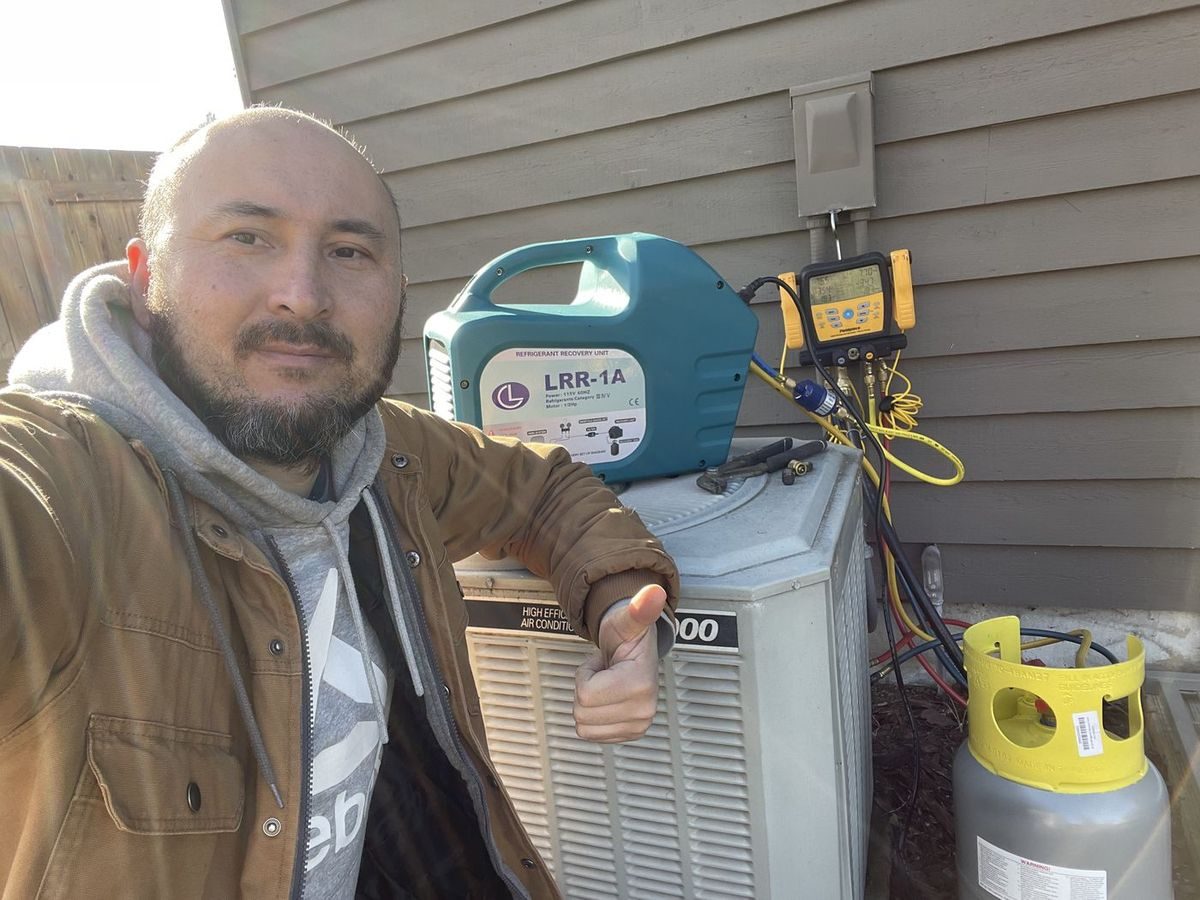
No. 2
Cooling was an afterthought in many South Sound homes until the 2021 heat dome. When a newer system lags on a hot day, airflow, the capacitor and the charge come first.
Go to the service page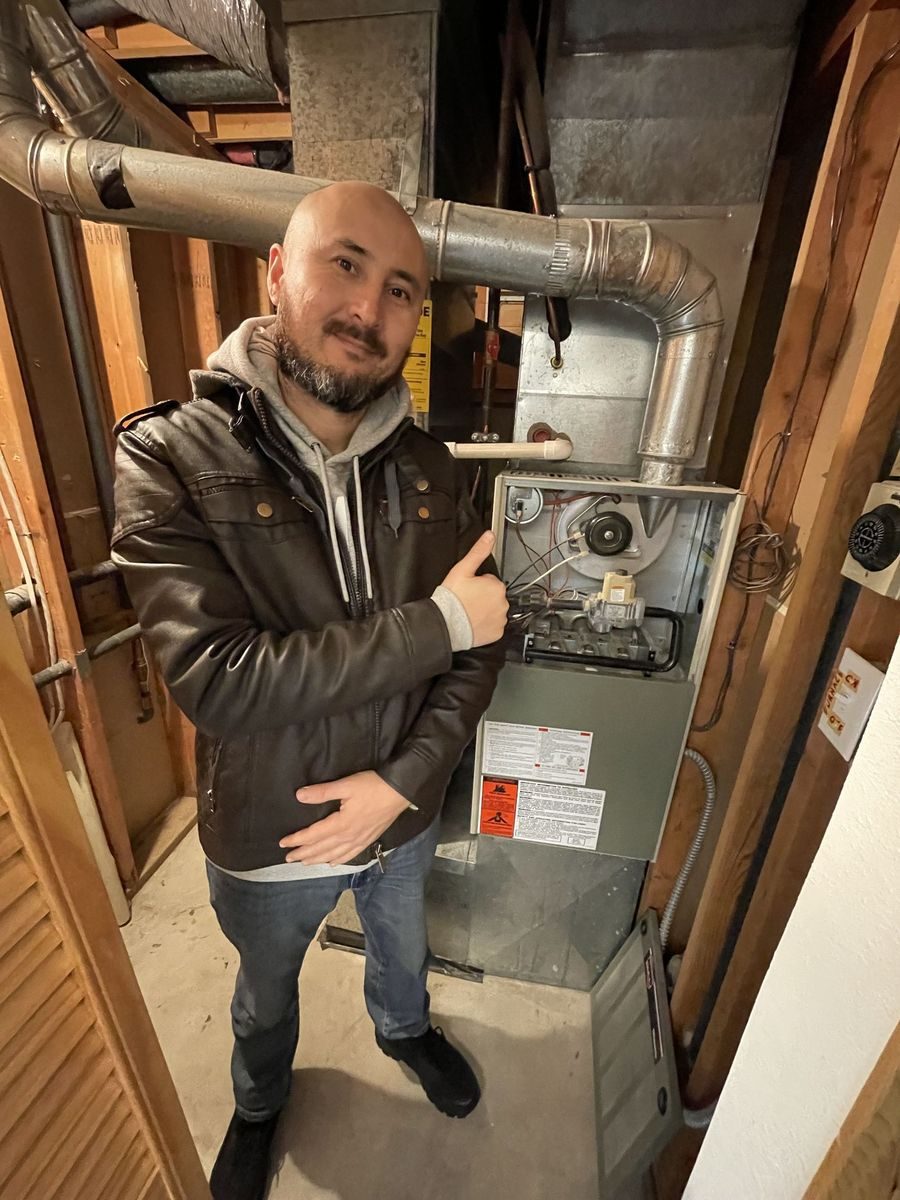
No. 3
Gas or electric, a furnace that quits on a cold morning is traced step by step: thermostat call, inducer, pressure switch, igniter, flame sensor, limit.
Go to the service page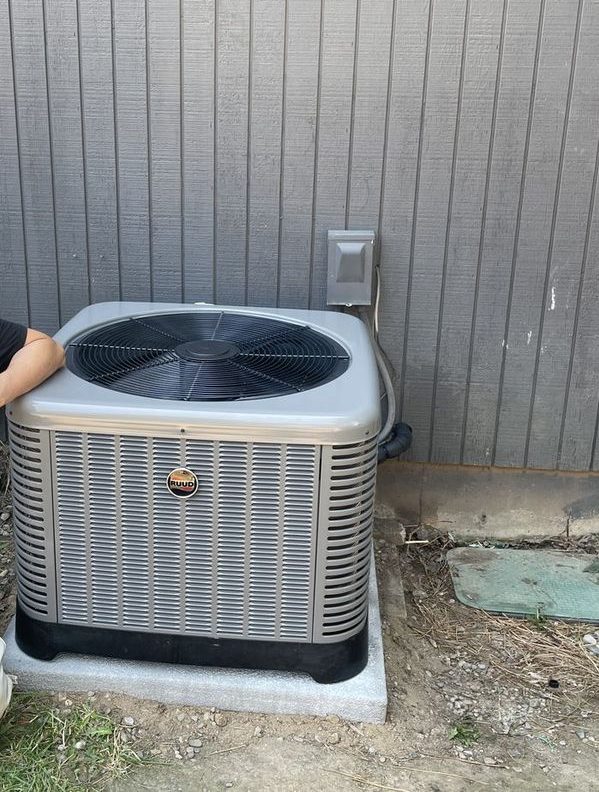
No. 4
A new system starts with a load calculation and a dry, level pad. Prairie gravel drains fast; in low clay corners we set the unit higher.
Go to the service page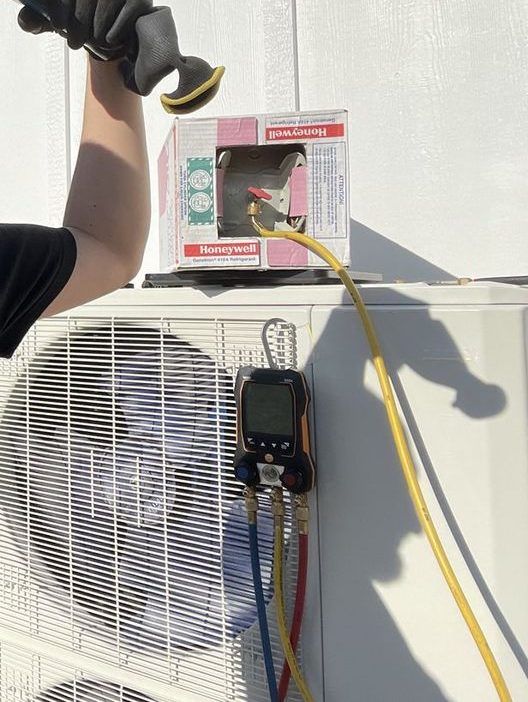
No. 5
Ductless heads suit older Olympia houses with no space for ducts. The line set runs outside, so its insulation and the condensate drain get a close look.
Go to the service page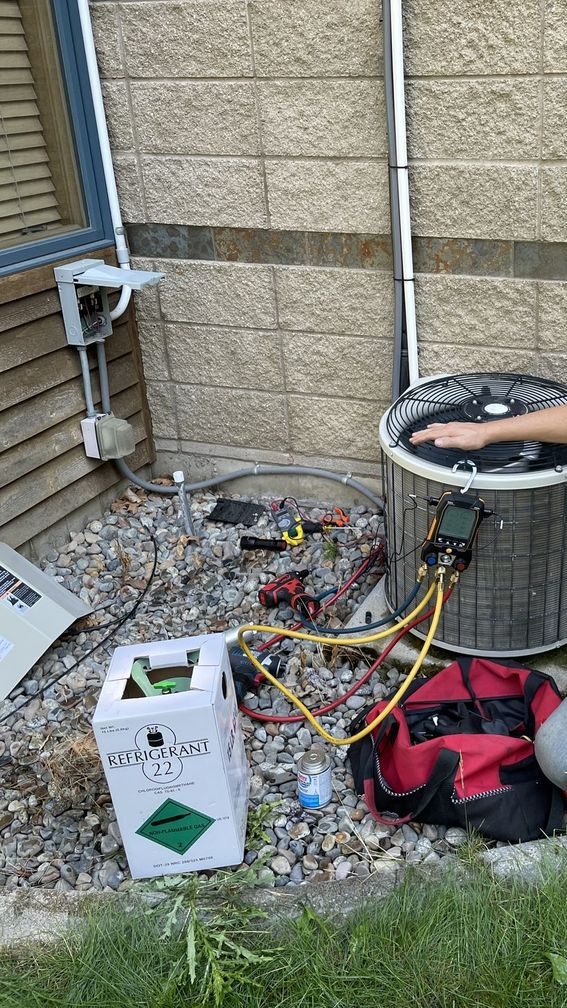
No. 6
Spring and fall visits clear needles and moss from the coil, open the drain holes in the base and test the defrost cycle before the long gray season.
Go to the service page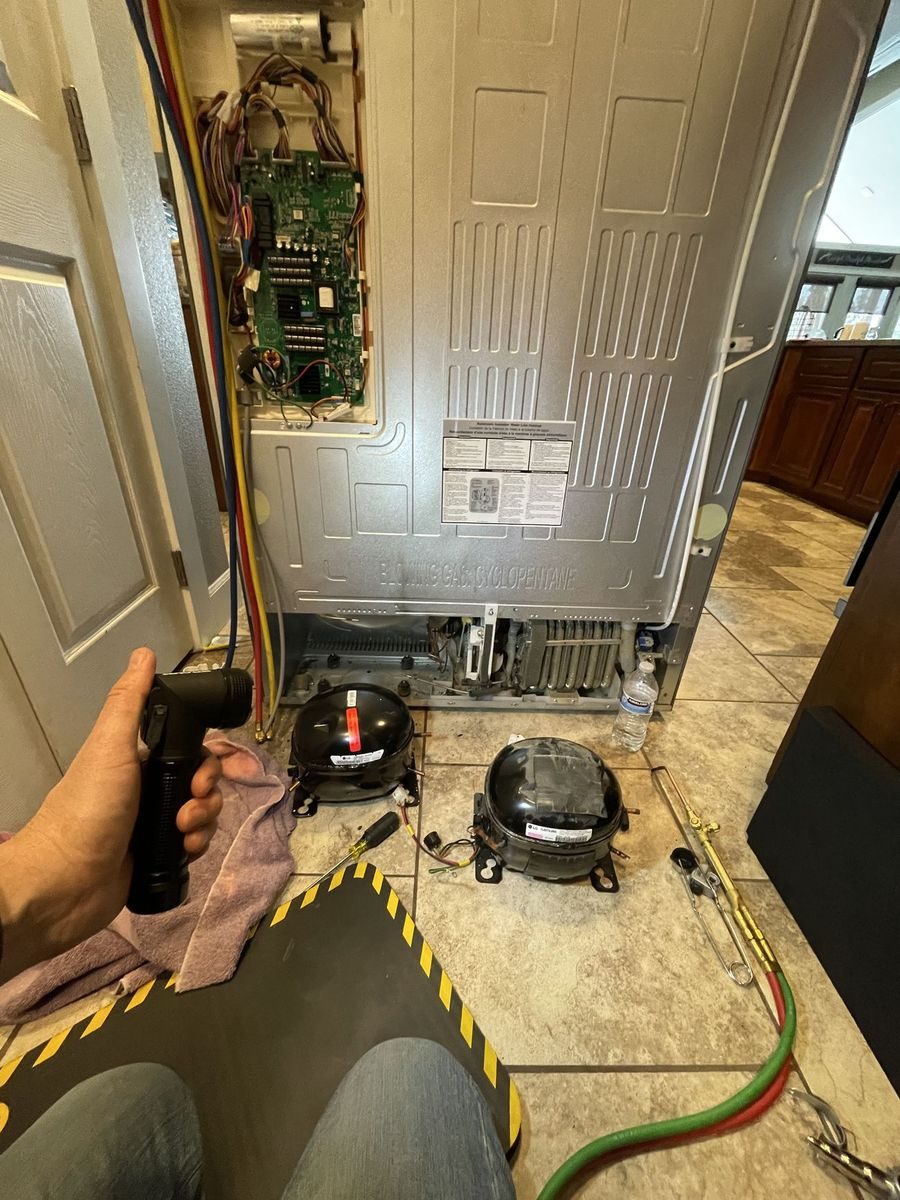
No. 7
Warm shelves usually come from frost on the coil, a fan that has stopped or a failed defrost part. Sealed-system repairs happen at home, by technicians holding EPA 608 Universal credentials.
Go to the service page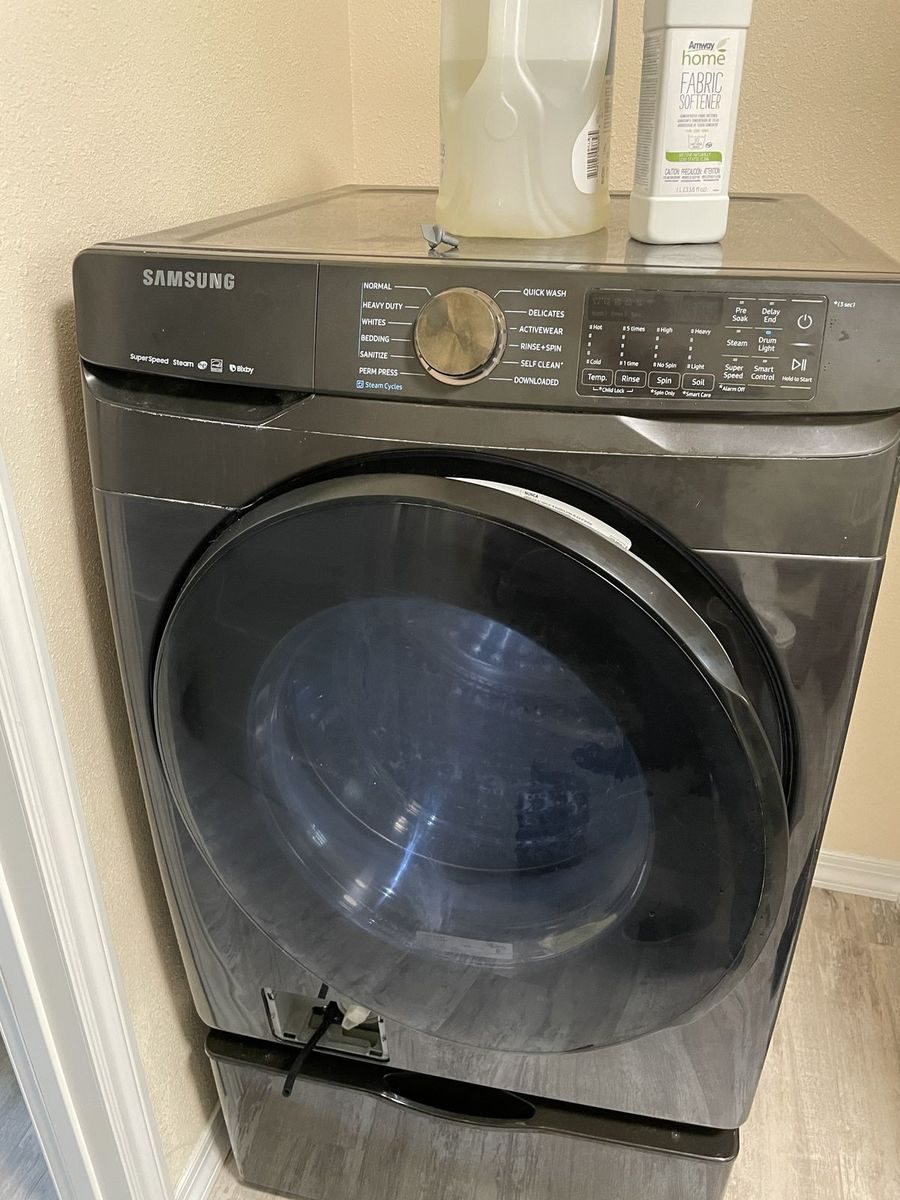
No. 8
Rural wells around Yelm and Rochester carry sediment that clogs inlet screens. A slow fill or a musty front-loader boot is where most washer visits start.
Go to the service page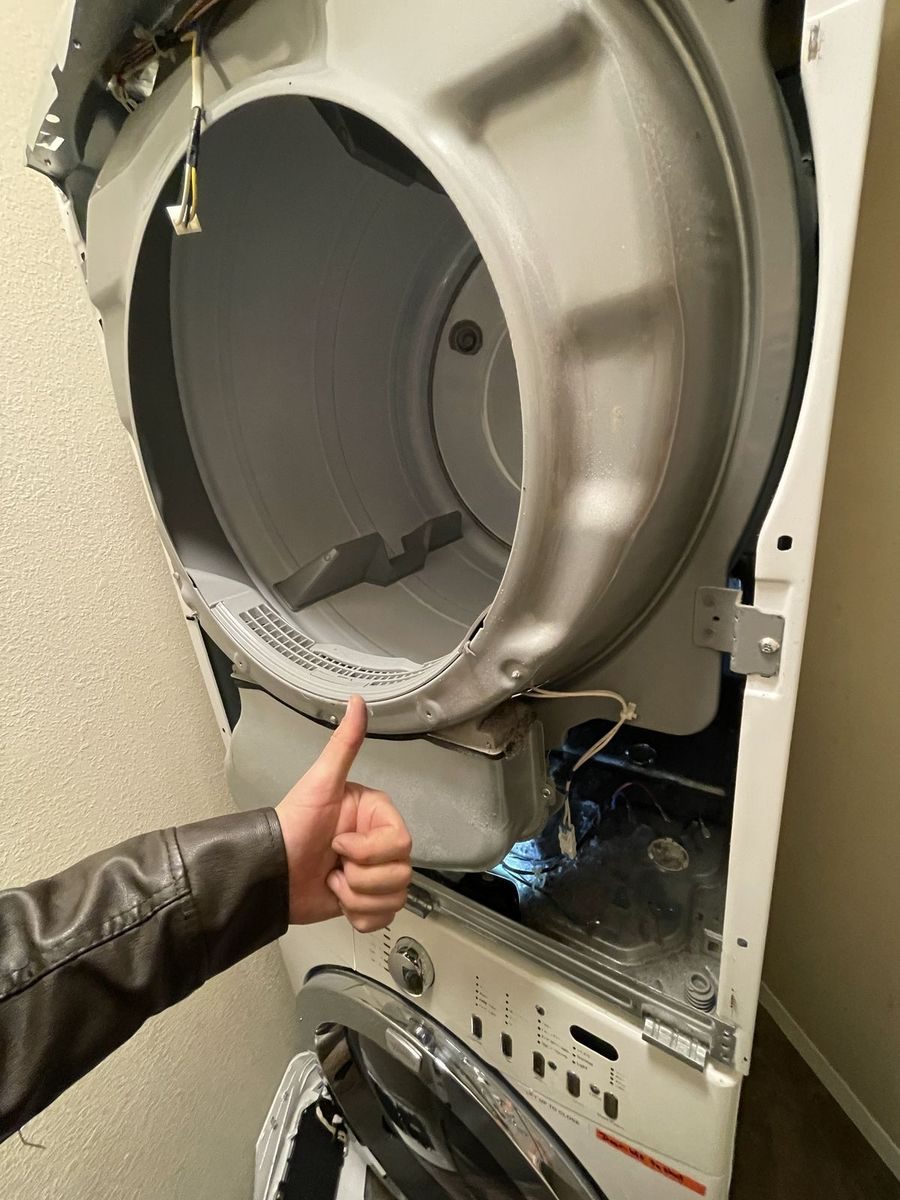
No. 9
Damp air and long vent runs make lint pile up fast in South Sound laundry rooms. The vent is tested together with the element or burner and the thermal fuse.
Go to the service page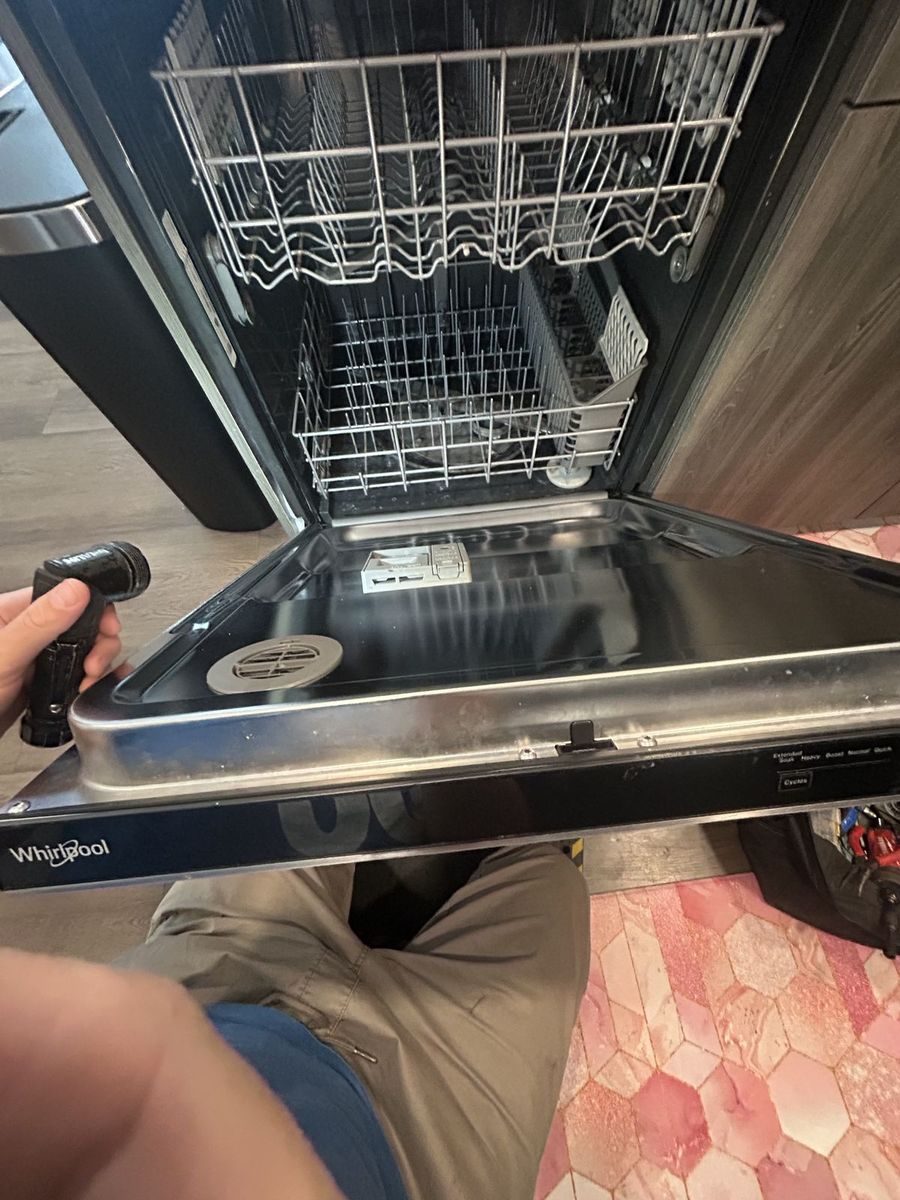
No. 10
Cloudy glasses and a tub that will not drain point to the filter, the drain pump or a hose without its loop under the counter. Each gets checked in order.
Go to the service page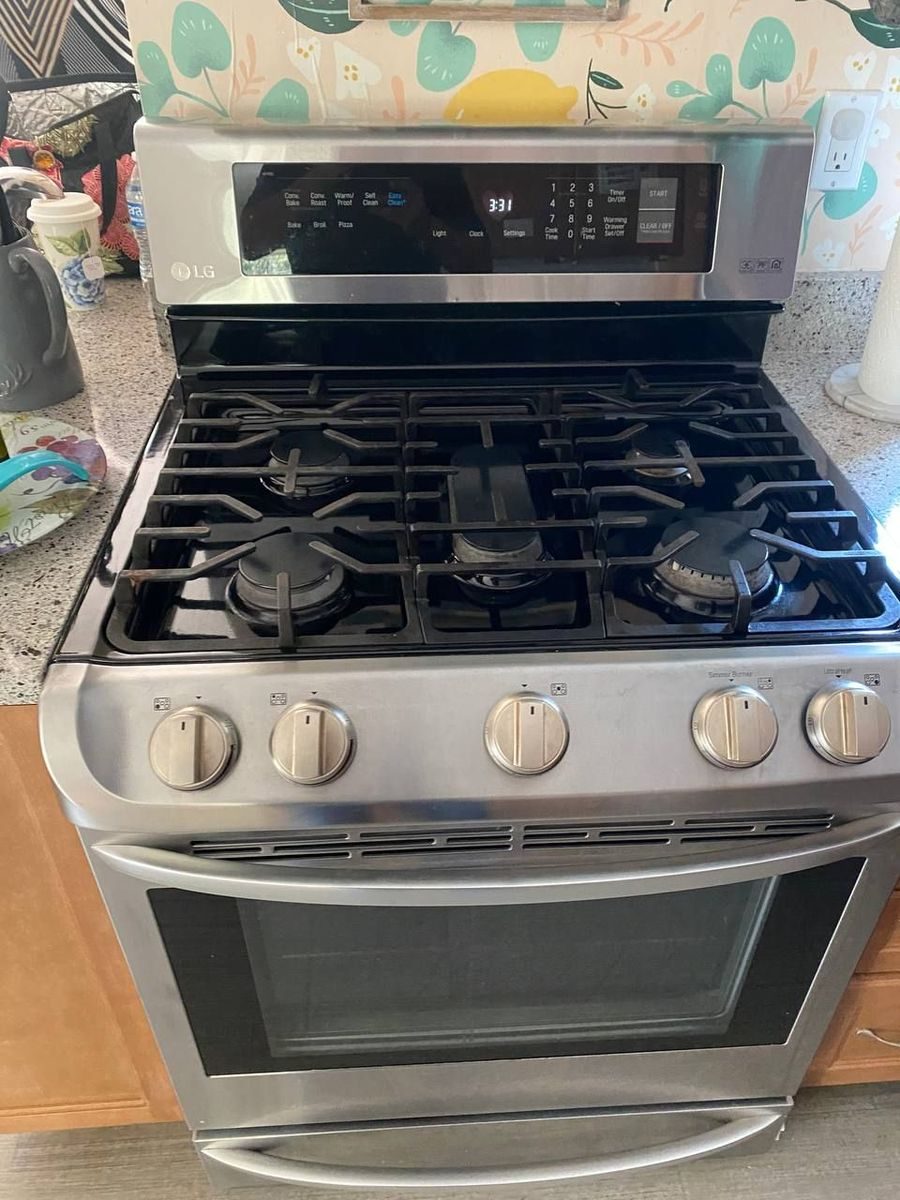
No. 11
Bake and broil elements, igniters and the oven sensor are metered before any part is ordered, on gas, electric and induction models alike.
Go to the service page
No. 12
When the ice stops after a power outage, the fill tube has often frozen. We check the water valve, the filter and the tube before blaming the ice maker.
Go to the service pageYes. Downflow gas and electric furnaces, plus the air handlers that pair with heat pumps, are routine work in narrow Rochester closets, and our technicians bring compact tools and work lights. Clearing stored items out of the closet before the visit saves time. If the unit needs replacing, we look for equipment rated for manufactured homes, and our written quote gives one figure covering the equipment and the installing of it.
Quite possibly. A hot cabinet and damp clothes together usually mean moist air cannot escape. Manufactured-home dryer vents tend to run beneath the floor out to the skirting, where they get crushed, come apart or fill with lint. Our technician confirms by checking airflow at the dryer and testing the thermostats and thermal fuse, then tells you whether the dryer, the duct run or both are the problem.
A partly clogged screen at the inlet, or a valve that has gone weak, is the most common reason. Sediment from a well slows the fill, the dishwasher never senses enough water, and the control posts an error. Low pressure from the well system itself can play a part too. Our technician checks the screen, tests the valve coil and confirms the drain is not siphoning water out during the fill.
Not until testing says so. A swollen capacitor, a pitted contactor, a tired fan motor or a bad defrost board is usually a reasonable repair even on an older unit. Repeated refrigerant leaks, a failing compressor or a system too small for the home point toward replacement instead. Our technician explains both paths with written prices, so you can choose with the facts in hand and no pressure.
Reserve online with a Rochester date plus an arrival window, or phone us during the 8 AM to 7 PM hours; the office then rings to confirm. You learn the diagnostic fee amount while scheduling. Give the repair a yes and the fee is counted inside the Rochester repair total; say no and only the fee is owed. Spanish replies are available.
Ready when you are
Head to our booking page, set a date and arrival window, or call any day, 8 AM through 7 PM. Expect the office to phone and confirm, and your technician to ring from the road.
Online booking
Tell us what is acting up and when suits you. A coordinator phones to confirm the slot, and your technician calls again when heading your way.
These registrations are open to anyone. Look the numbers up on L&I Verify, and see our licenses page for what each one covers.
Read what each license allows