No. 1
Heat pump & AC installation
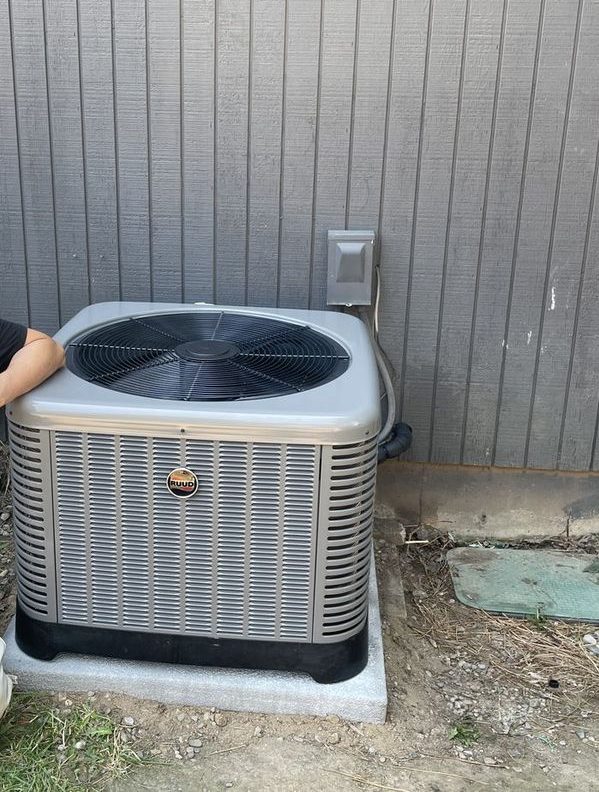
A new system starts with a load calculation and a dry, level pad. Prairie gravel drains fast; in low clay corners we set the unit higher.
Go to the service page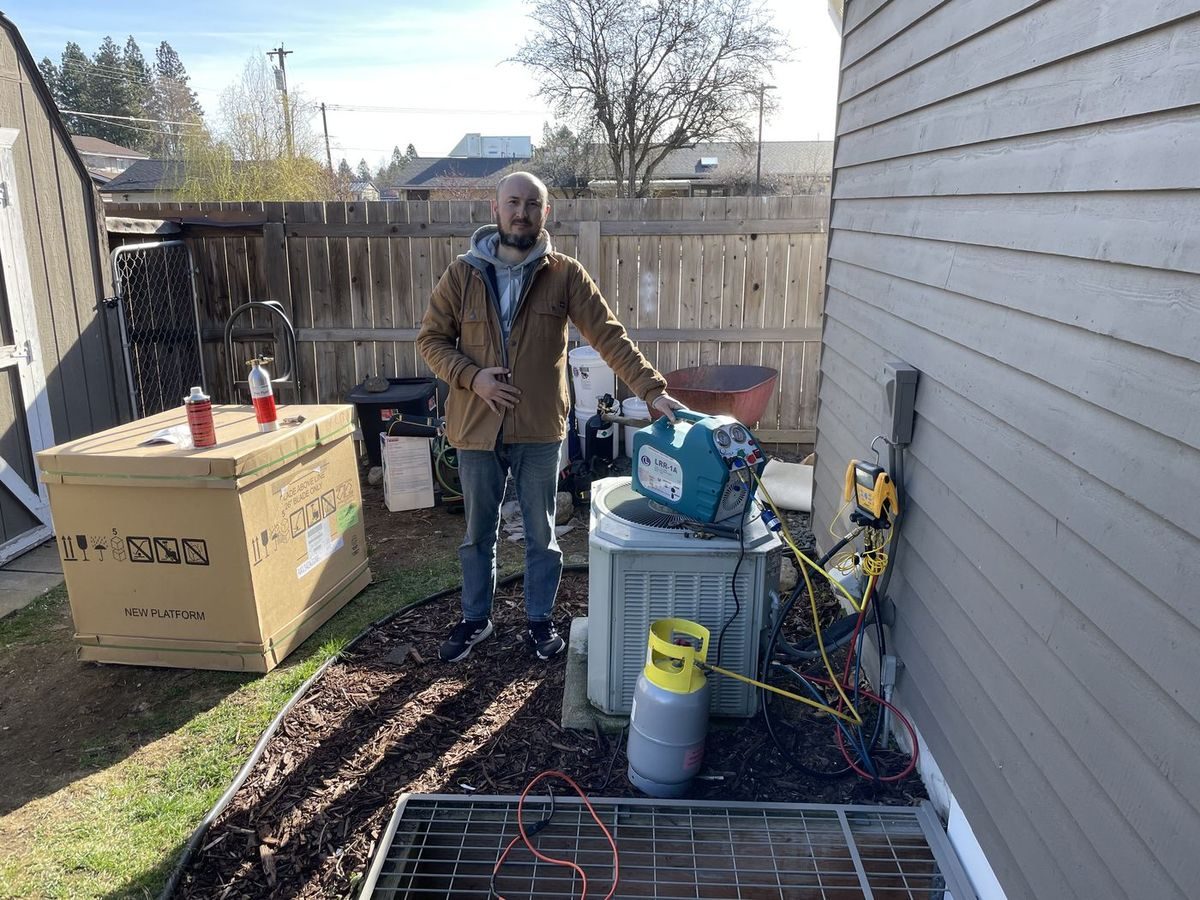
New heat pumps, air conditioners and ductless systems
Plenty of homes here went up without central air, and since the 2021 heat dome many have added a heat pump or AC. Others are retiring builder-grade systems that are wearing out. We size each one for long, damp winters and brief, fierce heat, then quote equipment and installation as one written figure.
Quick answer
A new heat pump or air conditioner in the South Sound should come from a room-by-room load calculation, not the old unit's label, because the house needs steady heat through months of 35–45°F weather plus enough cooling for rare heat waves. We handle equipment, line set, evacuation, charging and ductwork connections at the equipment, and quote all of it as one written figure.
For most South Sound homes, yes, and a heat pump usually beats a cooling-only air conditioner. Many houses here were built without central air because summers stayed mild, with July and August highs averaging around 78°F. Then the June 2021 heat dome sent Olympia to 110°F, and households across the area began adding heat pumps and AC. A heat pump cools in summer and then heats efficiently through the long wet winter, so the equipment earns its place in both seasons rather than a few weeks a year.
The right setup depends on what the house already has. A home with a gas furnace and ducts can add an outdoor heat pump and an indoor coil, with the furnace stepping in on the coldest nights. A home with an aging electric furnace can trade it for a heat pump and a matched air handler carrying backup strips. A house heated by electric baseboard, with no ducts, usually suits ductless mini-splits, one indoor head per zone.
Two Washington licenses cover our installs. The electrical contractor license holds our 06A HVAC/Refrigeration specialty, and a separate general contractor license covers construction-side work. Anyone opening the refrigerant circuit on your job holds the EPA 608 Universal credential. Equipment comes from makers such as Carrier, Trane, Lennox, Daikin, Mitsubishi, Fujitsu and LG. To start, reserve a quote visit online or call.
It begins with a quote visit and a load calculation. The technician measures rooms, notes windows, insulation and ceiling heights, checks the existing ducts and their static pressure, and looks for an outdoor spot with good drainage, clear of dripping rooflines and fir needle fall. From that, we size the system for steady heat through months of mid-30s to mid-40s weather and arctic nights well below 20°F, with enough cooling for a heat wave, instead of oversizing for a peak that comes once every few summers. The written quote names the equipment and shows a single figure that covers both the equipment and its installation. Any electrical needs outside our scope are discussed before the quote, so you know what else the project requires.
On installation day, the outdoor unit goes on a pad or wall bracket high enough to stay clear of standing water and snow, and the indoor coil or air handler is placed and joined to the ductwork at the equipment. The line set is replaced or, where size and condition allow, cleaned and reused, with new joints brazed under flowing nitrogen to keep scale out. The system is pressure tested, evacuated to a deep vacuum measured in microns and held to prove it is tight, then charged by weight and checked against superheat and subcooling targets. Before leaving, we record temperature split and static pressure, set up the thermostat's auxiliary heat staging, and walk you through it. The invoice lists the warranty terms in writing.
Each tab carries a photo from our service work and the first checks we make on that job. Choose a tab, or let them change by themselves.
No. 1
A new system starts with a load calculation and a dry, level pad. Prairie gravel drains fast; in low clay corners we set the unit higher.
Go to the service page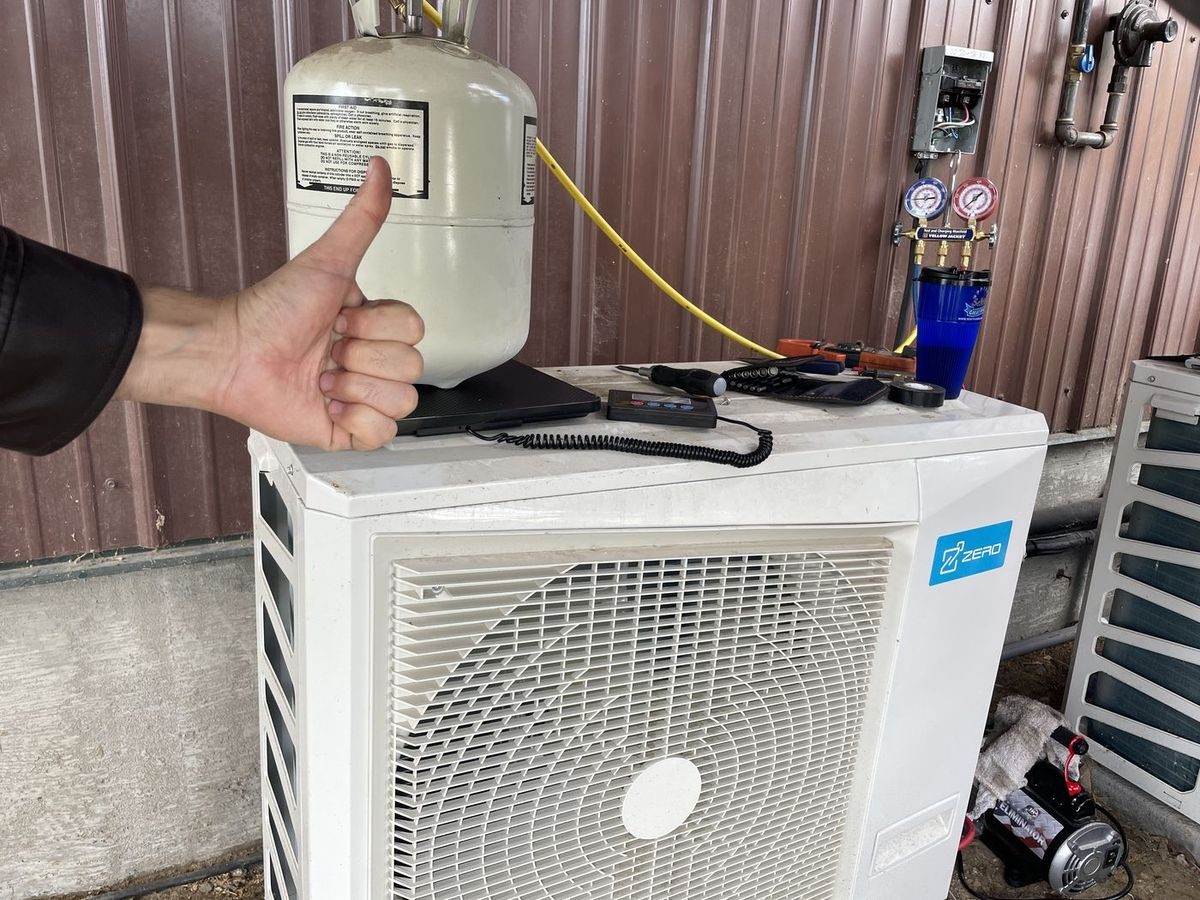
No. 2
Olympia winters stay wet and just above freezing for weeks, so defrost does a lot of work. We read the coil sensor, the defrost board and the charge before anything else.
Go to the service page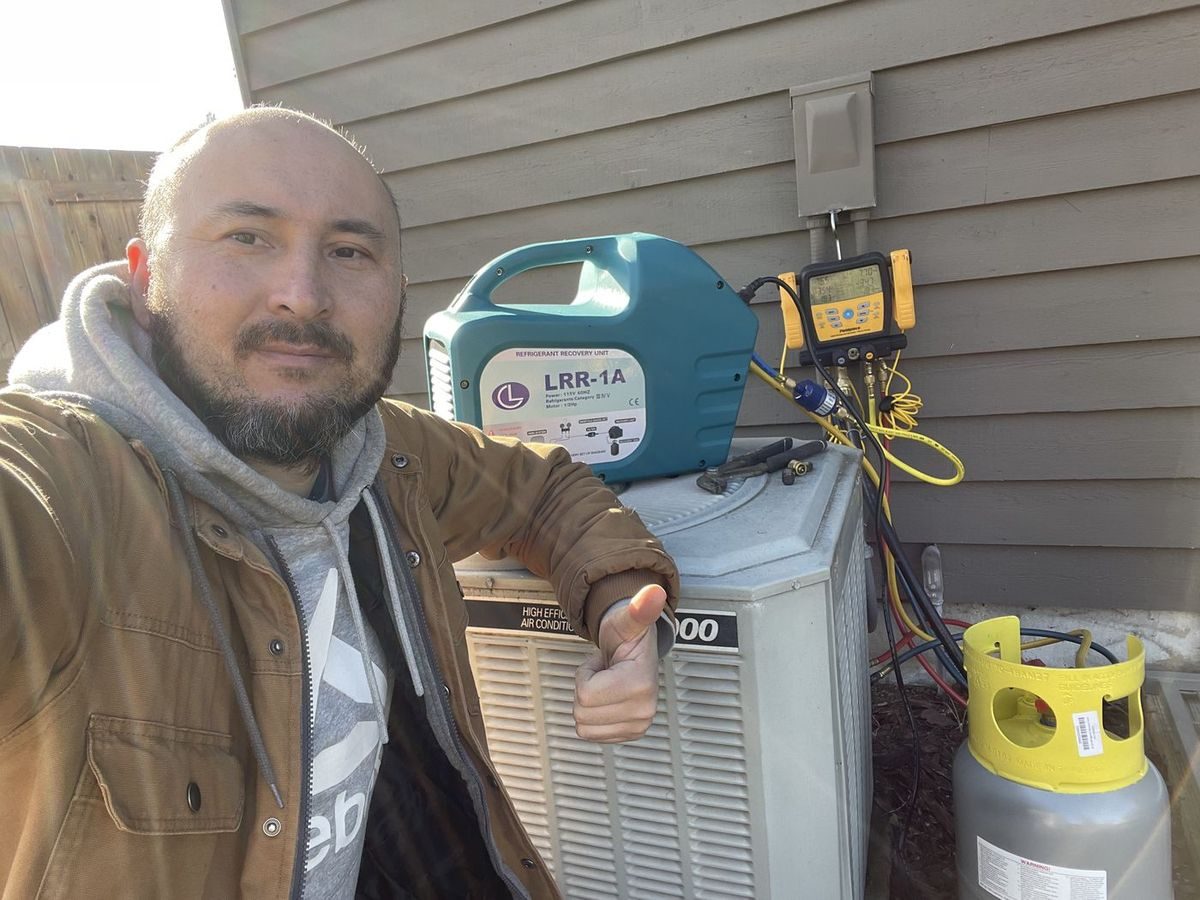
No. 3
Cooling was an afterthought in many South Sound homes until the 2021 heat dome. When a newer system lags on a hot day, airflow, the capacitor and the charge come first.
Go to the service page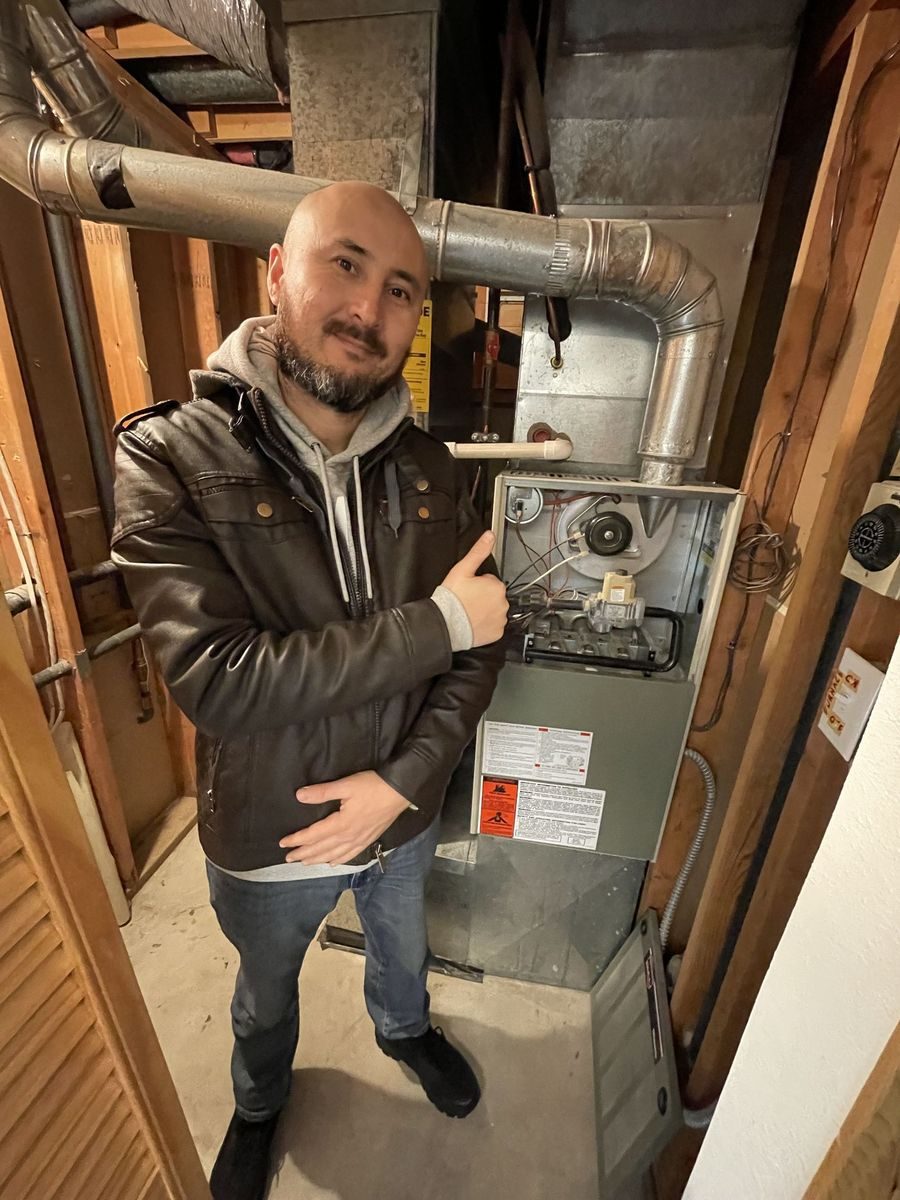
No. 4
Gas or electric, a furnace that quits on a cold morning is traced step by step: thermostat call, inducer, pressure switch, igniter, flame sensor, limit.
Go to the service page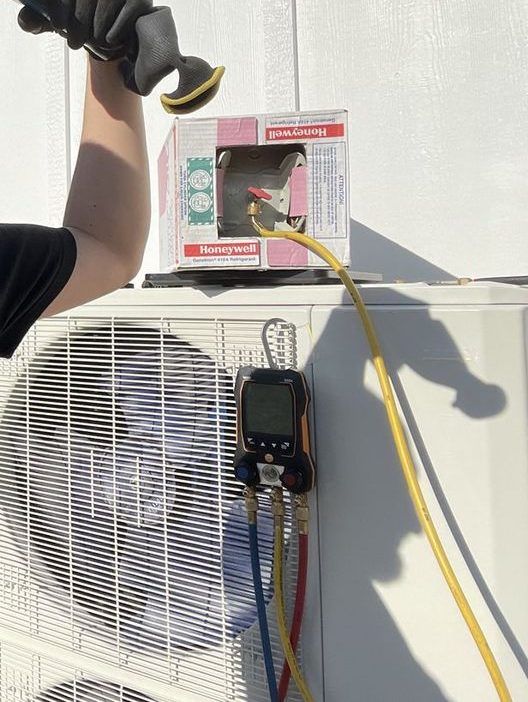
No. 5
Ductless heads suit older Olympia houses with no space for ducts. The line set runs outside, so its insulation and the condensate drain get a close look.
Go to the service page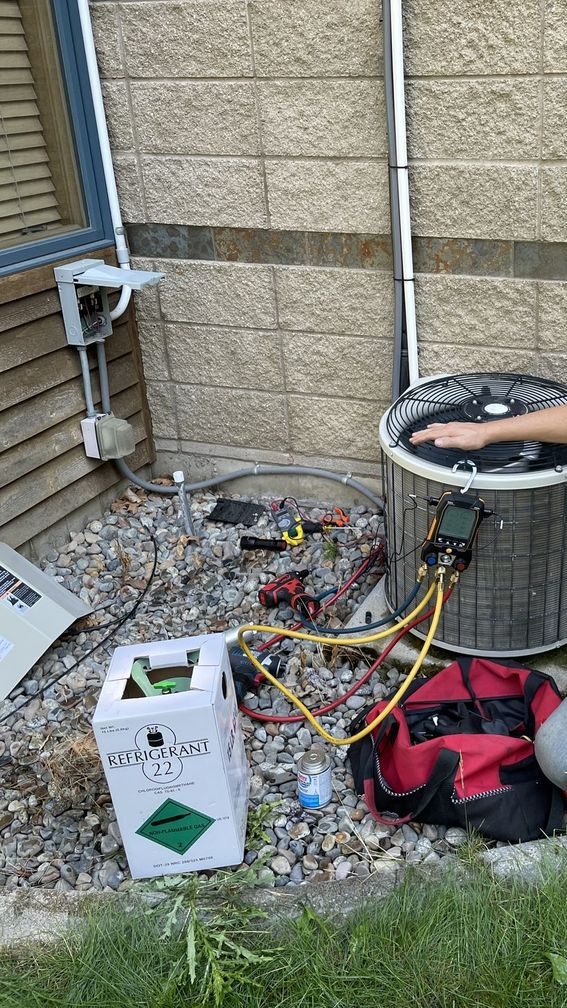
No. 6
Spring and fall visits clear needles and moss from the coil, open the drain holes in the base and test the defrost cycle before the long gray season.
Go to the service page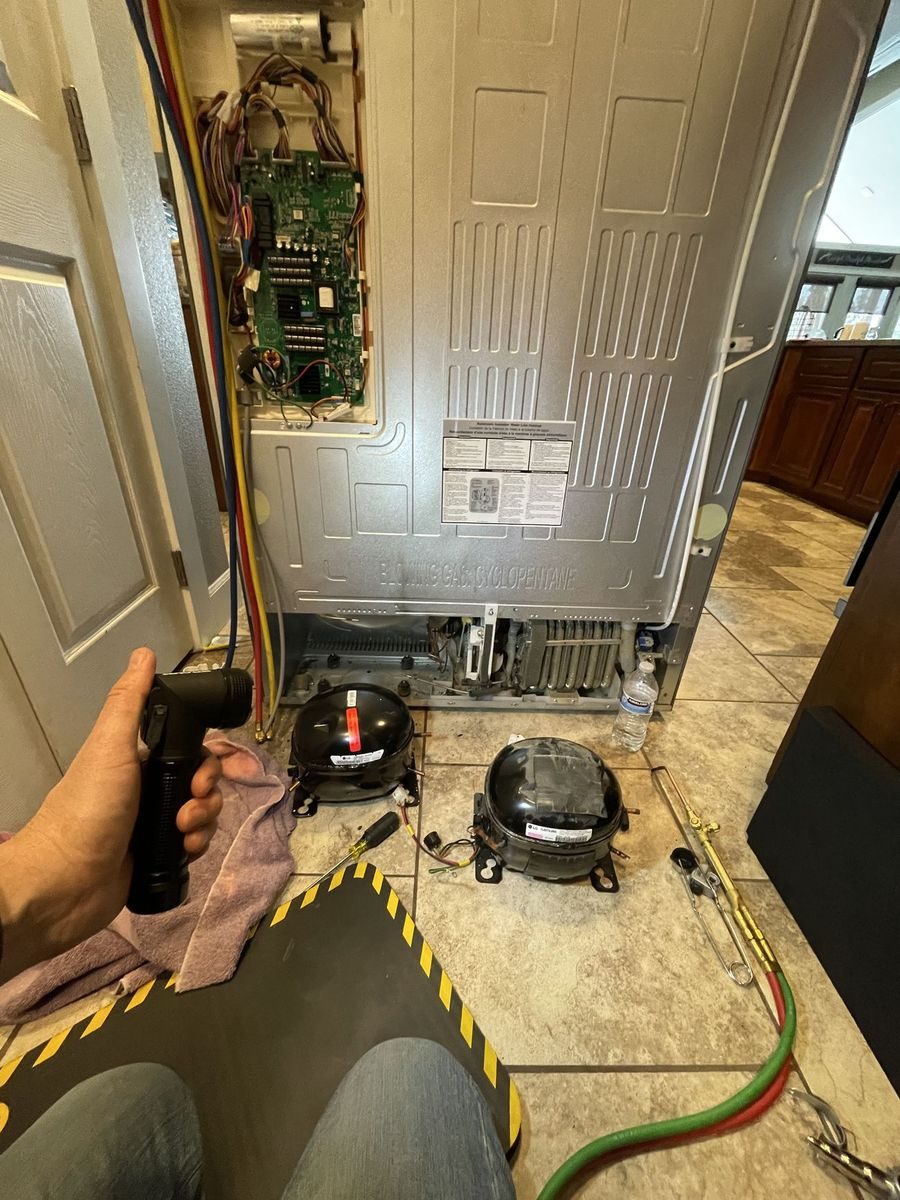
No. 7
Warm shelves usually come from frost on the coil, a fan that has stopped or a failed defrost part. Sealed-system repairs happen at home, by technicians holding EPA 608 Universal credentials.
Go to the service page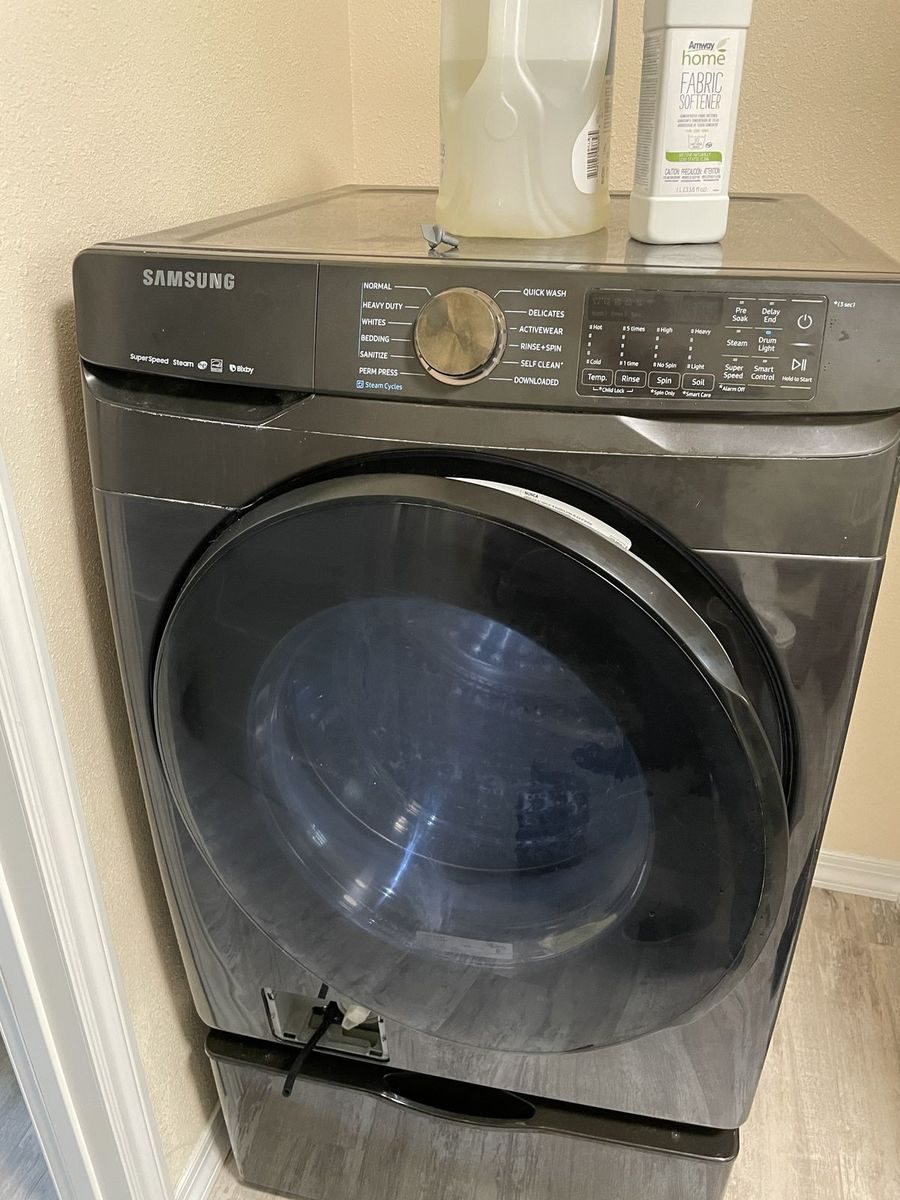
No. 8
Rural wells around Yelm and Rochester carry sediment that clogs inlet screens. A slow fill or a musty front-loader boot is where most washer visits start.
Go to the service page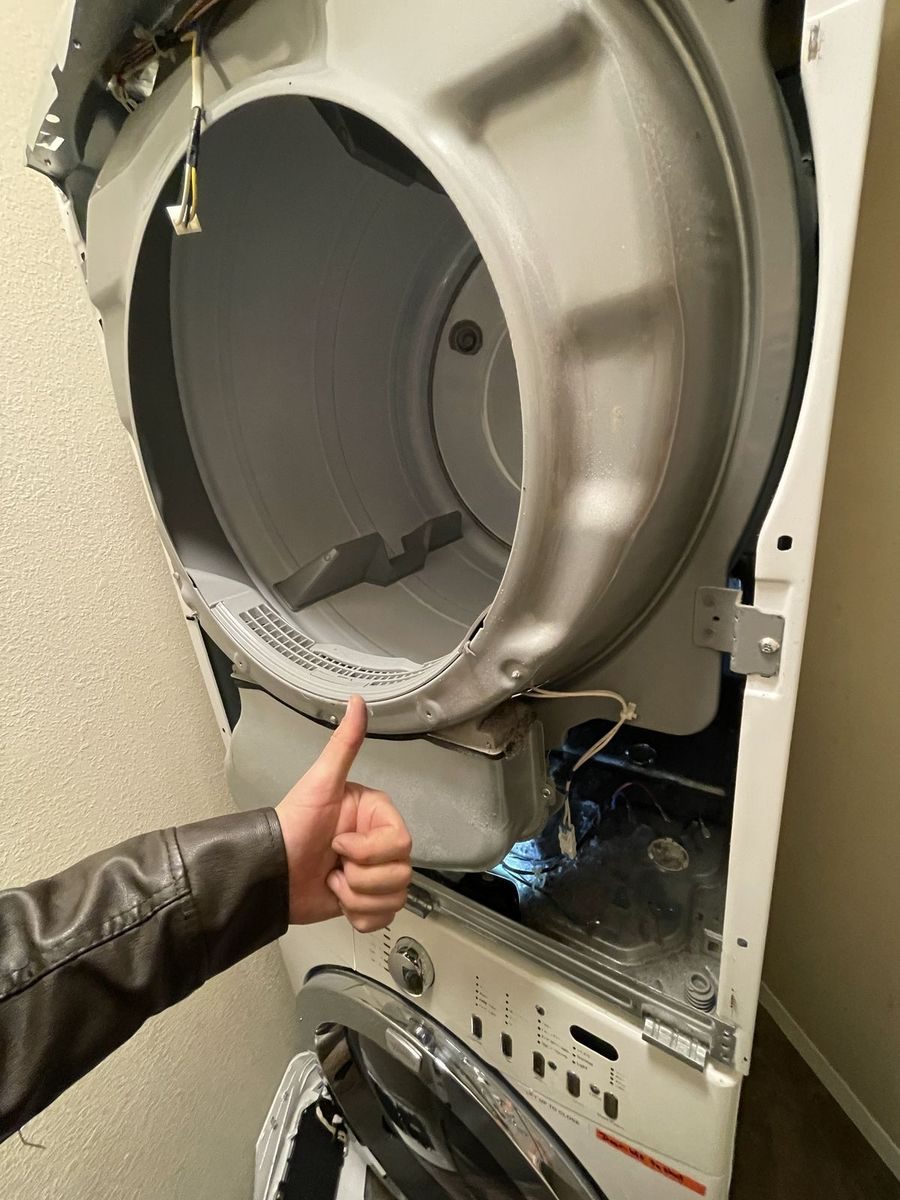
No. 9
Damp air and long vent runs make lint pile up fast in South Sound laundry rooms. The vent is tested together with the element or burner and the thermal fuse.
Go to the service page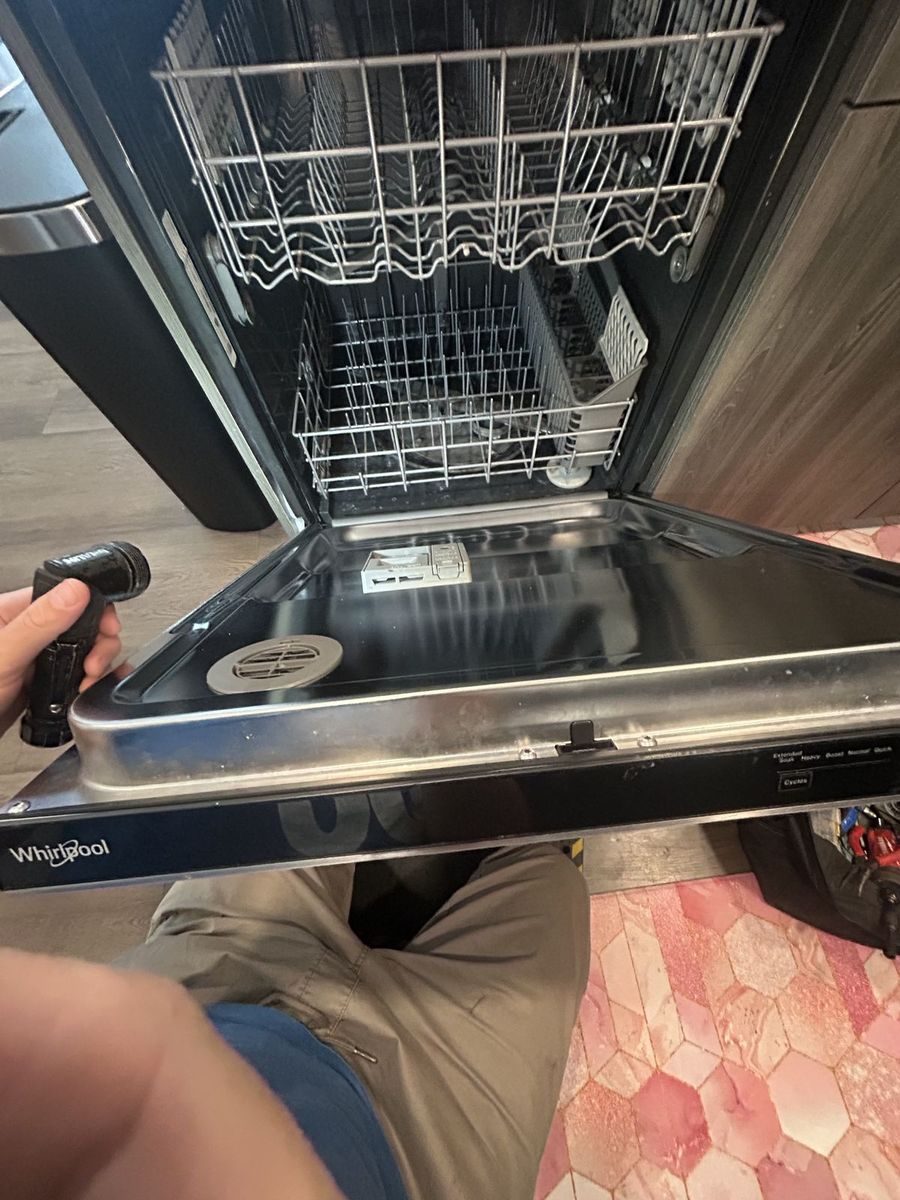
No. 10
Cloudy glasses and a tub that will not drain point to the filter, the drain pump or a hose without its loop under the counter. Each gets checked in order.
Go to the service page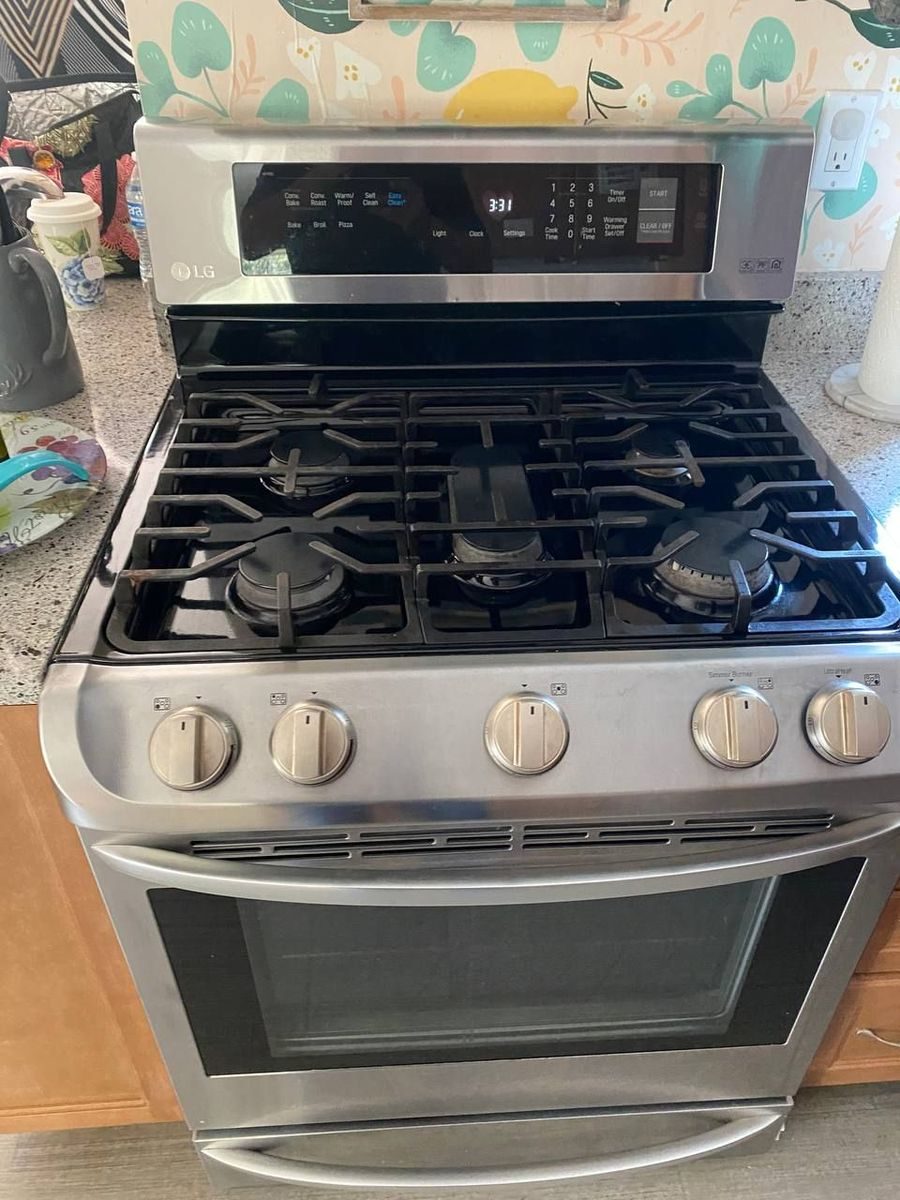
No. 11
Bake and broil elements, igniters and the oven sensor are metered before any part is ordered, on gas, electric and induction models alike.
Go to the service page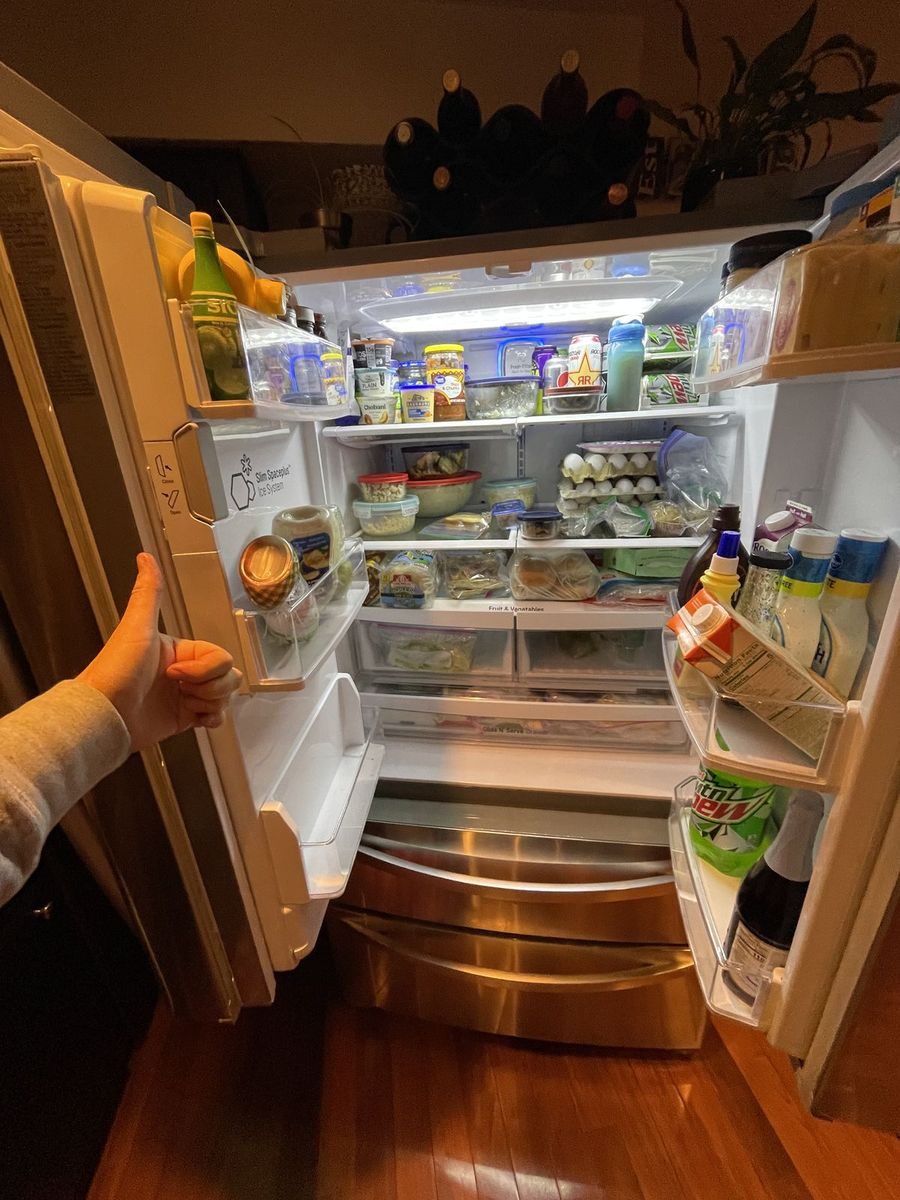
No. 12
When the ice stops after a power outage, the fill tube has often frozen. We check the water valve, the filter and the tube before blaming the ice maker.
Go to the service pageBecause our weather pulls in two directions. Winters are long, wet and mild: Olympia's December through February lows average about 32–33°F, and gray 35–45°F stretches can last for weeks. A heat pump that runs smoothly at low speed for hours in that weather is efficient and comfortable. Summers are mostly gentle until a heat wave like June 2021 arrives. A system oversized for the hottest day short cycles the rest of the year, starting and stopping so often that rooms swing and parts wear faster. Variable-speed and two-stage equipment bridges both: it slows down for drizzle and speeds up for heat.
Housing shapes the plan too. Homes in Meridian Campus, a planned community begun in 1992, and McAllister Park's early-2000s houses on large lots are at the age when first replacements come due, often with ducts in a crawlspace that needs well-supported, insulated line sets. Newer subdivisions in Yelm, DuPont's Northwest Landing and Lacey's Gateway and Cantergrove neighborhoods tend to have narrow side yards that limit where an outdoor unit can sit. Older homes without ductwork, such as some of Beachcrest's 1940s one-story houses or historic houses in Steilacoom, often suit ductless heads better.
For most homes here, a heat pump is the stronger pick over a cooling-only air conditioner, because it keeps working all winter instead of a few weeks each summer. A ducted heat pump suits homes with sound ductwork, and paired with an existing gas furnace it handles most of the year while the furnace covers deep cold. Ductless mini-splits suit baseboard-heated houses, additions and upstairs rooms the ducts never reached. A straight air conditioner still makes sense when a newer gas furnace is in good shape and the goal is summer comfort alone. Whichever way you lean, one figure covers equipment and installation on the quote, and we order nothing before your approval.
Yes, and our winters suit heat pumps well. Most of the season sits in the 30s and 40s, where a heat pump moves heat efficiently. During arctic outbreaks, when nights drop well below 20°F, output falls and backup strips or an existing gas furnace help out. Models built for cold climates keep more of their capacity when temperatures plunge, and careful sizing keeps backup heat in reserve rather than in daily use.
Usually, yes. The outdoor heat pump pairs with an indoor coil set on the furnace, and a compatible thermostat decides which one runs. Through mild and chilly weather the heat pump does the work; once it gets truly cold, or drops below a balance point you choose, the furnace takes its turn. Before quoting the pairing, we confirm the furnace blower and ducts move enough air to suit the added coil.
Sometimes. If the existing copper is sized right for the new equipment, has no kinks or damage, and carried a compatible refrigerant, it can often be cleaned and reused. Lines that carried R-22, run through a damp crawlspace with rotted insulation, or are too small for the new unit are better replaced. Either way we pressure test and evacuate, and the quote states which approach we plan.
Sometimes the new equipment needs electrical work beyond what we handle under our license. If our technician spots that during the quote visit, we talk it through before the quote is written, so you can arrange it with an electrician of your choosing and plan the timing around installation day.
Not as a rule. A system big enough to hold 72 indoors at 110 outside is far too large for every other day, so it short cycles, wears faster and leaves rooms uneven. We size for typical design conditions and favor variable-speed equipment that can push harder during a heat wave. Closing blinds and running ceiling fans helps on the rare extreme days.
It names the equipment by brand and model, the indoor coil or air handler, the line set plan, the thermostat, ductwork connections at the equipment, refrigerant work and startup testing, and it states equipment and installation as one figure. Anything outside our scope is noted on it, and installation is scheduled only after you approve.
Ready when you are
Ask for a quote visit through the booking page, picking a day and arrival window there, or ring the office during its daily phone hours, 8 AM to 7 PM. You will get a call back confirming the appointment.
Online booking
Tell us what is acting up and when suits you. A coordinator phones to confirm the slot, and your technician calls again when heading your way.
These registrations are open to anyone. Look the numbers up on L&I Verify, and see our licenses page for what each one covers.
Read what each license allows