No. 1
Heat pump repair
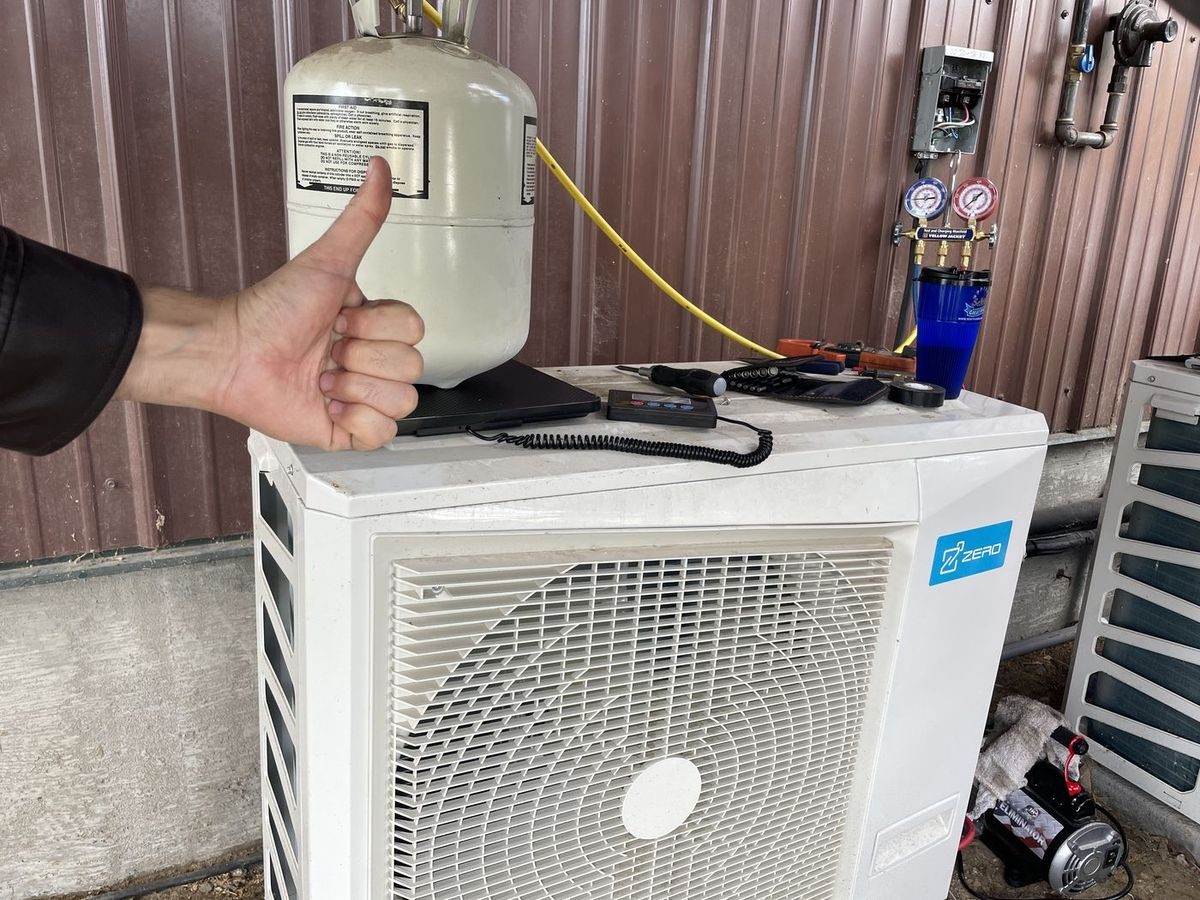
Olympia winters stay wet and just above freezing for weeks, so defrost does a lot of work. We read the coil sensor, the defrost board and the charge before anything else.
Go to the service page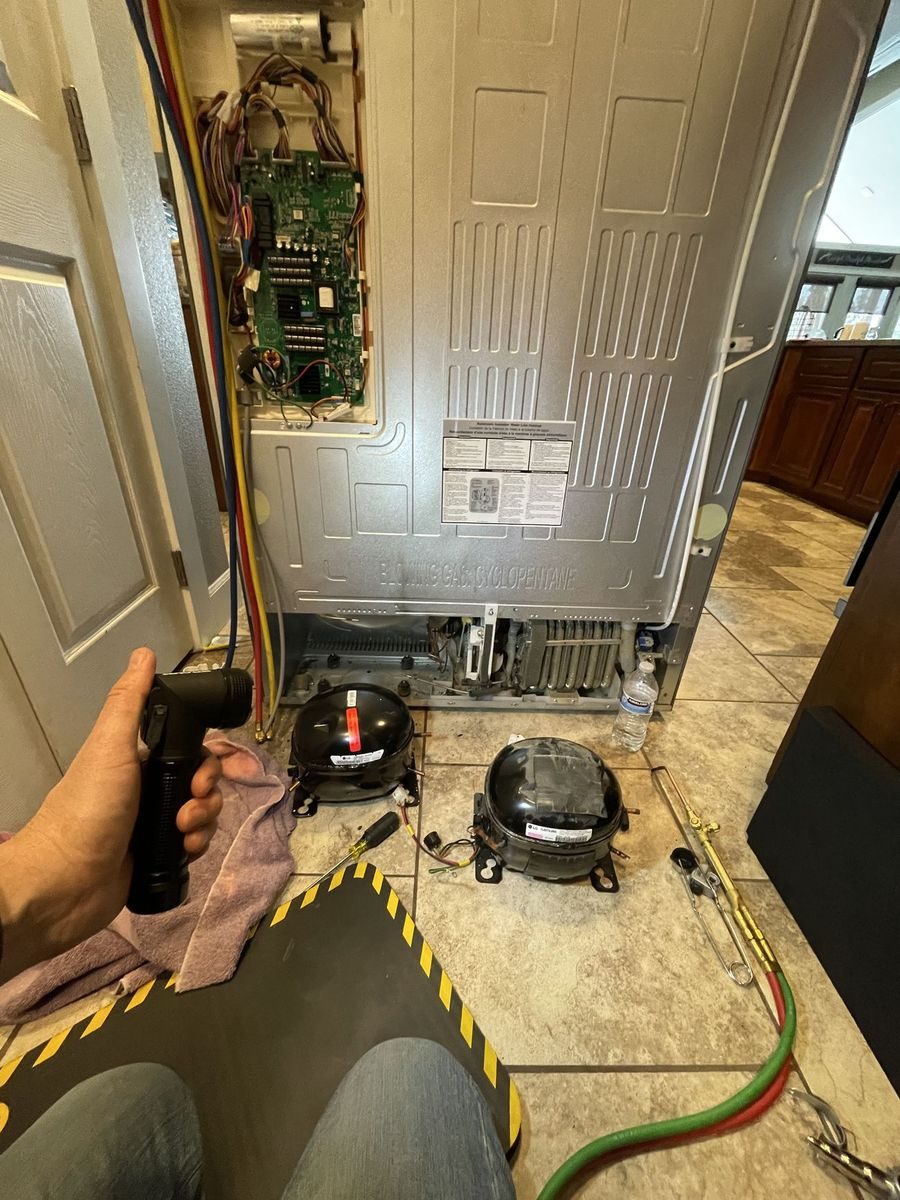
Guide: storms and outages
When a fir limb drops across a line or freezing rain glazes the wires, a South Sound street can sit dark for hours or days. The minutes after the lights flicker back matter as much as the outage itself, so here is the order we would follow at home.
Quick answer
Turn the thermostat to off as soon as the power fails, keep the fridge and freezer shut, and unplug what you can reach. Once power returns and holds steady, give the heat pump or furnace a few minutes before switching it back on. Reset a tripped breaker only once. Call when something refuses to restart, flashes a fault code, or trips its breaker a second time.
The dark hours are only half of it; the moment power returns is the rougher half. Thurston County loses power whenever snow, freezing rain or a big blow brings trees down onto lines, and recent winters made the point, with freezing rain in December 2022 and heavy snow in February 2024. Tall firs over a street, as at Timberlake on Long Lake's northwest corner, put more limbs within reach of the lines once ice or wind weighs them down. When crews reconnect a circuit, the voltage reaching your house can dip, flicker and bounce for several seconds, and anything left switched on tries to start in the middle of that.
Control boards take most of the punishment. A heat pump's defrost board, a furnace's ignition control, a refrigerator's main board and a washer's motor control all run on low-voltage electronics that dislike spikes and brownouts. Compressors and blower motors starting on sagging voltage pull extra current and run hot. Hence the advice below: switch things off while the power is out, then bring them back one at a time.
Switch it off at the thermostat as soon as the house goes dark, and bring it back in stages once power is steady. With the thermostat at off, neither the compressor nor the backup heat strips will slam on the instant the grid reconnects, which spares the contactor, the capacitor and the board a start on shaky voltage. Ductless mini-splits get the same treatment with the remote.
Let it restart on its own, then watch the sequence. A gas furnace needs electricity for almost everything, from the inducer motor and the hot surface igniter to the control board and the blower, so it quits with the power and should relight when the thermostat calls again. You will hear the inducer spin up and the pressure switch click; then the igniter glows, the burners light, and once the flame sensor proves flame, the blower starts.
If a step fails, the board locks out and blinks an LED pattern, visible through the peephole in the blower door. Jot the pattern down and look it up on the chart glued inside the panel. Cutting the furnace's power with its switch for sixty seconds clears many lockouts; a repeat lockout with the same code means call. Electric furnaces carry heavy elements and sequencers, so treat them like the heat pump: thermostat off, a pause, then heat. Gas smell at any stage? Leave first. Once the household is clear of the building, dial 911 or the gas utility.
Federal food-safety guidance gives about 4 hours for a refrigerator that stays closed, and about 48 hours for a full freezer, or roughly 24 if it is half full. Keeping the doors closed matters more than anything else on this list. A crammed freezer stays cold well past a half-empty one, since the frozen mass behaves like a giant ice pack.
Usually it looks like a machine that seems dead or confused once power is back. A heat pump that ignores the thermostat, a furnace blinking a code it never showed before, a fridge with a dark display or fans that never stop, an oven clock that stays blank, a washer stuck mid-cycle: each might be a damaged board, but just as often the casualty is a thermal fuse, a blown low-voltage fuse on an HVAC board or a 24-volt transformer, all smaller repairs. Our technicians test power at the equipment and the board's outputs before calling a board bad.
Prevention is mostly about what is switched on when power returns. During an outage, set the thermostat to off, unplug countertop appliances and the electronics you can reach, and leave one lamp on so you know when service is back. Whole-home surge protection mounts at the breaker panel, so an electrician installs it, not us; plug-in surge strips help with smaller electronics.
Each tab carries a photo from our service work and the first checks we make on that job. Choose a tab, or let them change by themselves.
No. 1
Olympia winters stay wet and just above freezing for weeks, so defrost does a lot of work. We read the coil sensor, the defrost board and the charge before anything else.
Go to the service page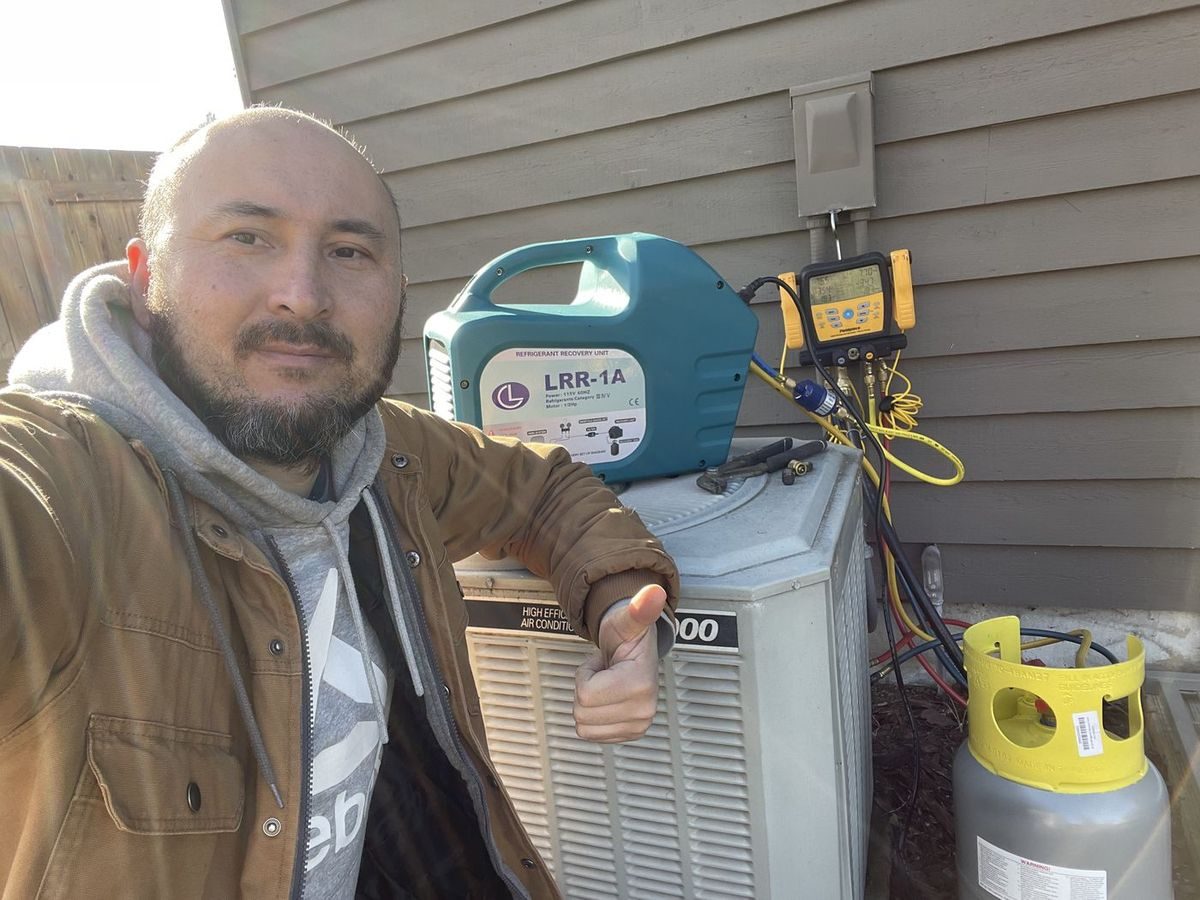
No. 2
Cooling was an afterthought in many South Sound homes until the 2021 heat dome. When a newer system lags on a hot day, airflow, the capacitor and the charge come first.
Go to the service page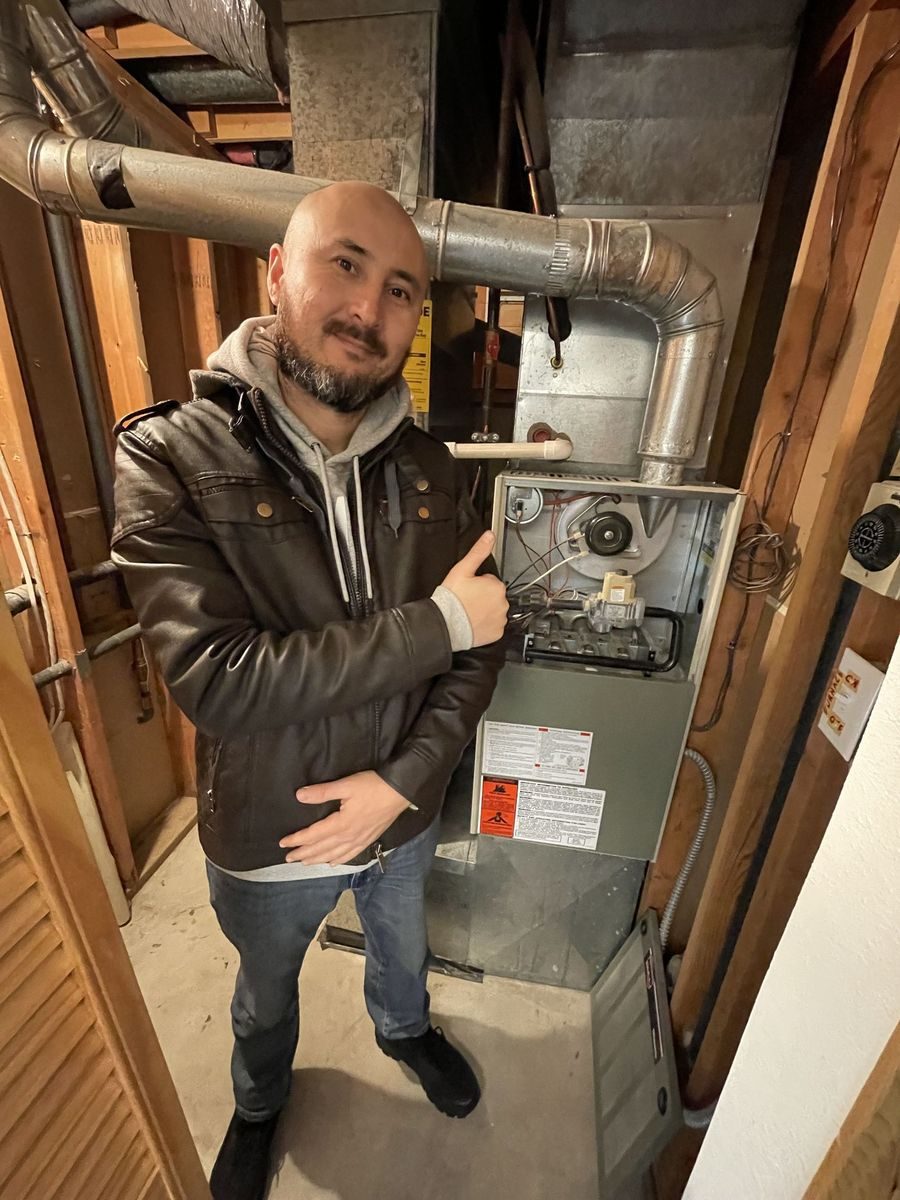
No. 3
Gas or electric, a furnace that quits on a cold morning is traced step by step: thermostat call, inducer, pressure switch, igniter, flame sensor, limit.
Go to the service page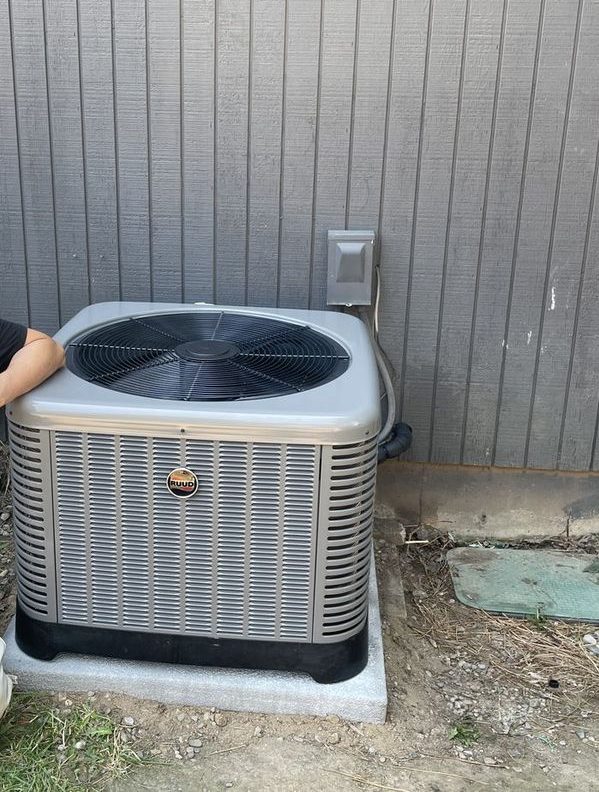
No. 4
A new system starts with a load calculation and a dry, level pad. Prairie gravel drains fast; in low clay corners we set the unit higher.
Go to the service page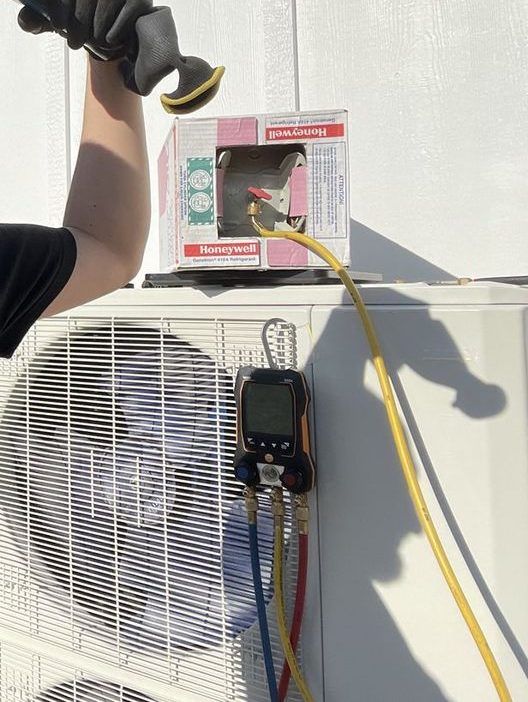
No. 5
Ductless heads suit older Olympia houses with no space for ducts. The line set runs outside, so its insulation and the condensate drain get a close look.
Go to the service page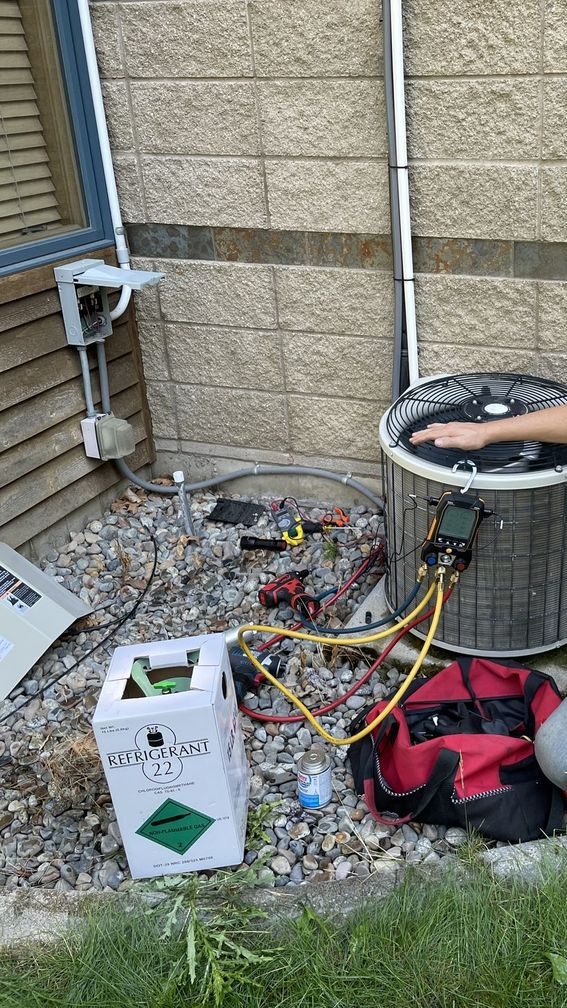
No. 6
Spring and fall visits clear needles and moss from the coil, open the drain holes in the base and test the defrost cycle before the long gray season.
Go to the service page
No. 7
Warm shelves usually come from frost on the coil, a fan that has stopped or a failed defrost part. Sealed-system repairs happen at home, by technicians holding EPA 608 Universal credentials.
Go to the service page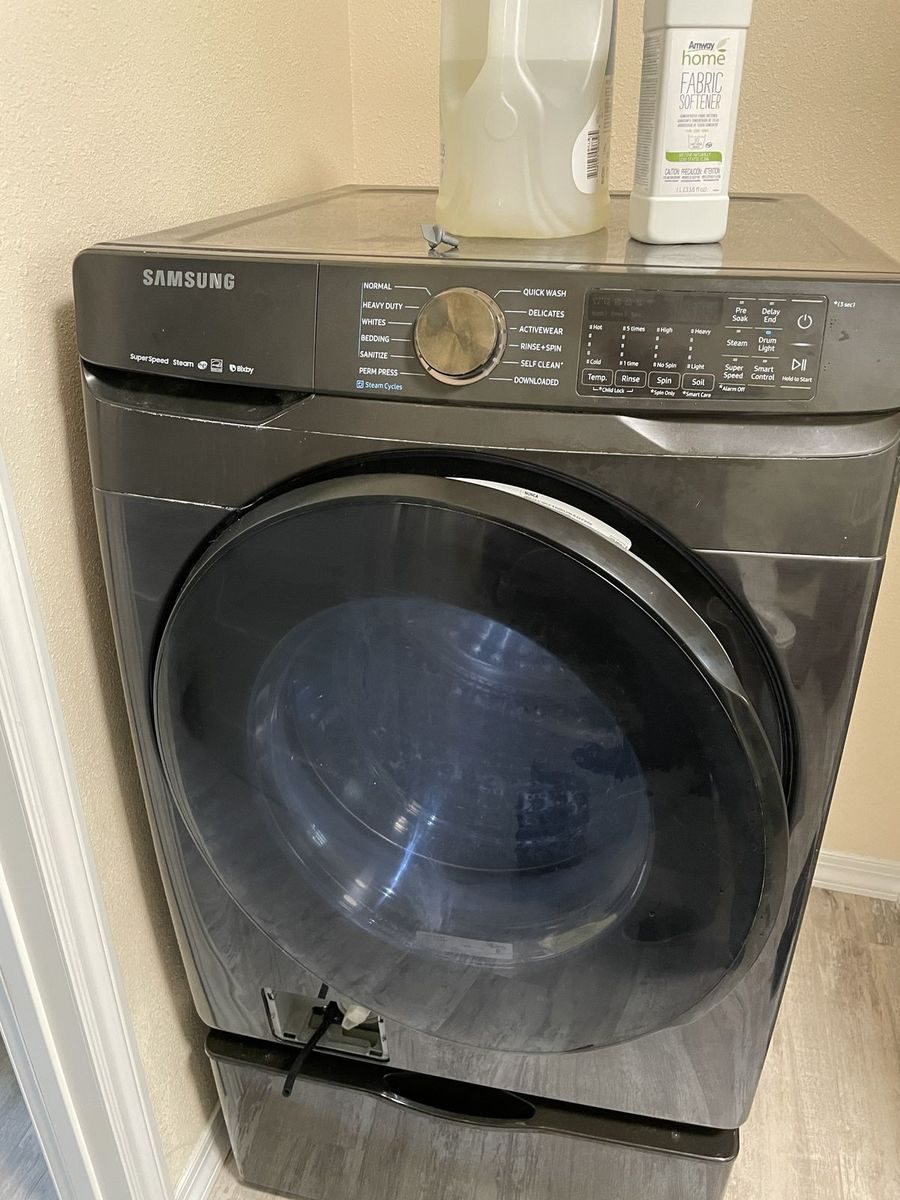
No. 8
Rural wells around Yelm and Rochester carry sediment that clogs inlet screens. A slow fill or a musty front-loader boot is where most washer visits start.
Go to the service page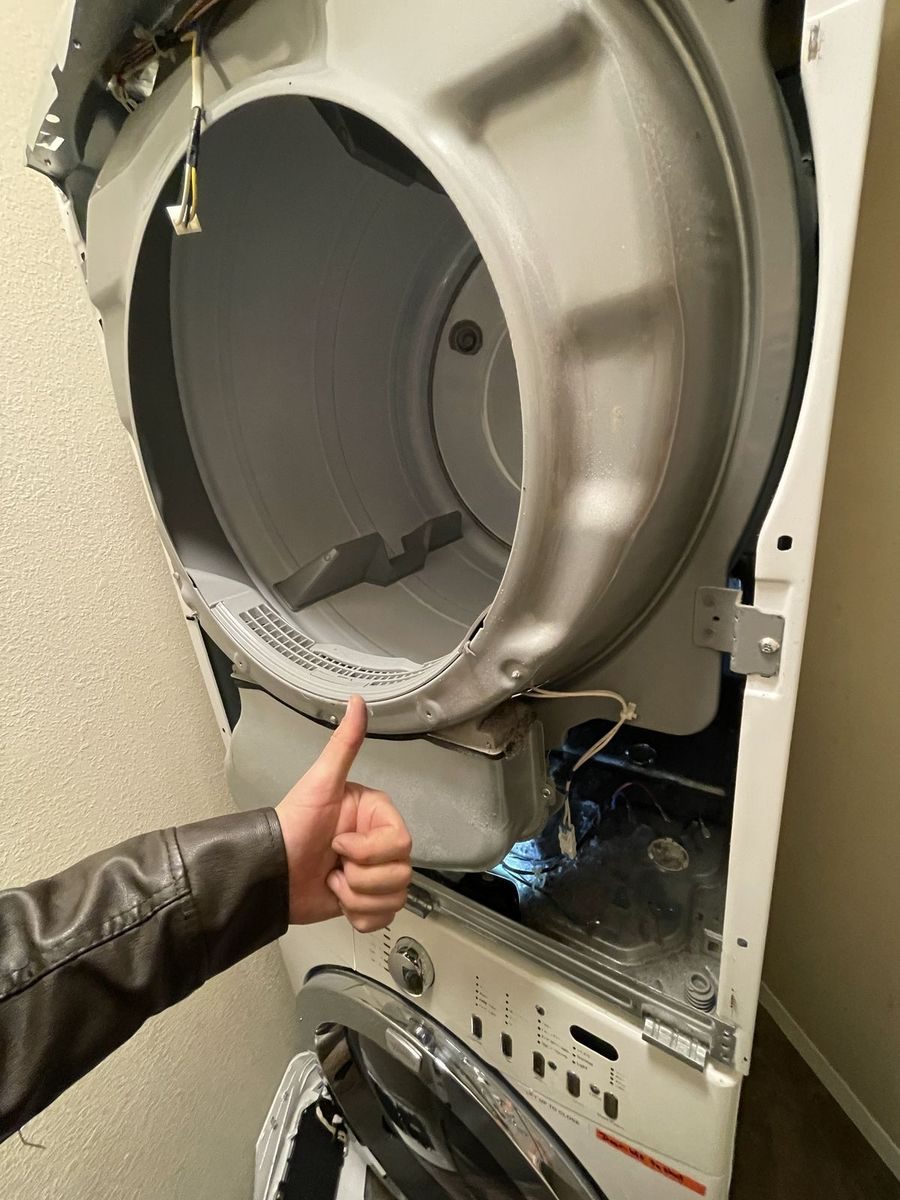
No. 9
Damp air and long vent runs make lint pile up fast in South Sound laundry rooms. The vent is tested together with the element or burner and the thermal fuse.
Go to the service page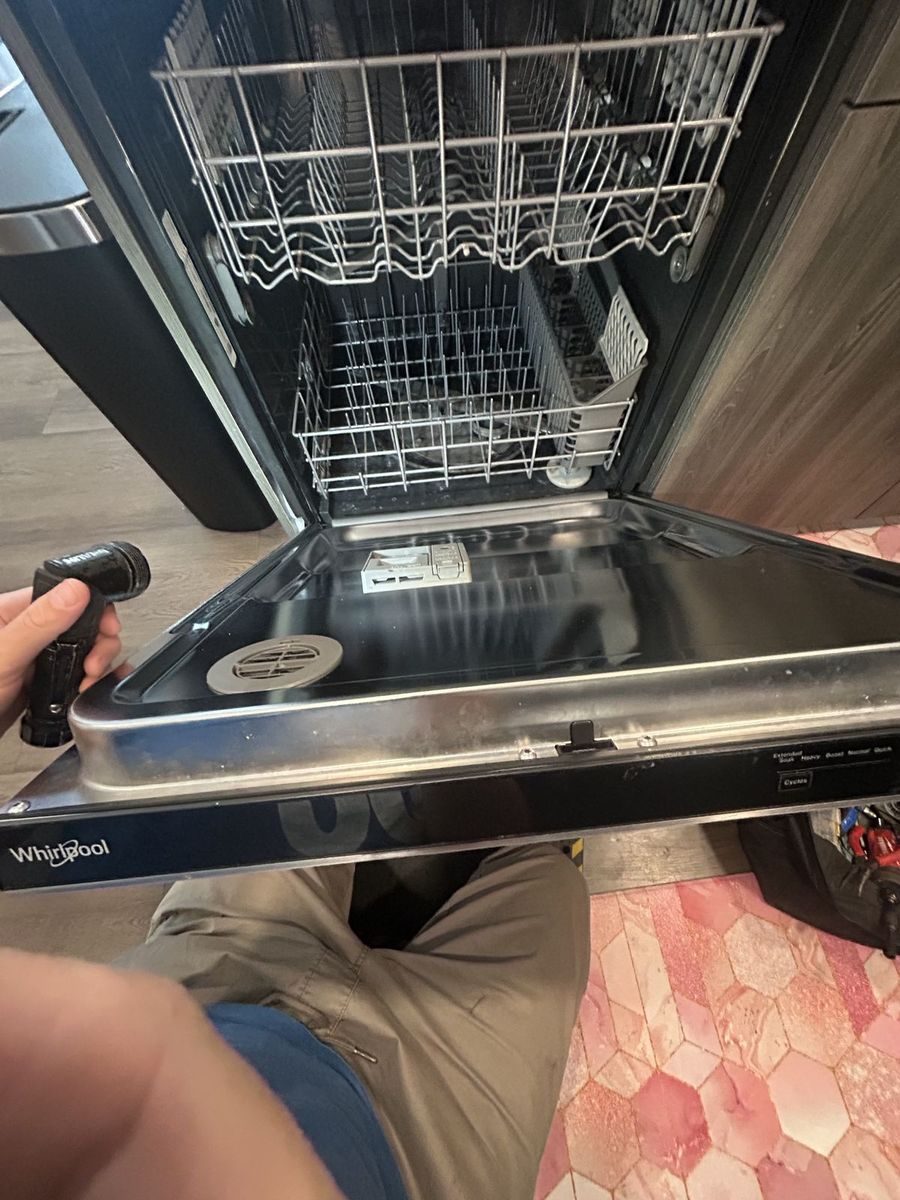
No. 10
Cloudy glasses and a tub that will not drain point to the filter, the drain pump or a hose without its loop under the counter. Each gets checked in order.
Go to the service page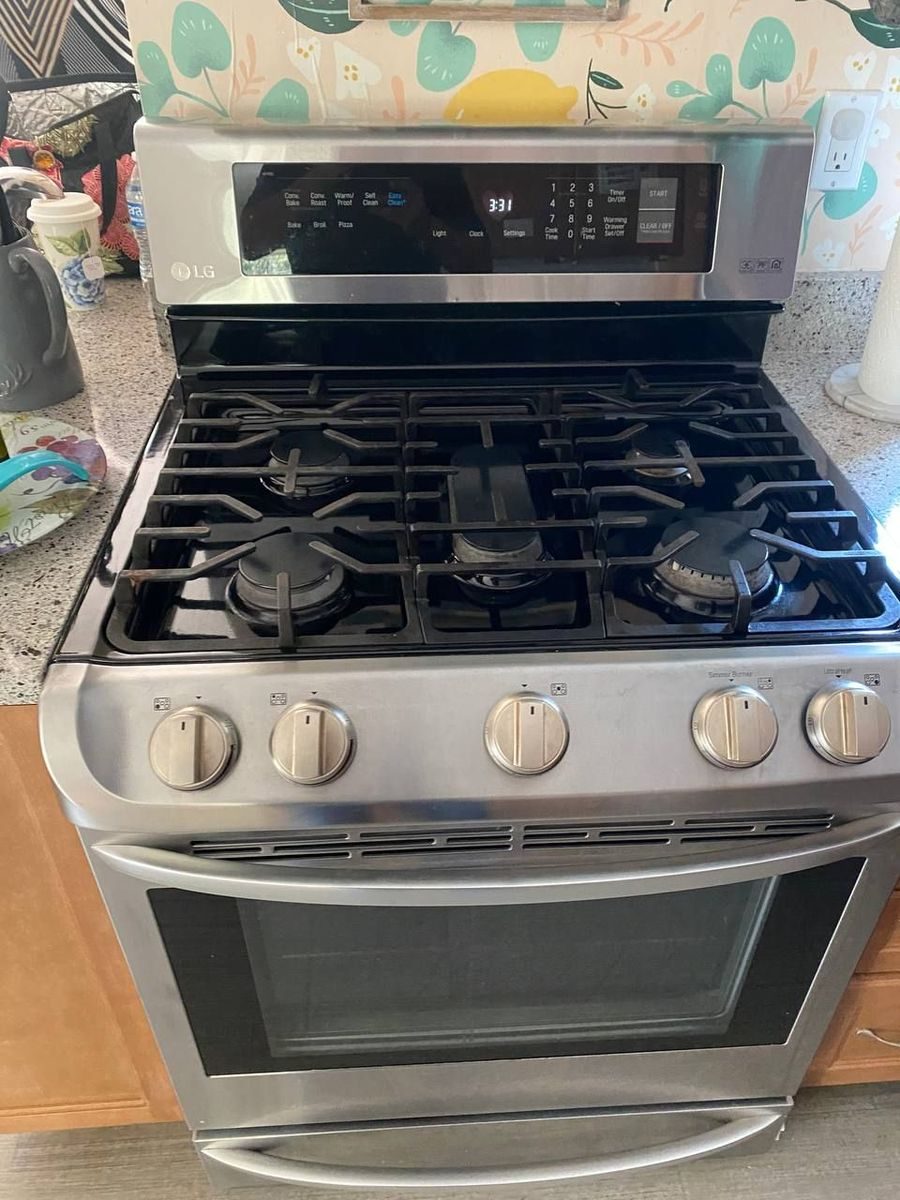
No. 11
Bake and broil elements, igniters and the oven sensor are metered before any part is ordered, on gas, electric and induction models alike.
Go to the service page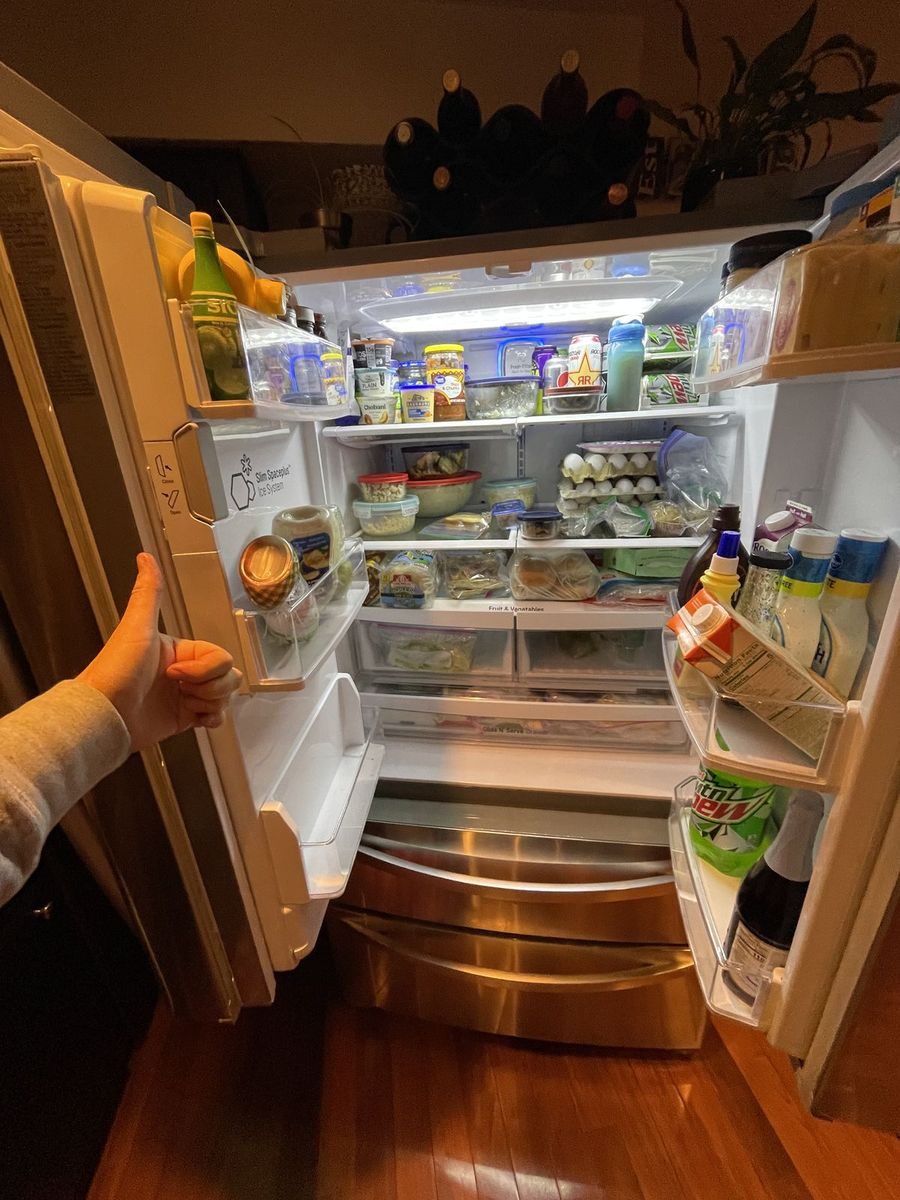
No. 12
When the ice stops after a power outage, the fill tube has often frozen. We check the water valve, the filter and the tube before blaming the ice maker.
Go to the service pageA tripped breaker earns one reset. If it pops again, leave it down: a repeat trip says something is drawing too much current, and forcing it back up can turn a small problem into a bigger one. Trouble in the wiring belongs to an electrician; trouble in the equipment is ours, under our 07D Appliance Repair and 06A HVAC/Refrigeration specialties.
Our diagnostic visit carries a fee the office will name at booking, credited into any repair you approve and charged alone if you don't, and the repair price comes in writing first. Call when you notice any of these:
Guide · Rainy-season heat pumps
What months of 35–45°F rain and fog do to an outdoor unit, how to tell routine defrost from real trouble, and the moss, needle and soggy-ground fixes that help.
Guide · Summer heat in a rain-country house
Lessons from the June 2021 heat dome for South Sound homes: what cooling equipment can manage past 100°F, the signs of a failing unit, safe owner checks, and ways to add cooling.
Guide · Laundry in a wet climate
Why loads take two cycles in a wet-climate house, how vent length, elbows and lint slow drying, how to keep a front-loader from going musty, and which checks are safe to do yourself.
It may simply be defrosting. An outdoor coil that iced over while the unit sat idle will usually run a defrost cycle soon after restarting, which can send steam off the outdoor unit and briefly cooler air indoors; the backup heat strips normally warm that air. If the air stays cool past one defrost, the outdoor fan never turns, or the AUX light refuses to go out, a capacitor, contactor or defrost board may have taken a hit.
The board is telling you which startup step failed. Read the blink pattern through the small window in the blower door and match it to the chart printed inside the panel; the common ones point at the pressure switch, the igniter or the flame sensor. Turn the furnace off with its power switch for a minute and back on once. If the same code returns, call with the pattern written down.
Yes, if it still has ice crystals or has stayed at 40°F or below, according to federal food-safety guidance. Texture and flavor may suffer, but it is considered safe. Check items with a food thermometer rather than by feel, and discard anything held above 40°F beyond 2 hours. When you are unsure about a particular item, it is not worth the risk.
It can, though a dead machine after an outage is not always a ruined board. Reset that appliance's breaker once and give it another try. Sometimes the casualty is a thermal fuse, a door switch or the board's power supply, which are smaller repairs than a whole control. Our technician confirms power at the machine and tests the board's outputs before recommending any replacement.
Ready when you are
Tell the booking page which day and arrival window suit you, or phone; calls are picked up between 8 AM and 7 PM. Confirmation arrives by phone, and your technician calls during the drive.
Online booking
Tell us what is acting up and when suits you. A coordinator phones to confirm the slot, and your technician calls again when heading your way.
These registrations are open to anyone. Look the numbers up on L&I Verify, and see our licenses page for what each one covers.
Read what each license allows