No. 1
Heat pump repair
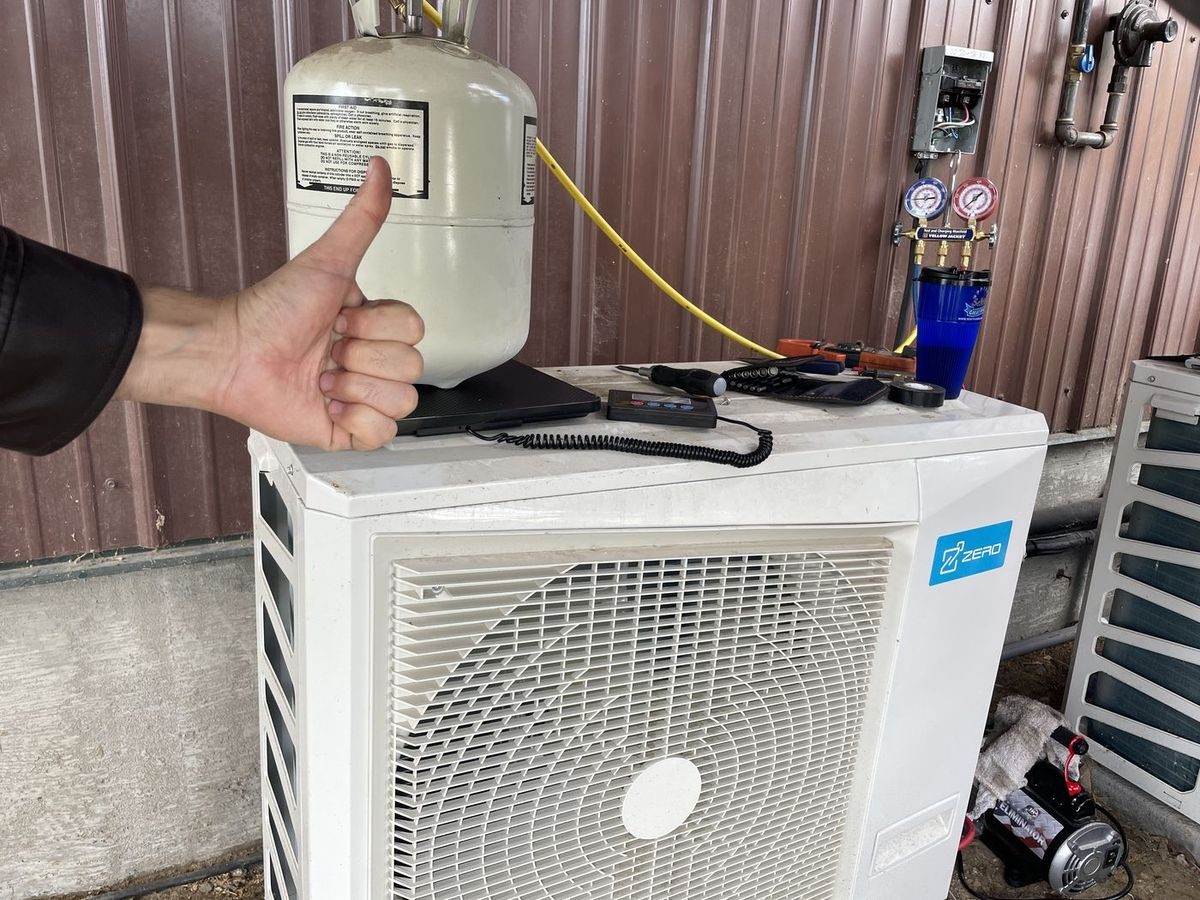
Olympia winters stay wet and just above freezing for weeks, so defrost does a lot of work. We read the coil sensor, the defrost board and the charge before anything else.
Go to the service page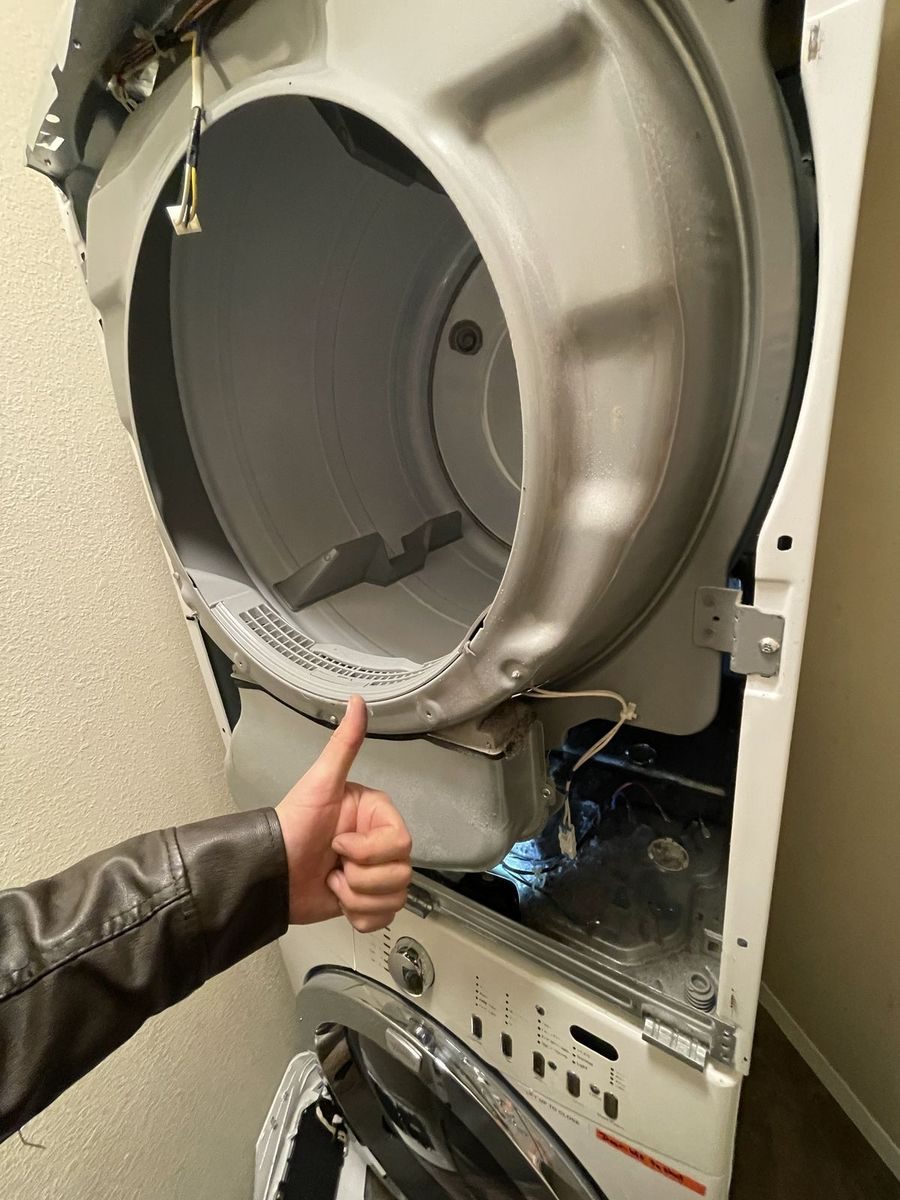
Guide · Laundry in a wet climate
Through the soggy months, a load of towels in Lacey or Olympia can tumble for an hour and still come out cool and heavy, with a faint whiff of mildew in the laundry room. Here is what a wet climate does to drying, what to check, and when a repair visit pays off.
Quick answer
Clothes need a second cycle in a damp South Sound house mostly because moist exhaust cannot leave the dryer fast enough. Lint on the screen and inside the housing, a vent that runs long or turns several corners, a duct squashed behind the cabinet, and a closet with no makeup air all slow it down. Clean the screen, watch the outdoor flap, straighten the duct, and have heat and airflow tested if loads still lag.
Because the dryer is pulling water out of clothes using air that already carries a lot of it. Olympia collects about 50.5 inches of precipitation in a typical year, November is the wettest month, and in the heart of winter rain falls on roughly two days out of three. Indoor air soaks some of that up, most of all in laundry rooms tucked into basements, garages or crawlspace-level additions, where the dryer inhales cool, clammy air and has to warm it before it can lift moisture out of a load.
Then that wet air has to go somewhere. Everything the blower draws in must exit through the vent, and when the exit is narrowed, humid air swirls back around the clothes while the moisture sensor keeps adding minutes. The heating element or gas burner may be working perfectly, yet the cycle drags on, the electric meter spins, and the safety thermostats start clicking off to protect a cabinet running hotter than it should.
Every foot of duct and every bend adds drag. The installation manual for most dryers lists a maximum vent length, and each 90-degree elbow uses up several feet of that allowance. Long routes show up in older Olympia and Lacey houses where the laundry moved to an interior room years ago, and in two-story homes that vent up through the roof. Foil and vinyl accordion ducts sag between supports and collect lint in the low spots, and a section flattened behind the dryer can strangle airflow worse than a neglected screen.
Damp air makes lint stickier. Moist fibers cling to duct walls and build up in layers instead of riding out on the exhaust, and where the duct crosses a cool crawlspace or an unheated attic, warm exhaust condenses on the metal and turns that lint into a gray paste. Outside, moss, fir needles and nesting birds can prop the hood flap shut or pack the opening.
A front-loader seals water inside, and a humid laundry room keeps it from drying out. Lint, hair and detergent residue settle into the pleats of the rubber boot, the sump under the drum and the dispenser drawer, and mildew grows there between loads. The smell travels into clothes, and the same washer can quietly hand the dryer a heavier job.
A weak final spin is a dryer problem in disguise. If a front-loader skips its top spin speed because the load is out of balance, the drain pump is slow, or the pressure sensor never registers an empty tub, clothes go into the dryer dripping, and the dryer gets blamed for a long cycle that started in the washer.
Quite a lot, provided the dryer is unplugged or its breaker is off before any panel or duct comes loose. These take a few minutes and often explain a slow dryer on their own.
Each tab carries a photo from our service work and the first checks we make on that job. Choose a tab, or let them change by themselves.
No. 1
Olympia winters stay wet and just above freezing for weeks, so defrost does a lot of work. We read the coil sensor, the defrost board and the charge before anything else.
Go to the service page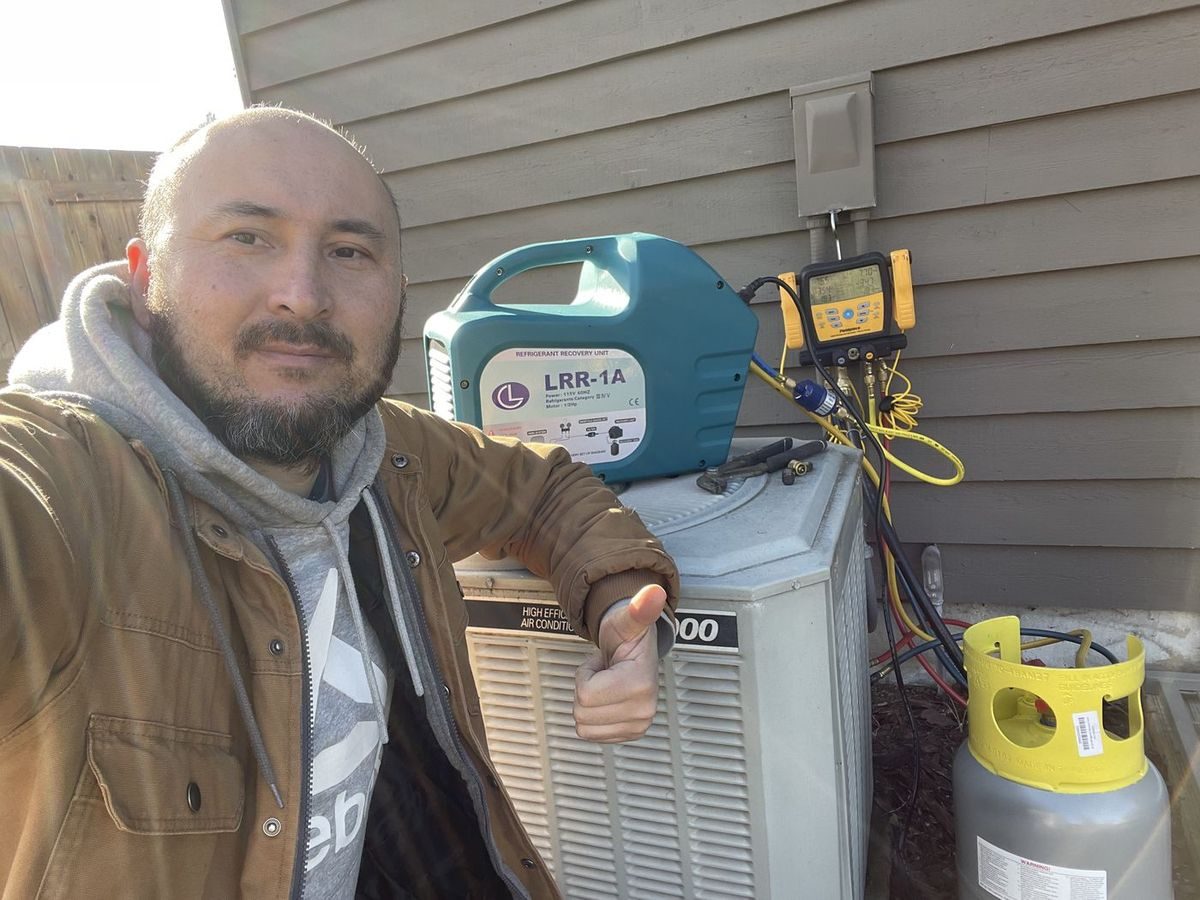
No. 2
Cooling was an afterthought in many South Sound homes until the 2021 heat dome. When a newer system lags on a hot day, airflow, the capacitor and the charge come first.
Go to the service page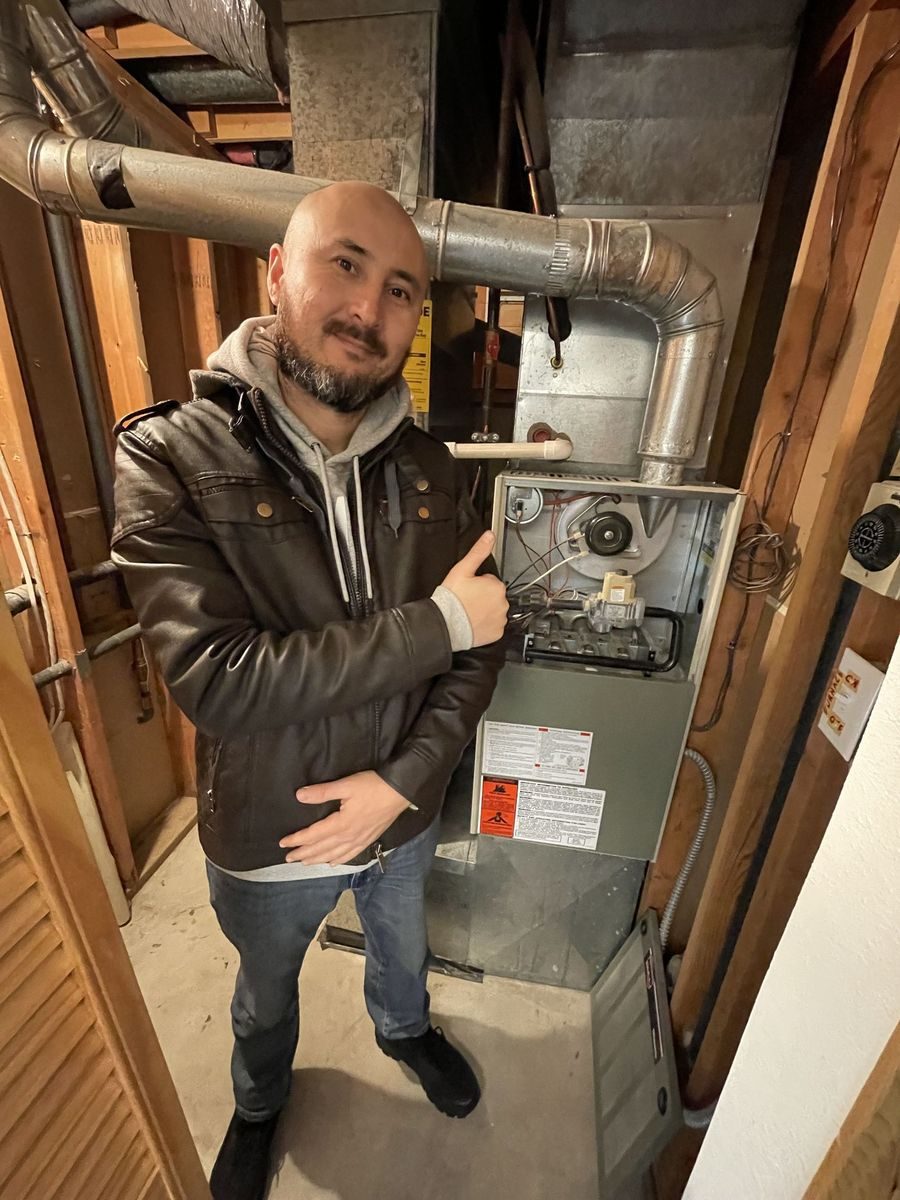
No. 3
Gas or electric, a furnace that quits on a cold morning is traced step by step: thermostat call, inducer, pressure switch, igniter, flame sensor, limit.
Go to the service page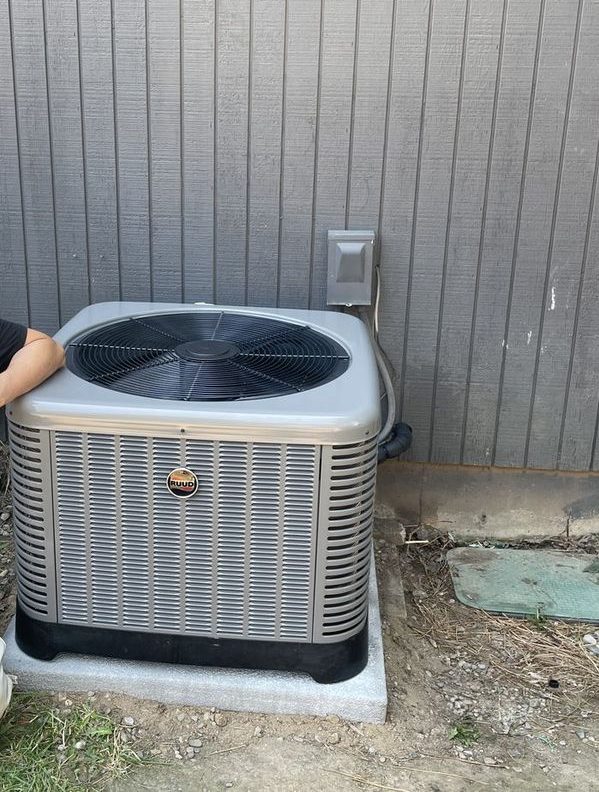
No. 4
A new system starts with a load calculation and a dry, level pad. Prairie gravel drains fast; in low clay corners we set the unit higher.
Go to the service page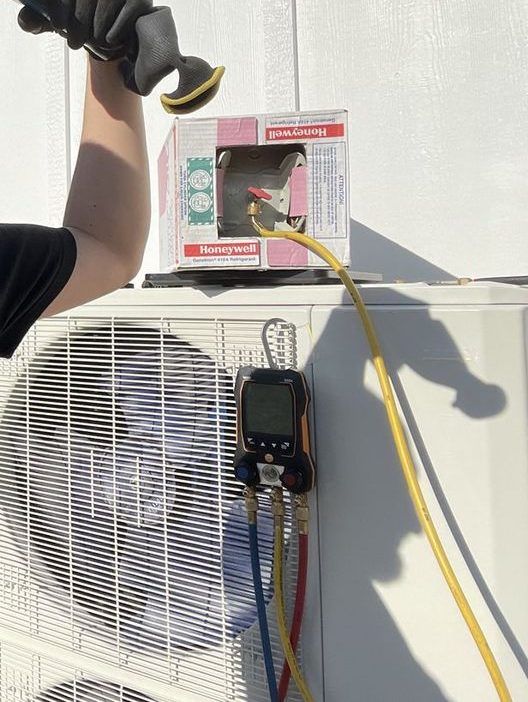
No. 5
Ductless heads suit older Olympia houses with no space for ducts. The line set runs outside, so its insulation and the condensate drain get a close look.
Go to the service page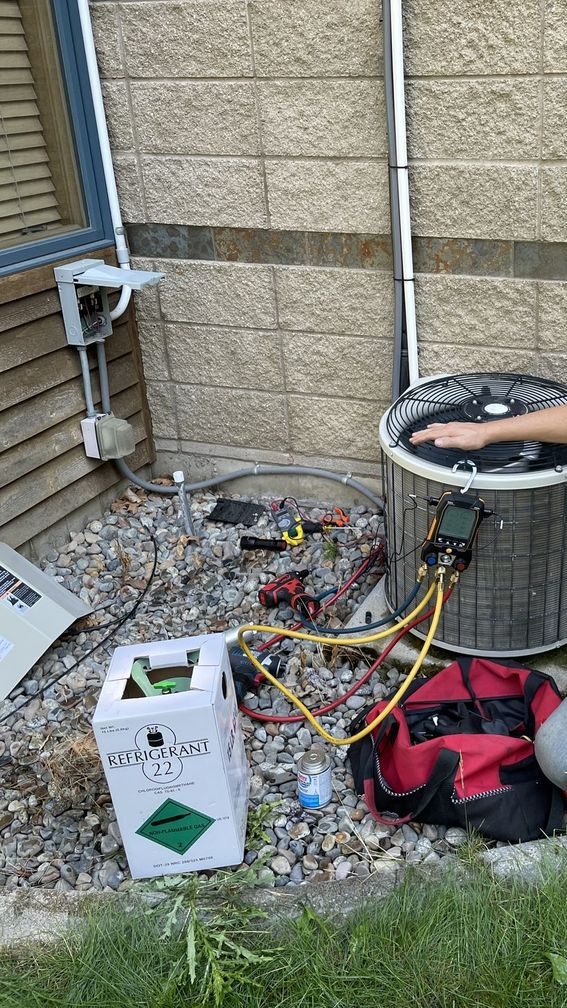
No. 6
Spring and fall visits clear needles and moss from the coil, open the drain holes in the base and test the defrost cycle before the long gray season.
Go to the service page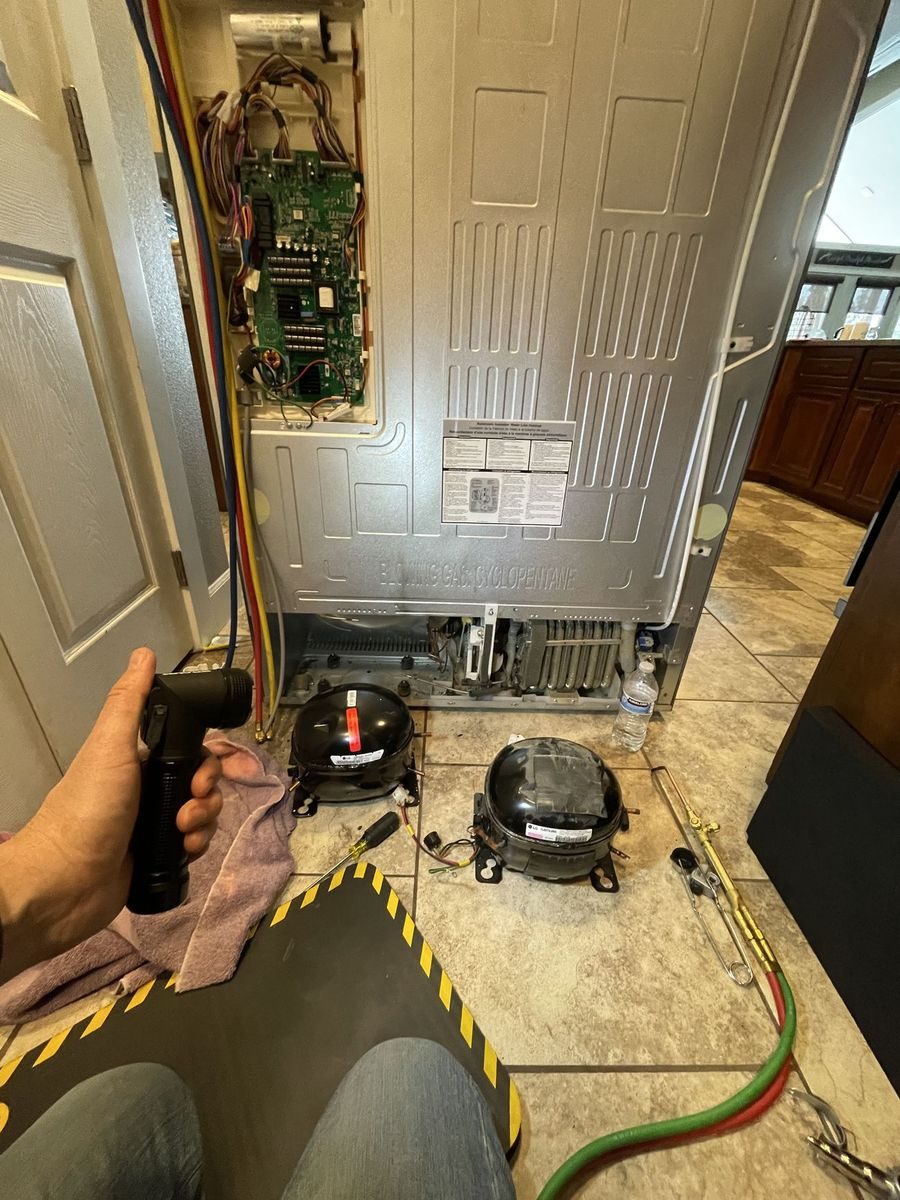
No. 7
Warm shelves usually come from frost on the coil, a fan that has stopped or a failed defrost part. Sealed-system repairs happen at home, by technicians holding EPA 608 Universal credentials.
Go to the service page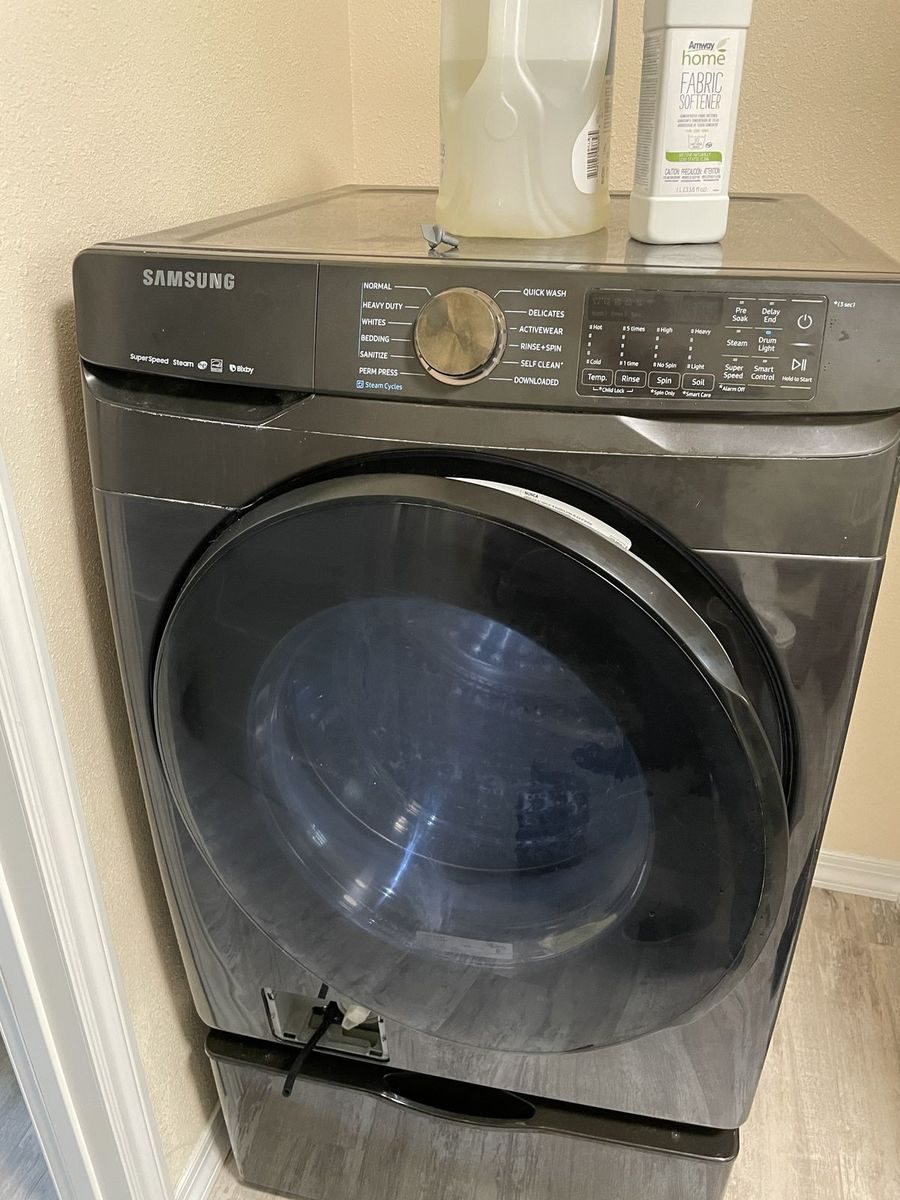
No. 8
Rural wells around Yelm and Rochester carry sediment that clogs inlet screens. A slow fill or a musty front-loader boot is where most washer visits start.
Go to the service page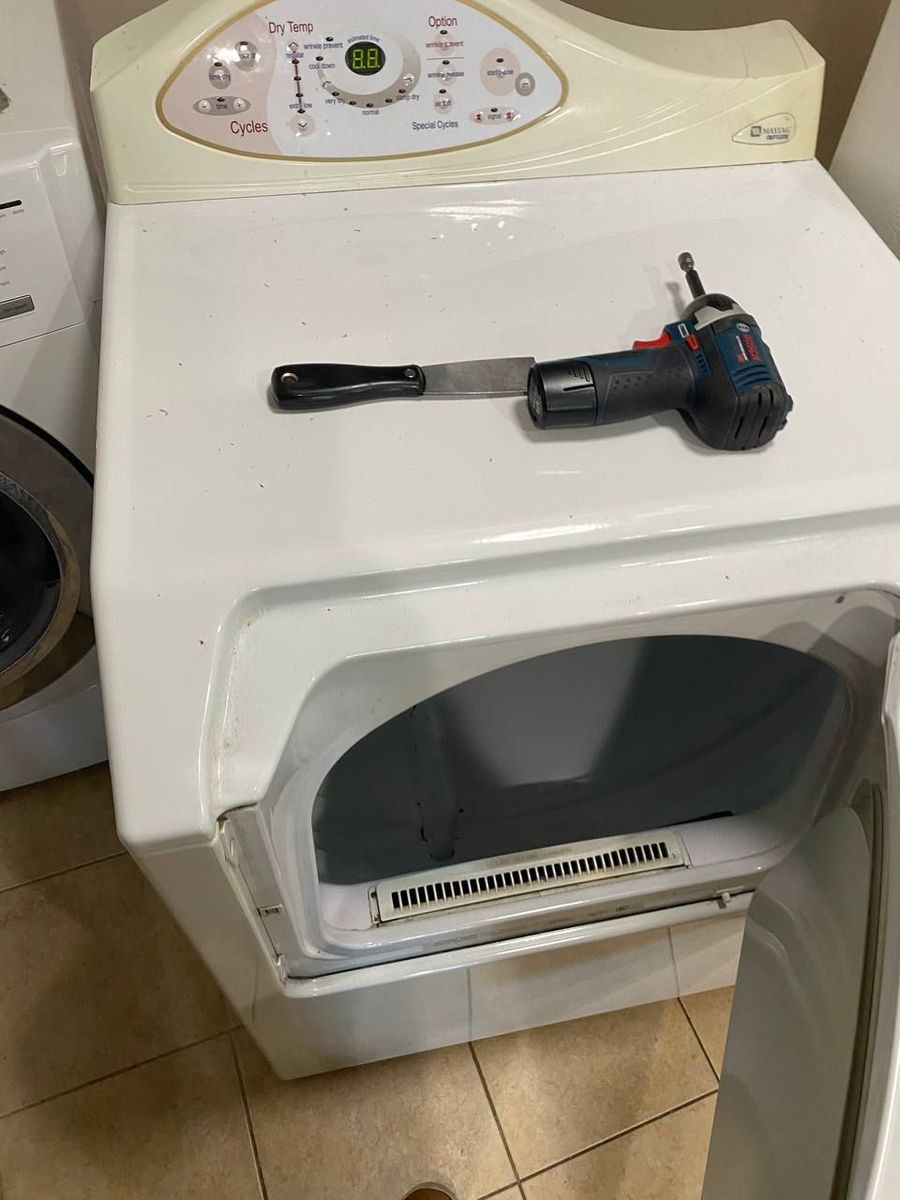
No. 9
Damp air and long vent runs make lint pile up fast in South Sound laundry rooms. The vent is tested together with the element or burner and the thermal fuse.
Go to the service page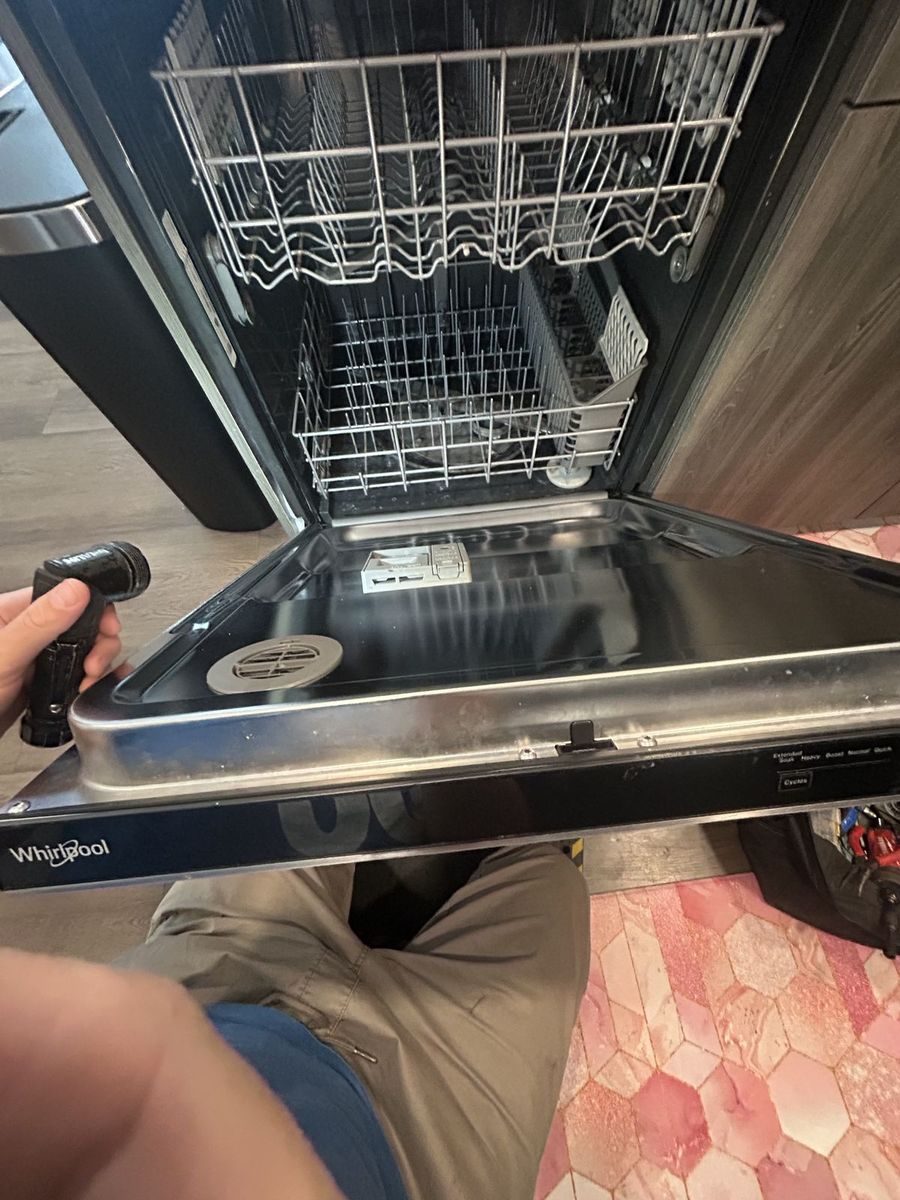
No. 10
Cloudy glasses and a tub that will not drain point to the filter, the drain pump or a hose without its loop under the counter. Each gets checked in order.
Go to the service page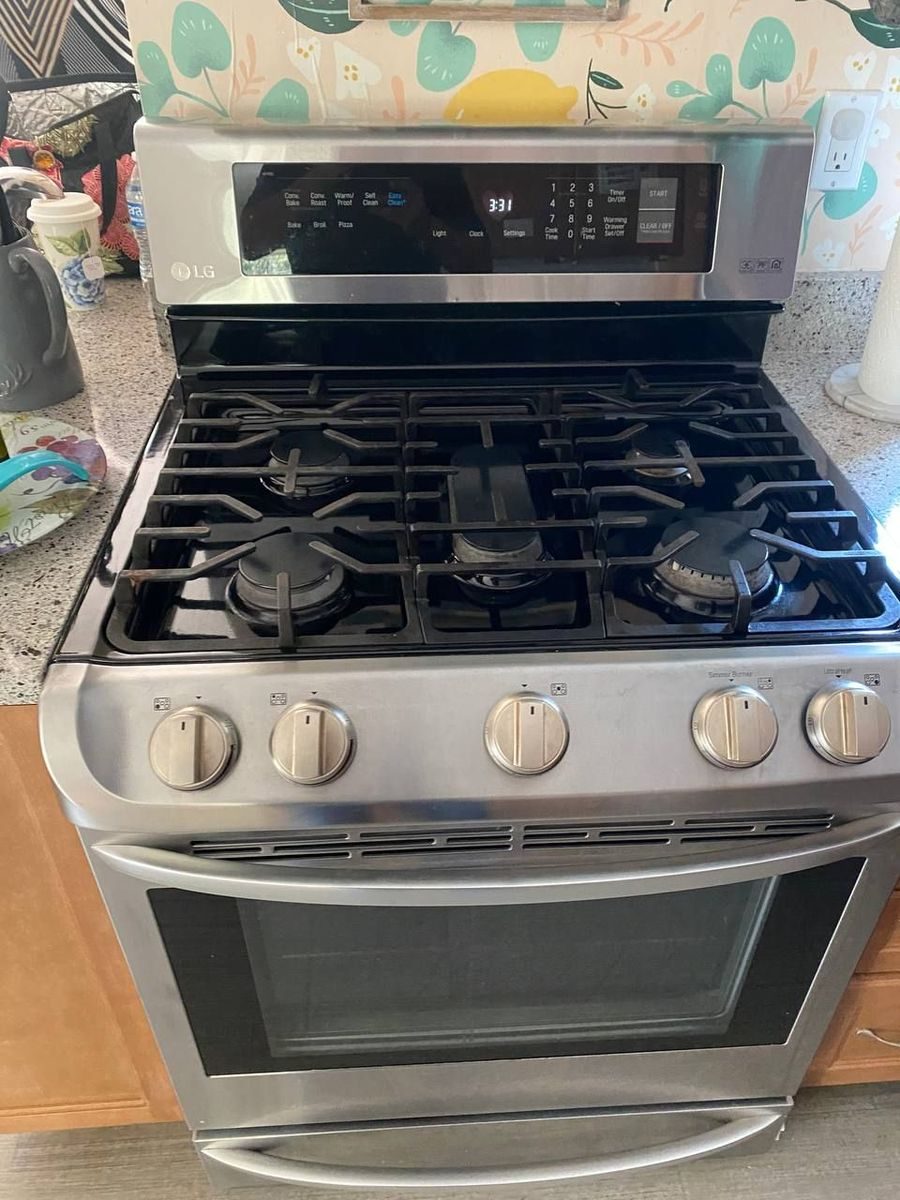
No. 11
Bake and broil elements, igniters and the oven sensor are metered before any part is ordered, on gas, electric and induction models alike.
Go to the service page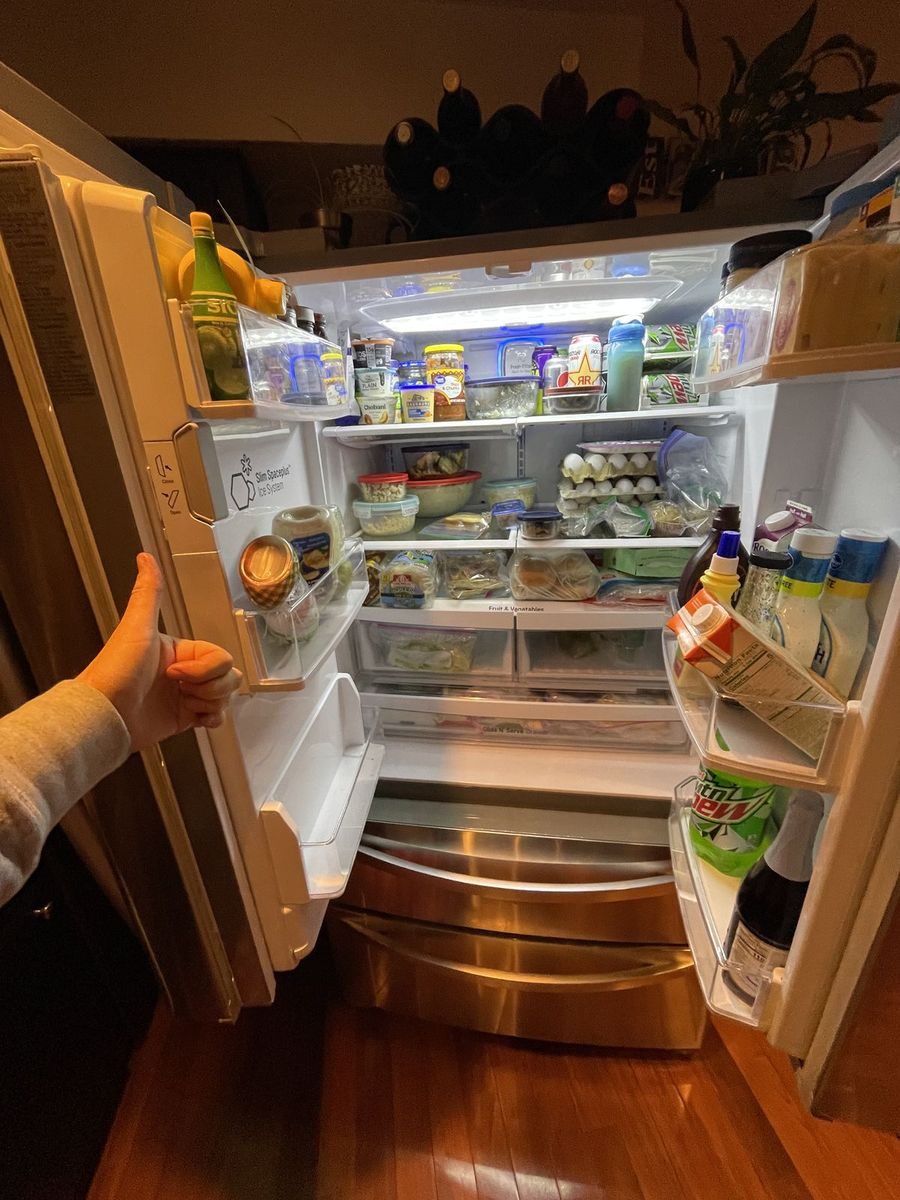
No. 12
When the ice stops after a power outage, the fill tube has often frozen. We check the water valve, the filter and the tube before blaming the ice maker.
Go to the service pageCall once the easy checks are done and loads still lag, and right away if the dryer stops heating, smells scorched, shuts off by itself or squeals on startup. Those symptoms usually trace to one part, whether an element, thermal fuse, high-limit thermostat, igniter, gas valve coil set, or a belt and idler pulley, and our technicians meter each one before replacing anything. They also measure airflow at the dryer and tell you whether the vent run is the choke point. Cleaning a full duct run is not a service we offer, but the reading tells you what needs doing and who to ask.
Gas odor puts everything else on hold: walk out first, and only from the sidewalk ring 911 or the gas utility. Other problems start with a diagnostic visit whose fee the office quotes at booking; approve a repair and the fee rides inside that total, decline and it is all you pay. Washers and dryers are both covered by 07D, the appliance repair specialty on our Washington electrical contractor license.
Guide · Rainy-season heat pumps
What months of 35–45°F rain and fog do to an outdoor unit, how to tell routine defrost from real trouble, and the moss, needle and soggy-ground fixes that help.
Guide · Summer heat in a rain-country house
Lessons from the June 2021 heat dome for South Sound homes: what cooling equipment can manage past 100°F, the signs of a failing unit, safe owner checks, and ways to add cooling.
Guide: storms and outages
What to do with your heat pump, furnace, fridge and freezer when South Sound wind, snow or freezing rain cuts the power, how to restart safely, and when to call.
It helps the room, and the dryer indirectly. Lower humidity lets a front-loader's boot and drum dry between loads, so mildew struggles, and the dryer inhales drier air to start with. A dehumidifier cannot fix a restricted vent, though. If loads still take two cycles with the room dry and the lint screen clean, the vent or the dryer's heat source deserves a closer look.
Often, yes. A roof vent adds vertical rise and usually a couple of elbows, and the cap up top gathers moss, fir needles and lint that weak exhaust cannot push out. In wet weather the flap can also stick shut. If your dryer vents through the roof and drying times creep upward, have airflow measured at the dryer, and leave the cap itself to someone equipped to work safely on a roof.
We advise against it. Dryer exhaust carries a great deal of water vapor and fine lint, and in a South Sound house that already runs damp, it feeds mold on windows, walls and the laundry room ceiling. Indoor lint catchers do not trap the finest fibers either. Gas dryers must always vent outdoors because of combustion gases. Keep exhaust going outside through a short, smooth run.
Usually the smell starts in the washer. Mildew living in a front-loader's door boot or sump transfers to the load, and a long, lukewarm drying cycle does not remove it. Clean the boot, run a tub-clean cycle, cut back on detergent, and move towels into the dryer promptly instead of leaving them in the drum. If the washer still smells after cleaning, its pump filter or boot may need service.
Ready when you are
Grab an open day and arrival window through online booking, or telephone the office, which picks up from 8 AM to 7 PM all week. Expect the office to confirm by phone, and your technician to call once rolling.
Online booking
Tell us what is acting up and when suits you. A coordinator phones to confirm the slot, and your technician calls again when heading your way.
These registrations are open to anyone. Look the numbers up on L&I Verify, and see our licenses page for what each one covers.
Read what each license allows