No. 1
Heat pump repair
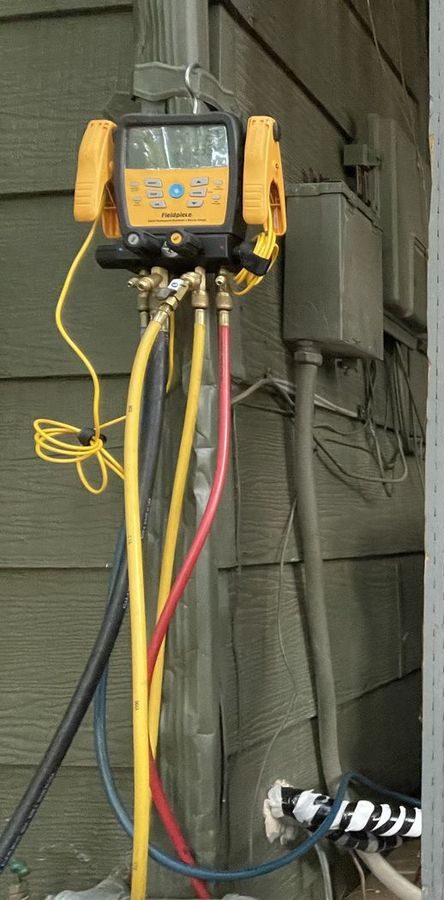
Olympia winters stay wet and just above freezing for weeks, so defrost does a lot of work. We read the coil sensor, the defrost board and the charge before anything else.
Go to the service page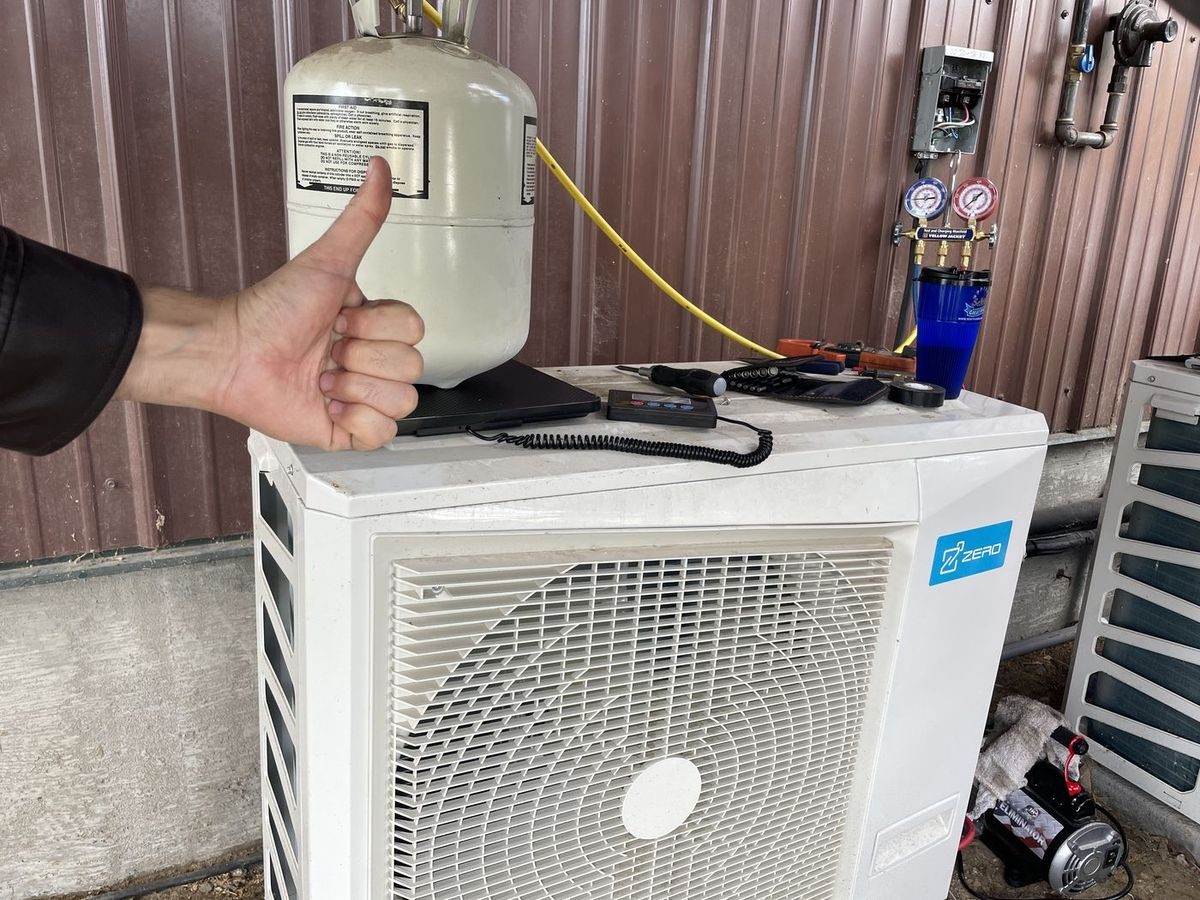
Guide · Rainy-season heat pumps
From November into spring, Lacey, Olympia and Tumwater sit in cool rain and fog for weeks at a stretch. Heat pumps handle that weather well, yet it keeps them busy defrosting and invites moss, needles and standing water. This guide sorts the normal from the worrying.
Quick answer
A heat pump in South Sound rain and fog should defrost often: the outdoor fan stops, vapor rises, the reversing valve whooshes, and a few minutes later the coil is bare again. That is healthy. Ice that stays after defrost, an AUX light glowing all day in 40-degree weather, or a unit that starts and stops every few minutes points to a part that needs testing, so book a visit.
Because the outdoor coil must stay colder than the air it draws heat from. On a 40°F drizzly day the fin surface often slips below freezing while the porch thermometer reads comfortably above it, and moisture in the saturated air condenses on those fins and turns to frost. In a dry climate that frost builds slowly; around Puget Sound it builds during a large share of winter running hours.
And the season is long. November is Olympia's wettest month at about 8.2 inches, December and January trail at roughly 7.8 inches apiece, and during those months rain falls on about two days in three. Temperatures park between 35 and 45°F for weeks. That band suits a heat pump well on efficiency, but it is also where defrost cycles stack up. Each cycle works the reversing valve, the relay on the defrost board, the fan motor on top and the capacitor that starts it, and the contactor, so those parts log heavy duty here by the time the daffodils come up.
A healthy defrost is short, a little noisy and finished in minutes. The defrost control watches a coil sensor, and on many boards a run-time timer as well, and once frost conditions line up it shifts the reversing valve, sending hot discharge gas through the outdoor coil while the fan above it stops so the warmth stays in the fins. Frost becomes water, the water drains out through the base pan, and on a raw morning a cloud of vapor drifts off the cabinet. When the coil warms past the board's termination point, the valve swings back and the fan spins up again.
Indoors, the air handler normally brings on its backup heat strips during defrost so the registers do not blow cool air, which explains the AUX light showing for a few minutes. Signs of a routine defrost include:
Trouble looks like ice that refuses to leave, heat that never arrives, or a system that cannot settle into steady running. A white or glassy layer that survives the cycle, ice sheathing the top grille or the fan blade, or a ridge climbing up from the base a bit higher each morning all say defrost is not finishing its job. Usual suspects are a failed coil sensor, a board that never initiates, a reversing valve stuck in heating or with an open solenoid coil, a fan motor or capacitor that will not restart the fan, and a low refrigerant charge.
Short cycling, where the compressor starts and quits every few minutes, has its own list: a pitted contactor, a weak run capacitor, a pressure switch opening on a low charge or an iced coil, a restricted TXV, a choked filter, or a badly placed thermostat. Our technicians force a defrost and watch it through, read the sensor and board outputs, test the valve solenoid, and check charge with superheat and subcooling against the maker's heating charts. Leak search, repair and recharging fall under the EPA 608 Universal credential they hold.
They hold water where it ought to drain and block air where it ought to flow. Under tall firs, as in Timberlake at the northwest corner of Long Lake, needles and cones rain into the top grille and pile up in the base pan. Moss and algae creep across fins and cabinet panels in our damp air, and in late spring cottonwood fluff adds another mat. A clogged base pan holds meltwater after every defrost, and on a 30-degree night that water refreezes against the bottom rows of the coil.
Ground matters too. Bush Prairie and the other prairie neighborhoods sit on gravelly glacial outwash and drain fast, but heavier soil and low corners elsewhere stay soggy all winter, and a settling pad can tip the unit toward its own puddle. An outdoor unit should sit level and high enough that defrost water drains away and ice cannot build up to the coil. Risers, stands and wall brackets solve that, and our technicians can raise and level a unit during a service visit. Keep shrubs trimmed back to the clearances in the installation manual.
Expect more AUX and less frost. Every few winters an arctic outbreak drives nights well below 20°F across western Washington, as January 2024 did. At those temperatures a heat pump still moves heat, just less of it, so the backup strips fill the gap more often; cold-climate models hold their output longer. Frost is often lighter than in fog because very cold air carries little moisture, although freezing rain can glaze a cabinet shut.
Get ready before the forecast turns: swap the filter, clear the base, and hold one steady thermostat setting rather than a deep overnight setback that calls for strip heat at dawn. Snow, freezing rain and wind can also cut power, as the February 2024 snow did in parts of Thurston County. After a long outage in deep cold, some manufacturers advise restoring power with the thermostat off for a while so the crankcase heater can warm the compressor; check the owner's manual. A tripped breaker can be reset once, and a second trip calls for a technician to test power at the equipment.
Each tab carries a photo from our service work and the first checks we make on that job. Choose a tab, or let them change by themselves.
No. 1
Olympia winters stay wet and just above freezing for weeks, so defrost does a lot of work. We read the coil sensor, the defrost board and the charge before anything else.
Go to the service page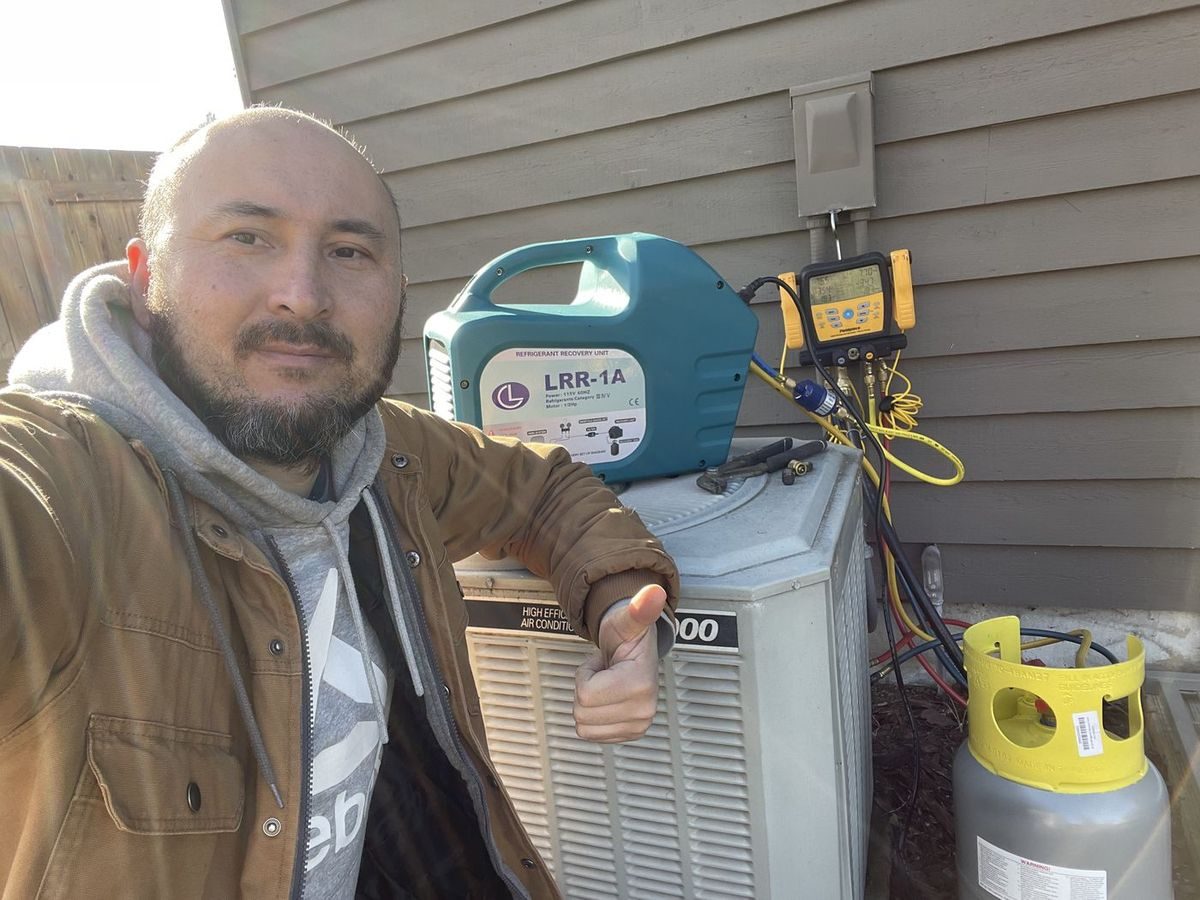
No. 2
Cooling was an afterthought in many South Sound homes until the 2021 heat dome. When a newer system lags on a hot day, airflow, the capacitor and the charge come first.
Go to the service page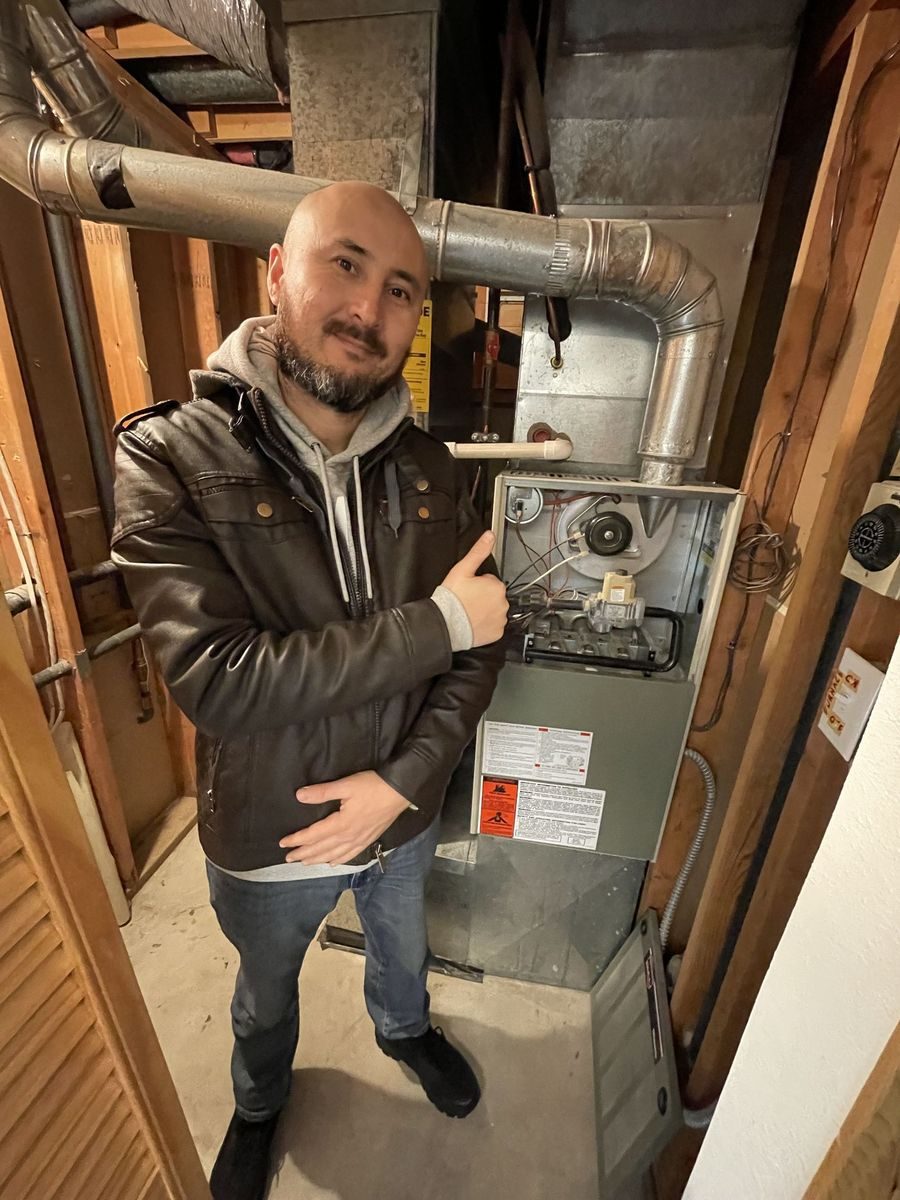
No. 3
Gas or electric, a furnace that quits on a cold morning is traced step by step: thermostat call, inducer, pressure switch, igniter, flame sensor, limit.
Go to the service page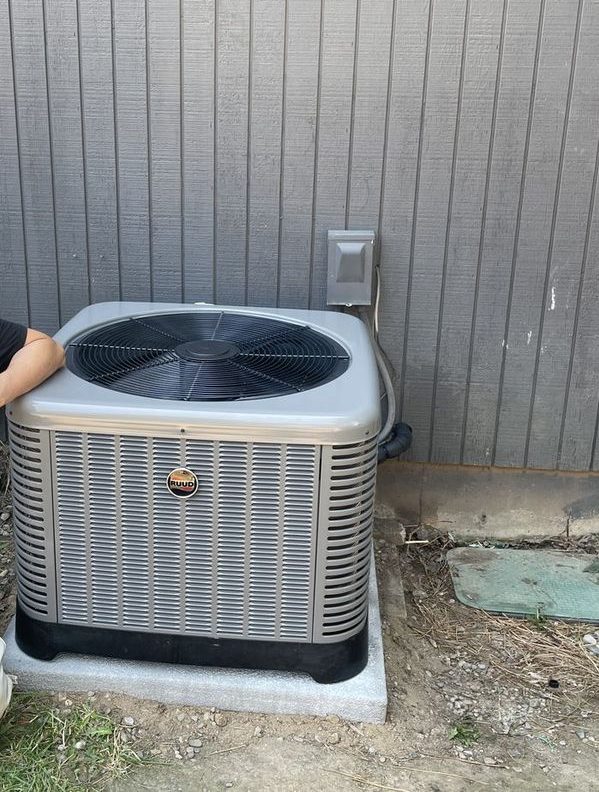
No. 4
A new system starts with a load calculation and a dry, level pad. Prairie gravel drains fast; in low clay corners we set the unit higher.
Go to the service page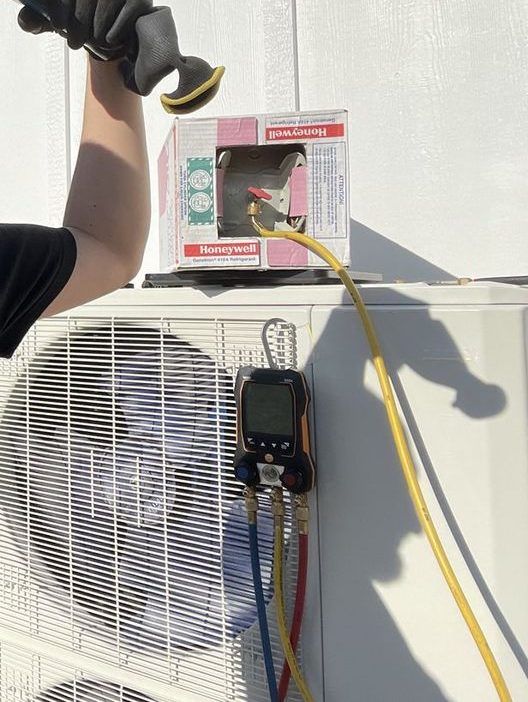
No. 5
Ductless heads suit older Olympia houses with no space for ducts. The line set runs outside, so its insulation and the condensate drain get a close look.
Go to the service page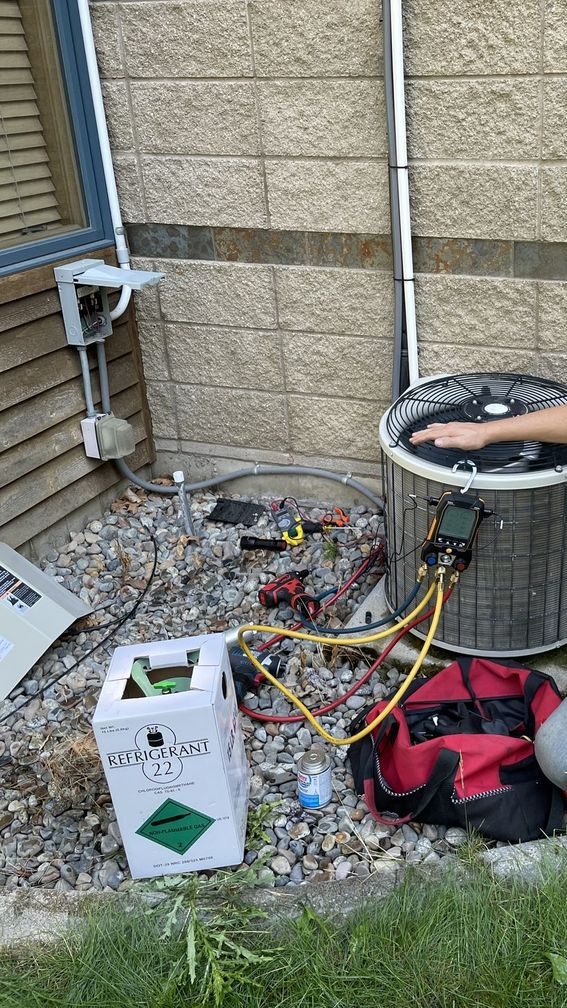
No. 6
Spring and fall visits clear needles and moss from the coil, open the drain holes in the base and test the defrost cycle before the long gray season.
Go to the service page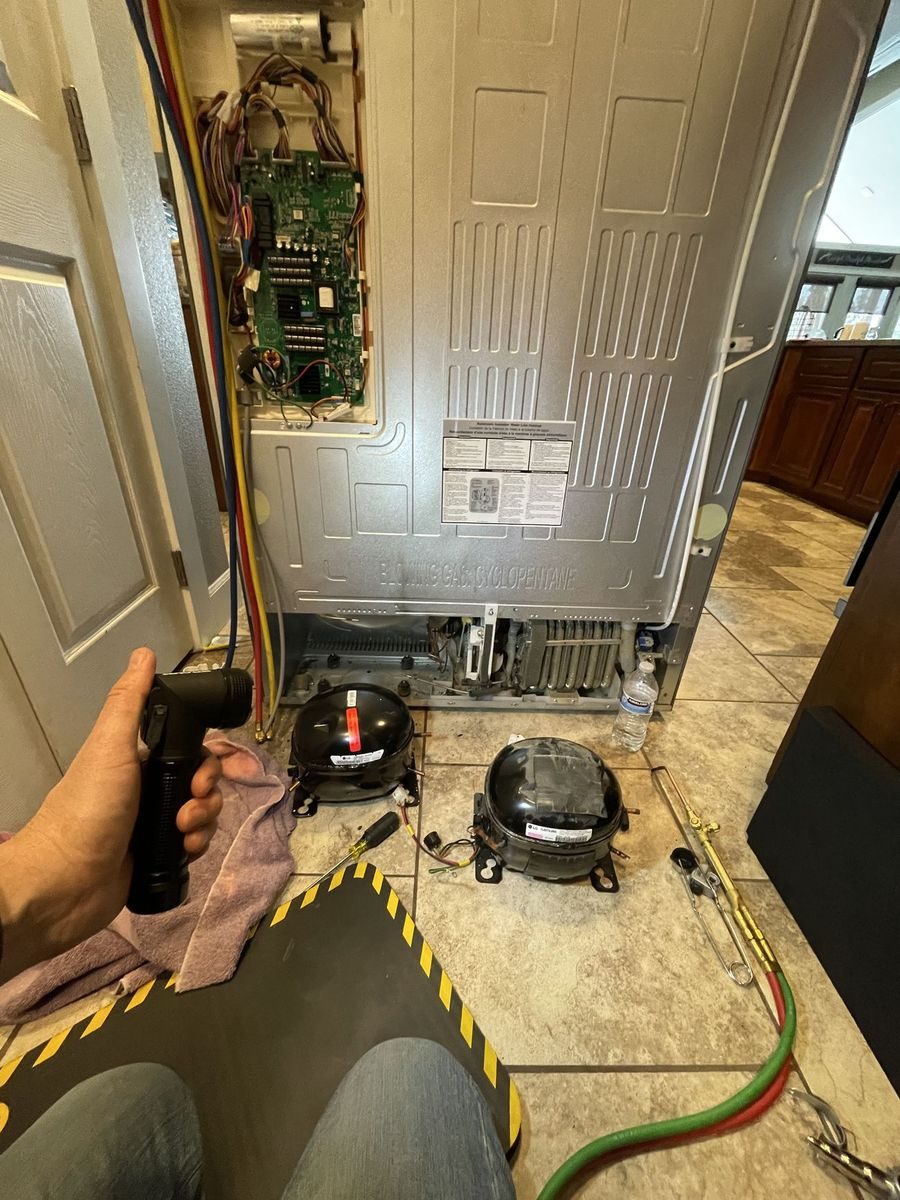
No. 7
Warm shelves usually come from frost on the coil, a fan that has stopped or a failed defrost part. Sealed-system repairs happen at home, by technicians holding EPA 608 Universal credentials.
Go to the service page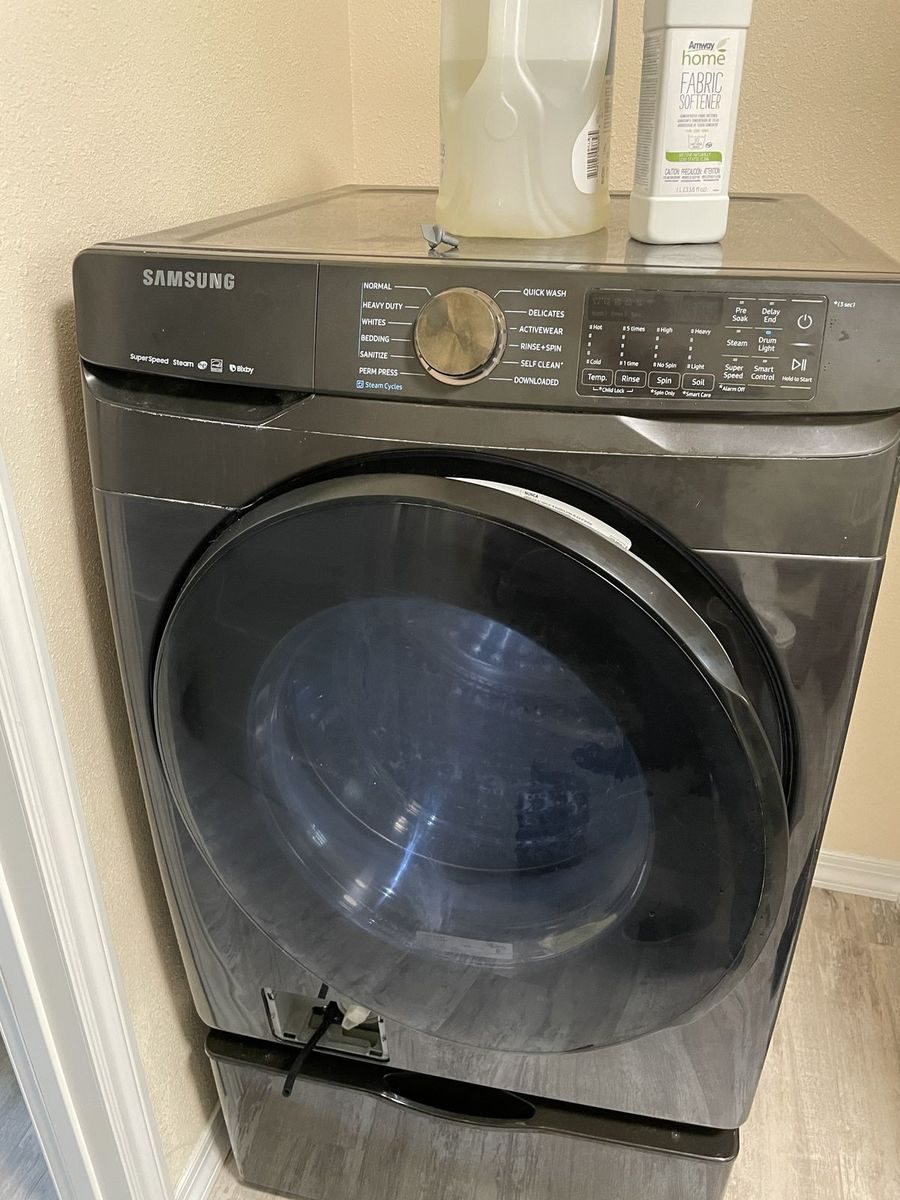
No. 8
Rural wells around Yelm and Rochester carry sediment that clogs inlet screens. A slow fill or a musty front-loader boot is where most washer visits start.
Go to the service page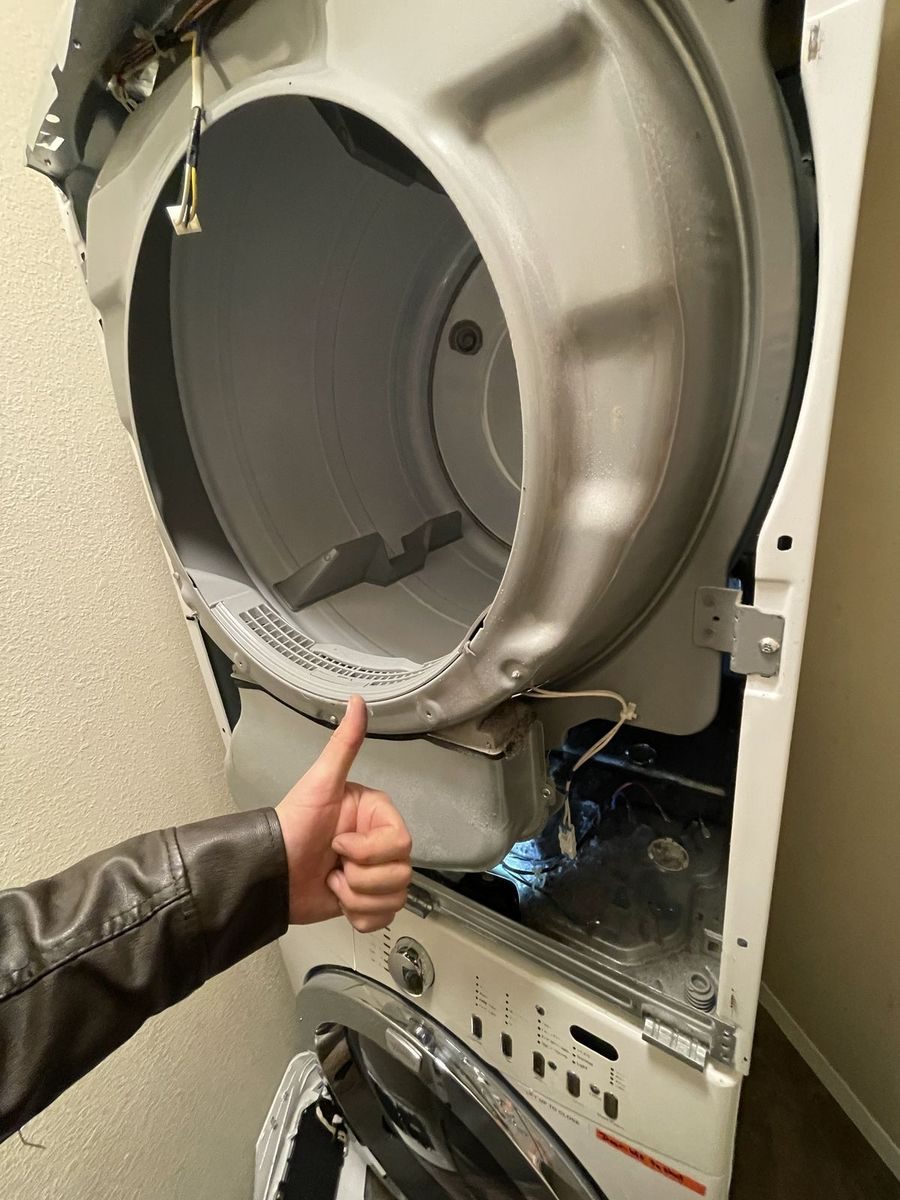
No. 9
Damp air and long vent runs make lint pile up fast in South Sound laundry rooms. The vent is tested together with the element or burner and the thermal fuse.
Go to the service page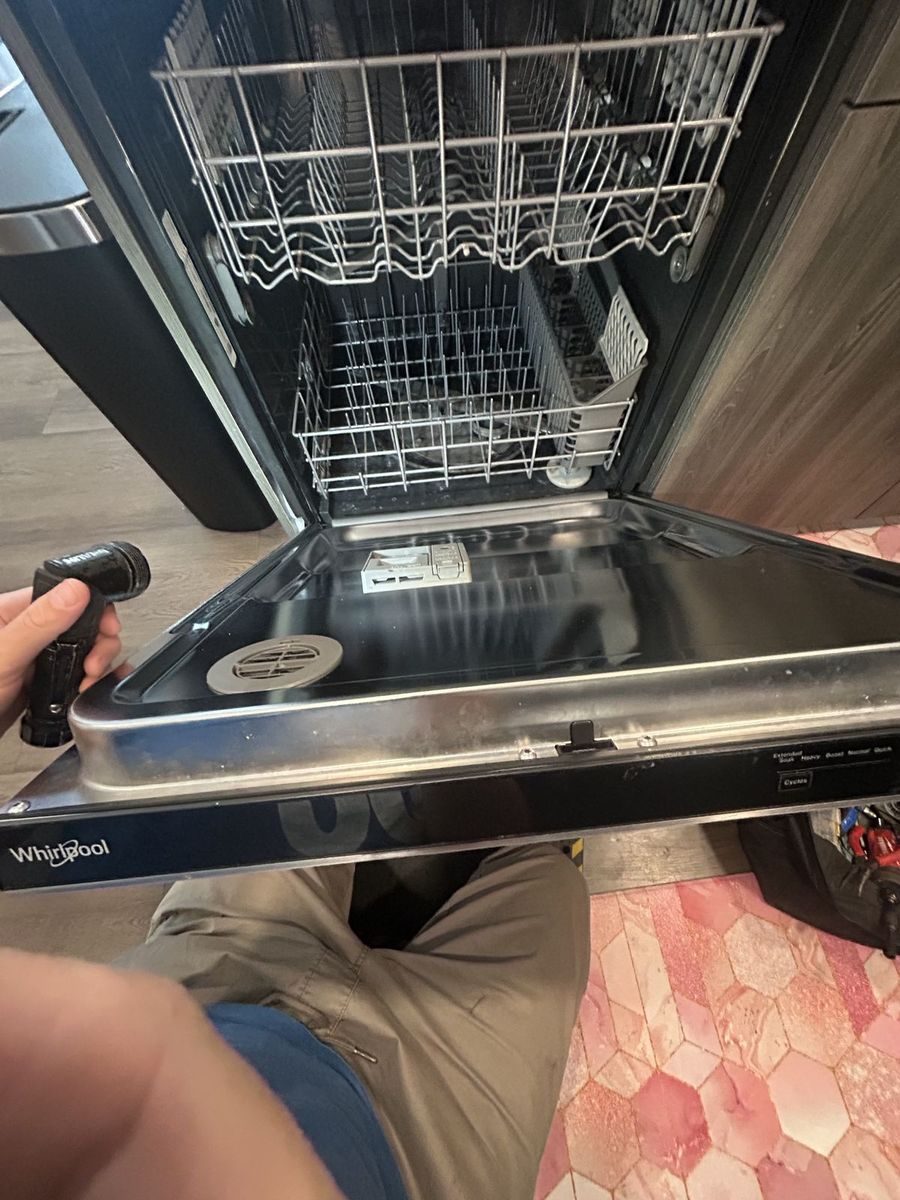
No. 10
Cloudy glasses and a tub that will not drain point to the filter, the drain pump or a hose without its loop under the counter. Each gets checked in order.
Go to the service page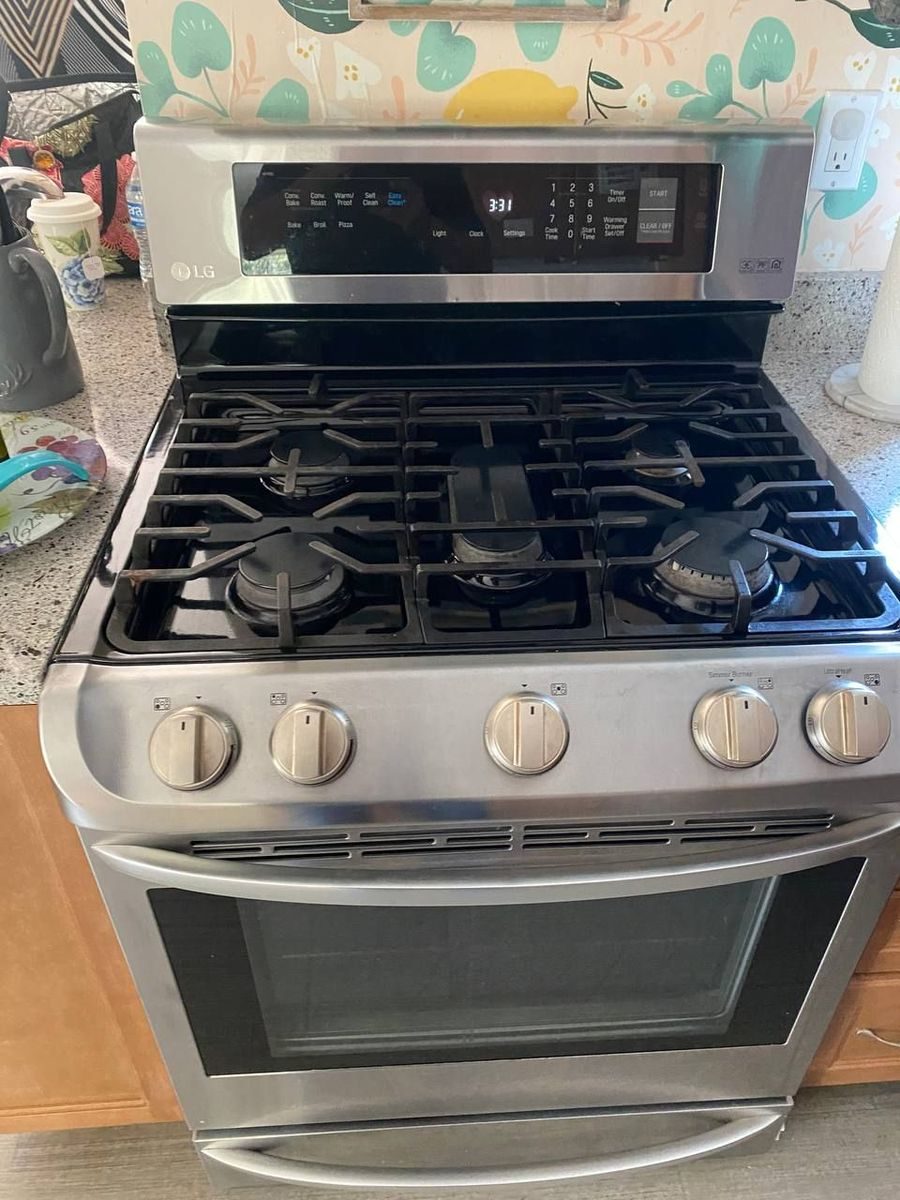
No. 11
Bake and broil elements, igniters and the oven sensor are metered before any part is ordered, on gas, electric and induction models alike.
Go to the service page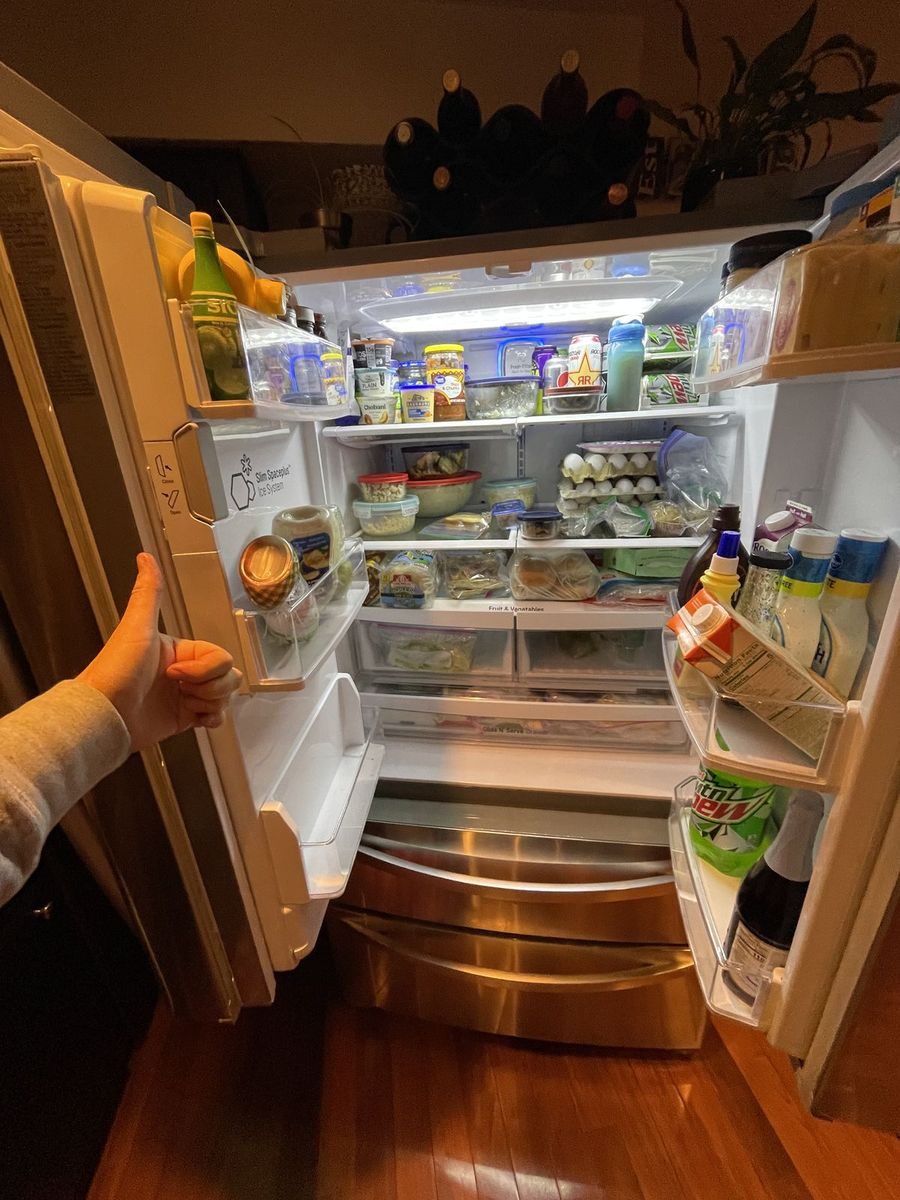
No. 12
When the ice stops after a power outage, the fill tube has often frozen. We check the water valve, the filter and the tube before blaming the ice maker.
Go to the service pageThe useful checks need no tools and no cabinet panels removed. Set the thermostat to off whenever your hands will be near the unit.
Guide · Summer heat in a rain-country house
Lessons from the June 2021 heat dome for South Sound homes: what cooling equipment can manage past 100°F, the signs of a failing unit, safe owner checks, and ways to add cooling.
Guide: storms and outages
What to do with your heat pump, furnace, fridge and freezer when South Sound wind, snow or freezing rain cuts the power, how to restart safely, and when to call.
Guide · Laundry in a wet climate
Why loads take two cycles in a wet-climate house, how vent length, elbows and lint slow drying, how to keep a front-loader from going musty, and which checks are safe to do yourself.
No fixed figure applies, since the board decides from coil temperature, run time and its own settings. In thick, near-freezing fog, a defrost every 30 to 90 minutes of compressor run time is common, and each one is typically over in a few minutes. The result matters more than the count: a coil left clear after every cycle and rooms that stay comfortable mean the system is working.
Not with a full cover. A heat pump heats all winter, so it needs open airflow across the coil and a clear exit for defrost water and vapor. Wrapping it traps moisture, invites rust and mildew, and running it covered can damage it. If a gutter or an overhanging fir dumps debris straight onto the top, fix that source, or ask a technician whether a small top shield suits your model.
Mostly it is defrost meltwater, and some water beneath the unit is expected. It turns into a problem when it freezes into a mound that reaches the bottom of the coil, or when the cabinet stands in water after every rain. Clear needles and debris from the base pan drain openings, and if the pad has sunk into a low spot, our technicians can lift the unit onto a riser or stand.
That pattern, called short cycling, is not defrost. Usual causes are a run capacitor drifting low, pitted contactor points, a pressure switch tripping on a low refrigerant charge, a dirty indoor filter, or a thermostat mounted near a heat source or a draft. Short cycling wears a compressor fast, so book a visit, and a technician will read pressures, test those parts and find which safety switch keeps opening.
Ready when you are
Call when ice outlasts defrost, AUX glows through mild weather or the unit short cycles. Request a day and an arrival window on the form, or phone the office during its 8 AM to 7 PM hours. The diagnostic fee, quoted at booking, folds into an approved repair and stands alone if you say no.
Online booking
Tell us what is acting up and when suits you. A coordinator phones to confirm the slot, and your technician calls again when heading your way.
These registrations are open to anyone. Look the numbers up on L&I Verify, and see our licenses page for what each one covers.
Read what each license allows