No. 1
Heat pump repair
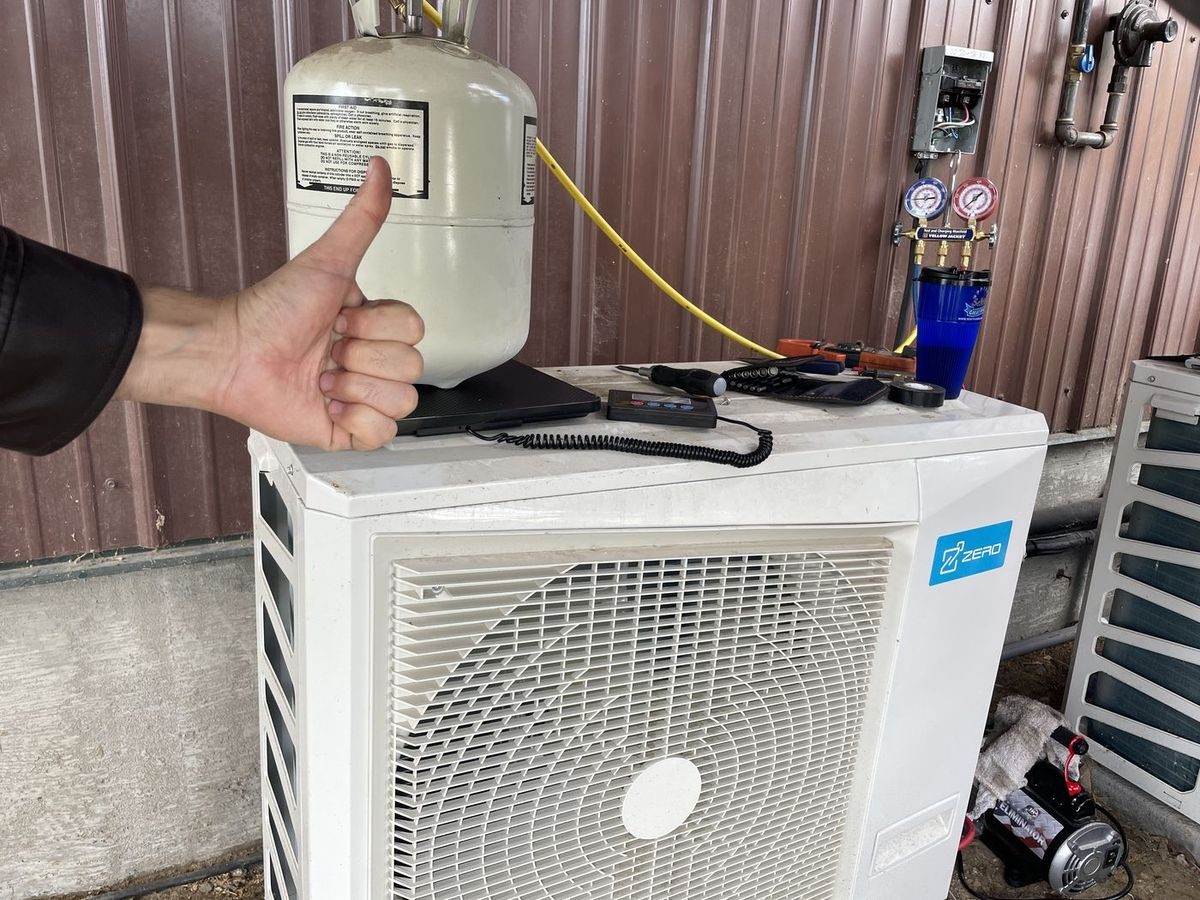
Olympia winters stay wet and just above freezing for weeks, so defrost does a lot of work. We read the coil sensor, the defrost board and the charge before anything else.
Go to the service page
Guide · Summer heat in a rain-country house
For most of the year cooling hardly matters here; Olympia's July and August highs average about 78°F. Then a heat wave lands, and a house designed around rain has to deal with triple digits. This guide covers what equipment can realistically manage, what to watch for, and how homes without central air can add cooling.
Quick answer
Many South Sound homes lack central air, and the June 2021 heat dome showed the cost: Olympia hit 102°F, 105°F, then 110°F. Past 100°F, even a healthy AC or heat pump runs nonstop and may slip a few degrees behind. Warm supply air, an outdoor unit humming while its fan stands idle, or frosted copper lines point to a failure. Homes with ducts can add a heat pump; homes without can add mini-splits.
Three days rewrote the local record book. Olympia set a daily record of 102°F on June 26, an all-time record of 105°F on June 27, and then reached 110°F on June 28, 2021. For a city whose summer afternoons rarely climb past the upper 70s, that sat far outside anything most local houses had been designed to handle.
Many homes here were built without central air, simply because for most of the year nobody needed it. Upstairs bedrooms under lightly insulated roofs held heat well past midnight, and houses relying on fans or a single window unit had few ways to pull indoor temperatures back down. Plenty of owners added AC or a heat pump in the years since. Central air added since then often cools for only a few weeks each summer, which matters when the next spell arrives: parts that sit idle most of the year tend to reveal their weaknesses on the first hard day.
It can keep a house livable, though usually not at 70°F. Residential equipment is sized around an ordinary warm afternoon for the region, and in a place this mild that design day sits far below 105°F. Beyond it, a sound system runs without stopping, and indoor temperatures creep upward through the afternoon, sometimes several degrees past the setpoint, before recovering after sunset.
The most telling number is the temperature split. Once the system has run for a quarter of an hour, hold a cooking thermometer in a supply register near the furnace or air handler, then in front of the return grille. A drop somewhere in the 15- to 20-degree range means the equipment is doing its job. A much narrower gap suggests a refrigerant shortage, a coil coated in grime or a weakening compressor, while a far wider one usually means the indoor coil is short on airflow.
Warm air, a humming outdoor unit and ice are the three that matter most. Air that comes out barely cool, or room temperature, means the refrigerant circuit is not moving heat. An outdoor unit that hums or buzzes while its fan sits still usually points to a failed run capacitor or a seized fan motor, and the compressor itself may be overheating and tripping on its internal overload. Frost or ice on the fatter copper line, or at the indoor coil, signals starved airflow or a refrigerant shortfall, and running a frozen system can ruin the compressor.
Shut the system off at the thermostat if you see ice or hear buzzing without the fan turning. Keep sticks and fingers away from a stalled fan blade, because a capacitor stores enough charge to jolt the motor into motion without warning. Our technicians test capacitors in microfarads, check contactor wear, read superheat and subcooling, and measure static pressure before naming a repair; refrigerant work is done under their EPA 608 Universal credential.
A handful of checks are safe and sometimes solve the problem outright. Anything past them, including opening the outdoor unit's electrical compartment, handling refrigerant or swapping a motor or capacitor, belongs to a technician.
Each tab carries a photo from our service work and the first checks we make on that job. Choose a tab, or let them change by themselves.
No. 1
Olympia winters stay wet and just above freezing for weeks, so defrost does a lot of work. We read the coil sensor, the defrost board and the charge before anything else.
Go to the service page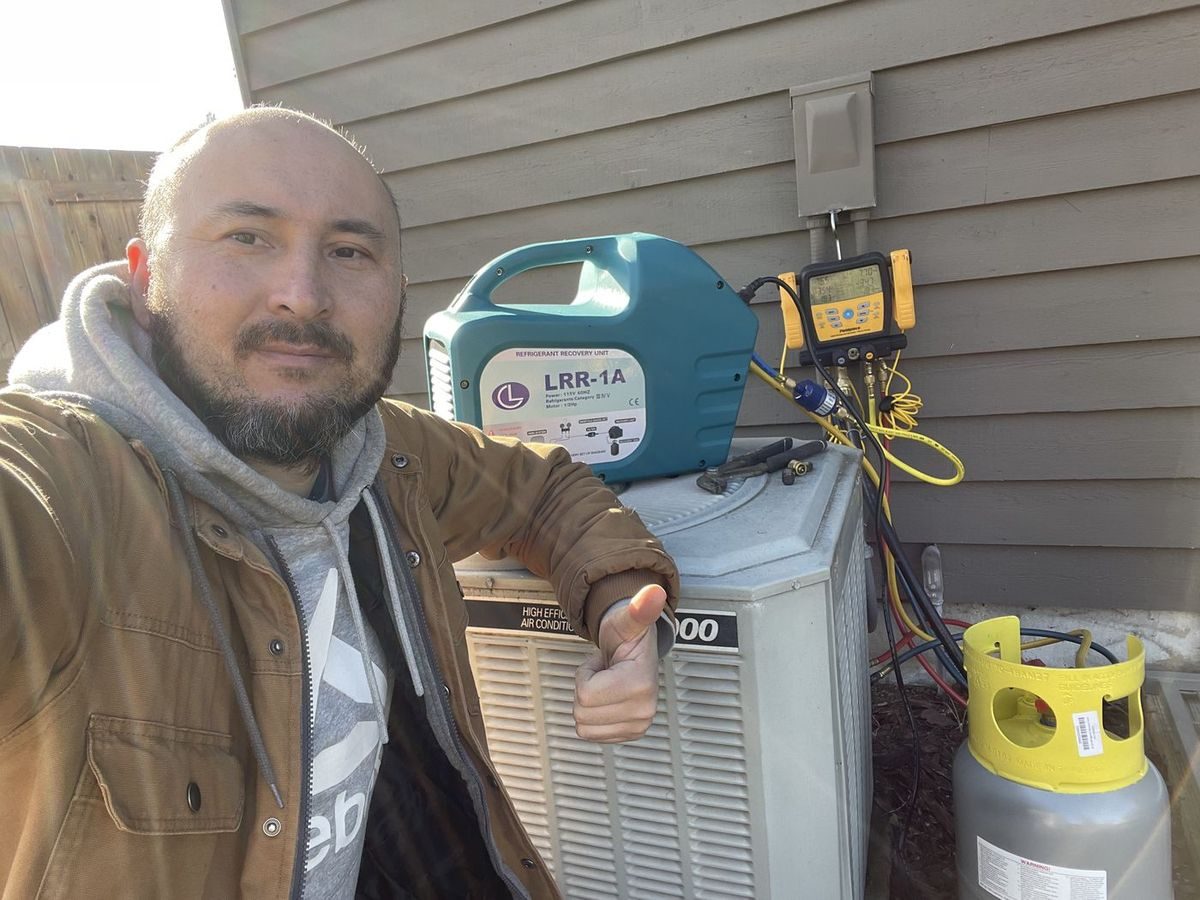
No. 2
Cooling was an afterthought in many South Sound homes until the 2021 heat dome. When a newer system lags on a hot day, airflow, the capacitor and the charge come first.
Go to the service page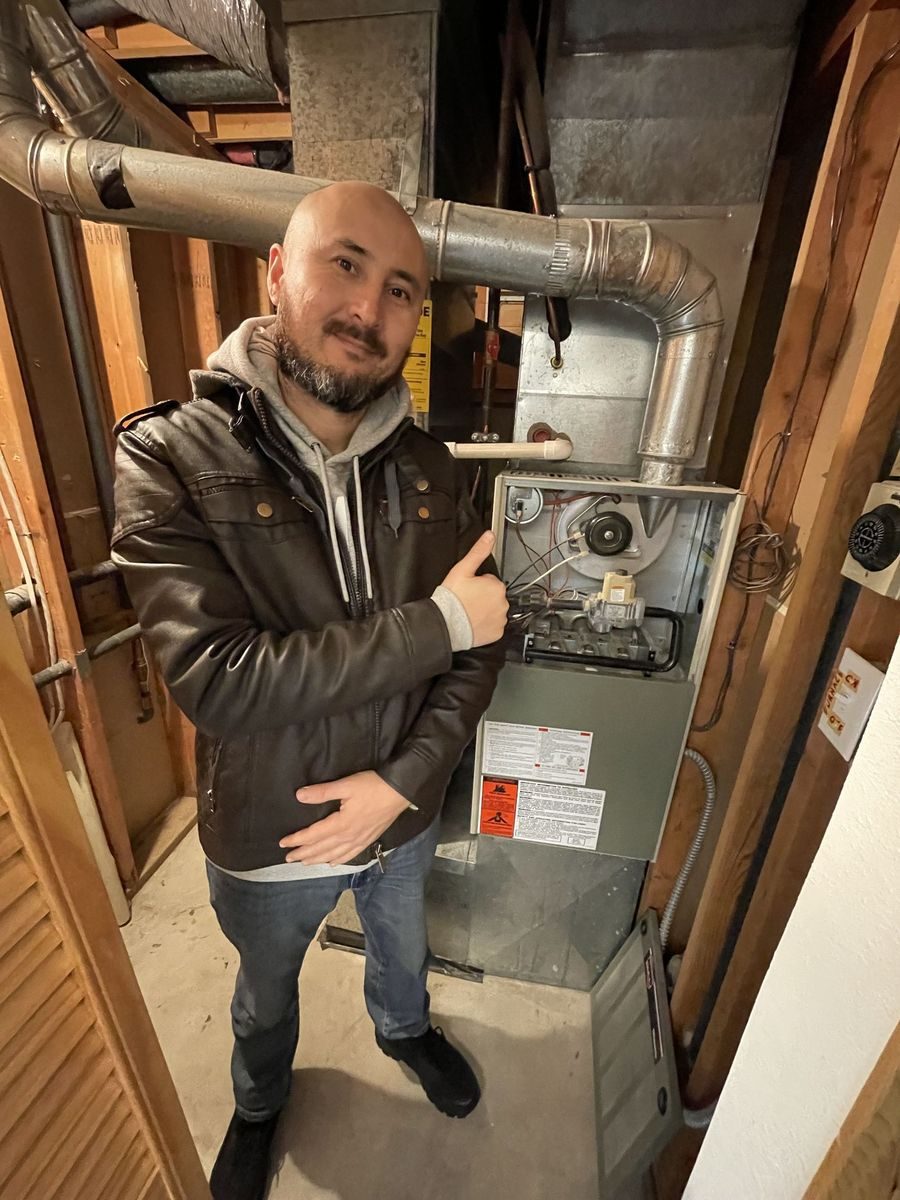
No. 3
Gas or electric, a furnace that quits on a cold morning is traced step by step: thermostat call, inducer, pressure switch, igniter, flame sensor, limit.
Go to the service page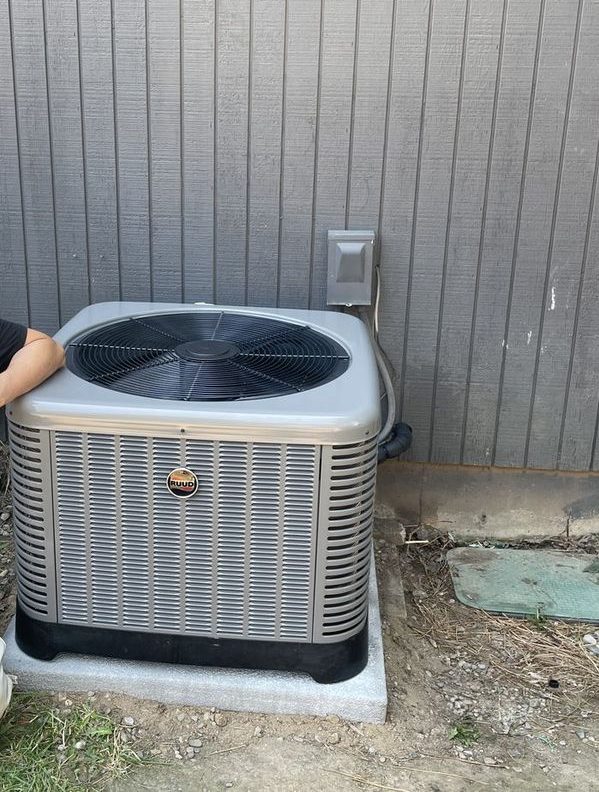
No. 4
A new system starts with a load calculation and a dry, level pad. Prairie gravel drains fast; in low clay corners we set the unit higher.
Go to the service page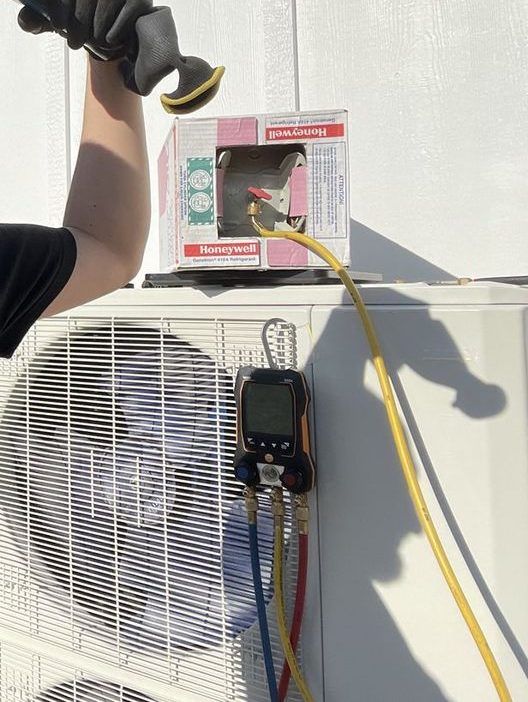
No. 5
Ductless heads suit older Olympia houses with no space for ducts. The line set runs outside, so its insulation and the condensate drain get a close look.
Go to the service page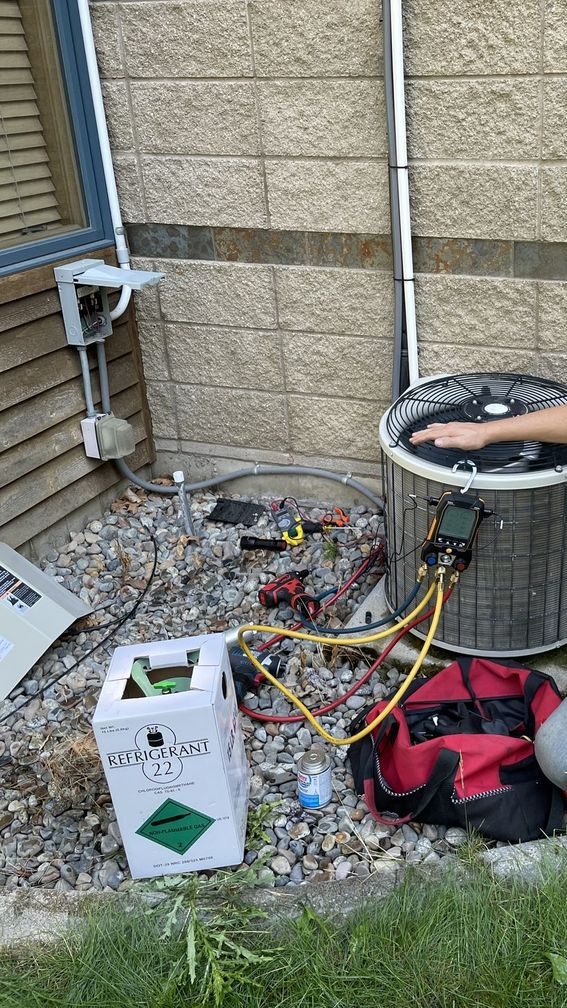
No. 6
Spring and fall visits clear needles and moss from the coil, open the drain holes in the base and test the defrost cycle before the long gray season.
Go to the service page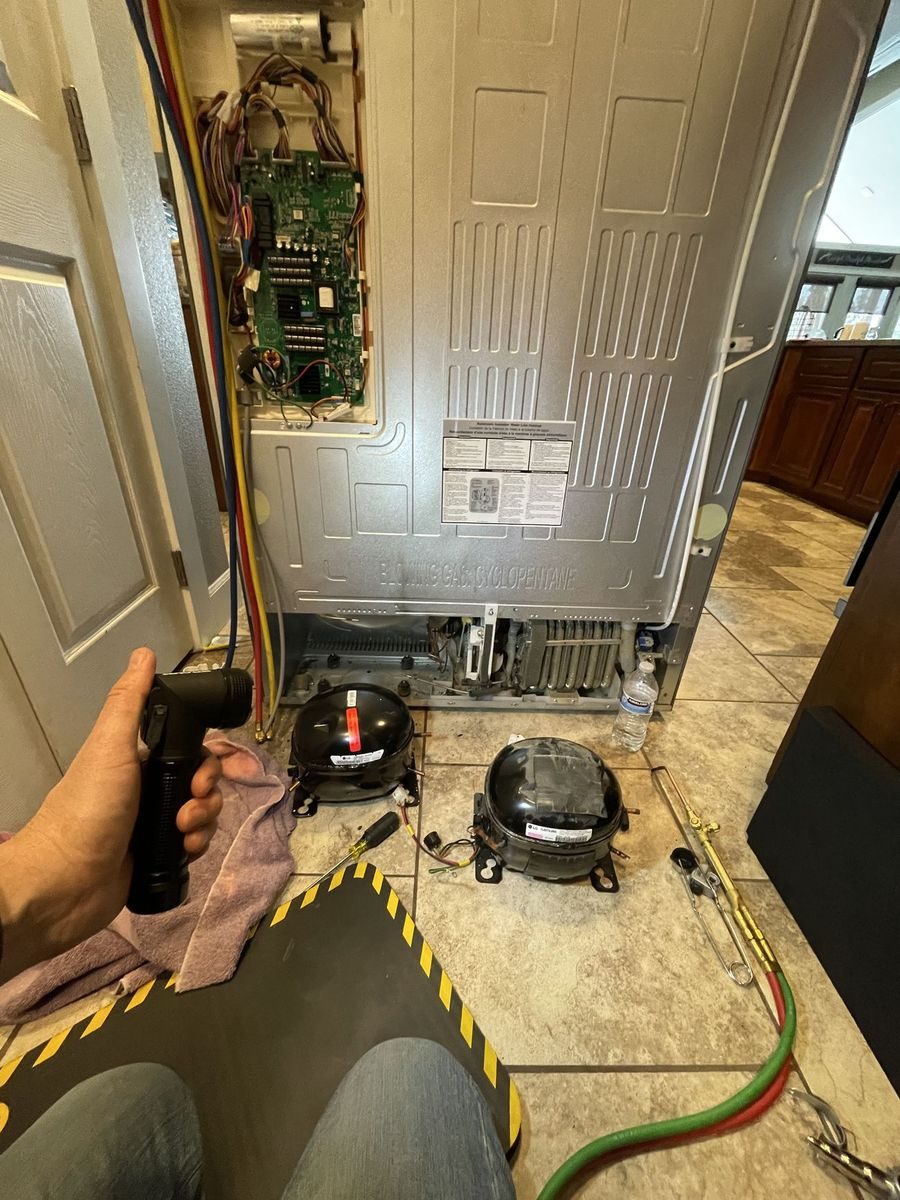
No. 7
Warm shelves usually come from frost on the coil, a fan that has stopped or a failed defrost part. Sealed-system repairs happen at home, by technicians holding EPA 608 Universal credentials.
Go to the service page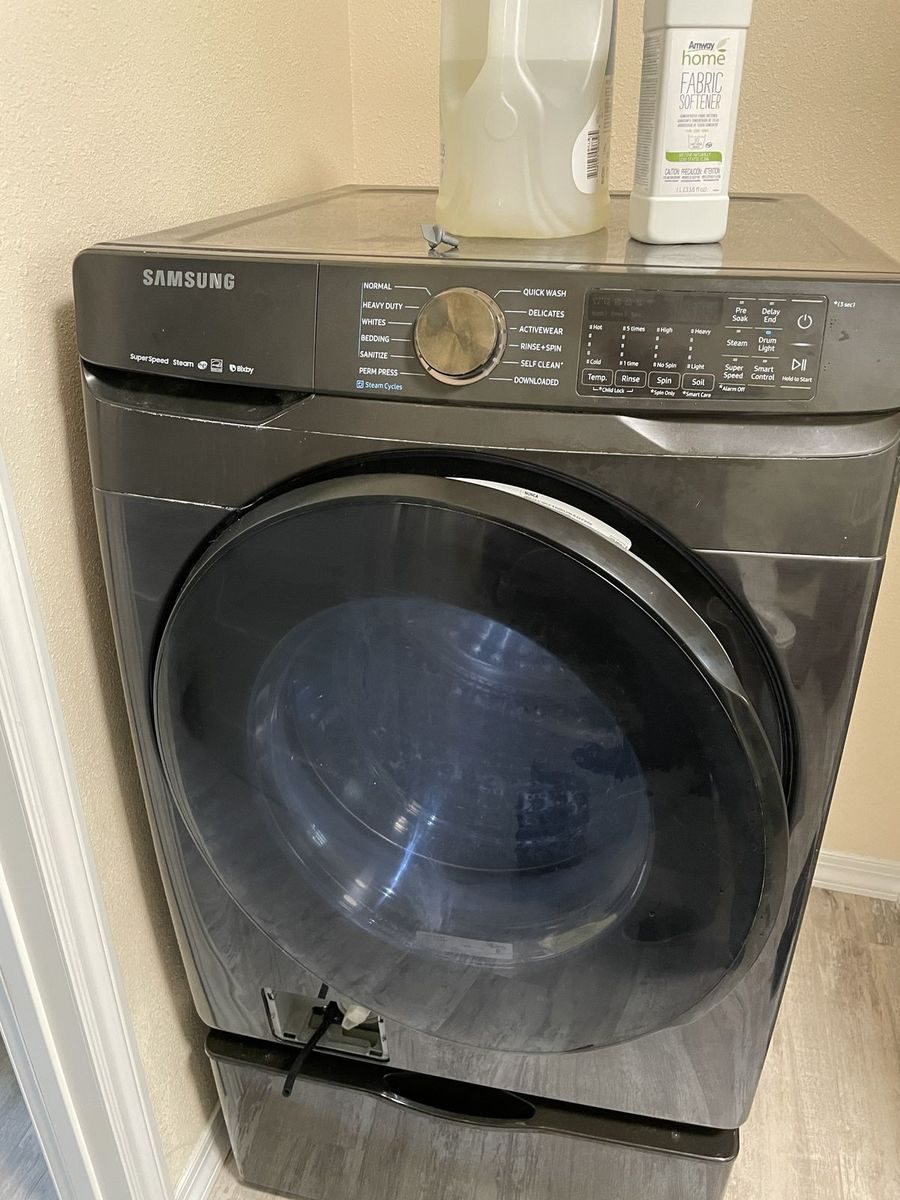
No. 8
Rural wells around Yelm and Rochester carry sediment that clogs inlet screens. A slow fill or a musty front-loader boot is where most washer visits start.
Go to the service page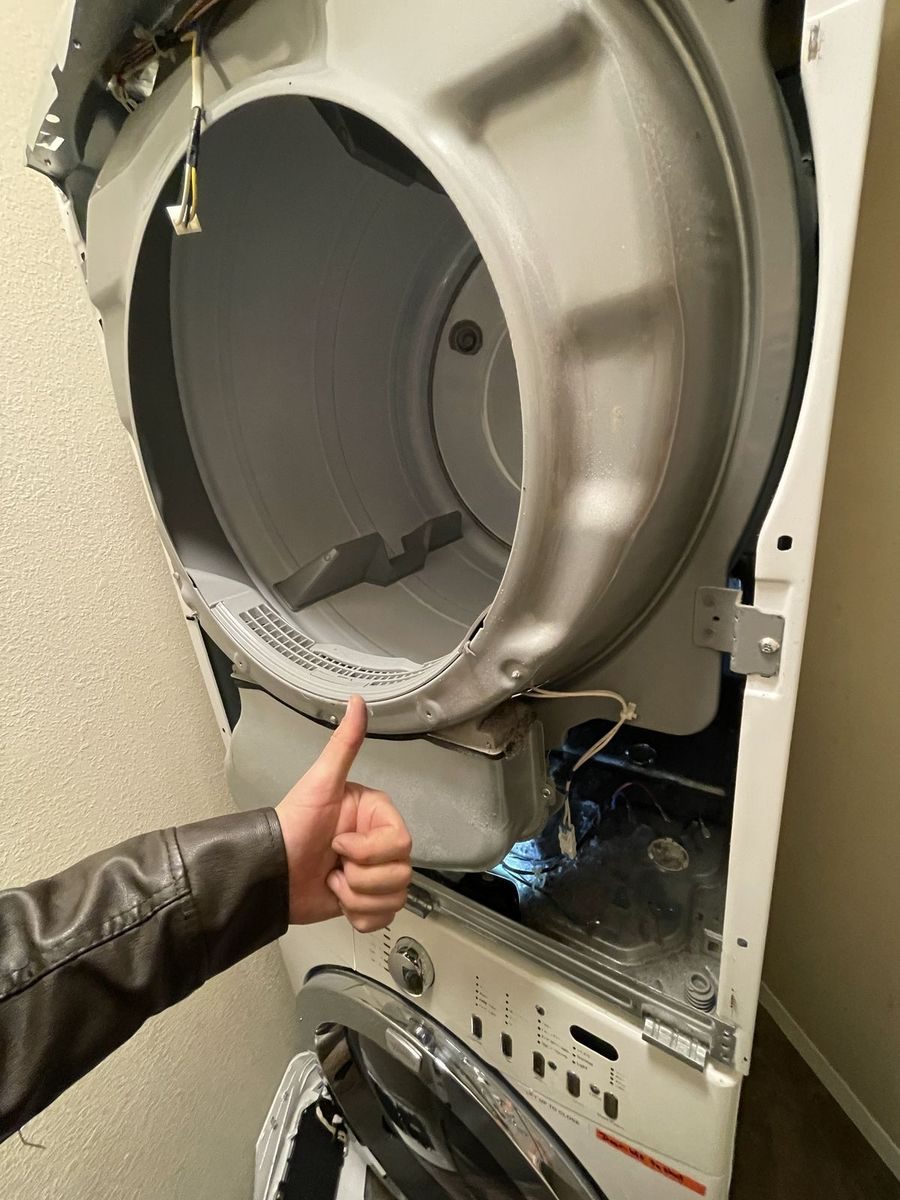
No. 9
Damp air and long vent runs make lint pile up fast in South Sound laundry rooms. The vent is tested together with the element or burner and the thermal fuse.
Go to the service page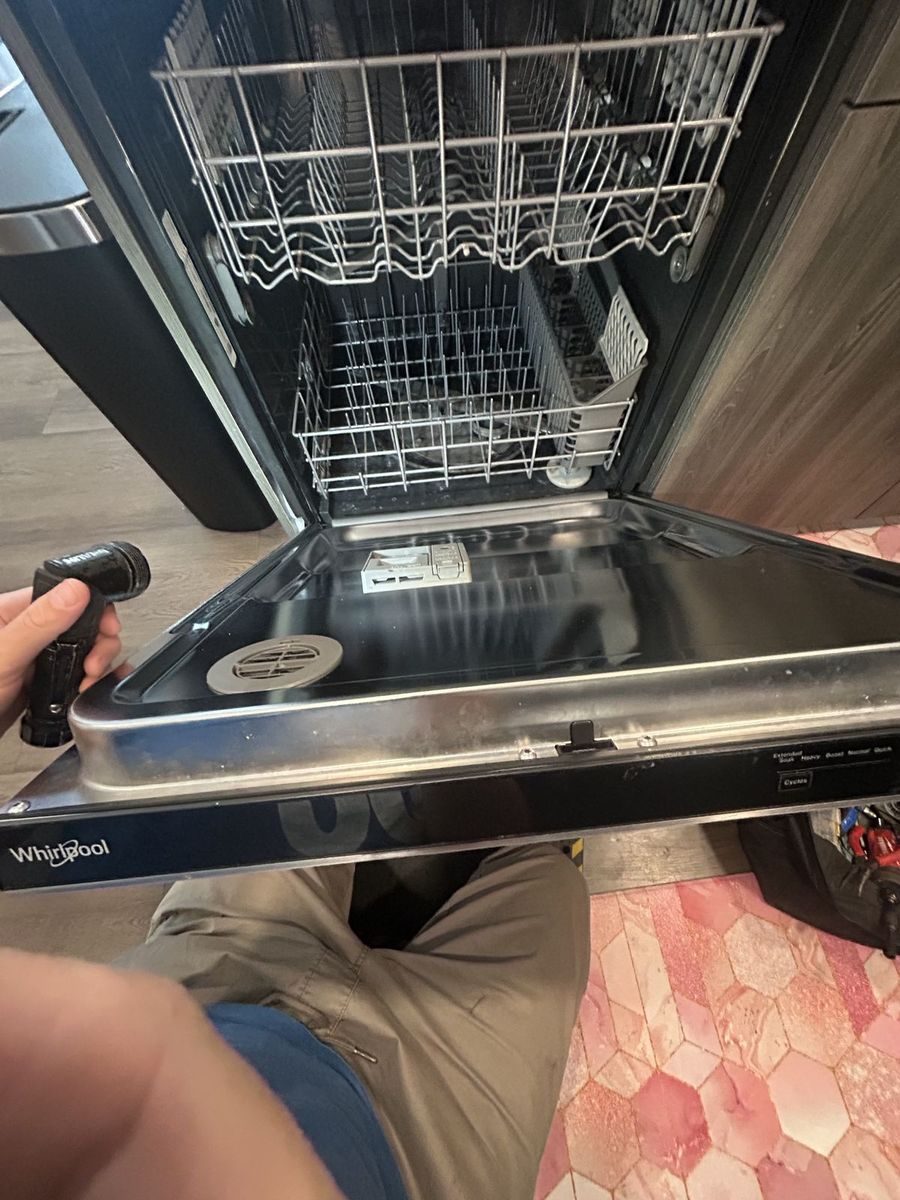
No. 10
Cloudy glasses and a tub that will not drain point to the filter, the drain pump or a hose without its loop under the counter. Each gets checked in order.
Go to the service page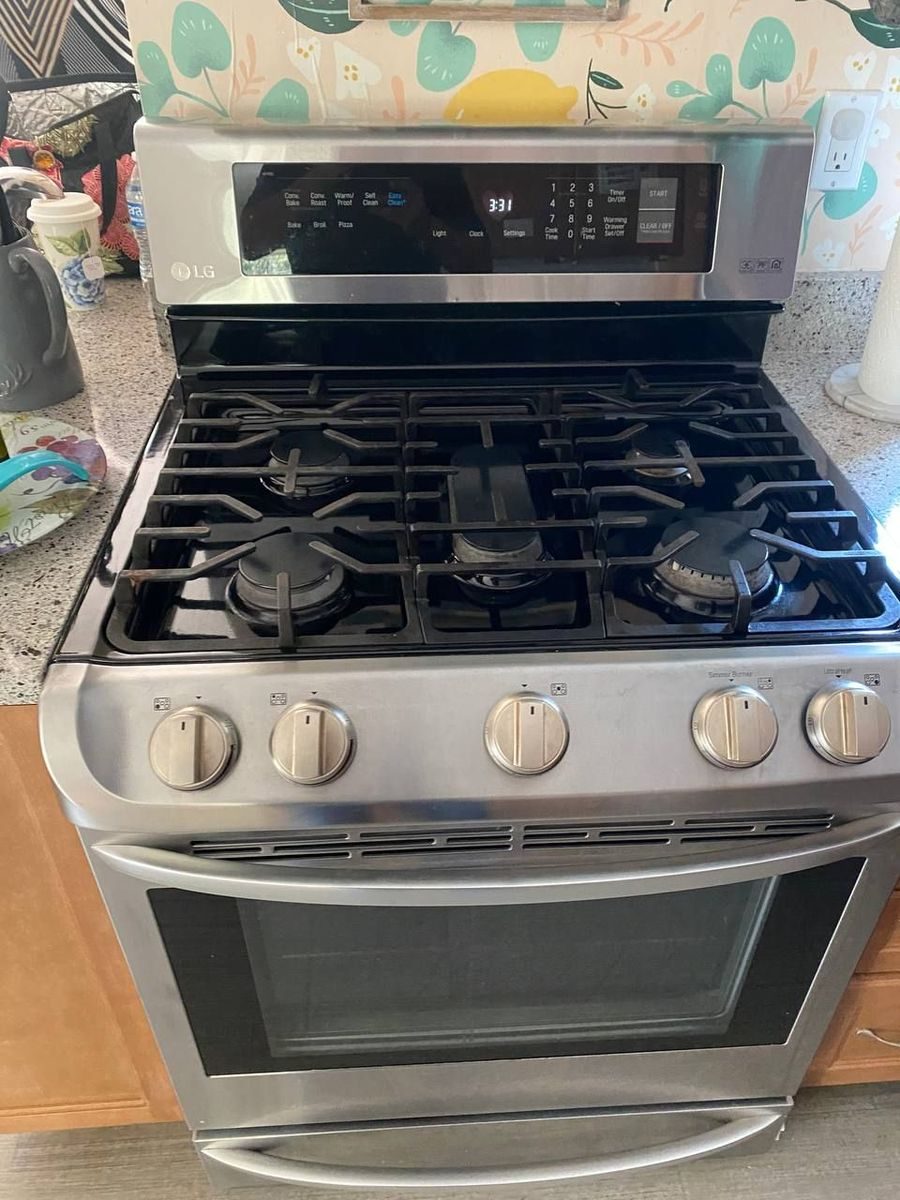
No. 11
Bake and broil elements, igniters and the oven sensor are metered before any part is ordered, on gas, electric and induction models alike.
Go to the service page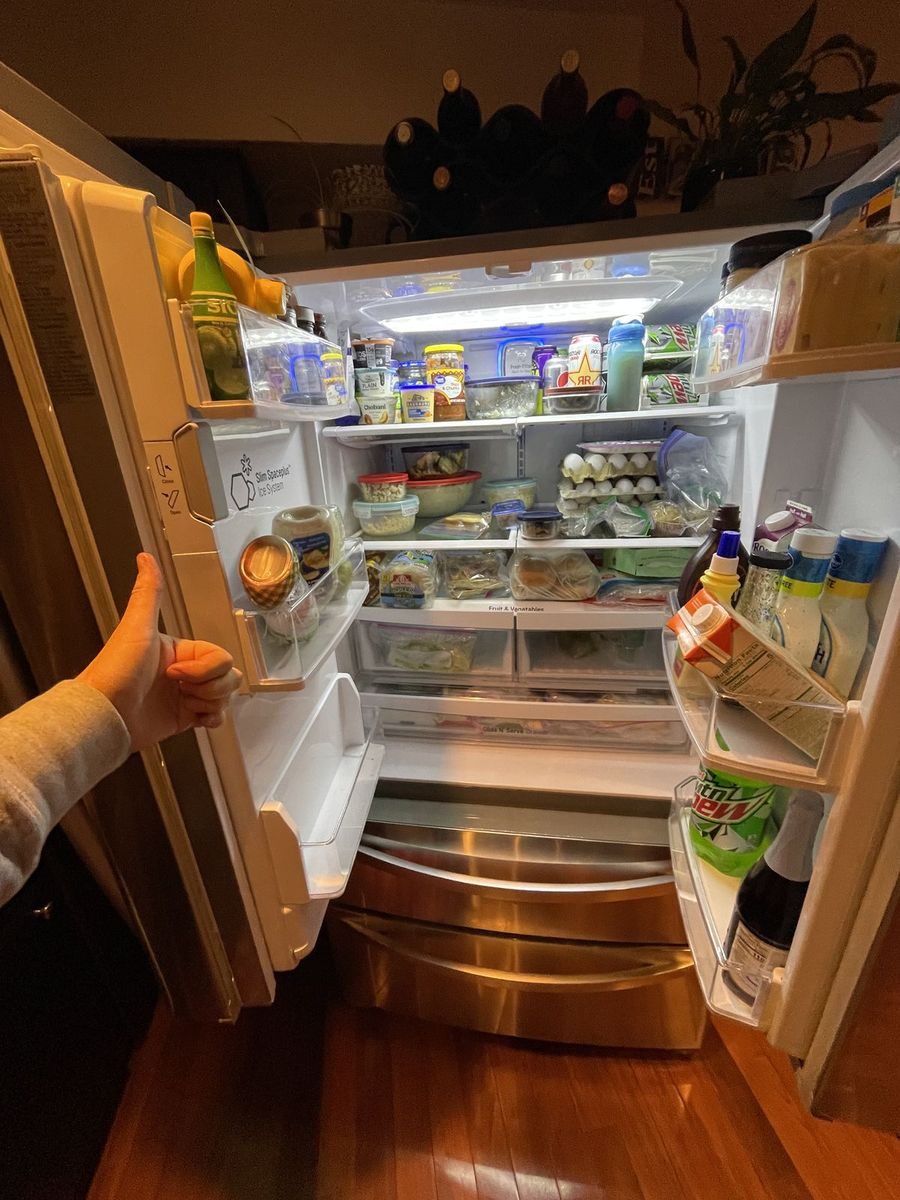
No. 12
When the ice stops after a power outage, the fill tube has often frozen. We check the water valve, the filter and the tube before blaming the ice maker.
Go to the service pageA home that already has ducts, such as one heated by a gas or electric furnace, can usually add a ducted heat pump or a central AC that rides on the same ductwork. A heat pump also brings efficient heating for the long 35- to 45-degree winters, and paired with a gas furnace it can leave the furnace as backup for arctic cold snaps.
Homes without ducts are usually better served by ductless mini-splits. That includes houses warmed by electric baseboard or wall heaters and many older homes in South Capitol, Bigelow or Tanglewilde. One head can rescue the hottest upstairs bedroom; several heads on one or more outdoor units can cover a whole floor. Window units still have a place in a single room, but they struggle hardest exactly when outdoor air is hottest.
Any new system is quoted in writing as one figure that takes in the equipment along with the work of installing it. If the house lacks a suitable power supply for the outdoor unit, the quote points that out up front, because that portion goes to an electrician rather than to us. Planning in spring, well before a heat warning shows up in the forecast, leaves time to choose without pressure.
Guide · Rainy-season heat pumps
What months of 35–45°F rain and fog do to an outdoor unit, how to tell routine defrost from real trouble, and the moss, needle and soggy-ground fixes that help.
Guide: storms and outages
What to do with your heat pump, furnace, fridge and freezer when South Sound wind, snow or freezing rain cuts the power, how to restart safely, and when to call.
Guide · Laundry in a wet climate
Why loads take two cycles in a wet-climate house, how vent length, elbows and lint slow drying, how to keep a front-loader from going musty, and which checks are safe to do yourself.
Not necessarily. Equipment in a mild climate is sized well below 105°F, so on an afternoon like that a healthy unit can lag several degrees and catch up after dark. Check the gap between supply and return air: roughly 15 to 20 degrees means the system is working. A much smaller gap, warm air, or an outdoor fan that is not spinning means it is time for a visit.
Yes. Continuous running is what it is built for on extreme days, provided the outdoor fan is turning, air is moving and nothing is icing over. Long run times do stress tired parts, so a capacitor that was already drifting or a coil packed with cottonwood may give out. If you spot ice or hear buzzing without the fan spinning, switch cooling off and call.
If the house already has ducts in reasonable shape, a ducted heat pump usually reaches every room with the least disruption. If it has baseboard or wall heat and no ducts, mini-splits avoid building new duct runs through walls and ceilings. Some homes mix the two, with a ducted system on the main floor and a head upstairs. Our technician looks at the house and writes up the options.
Yes. A single-zone mini-split with one indoor head is the usual way to cool one hot upstairs room, particularly in older homes without ducts. It needs one small hole through the wall for the line set, drain and control wiring, plus an outdoor unit set on a concrete pad or mounted on a wall bracket. Through the winter, that same head also heats the room efficiently.
Ready when you are
Request a cooling check or an install estimate on the website by picking whichever day and arrival window fit your week, or ring us 8 AM–7 PM, any day. Expect the office to phone back and confirm.
Online booking
Tell us what is acting up and when suits you. A coordinator phones to confirm the slot, and your technician calls again when heading your way.
These registrations are open to anyone. Look the numbers up on L&I Verify, and see our licenses page for what each one covers.
Read what each license allows