No. 1
Furnace repair
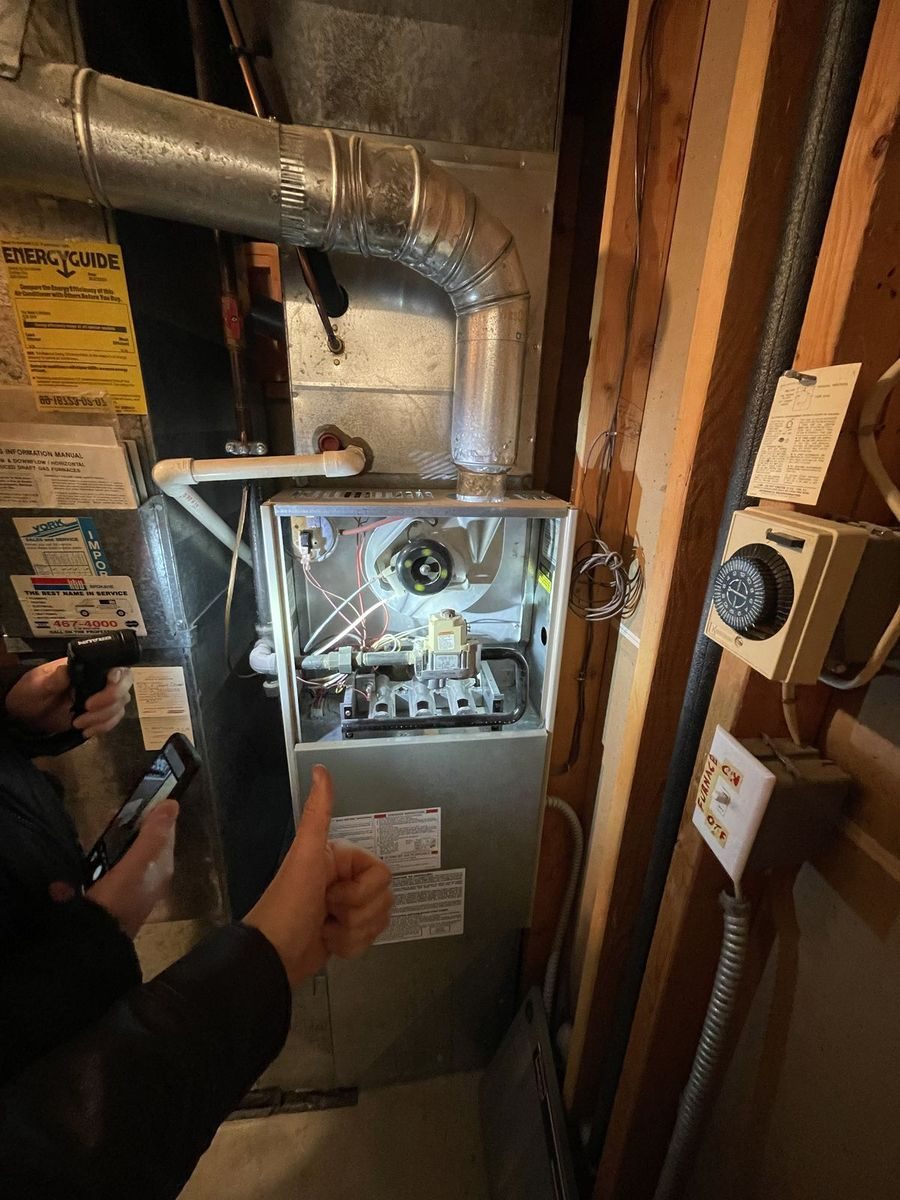
Gas or electric, a furnace that quits on a cold morning is traced step by step: thermostat call, inducer, pressure switch, igniter, flame sensor, limit.
Go to the service page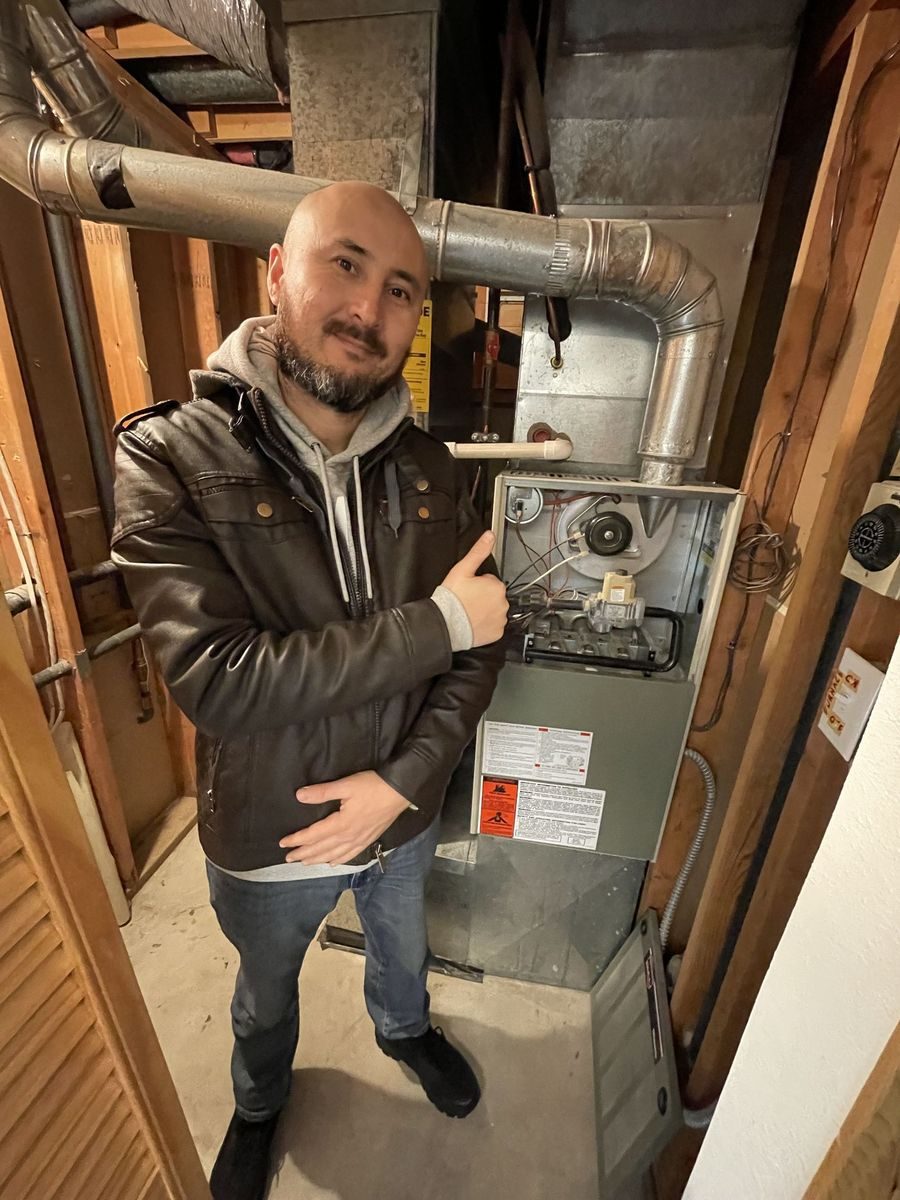
Gas and electric furnace repair, Lacey
Newer Lacey homes often park a high-efficiency gas furnace in the garage, while mid-century houses may run an electric furnace or an aging gas unit tucked in a hall closet. Our technicians fix both kinds, show you the reading behind the diagnosis, and write out a price for your approval before any repair.
Quick answer
Gas furnaces in Lacey usually stop over a fouled flame sensor, an igniter cracked from heat, a pressure switch that stays open, or a condensate trap frozen solid. Electric models tend to lose an element, sequencer or limit instead. We test the suspect part, write up a price, and begin once you approve. Smell gas? Go outdoors before you phone anyone, and from there contact 911 or the gas utility.
Most often its condensate trap freezes. A high-efficiency gas furnace makes water as it burns, and in plenty of newer Lacey homes the furnace lives in an unheated garage. On ordinary winter nights in the 30s that causes no trouble. When an arctic outbreak drives temperatures well below 20°F, as one did in January 2024, the trap or its drain line can turn to ice. Water backs up into the collector box, the pressure switch never proves draft, and the inducer motor hums along while the burners stay dark. We thaw and clear the trap, check the drain route and the switch hose, and point out which exposed lines are worth wrapping in insulation.
Older furnaces break in other ways. Mid-century neighborhoods near central Lacey, Tanglewilde among them, may have an electric furnace built around heating elements, sequencers and limit switches, or a gas unit old enough to use a standing pilot or an early igniter. One fault shows up at every age: a flame sensor coated in oxide. The control board sees too few microamps, closes the gas valve seconds after ignition, retries, and finally locks out. Furnace work falls under the 06A HVAC/Refrigeration specialty on our Washington electrical contractor license, and flame sensors and igniters travel on every truck.
Mostly steady, moderate work, broken up by a few hard tests. December through February lows average about 32–33°F, so a furnace cycles often without running flat out, and damp air loads filters with dust sooner than many owners expect. The hard tests are arctic air and outages. Freezing rain in December 2022 and snow in February 2024 cut power across parts of Thurston County, and the surge when power comes back is rough on furnace control boards. After an outage, give it a few minutes before asking for heat. If the furnace still sits dead, check its breaker and the service switch on or beside the cabinet.
Gas safety comes ahead of everything. With any gas smell, get the household out, leave the light switches alone, and from the sidewalk contact 911 or the gas utility. We repair the furnace itself; gas piping through the house is outside our work. For a no-heat call, the online scheduler lets you claim a day and window, or you can phone in. Each diagnostic visit has a set fee, and the office names it at booking. It turns into a portion of the repair bill if you okay the work; with no repair, it stands alone as the charge.
Each tab carries a photo from our service work and the first checks we make on that job. Choose a tab, or let them change by themselves.
No. 1
Gas or electric, a furnace that quits on a cold morning is traced step by step: thermostat call, inducer, pressure switch, igniter, flame sensor, limit.
Go to the service page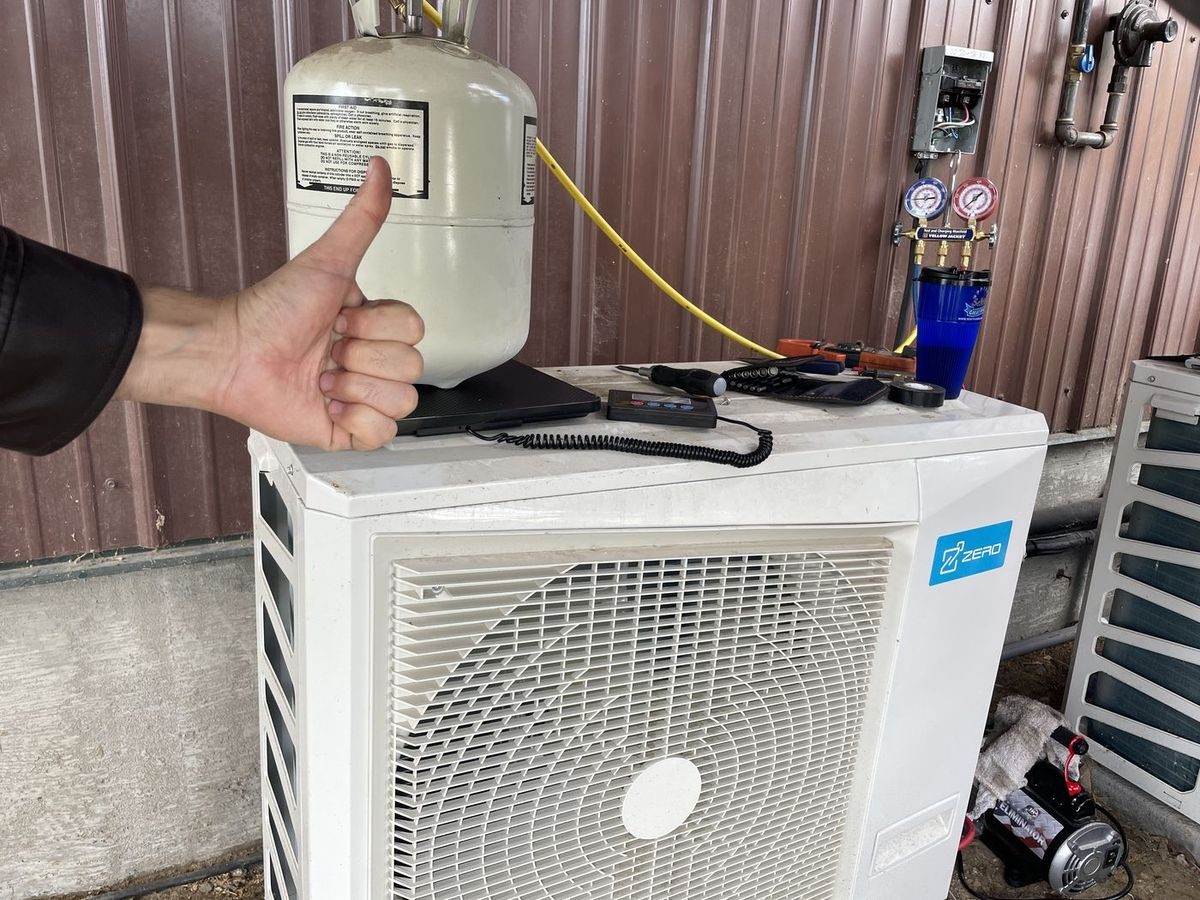
No. 2
Olympia winters stay wet and just above freezing for weeks, so defrost does a lot of work. We read the coil sensor, the defrost board and the charge before anything else.
Go to the service page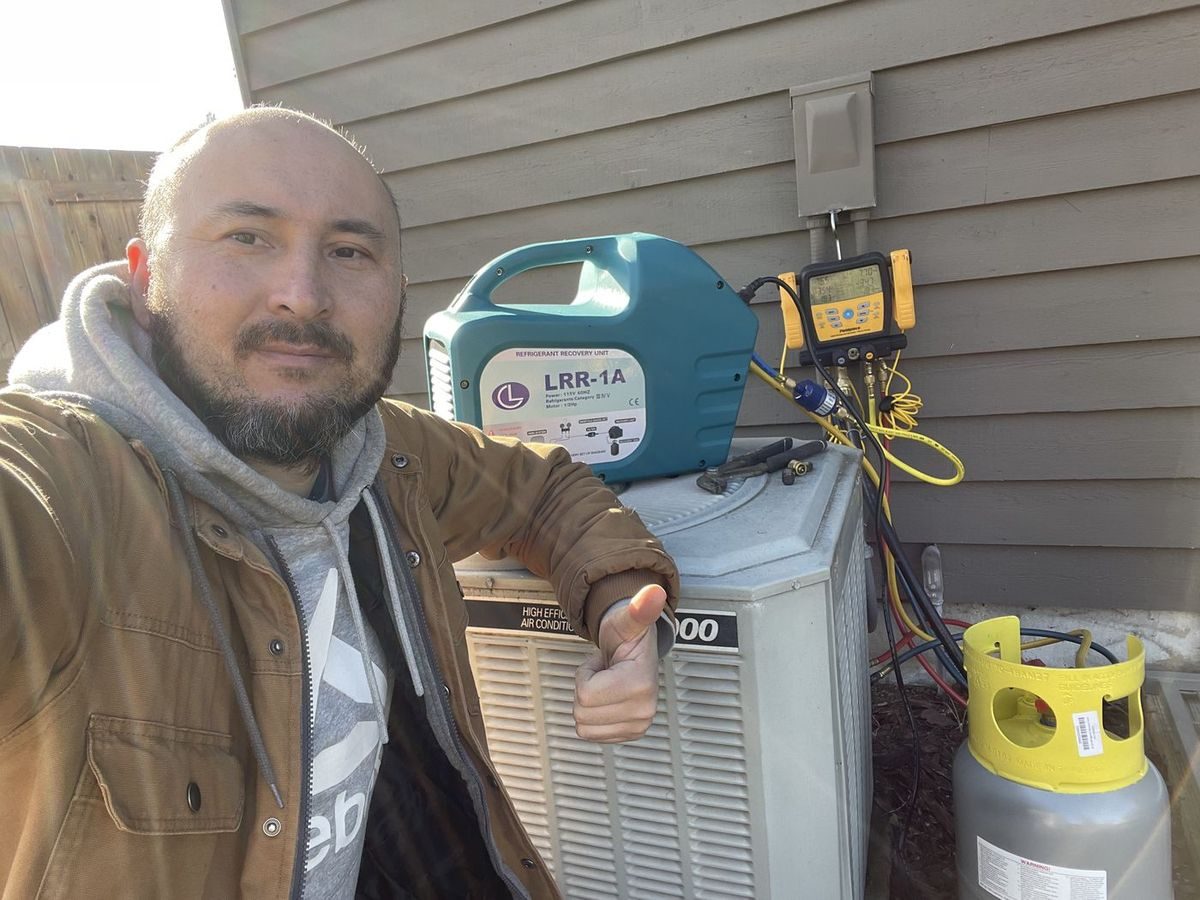
No. 3
Cooling was an afterthought in many South Sound homes until the 2021 heat dome. When a newer system lags on a hot day, airflow, the capacitor and the charge come first.
Go to the service page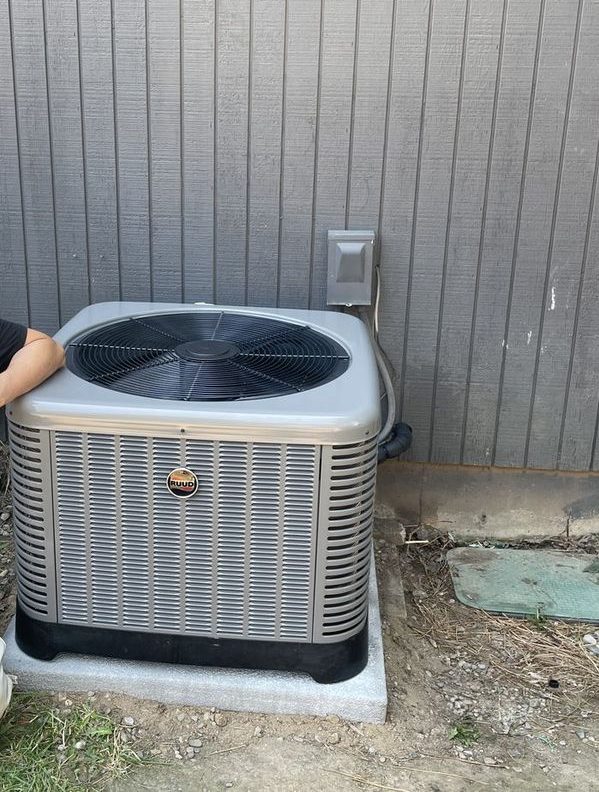
No. 4
A new system starts with a load calculation and a dry, level pad. Prairie gravel drains fast; in low clay corners we set the unit higher.
Go to the service page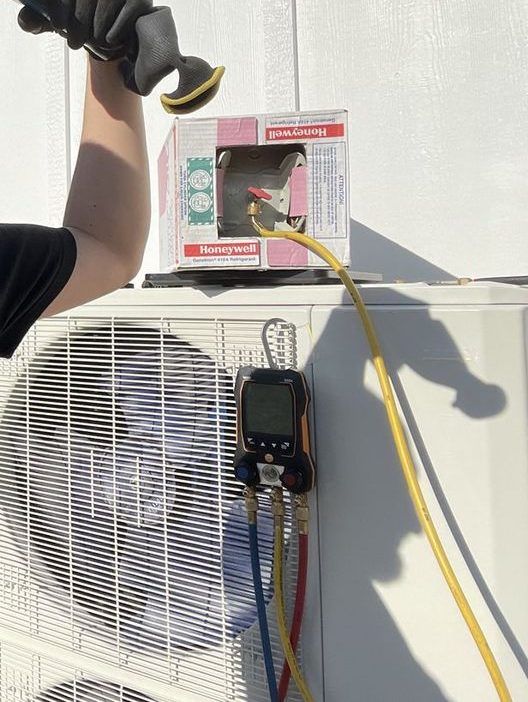
No. 5
Ductless heads suit older Olympia houses with no space for ducts. The line set runs outside, so its insulation and the condensate drain get a close look.
Go to the service page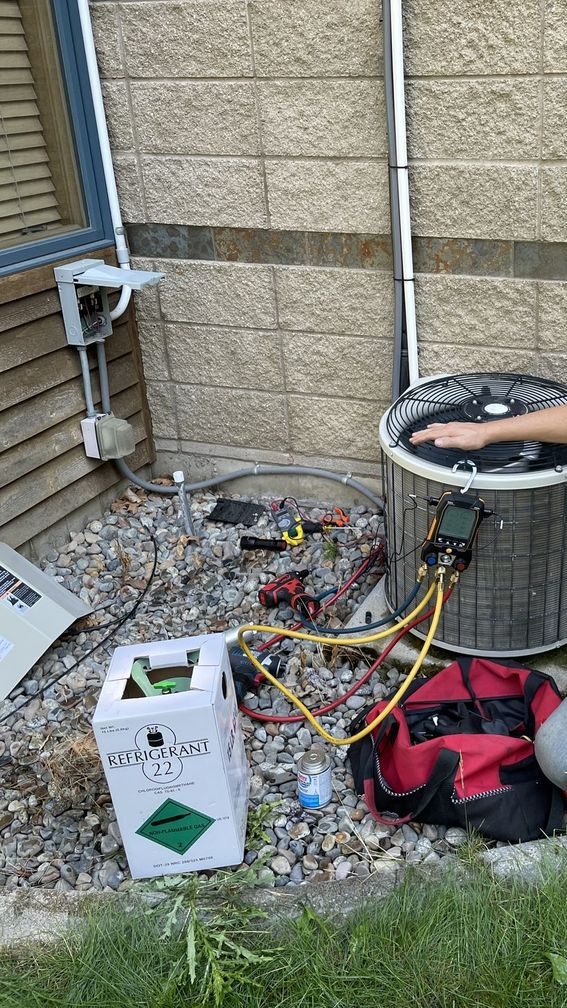
No. 6
Spring and fall visits clear needles and moss from the coil, open the drain holes in the base and test the defrost cycle before the long gray season.
Go to the service page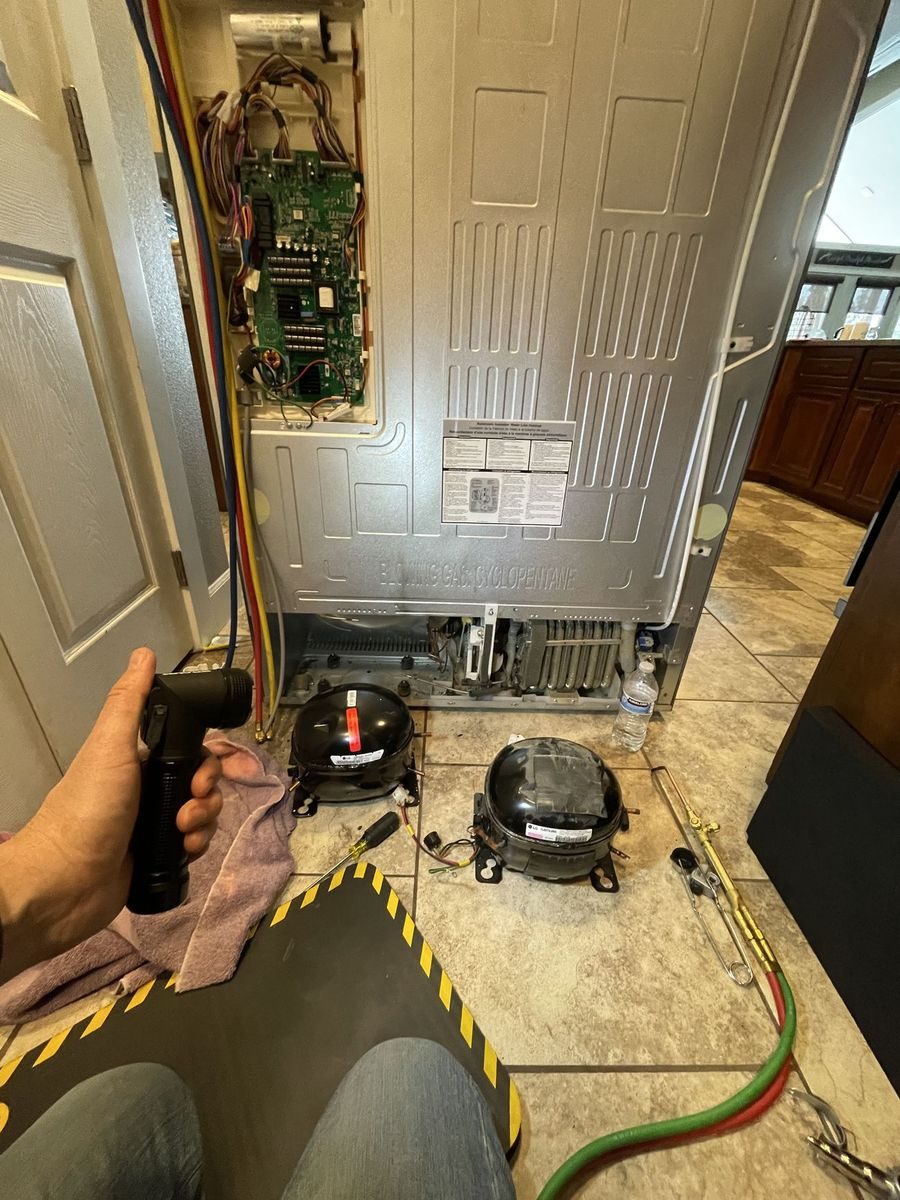
No. 7
Warm shelves usually come from frost on the coil, a fan that has stopped or a failed defrost part. Sealed-system repairs happen at home, by technicians holding EPA 608 Universal credentials.
Go to the service page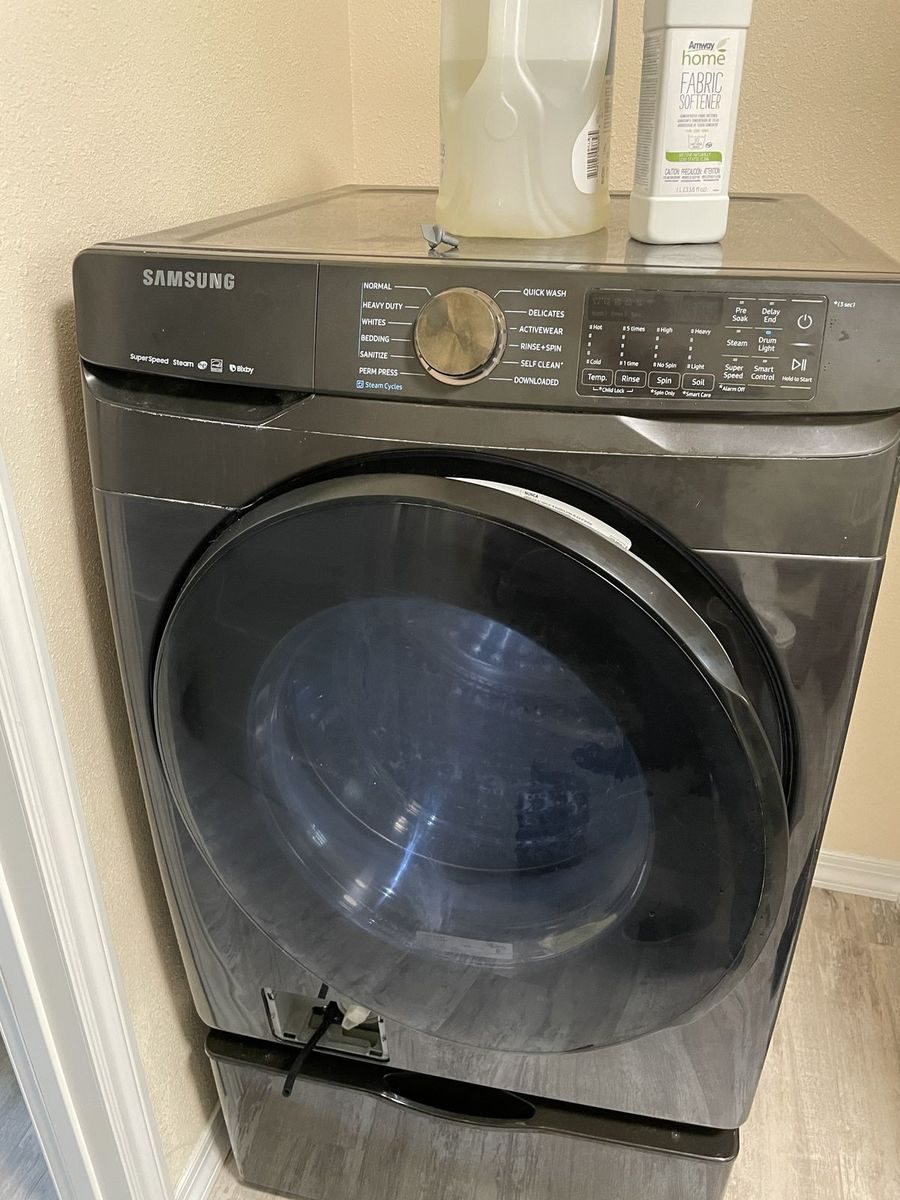
No. 8
Rural wells around Yelm and Rochester carry sediment that clogs inlet screens. A slow fill or a musty front-loader boot is where most washer visits start.
Go to the service page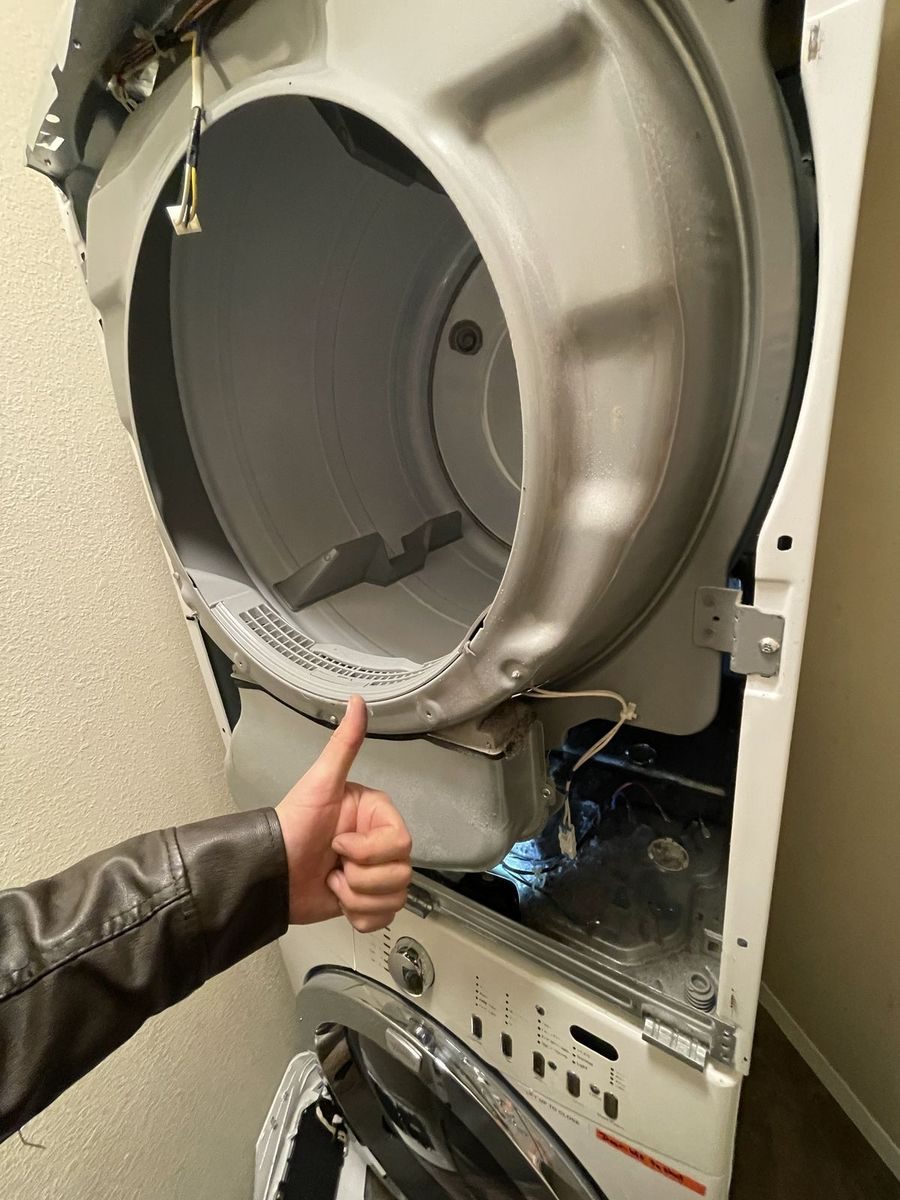
No. 9
Damp air and long vent runs make lint pile up fast in South Sound laundry rooms. The vent is tested together with the element or burner and the thermal fuse.
Go to the service page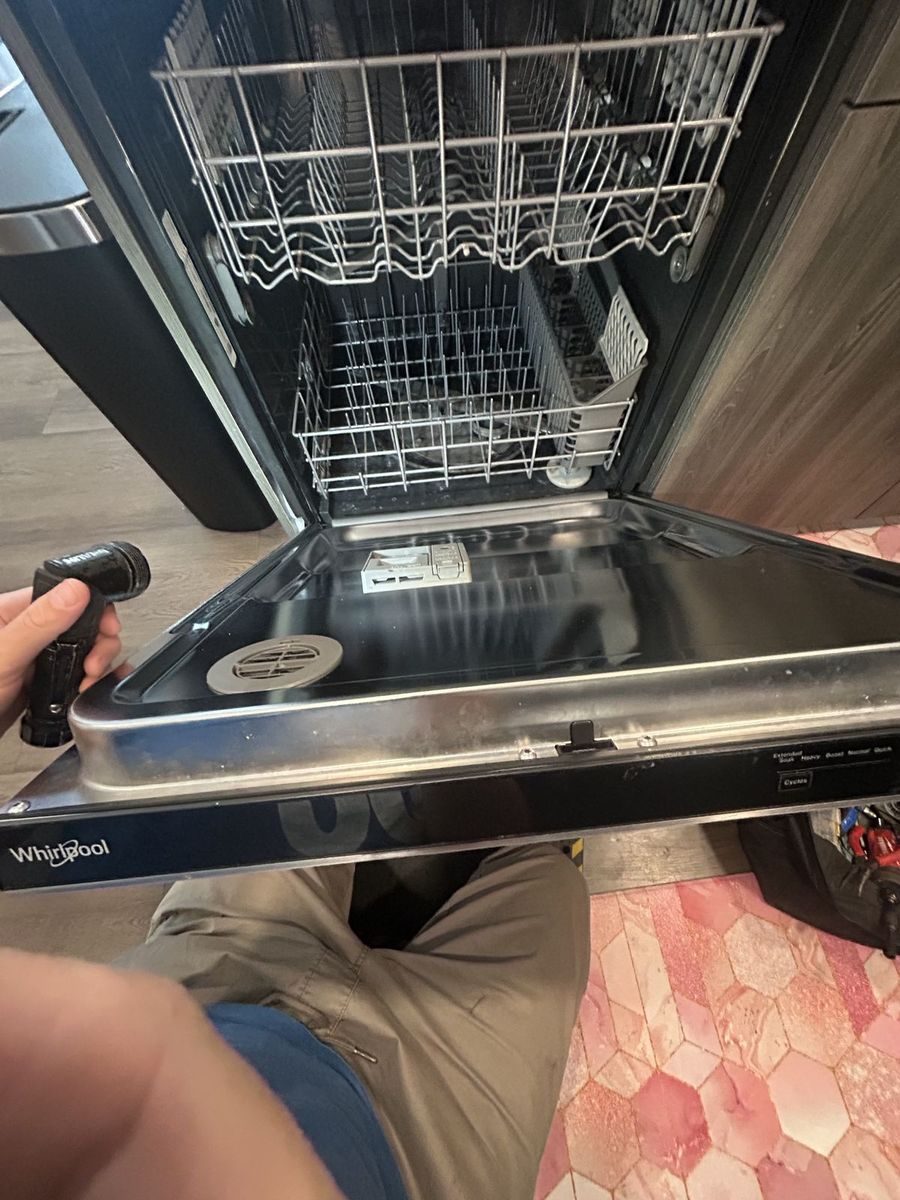
No. 10
Cloudy glasses and a tub that will not drain point to the filter, the drain pump or a hose without its loop under the counter. Each gets checked in order.
Go to the service page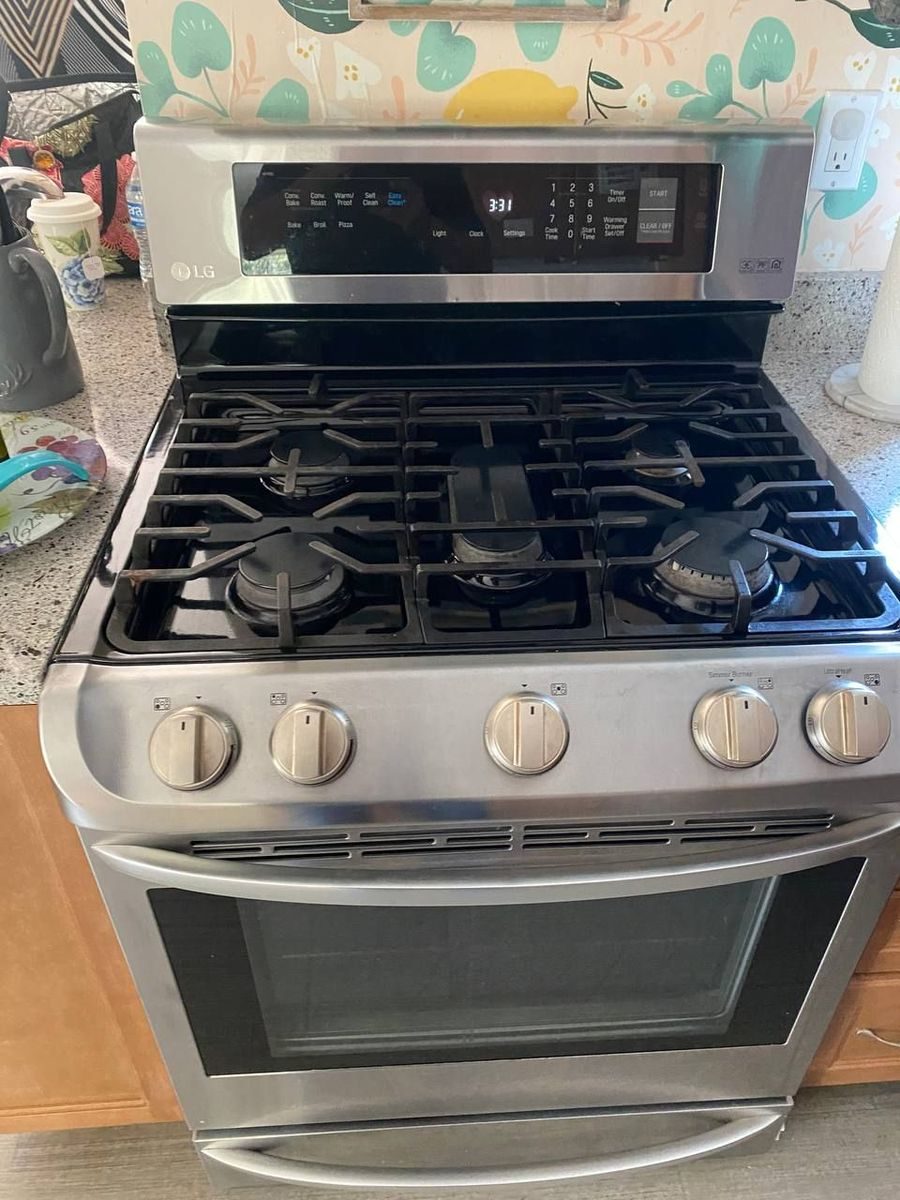
No. 11
Bake and broil elements, igniters and the oven sensor are metered before any part is ordered, on gas, electric and induction models alike.
Go to the service page
No. 12
When the ice stops after a power outage, the fill tube has often frozen. We check the water valve, the filter and the tube before blaming the ice maker.
Go to the service pageMid-century homes in Tanglewilde may still heat with an electric furnace in a hall closet, or with a gas furnace from a much earlier generation. Electric units lose elements and sequencers; older gas units wear out inducer motors, limit switches and blower bearings. We test each part and say so plainly when the cabinet is too worn for another repair to make sense.
These early-2000s homes on large lots include some still running their original furnace, which puts igniters, flame sensors, inducer motors and blower capacitors at the age when they give out. Beyond the broken part, we check flame signal, combustion airflow and temperature rise across the heat exchanger, so one repair isn't followed by the next weak link.
As one of Lacey's newer builder neighborhoods, Cantergrove has homes where a high-efficiency furnace may sit in the garage. Before a cold snap it pays to confirm the condensate trap is primed, the drain slopes away, and the plastic vent pipes outside are clear of fir needles and leaves. We check all three on any heating call here.
Yes. A high-efficiency furnace in an unheated garage can freeze at its condensate trap or drain line when nights drop well below 20°F, and it then flags a pressure switch fault and refuses to light. Keeping the garage door shut helps, and insulating exposed drain lines helps more. If it has already locked out, call us rather than pulling the drain apart or pouring boiling water into the trap.
Dust that settled on the heat exchanger or electric elements over summer burns off during the first few heating cycles, and the odor should be gone after an hour or two of running. A smell like hot plastic or wiring, or any odor that lingers, is different: turn the furnace off and book a visit. A rotten-egg odor is another matter entirely: treat it as a leak, get out, and phone for help from outside.
Both. Our technicians work on gas furnaces, electric furnaces and air handlers that carry backup heat strips, plus their thermostats and low-voltage wiring. Testing on electric models covers each element, both sequencers, the limit switches and the blower motor right at the cabinet. Igniters, flame sensors, fan motors and capacitors ride along in the van, and anything that must be ordered is priced before we order it. Warranty terms come printed on the invoice.
A cracked heat exchanger, a cabinet rusting through, or major parts failing back to back are good reasons to price replacement. A single igniter, sensor, inducer or limit on an otherwise sound furnace is normally worth fixing. Our technician explains what the readings show, and if you'd like to compare, replacement numbers come as a written quote that combines the equipment and the installation in one figure.
Ready when you are
Send a request through the online scheduler with your day and window, or phone us; the office confirms by calling you back and can answer in Spanish.
Online booking
Tell us what is acting up and when suits you. A coordinator phones to confirm the slot, and your technician calls again when heading your way.
These registrations are open to anyone. Look the numbers up on L&I Verify, and see our licenses page for what each one covers.
Read what each license allows