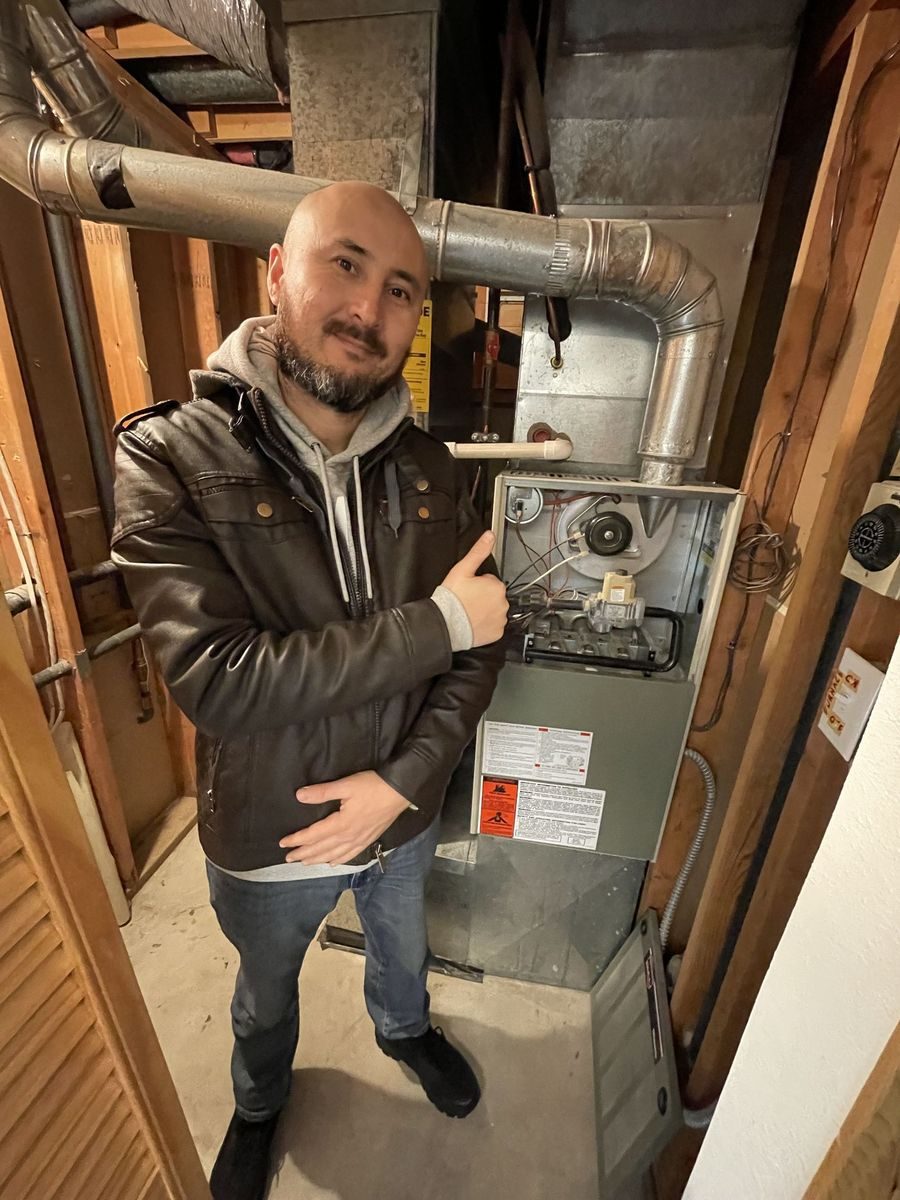
No. 1
Furnace repair
Gas or electric, a furnace that quits on a cold morning is traced step by step: thermostat call, inducer, pressure switch, igniter, flame sensor, limit.
Go to the service page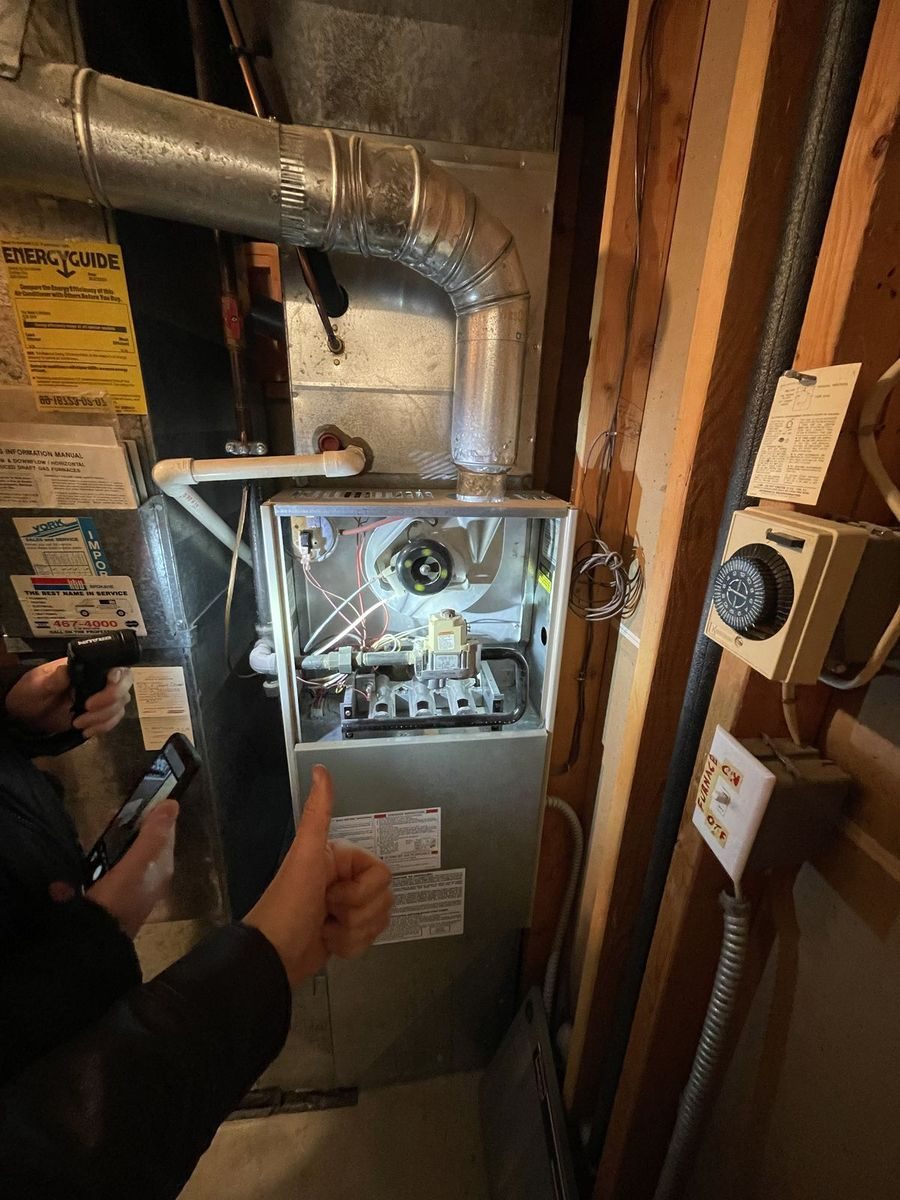
Olympia · Basement, crawlspace & closet furnaces
Older Olympia houses tend to hide the furnace in a basement corner or under a crawlspace hatch, and it runs from the first rainy weeks of fall into late spring. Our technicians test gas and electric furnaces part by part and hand you a written repair figure to accept or turn down.
Quick answer
When an Olympia furnace stops heating, one worn part is usually to blame: an igniter split by a hairline crack, a flame rod fouled by damp basement air, a thermocouple too weak to hold a pilot, or, in electric furnaces, a burned element or a sequencer that quits staging. We test before replacing, price the fix on paper, and wait for your yes. Oil furnaces are not part of our work.
The furnace usually tells us where to look. On a newer gas unit the technician starts with the blinking LED on the control board, then watches each stage of a heat call until one stalls. Older basement furnaces may have no board at all, just a standing pilot, a thermocouple and a combination gas valve, so the check turns to millivolt readings and draft where the flue meets the chimney. Electric furnaces get resistance and amp readings on every element, a test of each sequencer and limit, and a temperature rise measurement.
A diagnostic fee comes attached to every visit, and its amount is stated during booking. Should the repair go ahead, that fee disappears into the repair's total; should it not, the fee alone settles the visit. The fix is priced on paper before tools come out for it, and the warranty terms sit in writing on your invoice. Igniters, flame sensors, capacitors, fan motors and belts travel with us, and anything else is quoted before it is ordered. Larch holds the Washington 06A HVAC/Refrigeration specialty.
Length matters more than cold. Olympia's heating season stretches from the soggy weeks of fall, when November brings the most rain of the year, well into spring, with winter lows hovering near freezing for months. All that cycling wears out igniters, inducer bearings and blower motors on a steady schedule. In a basement or crawlspace, damp air adds rust on burners, corrosion at wire connections and, under some houses, mice nesting by the warm cabinet. Every few winters an arctic outbreak, like January 2024, drives nights well below 20°F, and a limping part finally quits.
Many older Olympia houses now pair a retrofitted heat pump with the old furnace as backup, so the furnace can sit idle until the first hard freeze and then fail on a cold night. Running it once in early fall shows whether it still lights. A gas odor changes everything: walk everyone outdoors, then, standing at the curb, ring 911 or the gas utility, and let the furnace wait. We repair gas and electric furnaces only; oil furnaces and oil tanks are outside our work.
Each tab carries a photo from our service work and the first checks we make on that job. Choose a tab, or let them change by themselves.
No. 1
Gas or electric, a furnace that quits on a cold morning is traced step by step: thermostat call, inducer, pressure switch, igniter, flame sensor, limit.
Go to the service page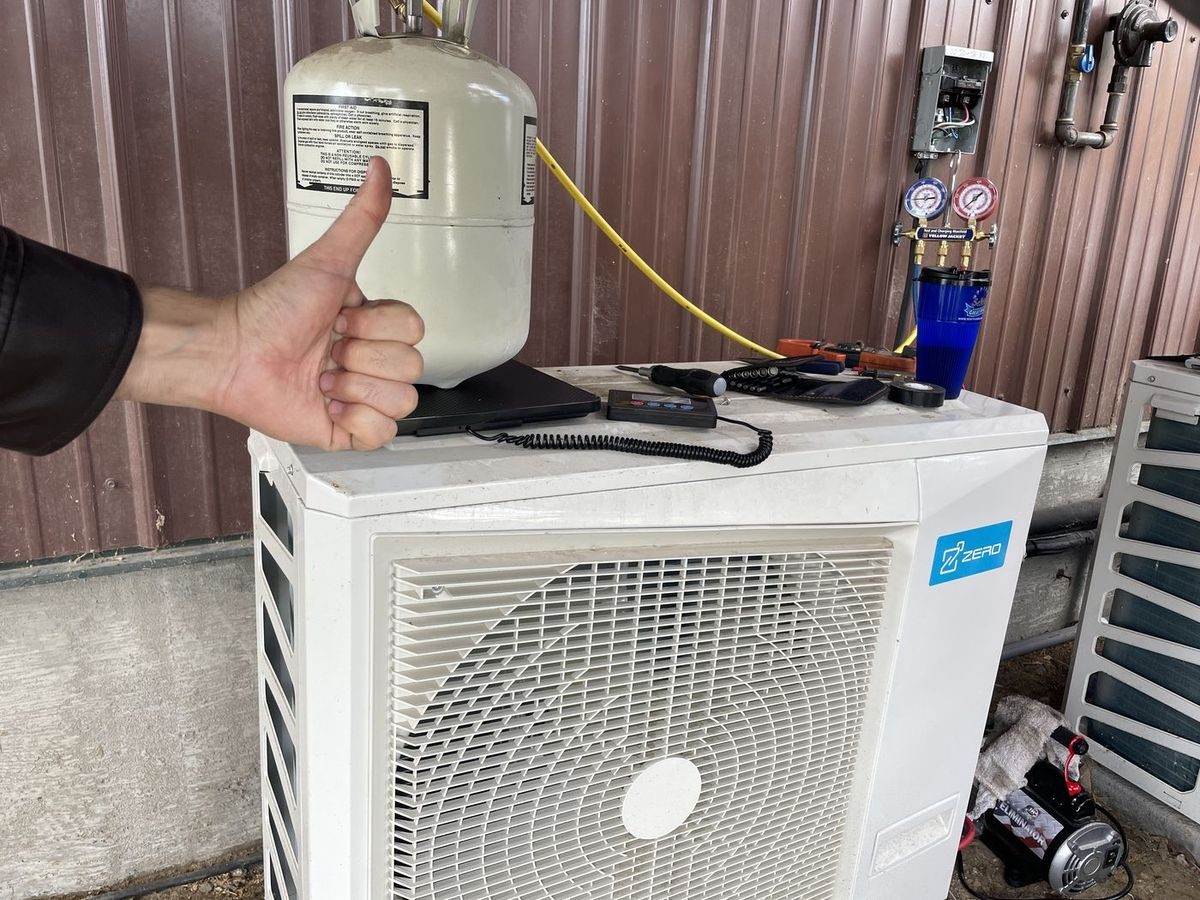
No. 2
Olympia winters stay wet and just above freezing for weeks, so defrost does a lot of work. We read the coil sensor, the defrost board and the charge before anything else.
Go to the service page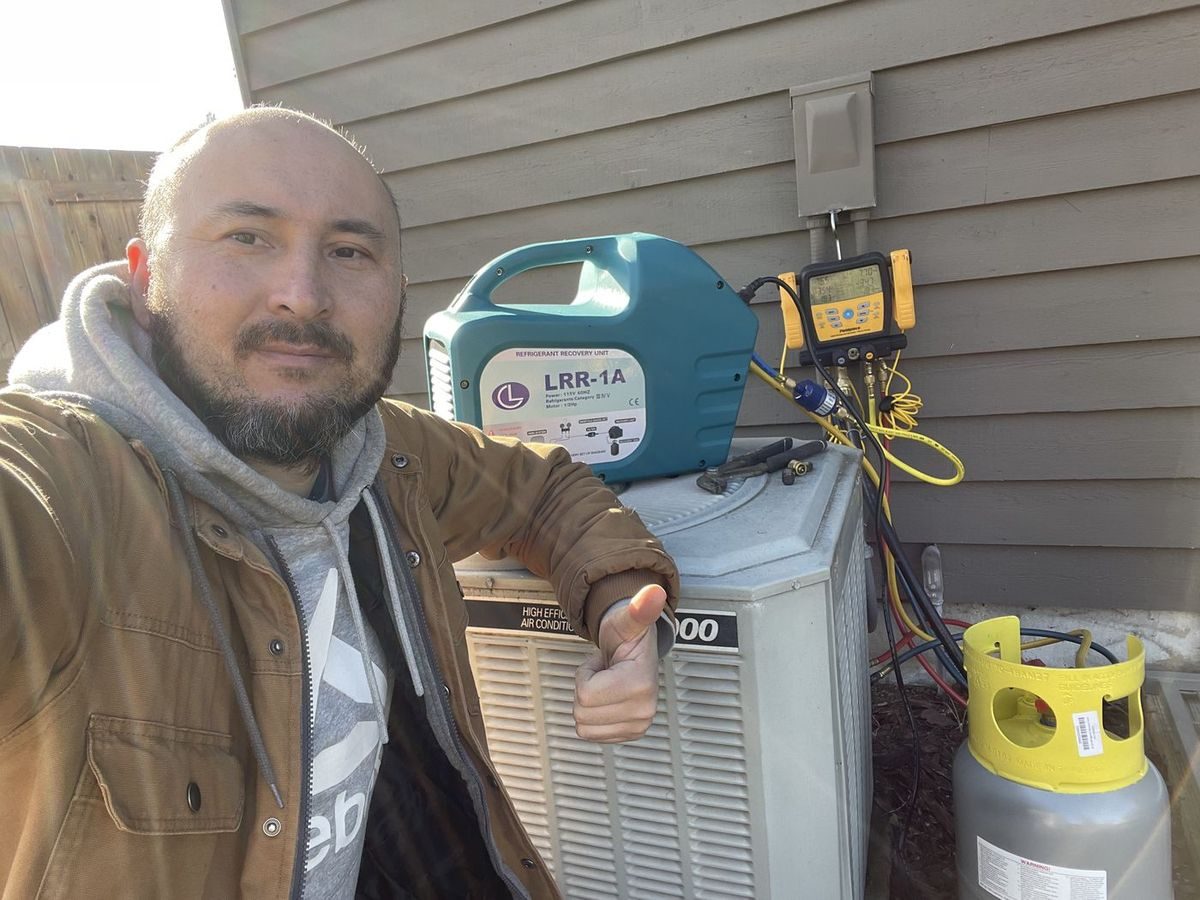
No. 3
Cooling was an afterthought in many South Sound homes until the 2021 heat dome. When a newer system lags on a hot day, airflow, the capacitor and the charge come first.
Go to the service page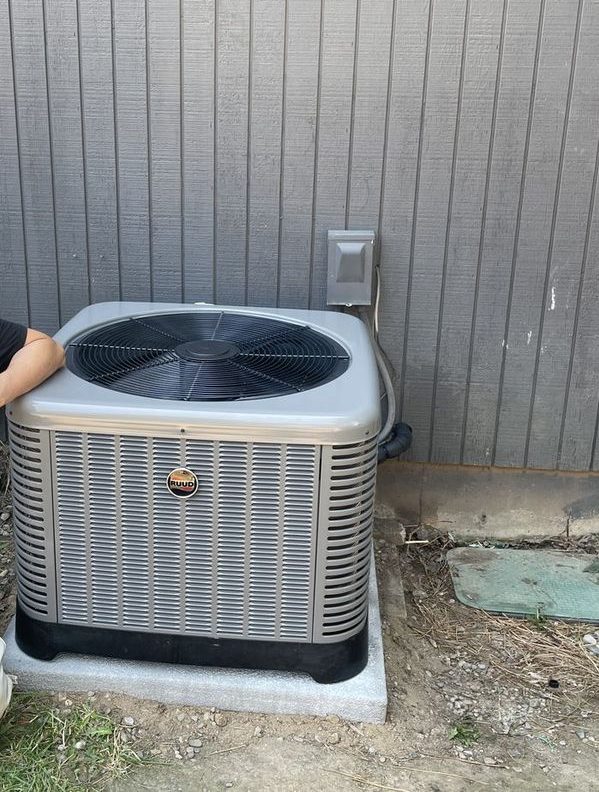
No. 4
A new system starts with a load calculation and a dry, level pad. Prairie gravel drains fast; in low clay corners we set the unit higher.
Go to the service page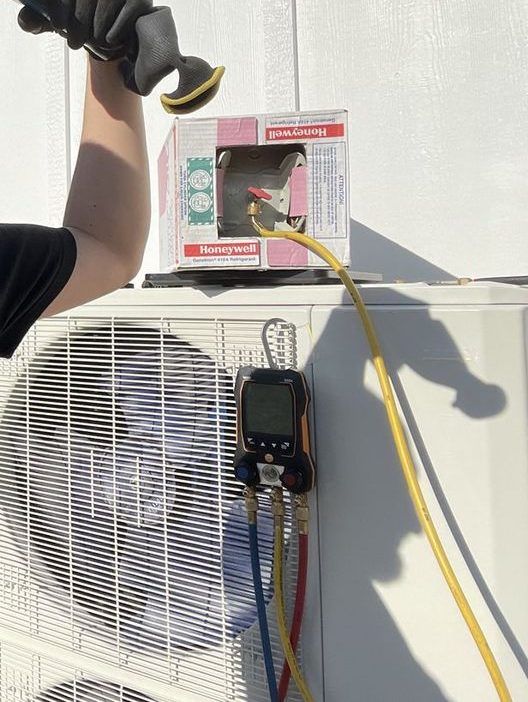
No. 5
Ductless heads suit older Olympia houses with no space for ducts. The line set runs outside, so its insulation and the condensate drain get a close look.
Go to the service page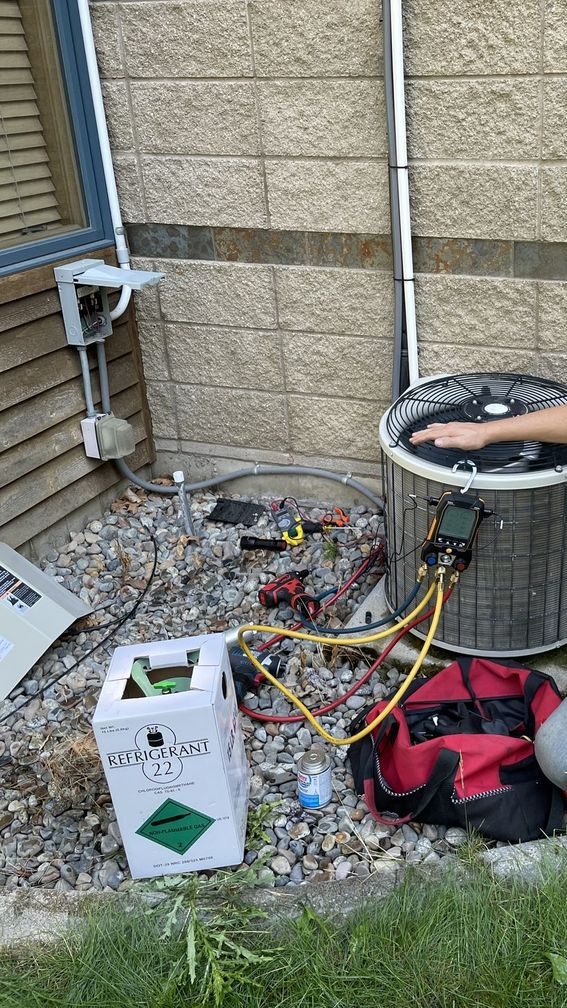
No. 6
Spring and fall visits clear needles and moss from the coil, open the drain holes in the base and test the defrost cycle before the long gray season.
Go to the service page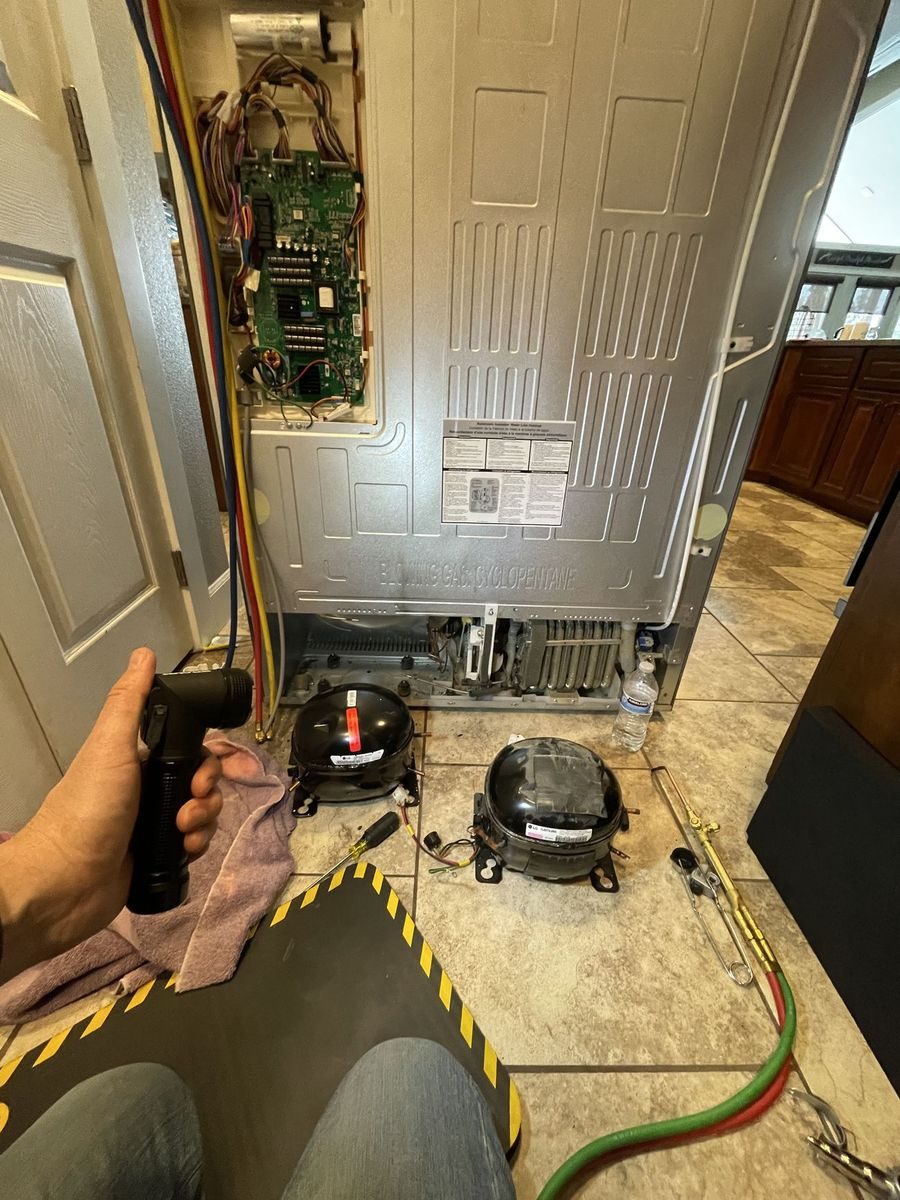
No. 7
Warm shelves usually come from frost on the coil, a fan that has stopped or a failed defrost part. Sealed-system repairs happen at home, by technicians holding EPA 608 Universal credentials.
Go to the service page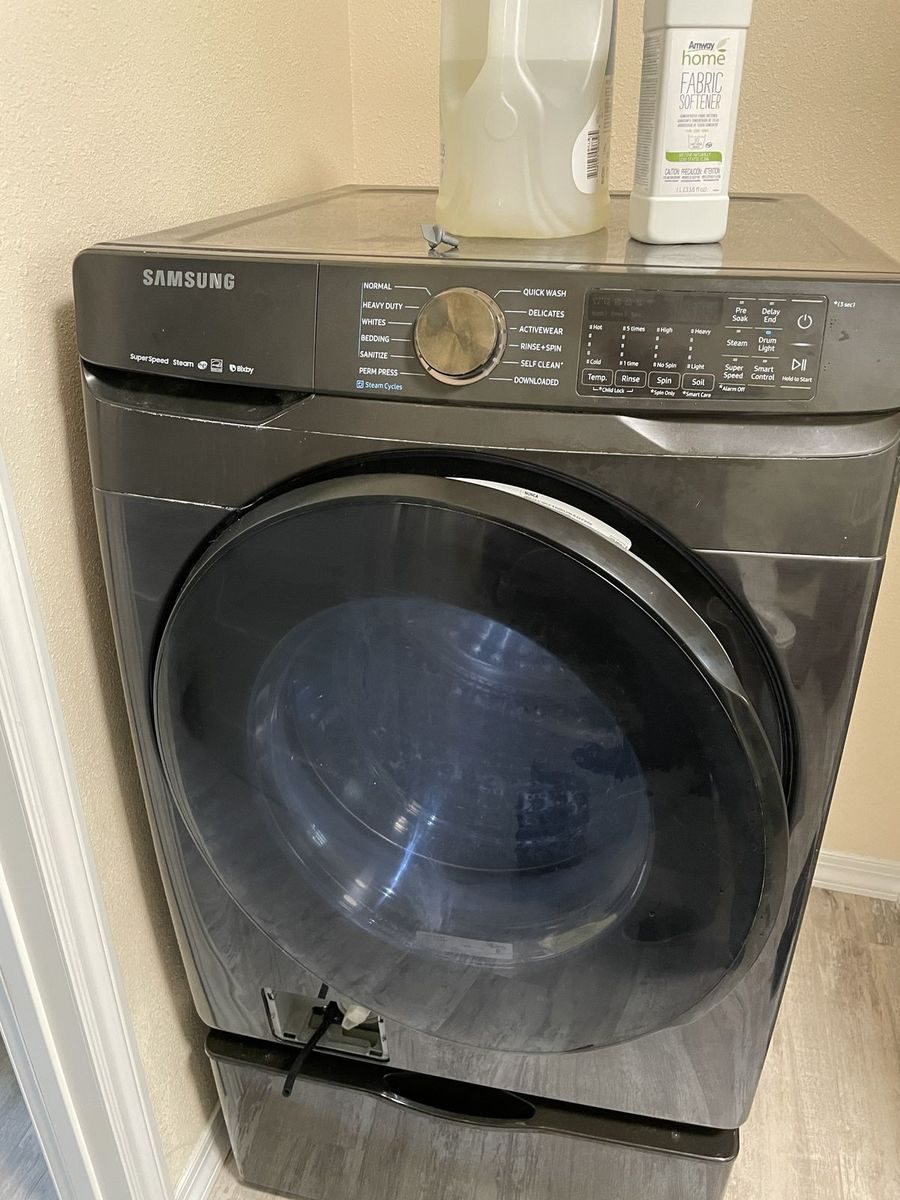
No. 8
Rural wells around Yelm and Rochester carry sediment that clogs inlet screens. A slow fill or a musty front-loader boot is where most washer visits start.
Go to the service page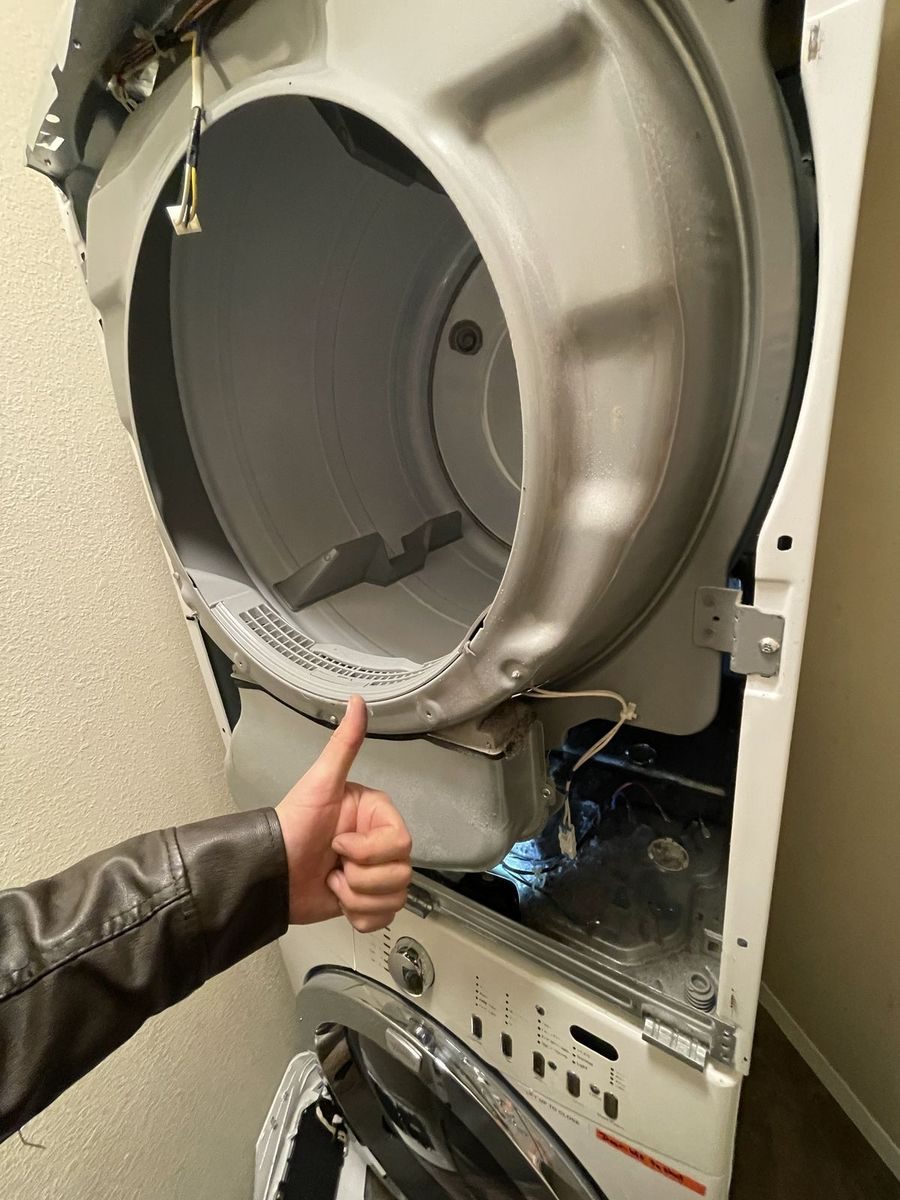
No. 9
Damp air and long vent runs make lint pile up fast in South Sound laundry rooms. The vent is tested together with the element or burner and the thermal fuse.
Go to the service page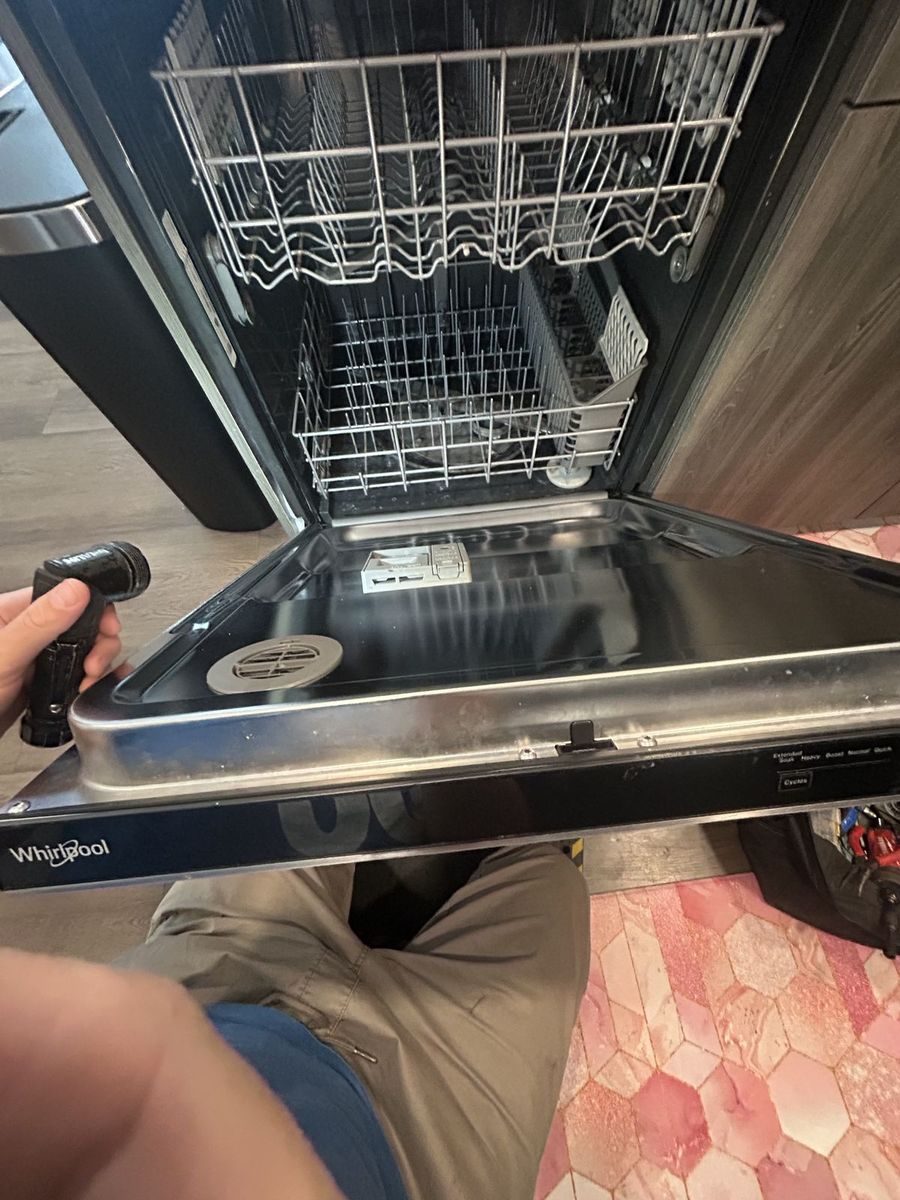
No. 10
Cloudy glasses and a tub that will not drain point to the filter, the drain pump or a hose without its loop under the counter. Each gets checked in order.
Go to the service page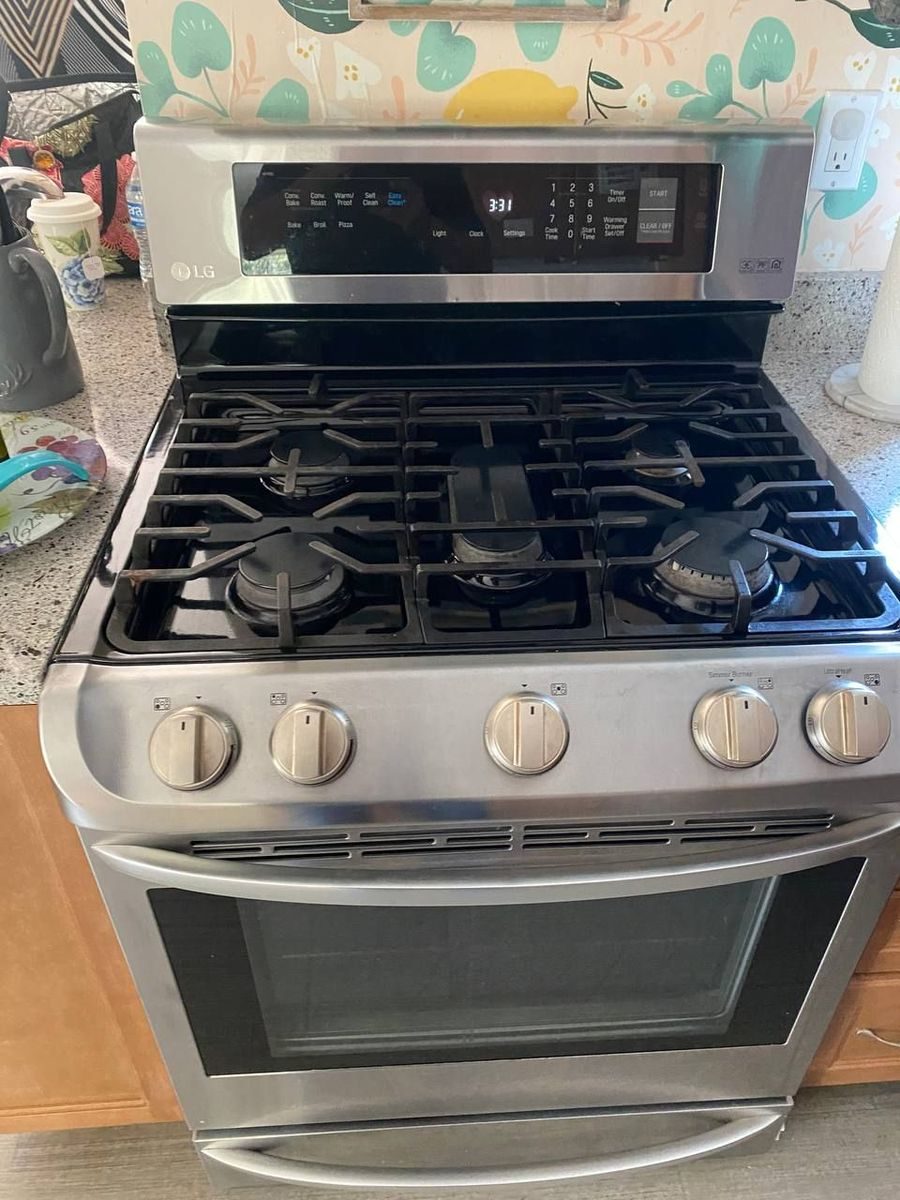
No. 11
Bake and broil elements, igniters and the oven sensor are metered before any part is ordered, on gas, electric and induction models alike.
Go to the service page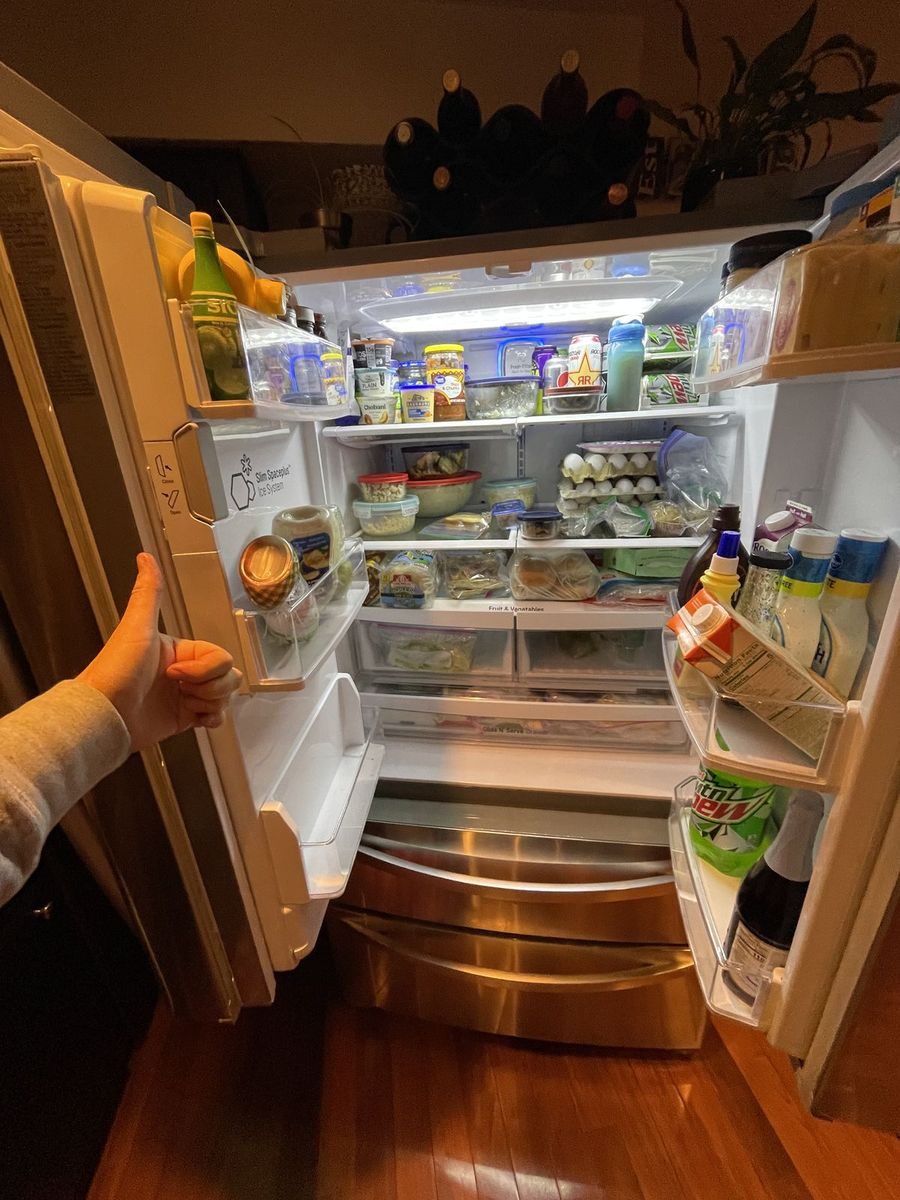
No. 12
When the ice stops after a power outage, the fill tube has often frozen. We check the water valve, the filter and the tube before blaming the ice maker.
Go to the service pageHistoric homes in South Capitol often keep the furnace in a basement that has seen several generations of heating equipment. Venting may run into an old masonry chimney, and ducts were often added or rerouted over the years. We check the flue connection and draft along with the burners, since poor draft can trip safety switches and pass for a furnace fault.
Older Bigelow houses commonly tuck the furnace into a crawlspace or a low basement where moisture lingers through the wet months. That dampness corrodes burner trays, igniter plugs and thermostat wire connections, and it shortens a flame rod's life. We look closely at wiring and burners, and we say so if access or standing water around the unit is part of the trouble.
Upper Eastside homes mix gas furnaces with electric ones, and many now have a heat pump added on. Electric units usually fail at an element, a sequencer or the fan relay, while a gas unit kept as backup may come back with a sticky valve or a tired igniter after sitting unused. We test the backup heat along with the main system.
Leave the building first, touching nothing electrical on the way: no light switches, no thermostat, no furnace controls. From well outside, dial the gas utility's line or 911, and hold off on going back in until they give the all-clear. With the gas side settled, our technicians can inspect the furnace, its valve and burners, then put a price on paper for whatever repair turns out to be needed.
No. Gas and electric furnaces, heat pumps, air handlers and central air are what our technicians handle, and oil furnaces and oil tanks fall outside our licenses. If you are thinking about moving off oil, we can quote a heat pump, with equipment and installation shown as one written figure. Removing the old tank, or running a new gas line, would need a separate contractor.
Usually yes, if the trouble is an igniter, a thermocouple, a belt, a flame rod or a blower capacitor. The picture shifts when the heat exchanger shows cracks, parts are no longer made, or several major parts are failing together. The repair comes priced on paper, and when replacement looks wiser we can also quote a new furnace or heat pump, so both options sit side by side.
Because it sat. A furnace that runs only in cold snaps can wake up with a sticking gas valve, a dusty flame rod or a tired igniter, and the fault appears the night it is needed. Ask for a backup heat test during a fall tune-up, or, if your thermostat allows it, run the furnace alone for a few minutes on a mild day to confirm it lights.
Ready when you are
Reserve an arrival window on whatever date suits you through the booking page, or phone; someone picks up from 8 AM through 7 PM daily. The office calls back to lock the slot in, and the technician phones once en route.
Online booking
Tell us what is acting up and when suits you. A coordinator phones to confirm the slot, and your technician calls again when heading your way.
These registrations are open to anyone. Look the numbers up on L&I Verify, and see our licenses page for what each one covers.
Read what each license allows