No. 1
Air conditioner repair
Cooling was an afterthought in many South Sound homes until the 2021 heat dome. When a newer system lags on a hot day, airflow, the capacitor and the charge come first.
Go to the service page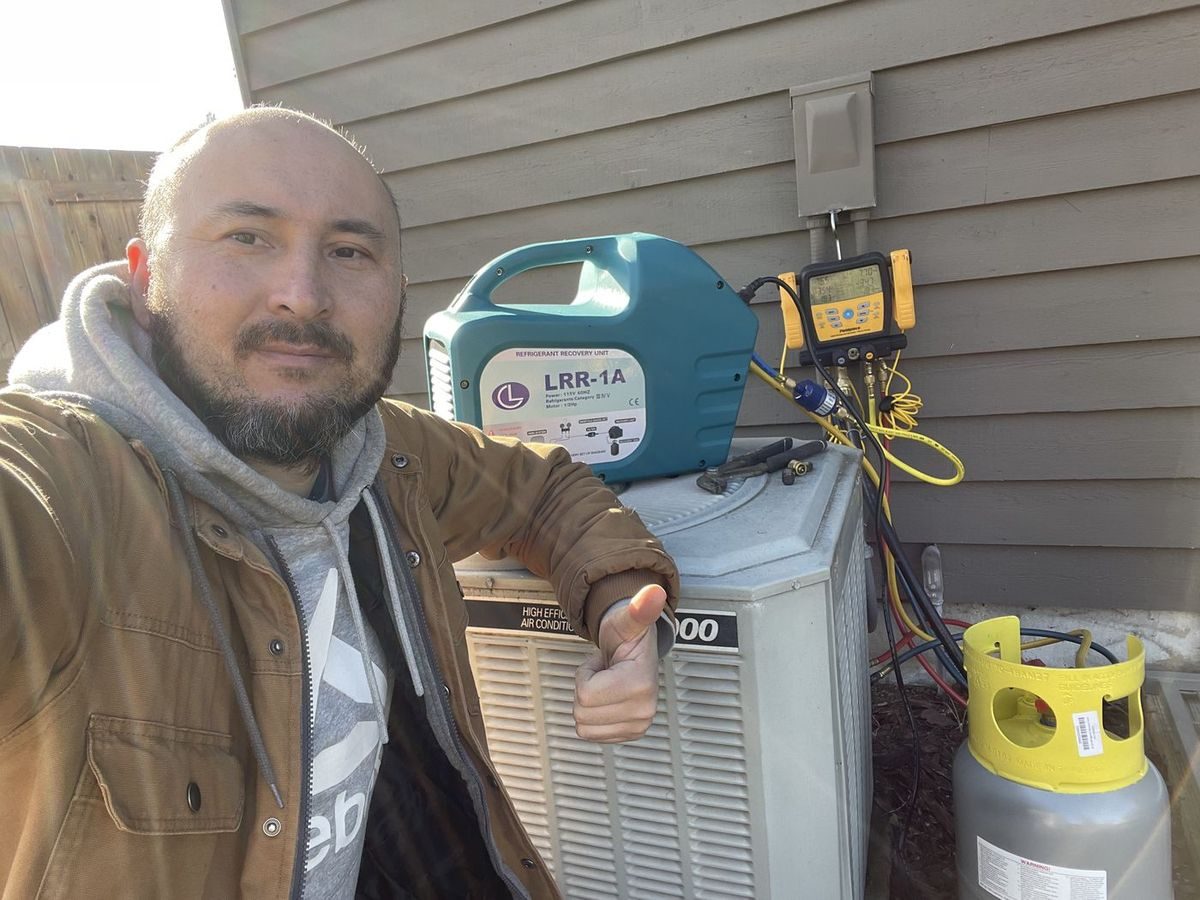
Tumwater · Central air & heat pump cooling
Tumwater air conditioners idle most of the year, then face a few scorching weeks on prairie lots with hardly any shade. When one quits, our technicians test the capacitor, contactor, refrigerant charge and coils, walk you through the reading that is off, and hand over a written quote before a wrench turns.
Quick answer
A Tumwater AC that stops cooling in hot weather most often has a run capacitor below its rating, a contactor with pitted points, a condenser coil matted with cottonwood fluff or grass clippings, or a charge that has leaked low. Our technicians measure superheat, subcooling and temperature split, explain which number is wrong, and price the repair in writing. Nothing gets fixed until you agree.
Most hot-weather failures live in the condenser, so the technician starts outside. With the system running, readings come in a set order: capacitor microfarads against the label rating, voltage across the contactor, outdoor fan amps, then suction and liquid line pressures to work out superheat and subcooling. Indoors, the temperature split across the evaporator, the filter condition and the static pressure show whether the furnace or air handler blower is moving enough air. The numbers point to the part, and nobody guesses at a refrigerant charge by feel.
Scheduling a visit comes with a diagnostic fee, which the office names as the appointment is made. When the repair proceeds, that fee counts toward it; when it does not, the fee by itself closes out the visit. A written figure arrives before any work, the job waits on your approval, and the invoice states the warranty in writing. Capacitors, contactors and condenser fan motors ride along on the truck. Refrigerant handling falls under our technicians' EPA 608 Universal credential, and Larch is licensed in the 06A HVAC/Refrigeration specialty.
Tumwater summers stay mild until they suddenly do not. July and August highs average about 78°F, so a central air system can sit nearly unused for weeks before a heat wave arrives. During the June 2021 heat dome, Olympia hit 105°F on June 27 and 110°F the next day, and equipment that had barely run was asked to go flat out. On the open ground of Bush Prairie and around the airport, condensers often bake in full sun with little shade, so capacitors and contactors run hot and the compressor has a harder time shedding heat.
Many homes here were built without central air, and plenty added an AC or a heat pump after 2021. Newer subdivisions often came with builder-grade condensers, with single-stage compressors, thin coil fins that bend at a touch and basic capacitors, and those units are now reaching repair age. Along the Deschutes, cottonwoods let go of their fluff in late spring, right as the cooling season opens. A spring check before the first hot forecast is the easy fix; grab a slot on the booking page or by phone, and the office will ring you to confirm it.
Each tab carries a photo from our service work and the first checks we make on that job. Choose a tab, or let them change by themselves.
No. 1
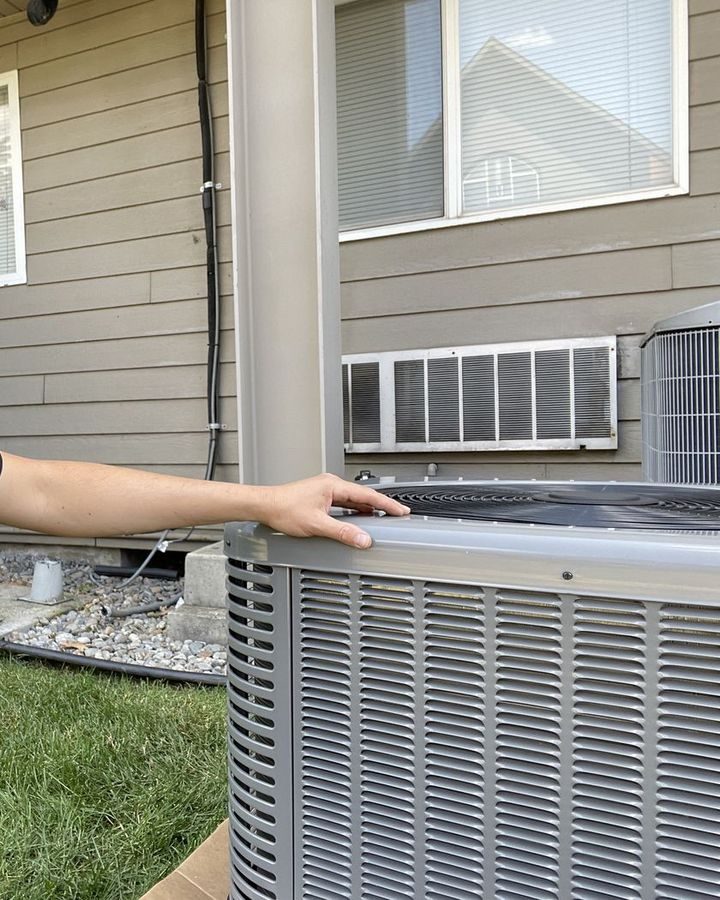
Cooling was an afterthought in many South Sound homes until the 2021 heat dome. When a newer system lags on a hot day, airflow, the capacitor and the charge come first.
Go to the service page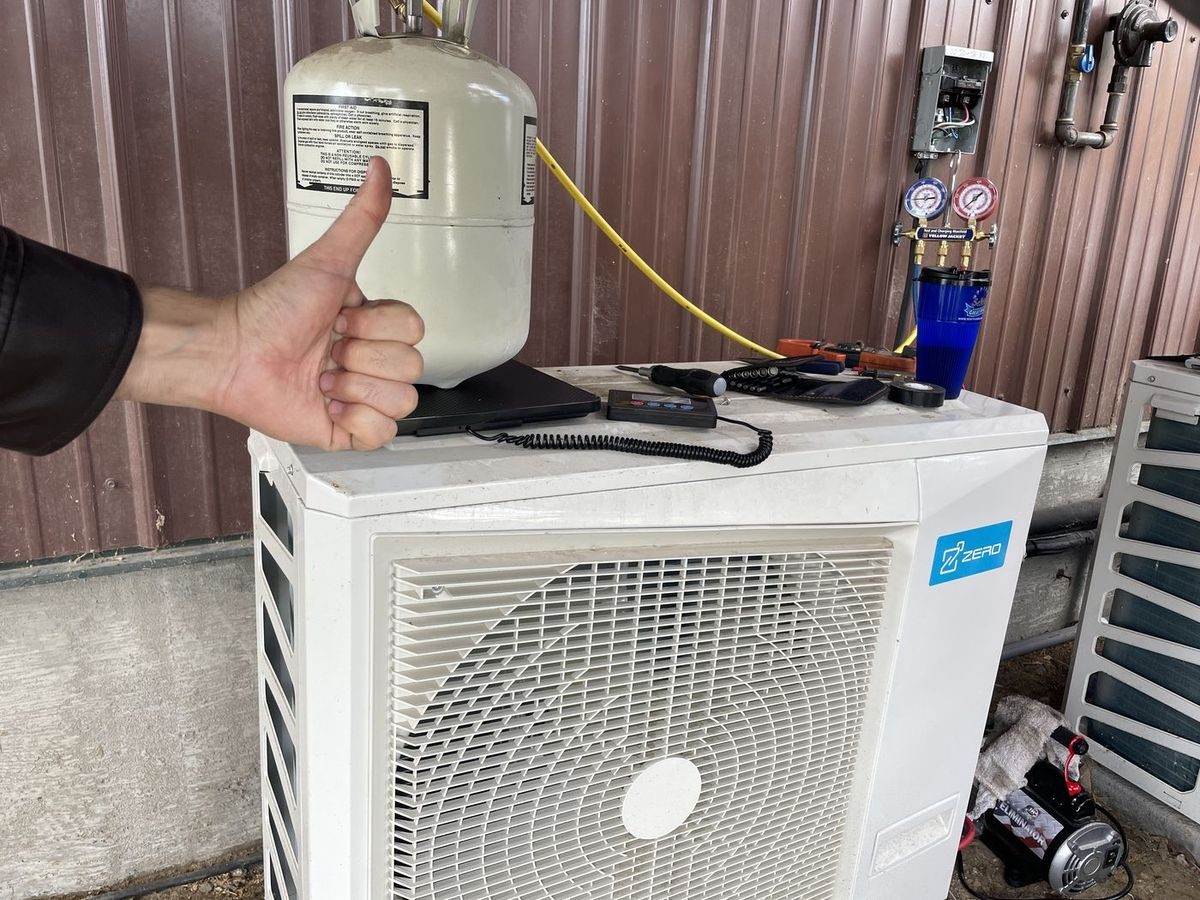
No. 2
Olympia winters stay wet and just above freezing for weeks, so defrost does a lot of work. We read the coil sensor, the defrost board and the charge before anything else.
Go to the service page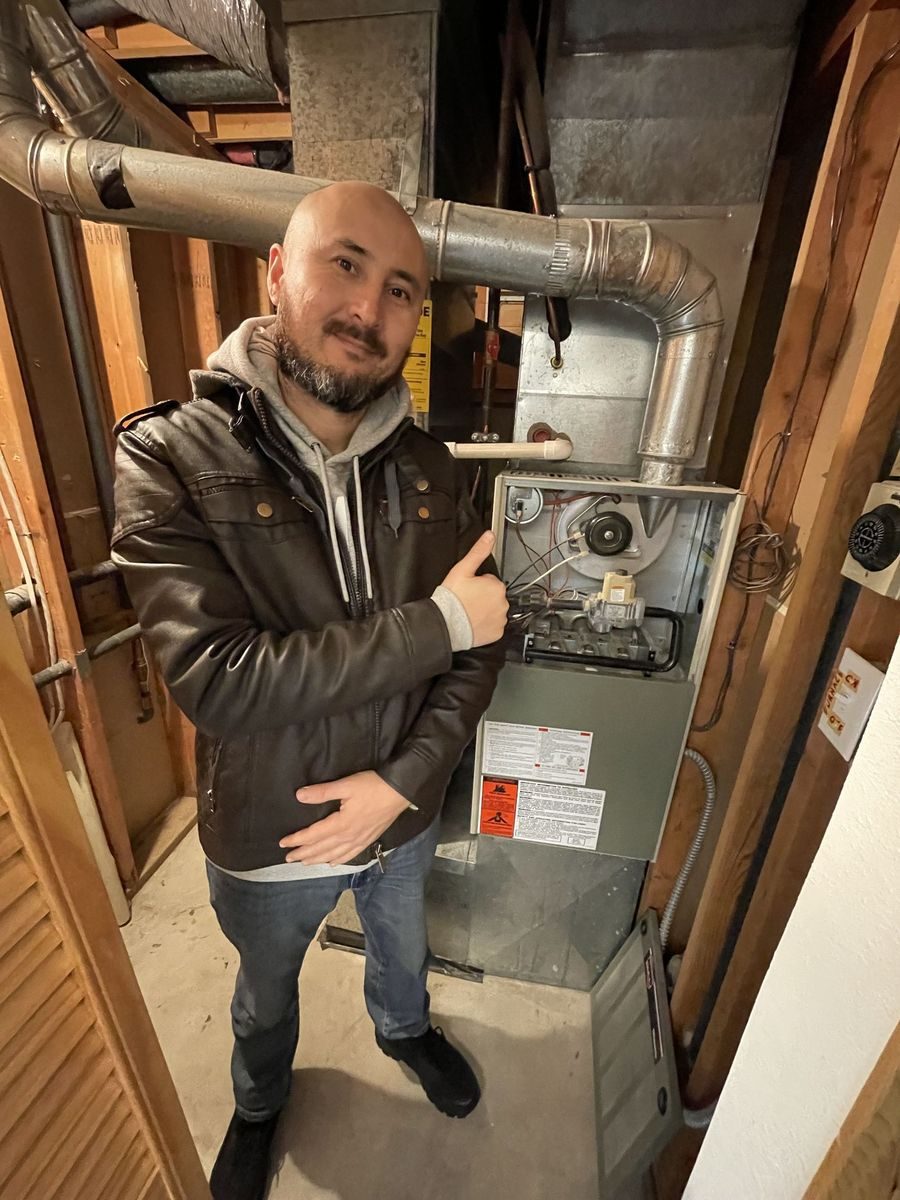
No. 3
Gas or electric, a furnace that quits on a cold morning is traced step by step: thermostat call, inducer, pressure switch, igniter, flame sensor, limit.
Go to the service page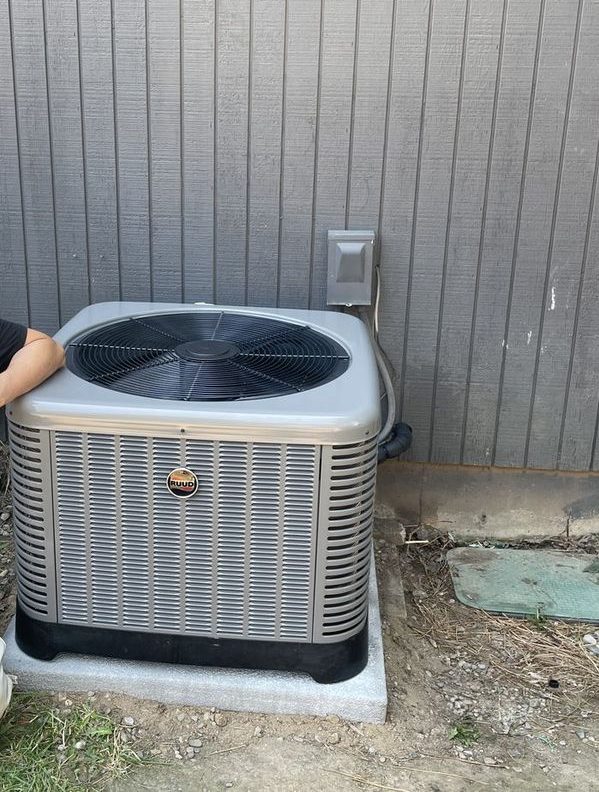
No. 4
A new system starts with a load calculation and a dry, level pad. Prairie gravel drains fast; in low clay corners we set the unit higher.
Go to the service page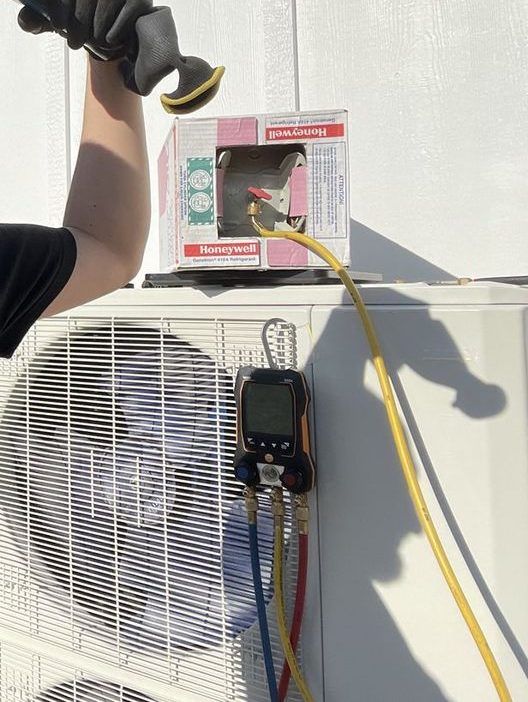
No. 5
Ductless heads suit older Olympia houses with no space for ducts. The line set runs outside, so its insulation and the condensate drain get a close look.
Go to the service page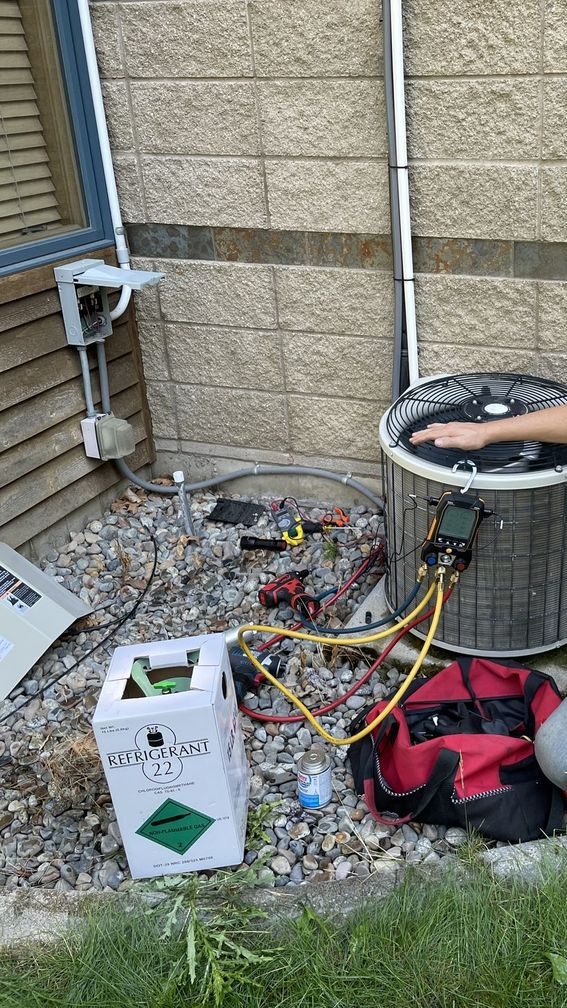
No. 6
Spring and fall visits clear needles and moss from the coil, open the drain holes in the base and test the defrost cycle before the long gray season.
Go to the service page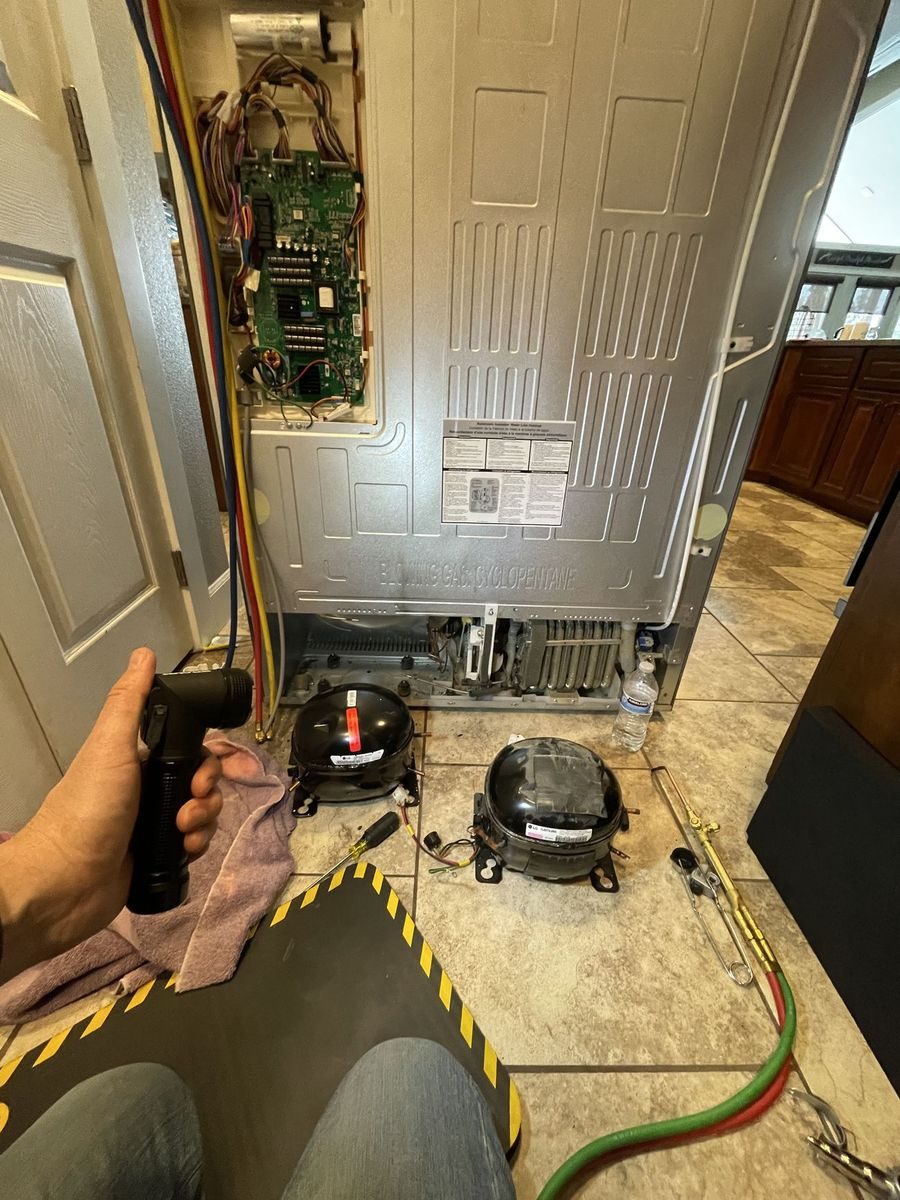
No. 7
Warm shelves usually come from frost on the coil, a fan that has stopped or a failed defrost part. Sealed-system repairs happen at home, by technicians holding EPA 608 Universal credentials.
Go to the service page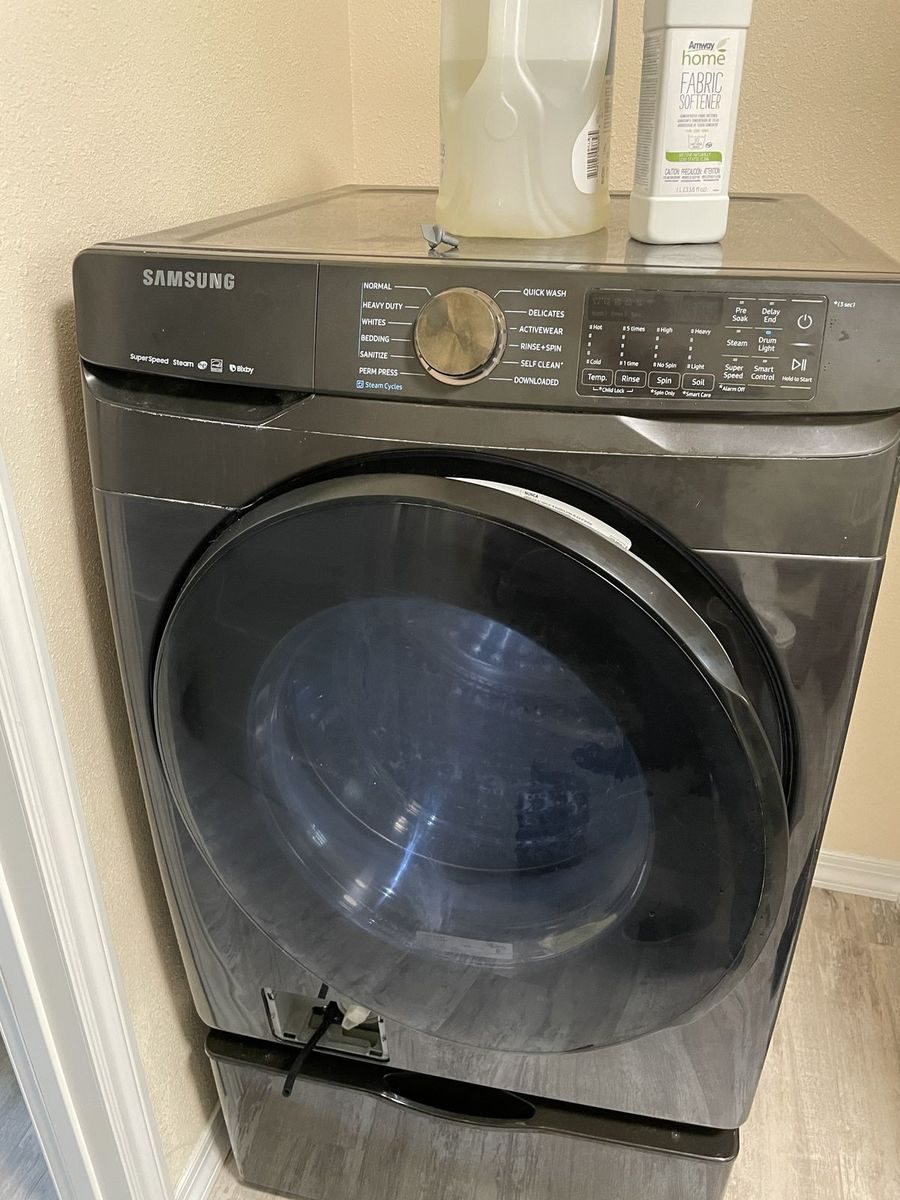
No. 8
Rural wells around Yelm and Rochester carry sediment that clogs inlet screens. A slow fill or a musty front-loader boot is where most washer visits start.
Go to the service page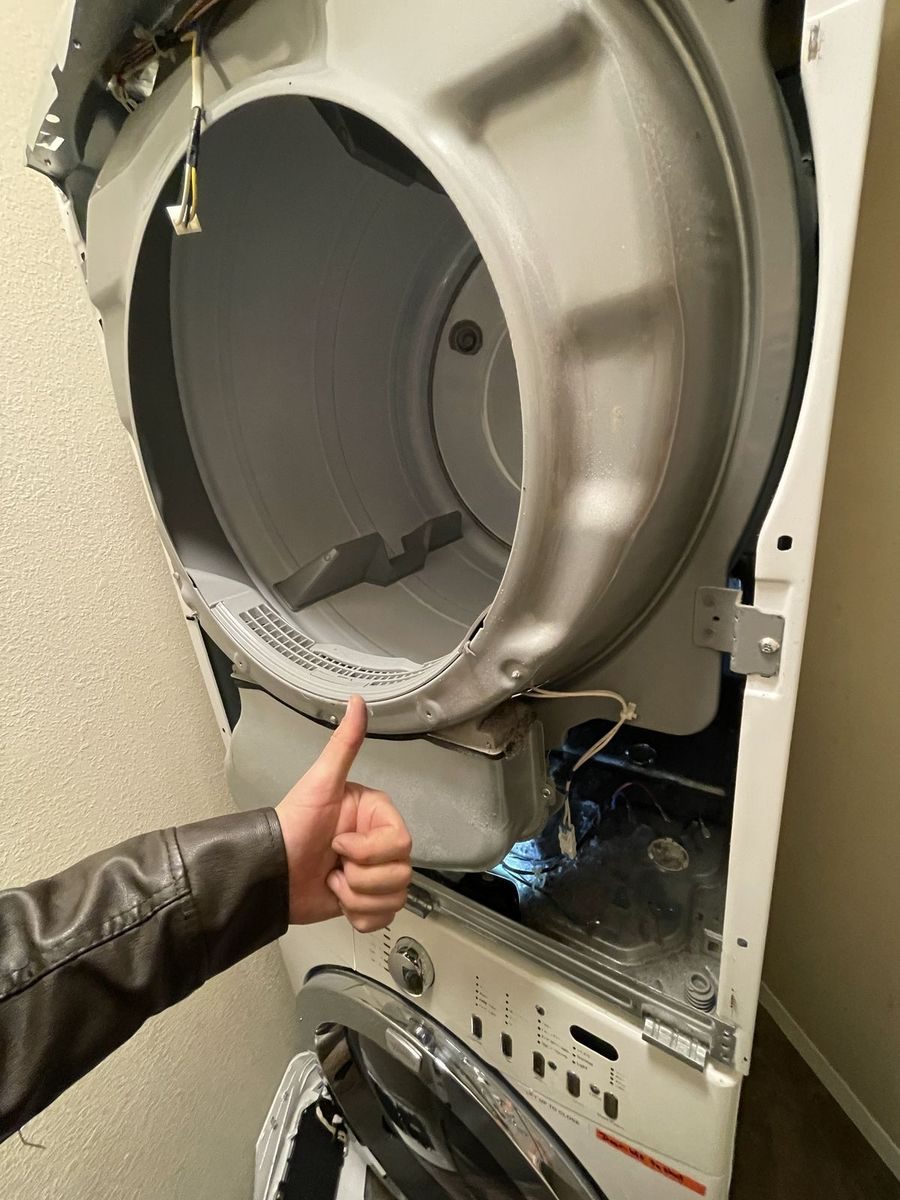
No. 9
Damp air and long vent runs make lint pile up fast in South Sound laundry rooms. The vent is tested together with the element or burner and the thermal fuse.
Go to the service page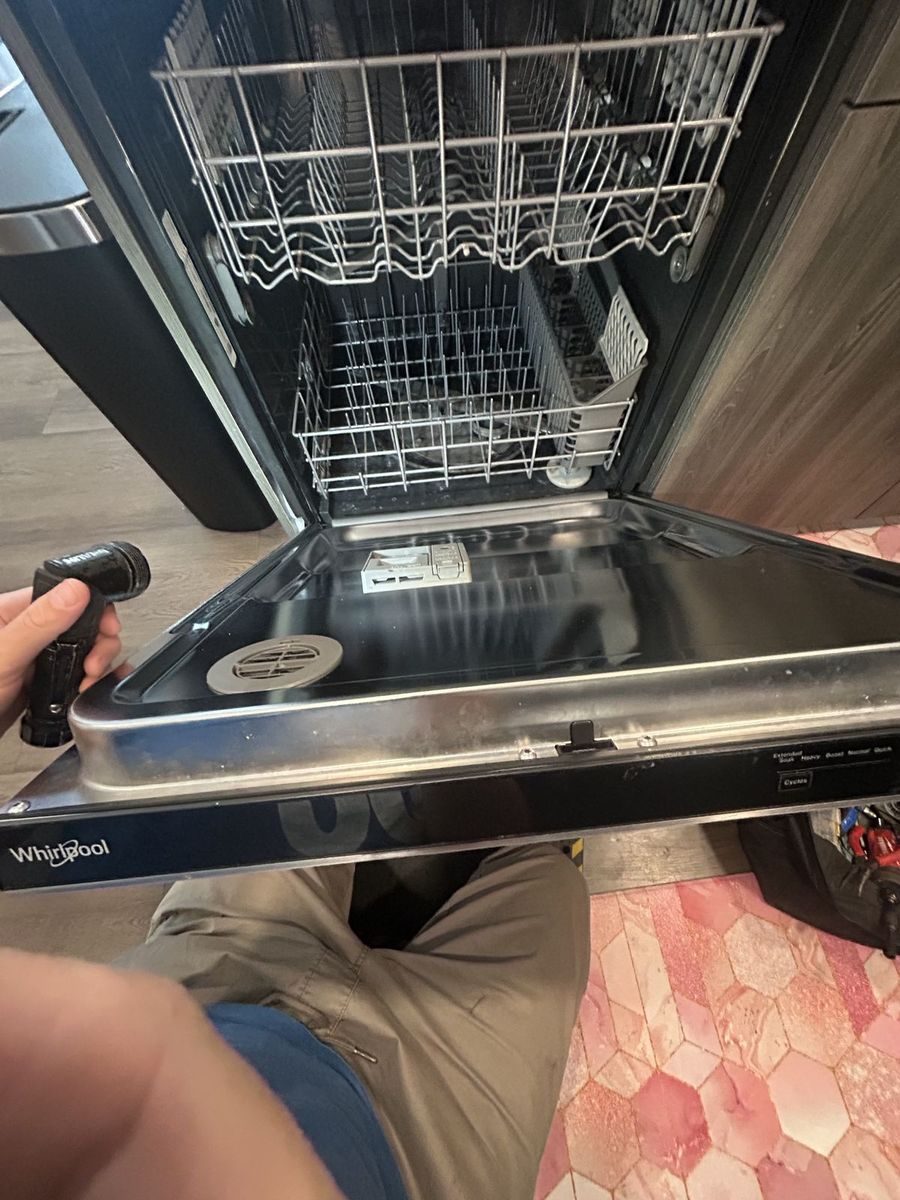
No. 10
Cloudy glasses and a tub that will not drain point to the filter, the drain pump or a hose without its loop under the counter. Each gets checked in order.
Go to the service page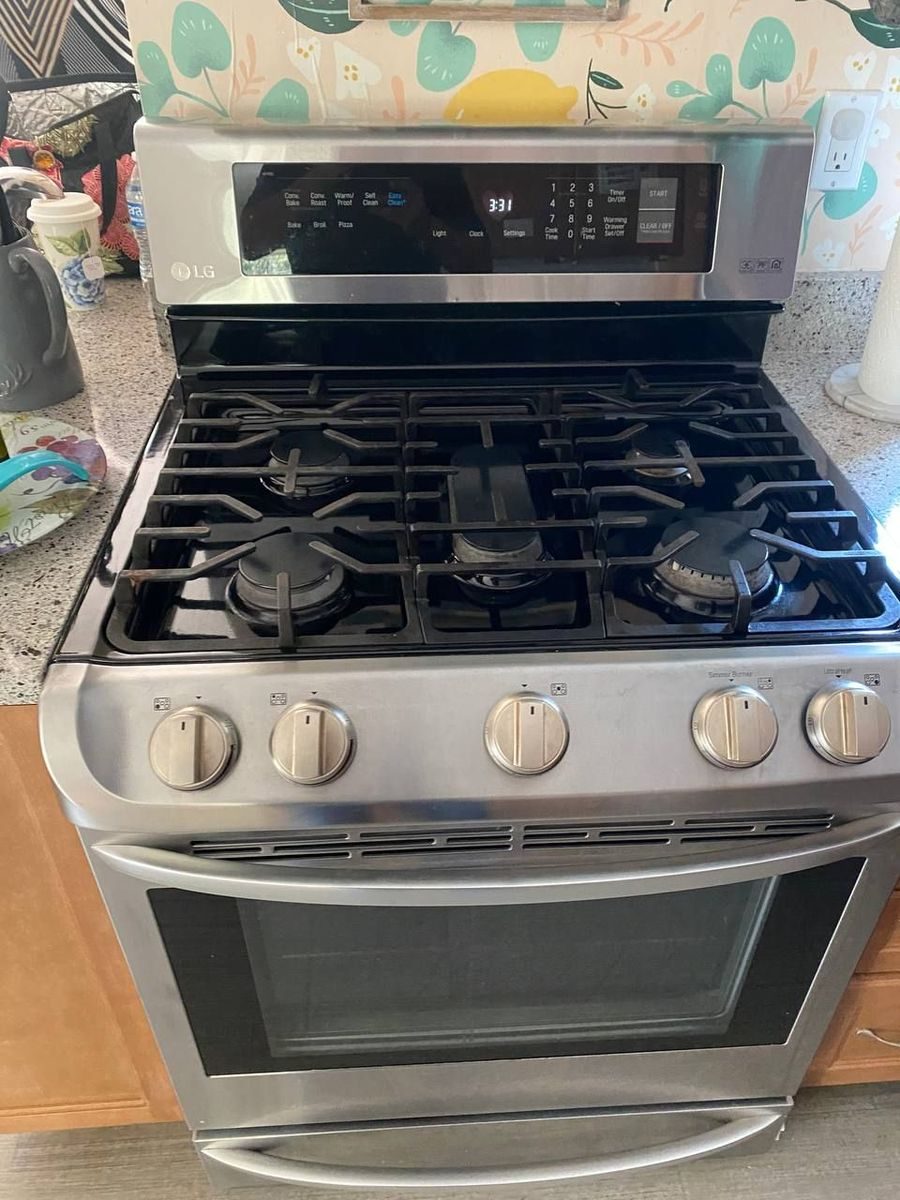
No. 11
Bake and broil elements, igniters and the oven sensor are metered before any part is ordered, on gas, electric and induction models alike.
Go to the service page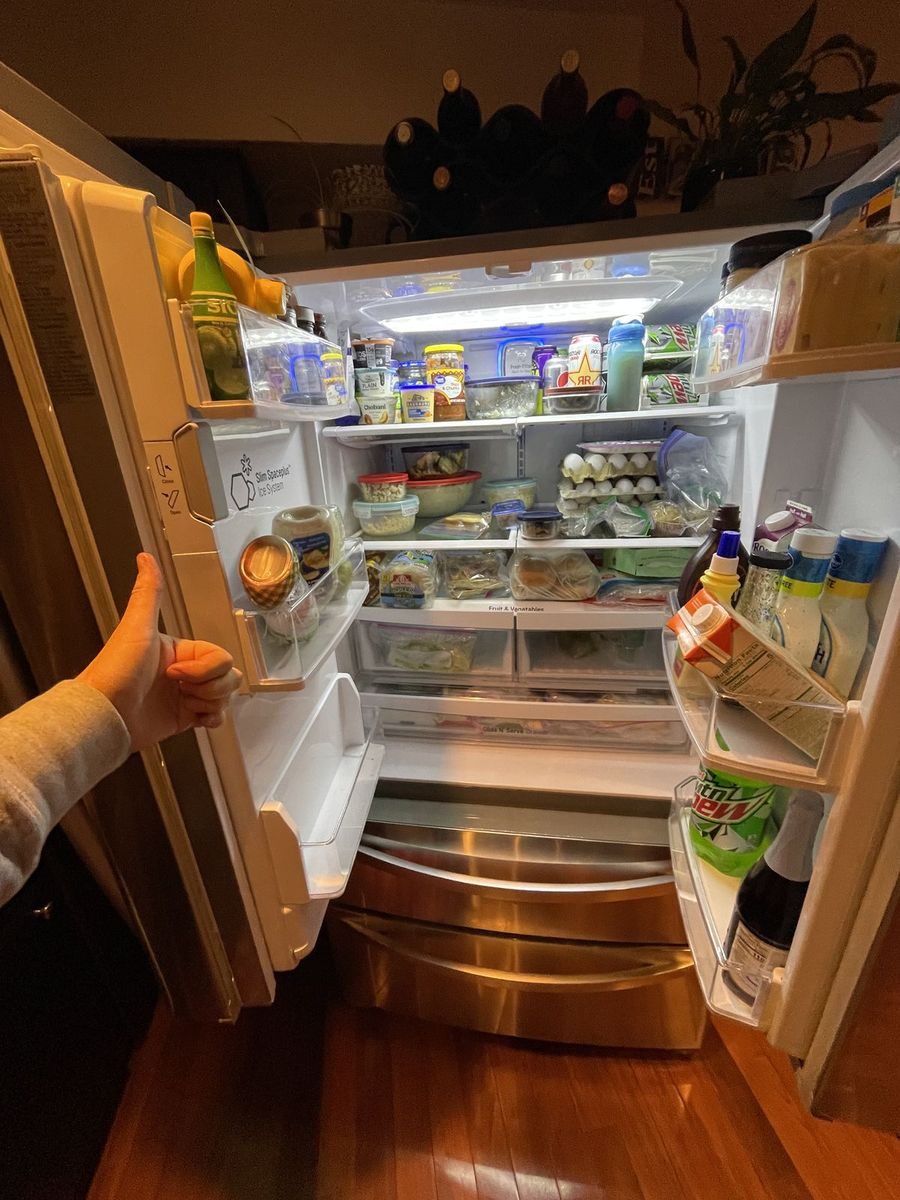
No. 12
When the ice stops after a power outage, the fill tube has often frozen. We check the water valve, the filter and the tube before blaming the ice maker.
Go to the service pageHomes on Tumwater Hill often have the condenser tucked along a side yard, close to a fence or a fir hedge. Tight clearance lets hot discharge air loop back into the coil, and fir needles pile up in the base pan. We check the space and airflow around the cabinet, clean the coil, and suggest where some trimming would let the unit breathe.
Bush Prairie sits on gravelly glacial outwash with open, sunny lots and few large trees, so a west-facing condenser cooks through the afternoon. Grass clippings from mowing get pulled straight into the fins. Keeping a couple of feet clear around the unit and aiming the mower's discharge away from it does more good than most owners expect.
Houses near the river and the falls share their yards with cottonwoods, and in late spring the fluff drifts into every condenser nearby. A layer that looks thin from outside can be packed deep in the fins. We wash coils from the inside and check fan motor amps, since a motor fighting a plugged coil wears out sooner.
Yes, gently. Set the thermostat to off and flip the outdoor unit's breaker, then rinse the fins with a garden hose on a soft spray, working from the top down. Skip the pressure washer, which flattens fins. If fluff or clippings are packed deep in the coil, or the fins are already bent, our technicians clean it from the inside out during a visit.
Young systems still fail, mostly at wear parts and installation details. Capacitors weaken in summer heat, contactor points pit, a charge set on a cool day can be off, and small flare or braze leaks tend to surface within a few seasons. Our technicians check the charge by superheat and subcooling, test the electrical parts, and tell you whether anything may fall under the installer's warranty.
Not before finding the leak. Refrigerant is not consumed, so a short charge tells us it escaped somewhere, often at a flare nut, a valve core or a line rubbing on a bracket. Topping off without a leak search only buys time. With their EPA 608 Universal credential, our technicians recover refrigerant, weigh in the correct charge and confirm it with superheat and subcooling, then price the leak repair on paper.
Start early and let it run. Cool the house in the morning before the sun swings around, hold the thermostat steady instead of dropping it many degrees at once, and close the blinds on west windows. Change the filter before the heat arrives. If the system runs all afternoon and still loses ground, jot down the temperatures and call, since a fading capacitor or short charge shows up first on those days.
Ready when you are
Settle on a date, then a window for the technician to arrive, using the site, or reach the office by phone anytime from 8 AM until 7 PM. Expect a callback to confirm, and a written repair price before any work.
Online booking
Tell us what is acting up and when suits you. A coordinator phones to confirm the slot, and your technician calls again when heading your way.
These registrations are open to anyone. Look the numbers up on L&I Verify, and see our licenses page for what each one covers.
Read what each license allows