No. 1
Air conditioner repair
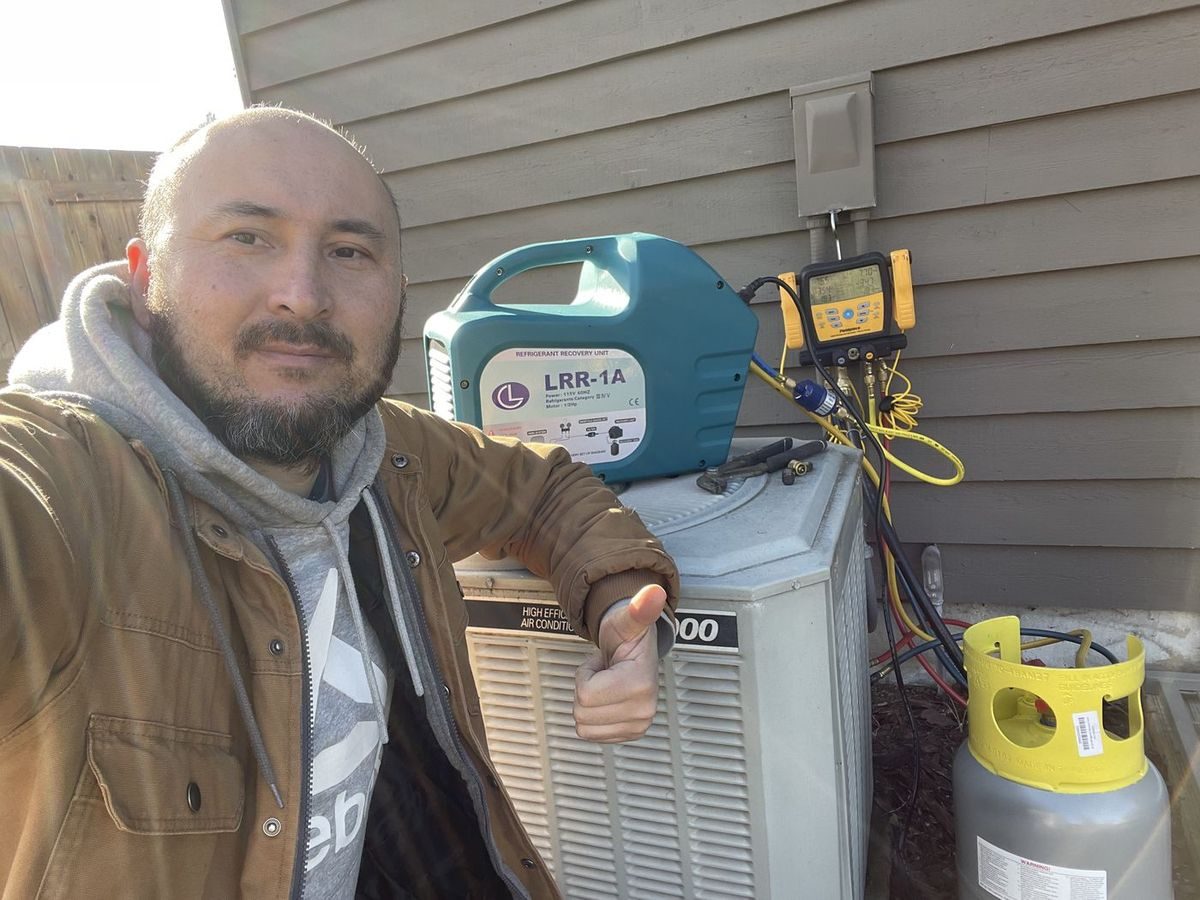
Cooling was an afterthought in many South Sound homes until the 2021 heat dome. When a newer system lags on a hot day, airflow, the capacitor and the charge come first.
Go to the service page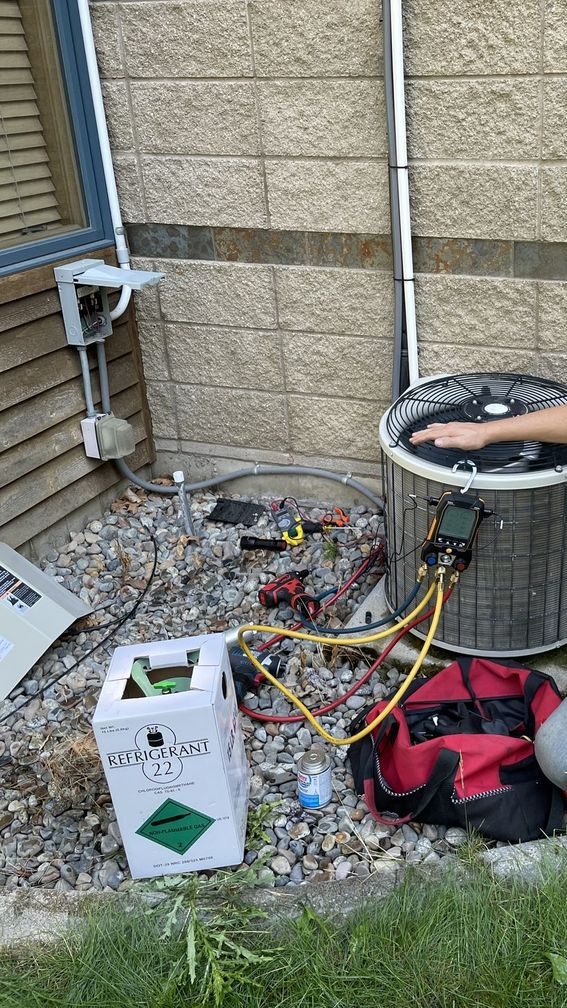
Air conditioning repair in Olympia
Plenty of Olympia houses went up decades before anyone pictured 110°F here, and a good share of them added central air or a heat pump after the June 2021 heat dome. When that newer system quits cooling, our technicians find out why, explain it in everyday terms, and hand you a written price ahead of any repair.
Quick answer
An Olympia air conditioner that won't cool usually has a capacitor or contactor that gave out, a condenser gasping for air in a narrow side yard or under a deck, an indoor coil icing on undersized ducts, or a leak at a line set joint. Our technician tests each possibility, sets the repair price down in writing and waits for your go-ahead. Phones ring through 8 AM–7 PM on every day of the week.
Often because the house was never laid out for them. Many homes here were built without central air, so cooling arrived later, bolted onto ductwork sized for an old furnace or onto a basement or crawlspace system with too few returns. During the heat dome, Olympia climbed from a record 102°F on June 26, 2021 to 105°F the following day and 110°F on June 28, and a lot of owners decided box fans had done their last summer. Those add-on systems perform well when the ducts can move enough air. When they can't, static pressure climbs, the indoor coil runs too cold, and ice grows across it.
We settle the question with numbers. A technician measures total external static pressure, how many degrees the indoor coil takes off the air, and superheat and subcooling at the condenser, then reads the run capacitor in microfarads and looks at the contactor's contact faces. Together those readings tell a duct limitation apart from a failed part or a short charge. Refrigerant handling rests on each technician's EPA 608 Universal credential, the license behind the work lists the 06A HVAC/Refrigeration specialty, and the company holds a General Contractor license as well.
Usually wherever space was left over. Older lots on the Eastside and Westside often have slim side yards, so an added condenser may sit inches from a fence, under a deck, or behind a hedge. The unit draws air through its side fins and pushes it out the top; wall in the sides or lay decking over the top, and it rebreathes its own heat. Head pressure rises, the compressor draws more amps, and the capacitor cooks. A couple of feet of clear ground around the cabinet and open sky above it make a real difference to how long those parts last.
Our weather sets a trap too. With July and August highs averaging about 78°F, many cooling-only systems in Olympia sit unused most of the year and then meet a heat wave cold. Pollen and cottonwood fluff mat the fins in late spring, and a drain line can grow algae over a wet winter. Run the cooling for a quarter hour on the first warm day of the year so a fault turns up before the hot week does. We serve ZIP codes 98501, 98502, 98506 and 98512, and the office confirms each booked visit with a phone call.
Each tab carries a photo from our service work and the first checks we make on that job. Choose a tab, or let them change by themselves.
No. 1
Cooling was an afterthought in many South Sound homes until the 2021 heat dome. When a newer system lags on a hot day, airflow, the capacitor and the charge come first.
Go to the service page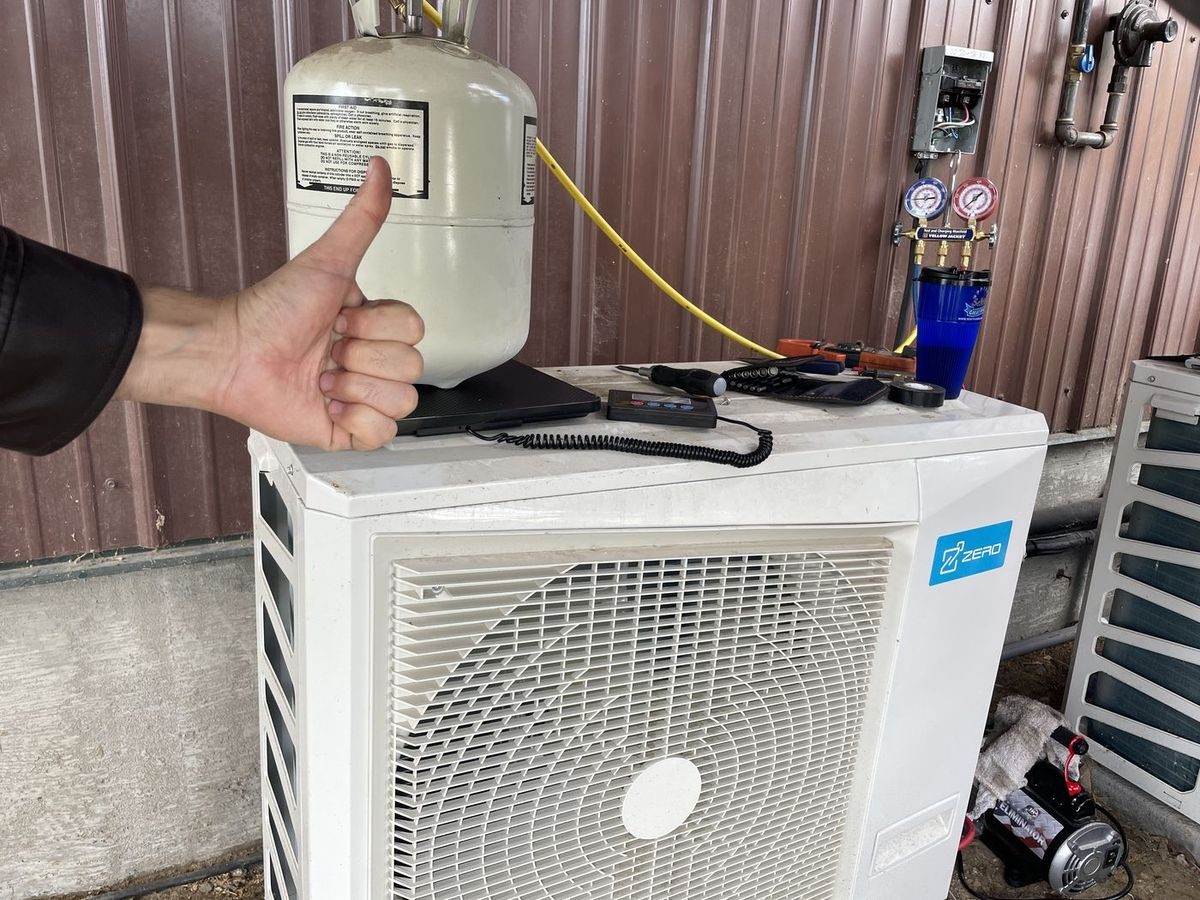
No. 2
Olympia winters stay wet and just above freezing for weeks, so defrost does a lot of work. We read the coil sensor, the defrost board and the charge before anything else.
Go to the service page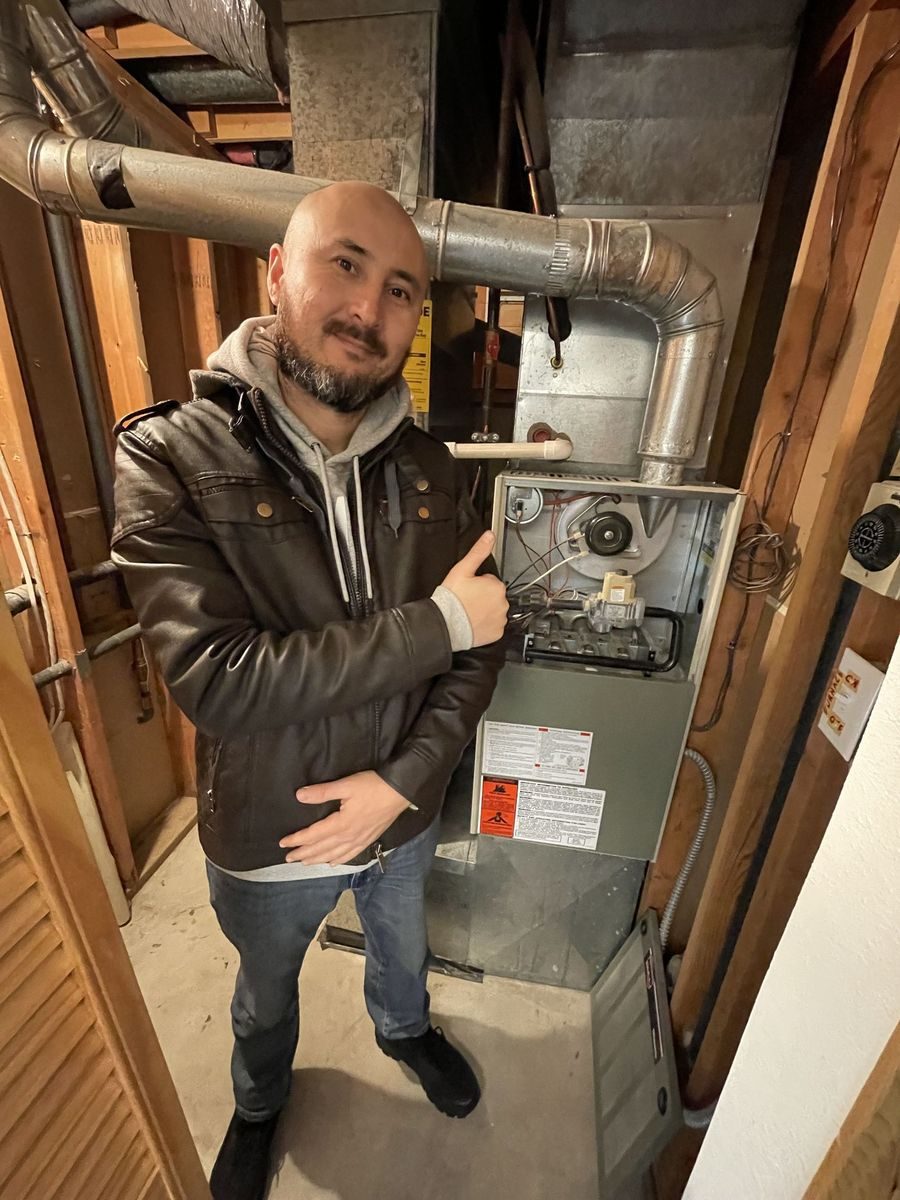
No. 3
Gas or electric, a furnace that quits on a cold morning is traced step by step: thermostat call, inducer, pressure switch, igniter, flame sensor, limit.
Go to the service page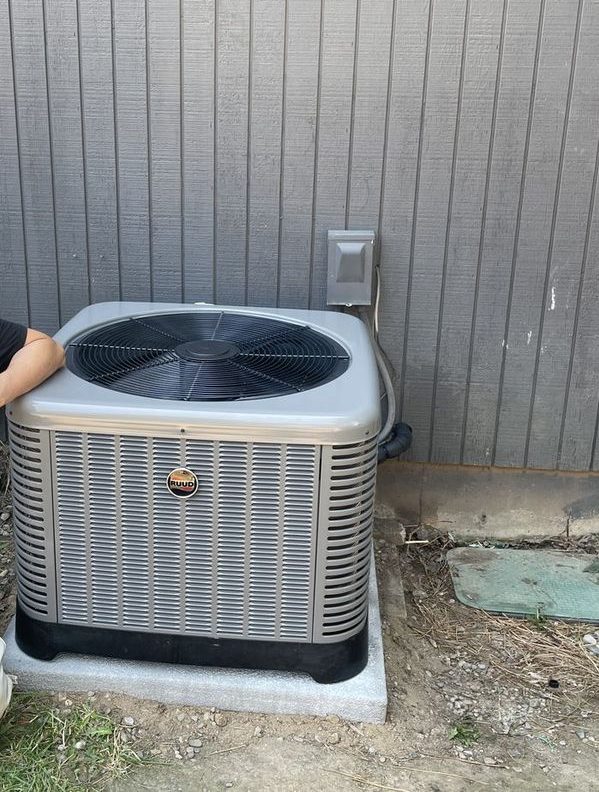
No. 4
A new system starts with a load calculation and a dry, level pad. Prairie gravel drains fast; in low clay corners we set the unit higher.
Go to the service page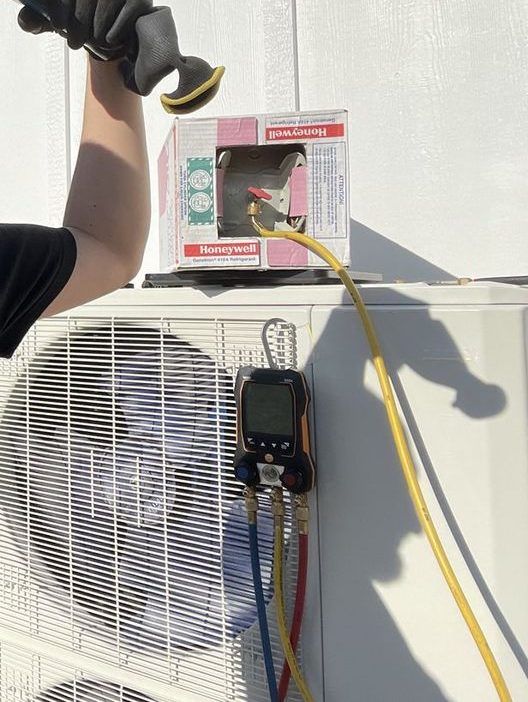
No. 5
Ductless heads suit older Olympia houses with no space for ducts. The line set runs outside, so its insulation and the condensate drain get a close look.
Go to the service pageNo. 6
Spring and fall visits clear needles and moss from the coil, open the drain holes in the base and test the defrost cycle before the long gray season.
Go to the service page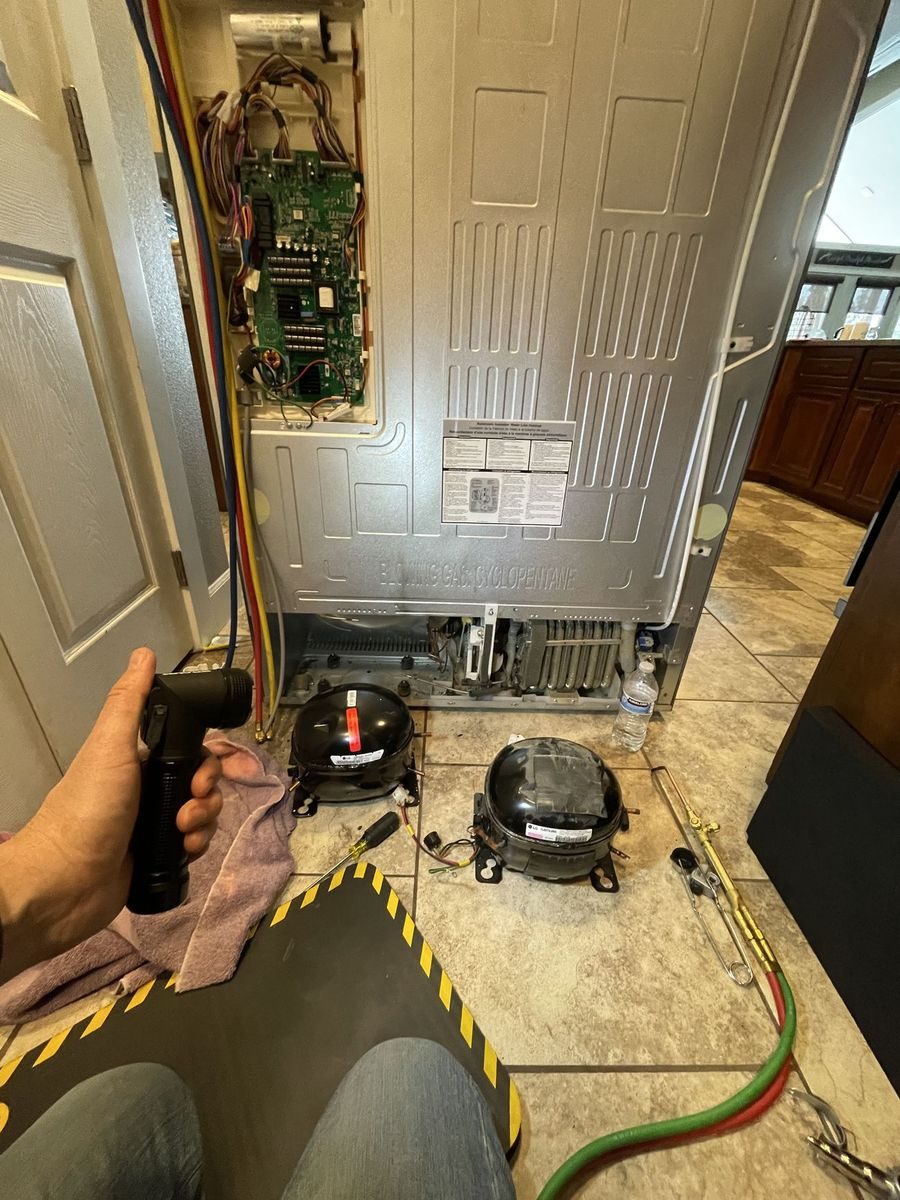
No. 7
Warm shelves usually come from frost on the coil, a fan that has stopped or a failed defrost part. Sealed-system repairs happen at home, by technicians holding EPA 608 Universal credentials.
Go to the service page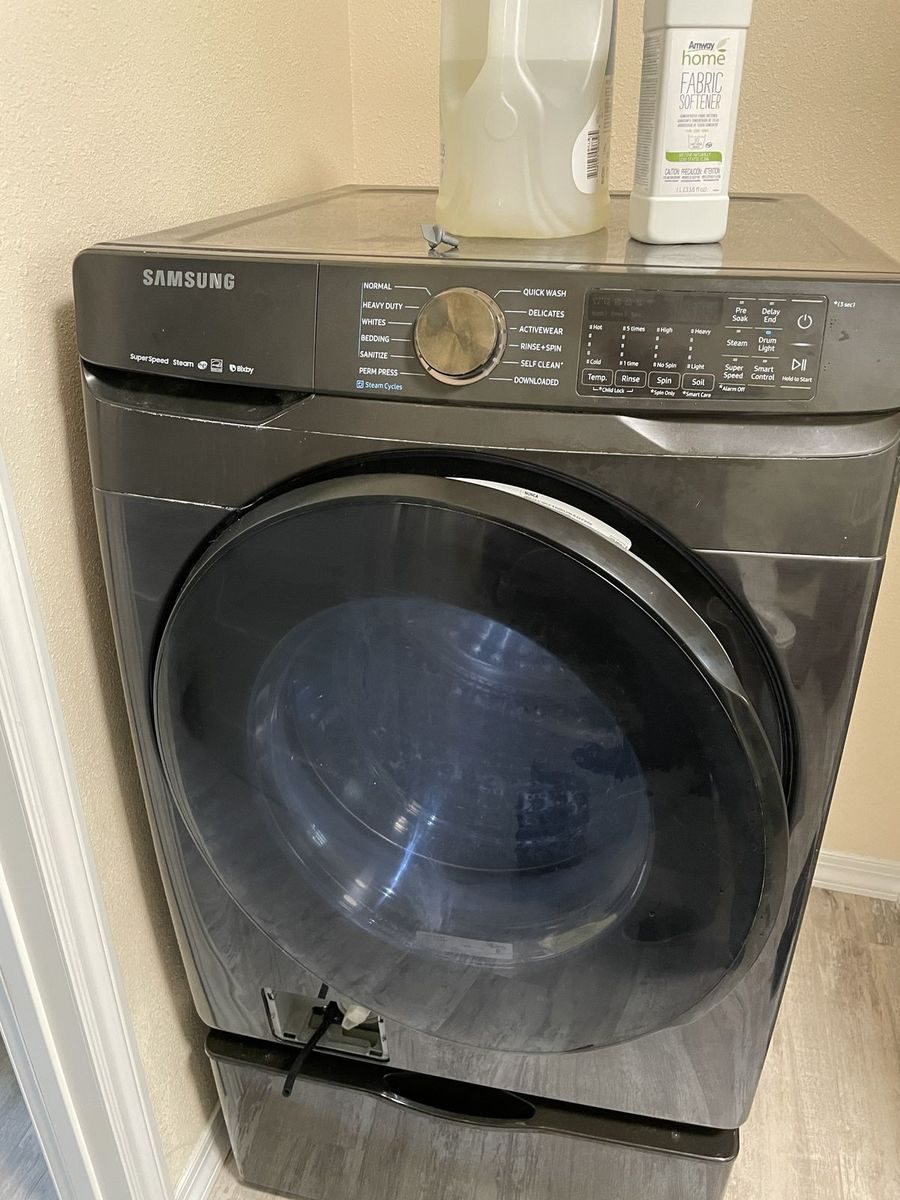
No. 8
Rural wells around Yelm and Rochester carry sediment that clogs inlet screens. A slow fill or a musty front-loader boot is where most washer visits start.
Go to the service page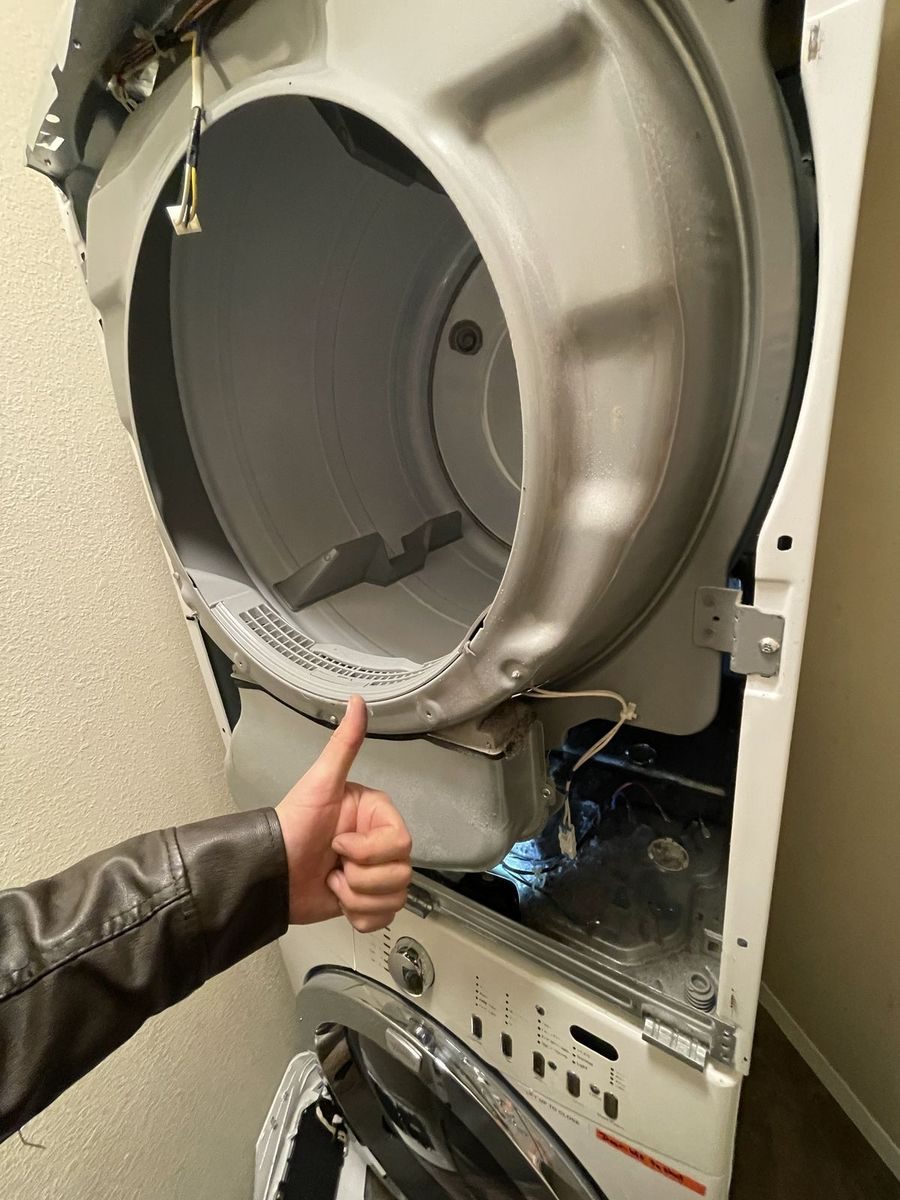
No. 9
Damp air and long vent runs make lint pile up fast in South Sound laundry rooms. The vent is tested together with the element or burner and the thermal fuse.
Go to the service page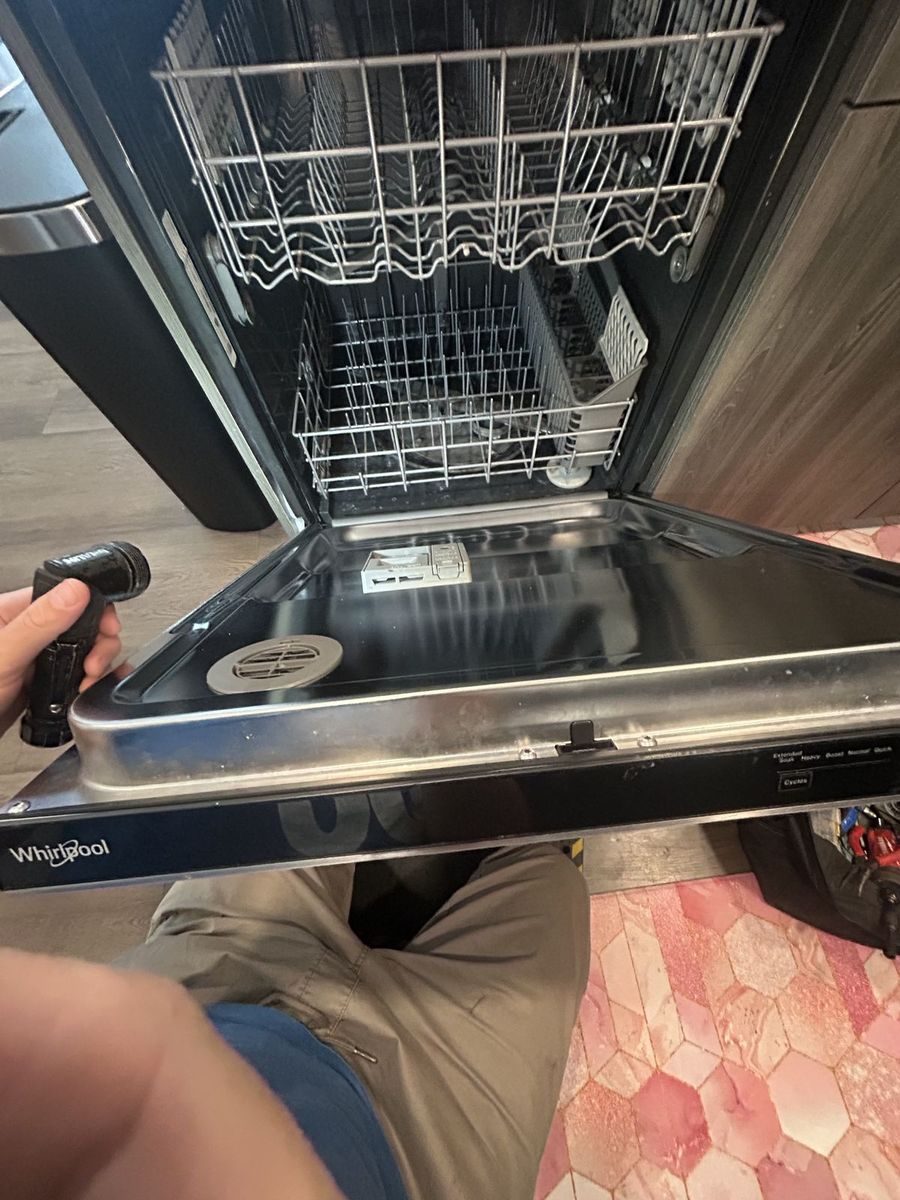
No. 10
Cloudy glasses and a tub that will not drain point to the filter, the drain pump or a hose without its loop under the counter. Each gets checked in order.
Go to the service page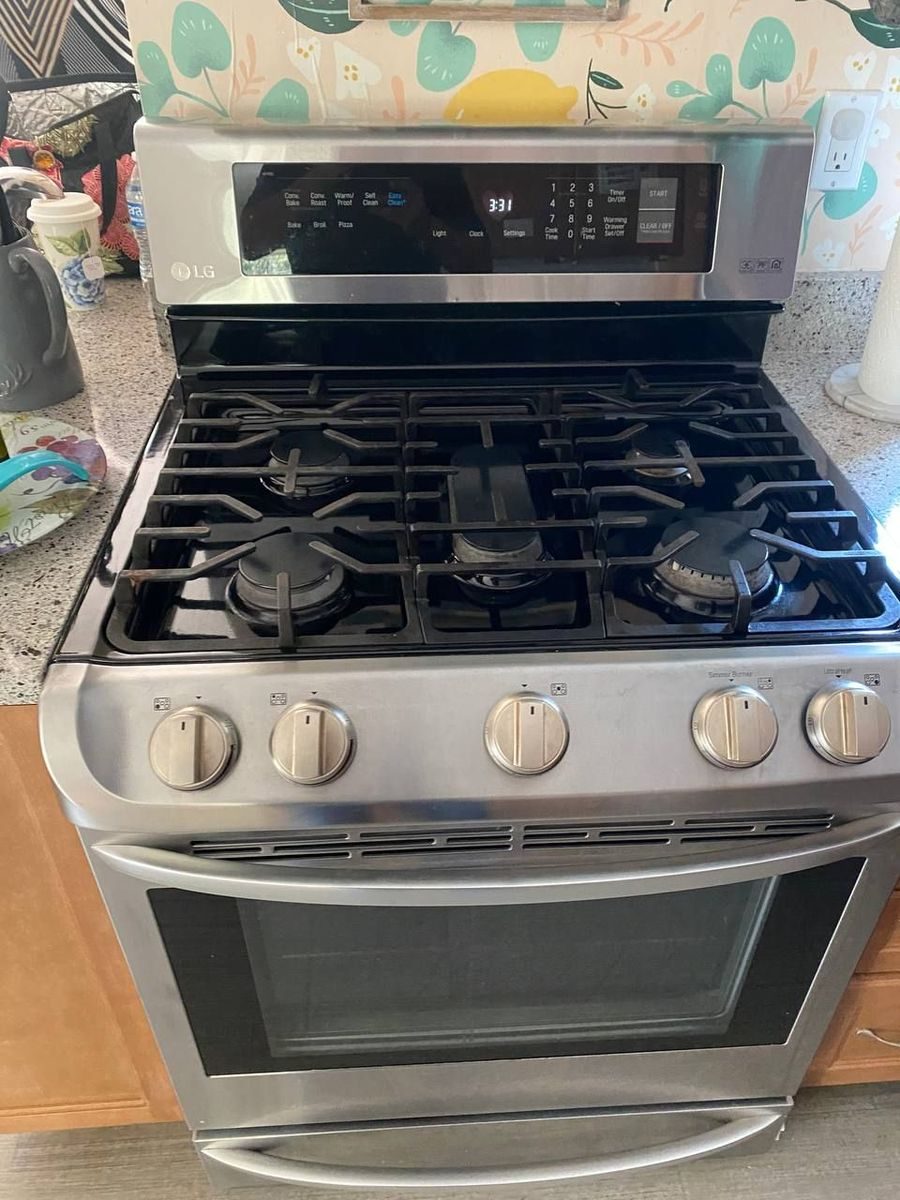
No. 11
Bake and broil elements, igniters and the oven sensor are metered before any part is ordered, on gas, electric and induction models alike.
Go to the service page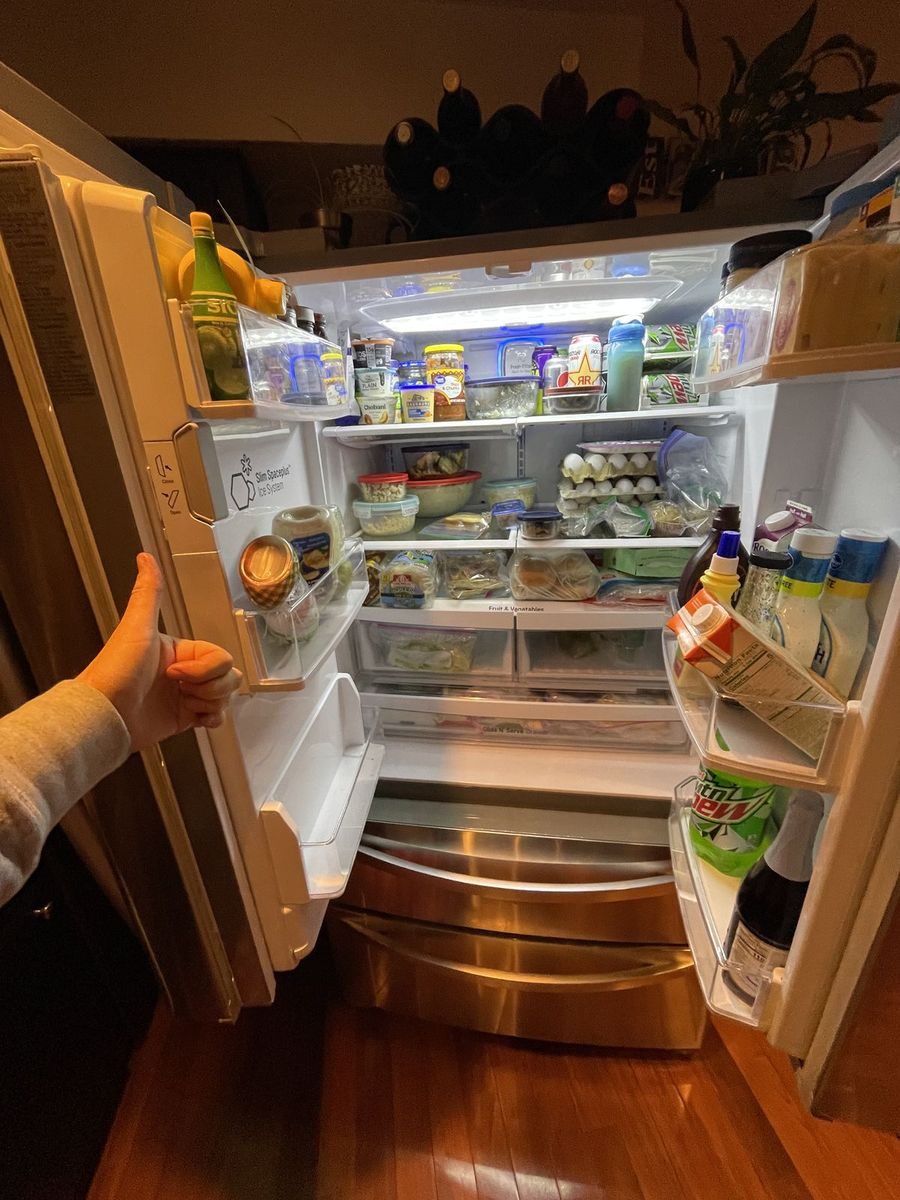
No. 12
When the ice stops after a power outage, the fill tube has often frozen. We check the water valve, the filter and the tube before blaming the ice maker.
Go to the service pageThis historic neighborhood just south of downtown is full of older homes, many with basements or crawlspaces where later ductwork runs. Where lots are tight, a condenser often ends up hugging the house or a neighbor's fence. We check clearance, line set routing and the condensate path, since a drain added after the fact is often the weak link.
Some older homes here never had ducts, and cooling came as ductless mini-splits mounted beside existing electric baseboard heat. Those wall heads need clean filters and blower wheels to cool well, and their outdoor units need room to breathe. We service both halves of the system, with a leak check at each flare connection.
Sloped lots on the Westside sometimes put the condenser on a stand beside a deck or tucked partly beneath one. We check that the stand is level and solid, that line set insulation hasn't cracked in the sun, and that decking isn't trapping exhaust above the fan, which quietly pushes operating pressure up.
Possibly, but size is only one explanation. Restrictive ducts, a short refrigerant charge, a dirty coil, or a condenser crowded by a fence can make a properly sized system look weak. We measure static pressure, temperature drop, superheat and subcooling before reaching a verdict, so you hear which cause the readings support. If the system really is too small, we explain your choices.
It can be. A condenser throws its hot air straight up, and decking overhead can bounce that air back into the coil, raising pressure and wearing the compressor. Installation manuals generally call for generous open space above the fan. If yours sits under boards, a technician can measure head pressure on a warm afternoon and tell you whether it is suffering.
Waiting means the diagnostic fee is your whole bill for the visit. The office gives the amount when the appointment is made. If you approve the written repair price instead, the fee lives within that total rather than on top of it. Nothing beyond testing happens without your okay, and the warranty for any repair appears on the invoice.
Yes. Plenty of Olympia homes added mini-splits instead of ducts, and we repair indoor heads and outdoor units from brands such as Mitsubishi, Fujitsu, Daikin and LG. Common faults include sensor errors, leaking flare joints, failed fan motors and clogged condensate lines. Refrigerant work on those systems is done by technicians holding the EPA 608 Universal credential, and ordered parts are priced before we order them.
Ready when you are
Claim an open day and arrival slot through the scheduler online, or call during office hours. The technician phones once en route.
Online booking
Tell us what is acting up and when suits you. A coordinator phones to confirm the slot, and your technician calls again when heading your way.
These registrations are open to anyone. Look the numbers up on L&I Verify, and see our licenses page for what each one covers.
Read what each license allows