No. 1
Heat pump repair
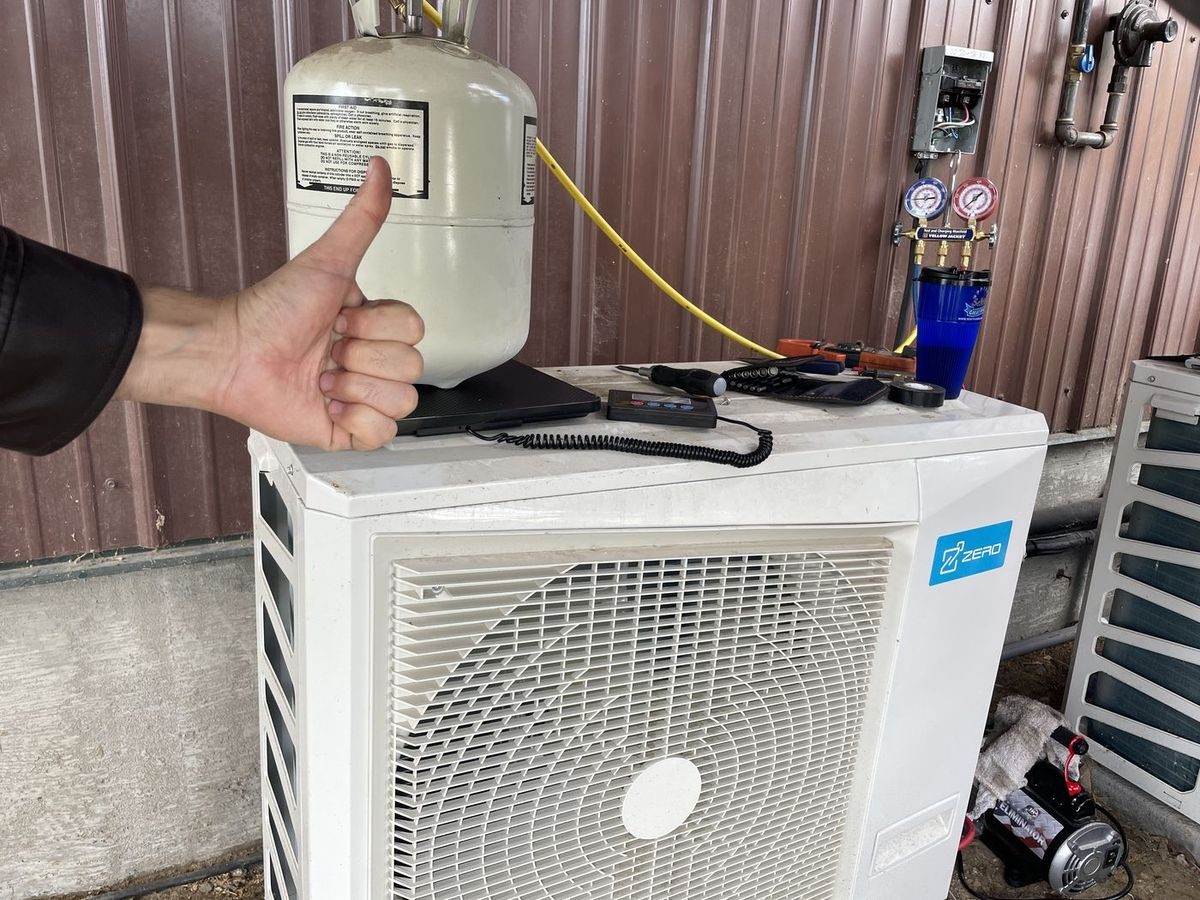
Olympia winters stay wet and just above freezing for weeks, so defrost does a lot of work. We read the coil sensor, the defrost board and the charge before anything else.
Go to the service page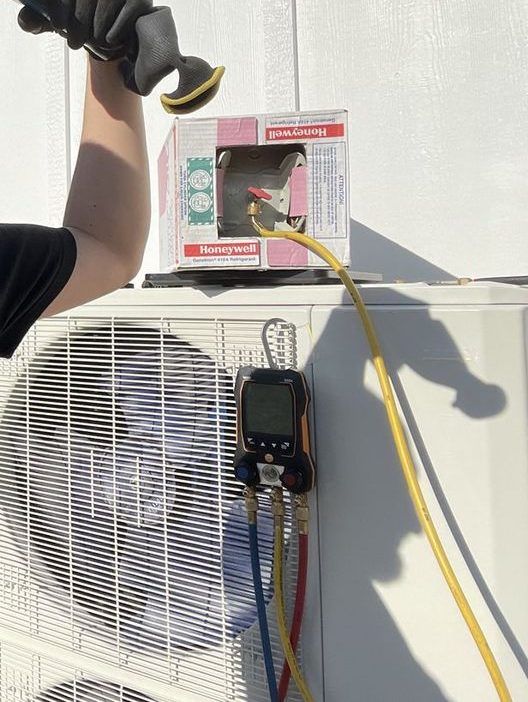
Tumwater · Ducted & ductless heat pumps
A Tumwater heat pump spends the winter wrapped in fog off the Deschutes and Black Lake, defrosting over and over. If yours ices up, blows cool or keeps the AUX light glowing, our technicians check the defrost board and sensor, the reversing valve, the fan and the charge, and the repair is priced on paper first.
Quick answer
A Tumwater heat pump that struggles in winter usually has a defrost sensor or board missing its cue, a reversing valve hanging between modes, a dead outdoor fan capacitor, or backup heat strips doing work the compressor should be doing. Our technicians test each of these, write out the repair price, and start only once you have said yes to it.
We watch the system heat before taking anything apart. In heat mode the technician records supply air temperature, outdoor fan and compressor amps, and refrigerant pressures, then forces a defrost, or waits for one, to confirm three things: the valve changes over, the outdoor fan halts, and frost leaves the coil. The coil temperature sensor is compared against its resistance chart, and each backup heat strip gets its own amp reading so we know what the AUX light is really reporting. Ductless units go through the same tests alongside their stored fault codes.
The office gives the diagnostic fee up front, on the phone or in the confirming call after an online booking. Agreeing to the repair moves that fee inside the repair total; turning the repair down makes the fee your entire bill. The written repair price comes before any work, nothing moves forward without your approval, and your invoice records the warranty terms. Capacitors, contactors, fan motors and valves come along on the truck, and refrigerant work is covered by our EPA 608 Universal credential.
Fog is the everyday test. On still winter mornings it settles into the Deschutes valley and over Black Lake, and long runs of 35 to 45°F weather keep the air close to saturated. That is good heating weather for a heat pump, but moisture freezes onto the outdoor coil quickly, so defrost comes around again and again. Each cycle flips the reversing valve and leans on the defrost board, coil sensor and backup heat, which is why those parts get so much work here. Every few winters an arctic outbreak, January 2024 among them, drives nights far colder and exposes any weak heat strip.
Open ground near the Olympia Regional Airport and across the prairie lets winter wind push rain and sleet sideways into the coil and drift snow against the cabinet. A unit on risers, with a clear path for meltwater to leave the base pan, copes better. When windstorms or freezing rain take the power down, the surge on its return can damage a defrost board or thermostat. If the heat pump will not restart after an outage, reset its breaker one time, then book a visit online or by phone.
Each tab carries a photo from our service work and the first checks we make on that job. Choose a tab, or let them change by themselves.
No. 1
Olympia winters stay wet and just above freezing for weeks, so defrost does a lot of work. We read the coil sensor, the defrost board and the charge before anything else.
Go to the service page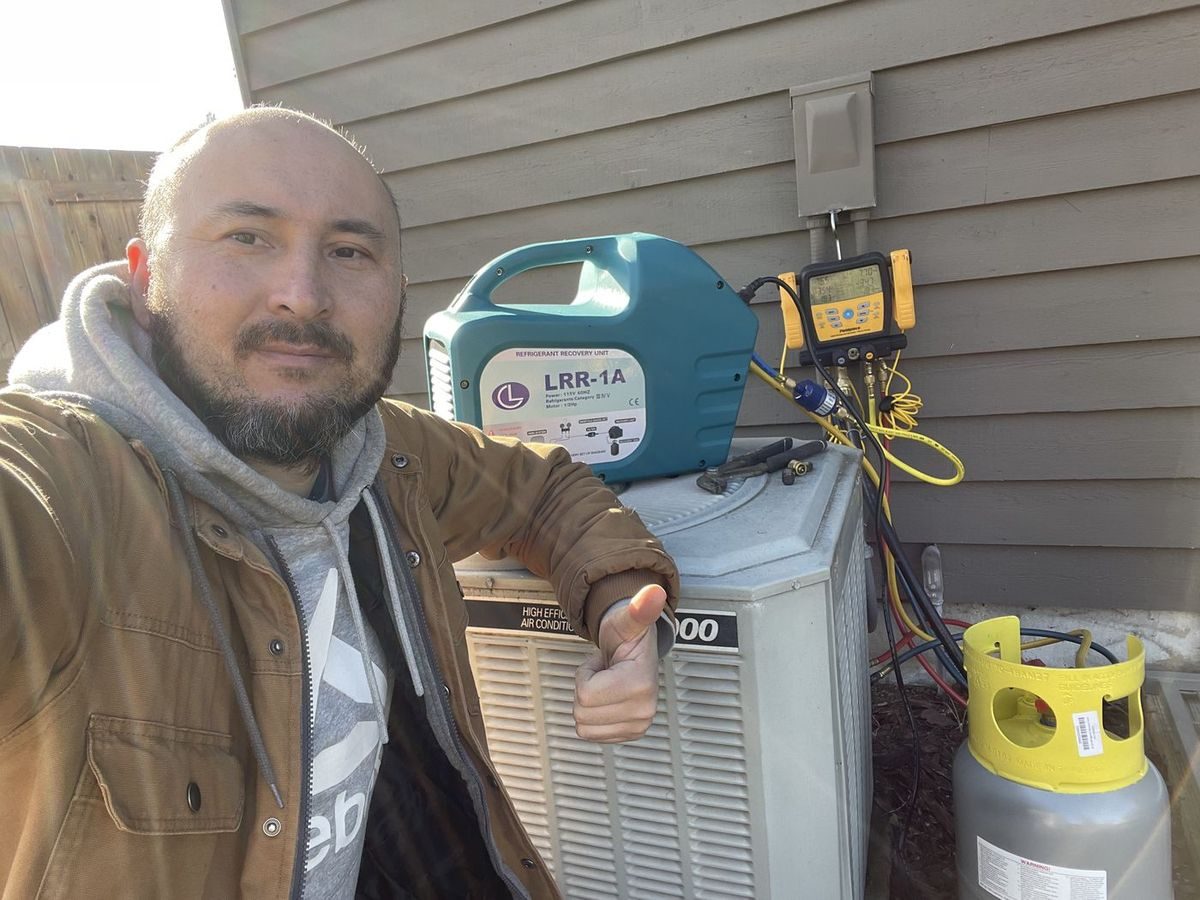
No. 2
Cooling was an afterthought in many South Sound homes until the 2021 heat dome. When a newer system lags on a hot day, airflow, the capacitor and the charge come first.
Go to the service page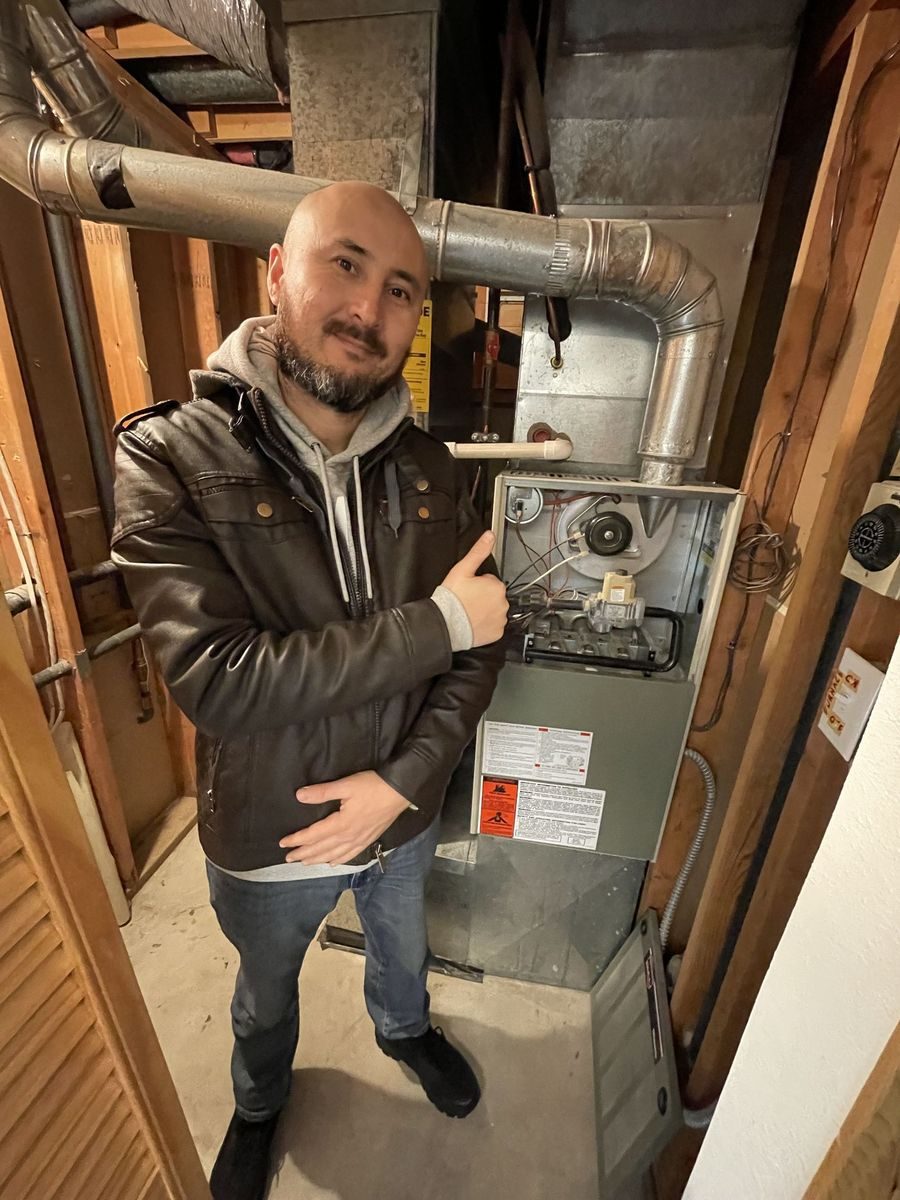
No. 3
Gas or electric, a furnace that quits on a cold morning is traced step by step: thermostat call, inducer, pressure switch, igniter, flame sensor, limit.
Go to the service page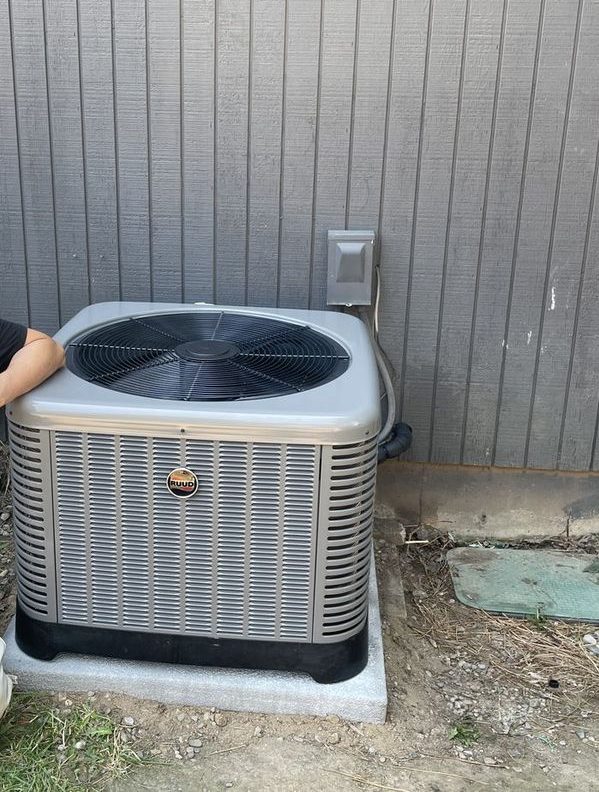
No. 4
A new system starts with a load calculation and a dry, level pad. Prairie gravel drains fast; in low clay corners we set the unit higher.
Go to the service pageNo. 5
Ductless heads suit older Olympia houses with no space for ducts. The line set runs outside, so its insulation and the condensate drain get a close look.
Go to the service page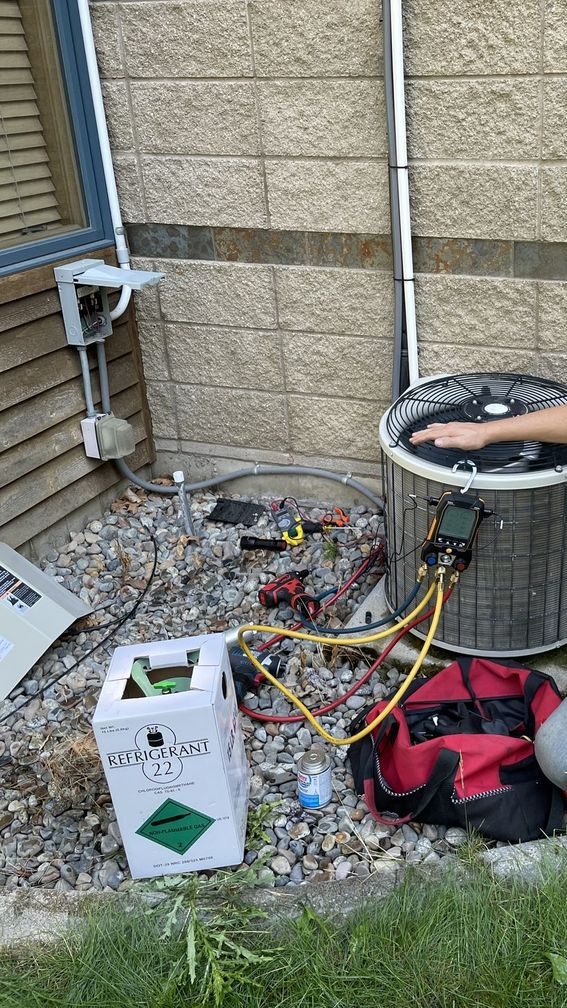
No. 6
Spring and fall visits clear needles and moss from the coil, open the drain holes in the base and test the defrost cycle before the long gray season.
Go to the service page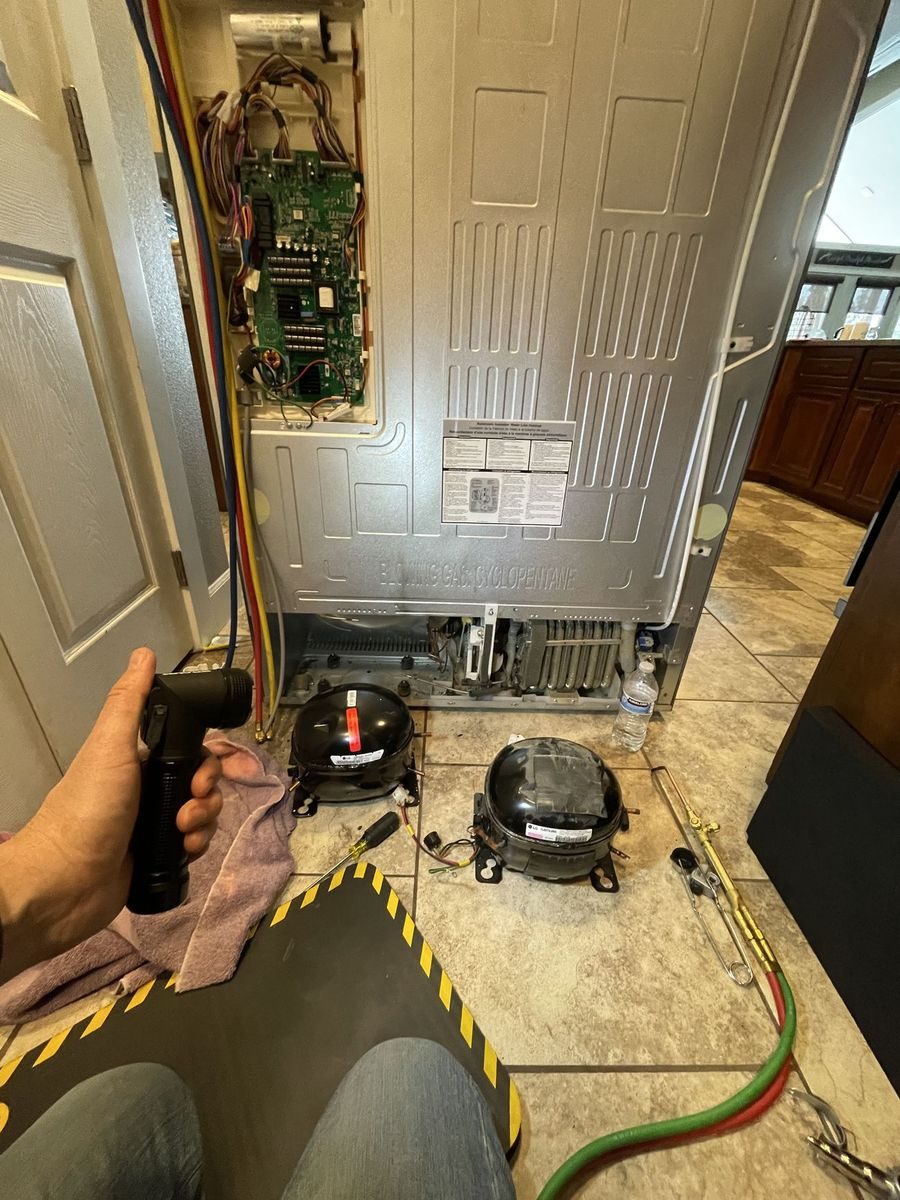
No. 7
Warm shelves usually come from frost on the coil, a fan that has stopped or a failed defrost part. Sealed-system repairs happen at home, by technicians holding EPA 608 Universal credentials.
Go to the service page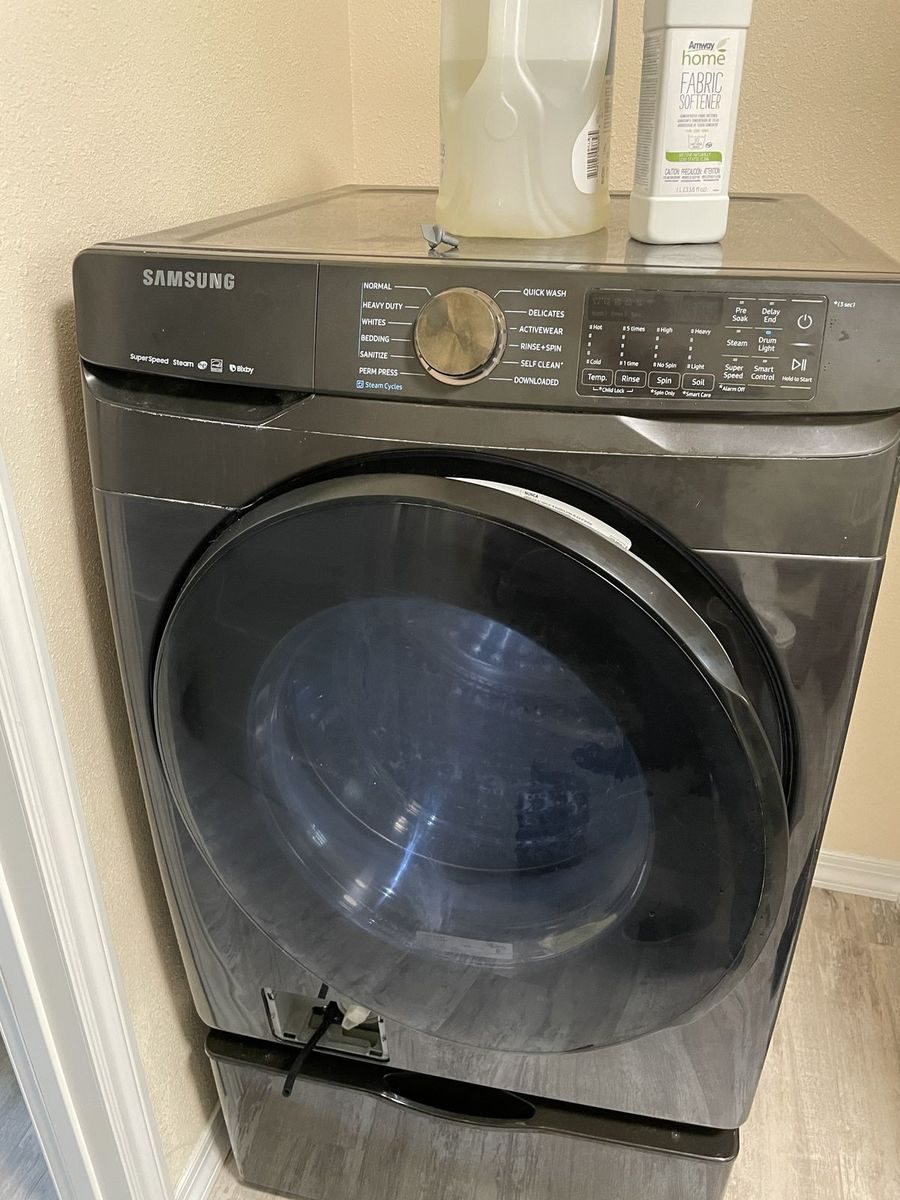
No. 8
Rural wells around Yelm and Rochester carry sediment that clogs inlet screens. A slow fill or a musty front-loader boot is where most washer visits start.
Go to the service page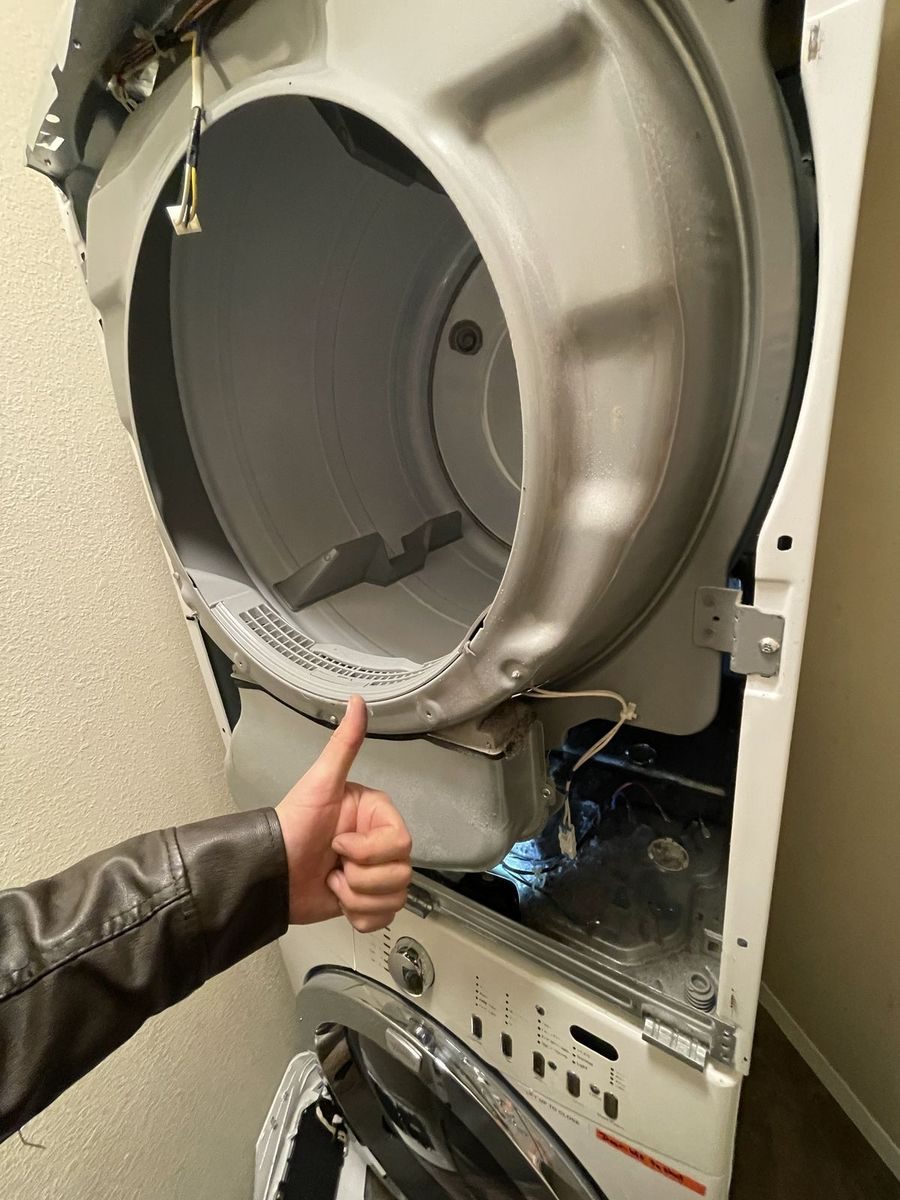
No. 9
Damp air and long vent runs make lint pile up fast in South Sound laundry rooms. The vent is tested together with the element or burner and the thermal fuse.
Go to the service page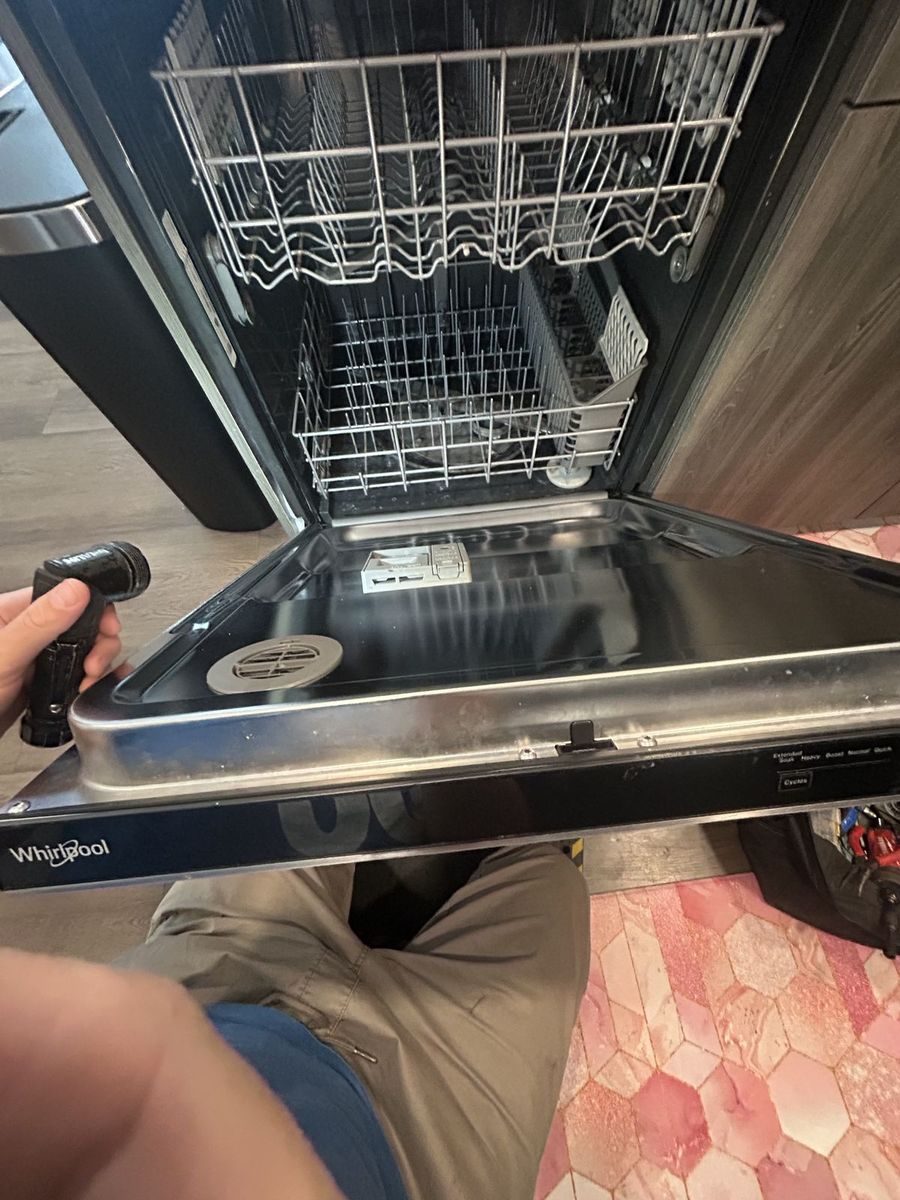
No. 10
Cloudy glasses and a tub that will not drain point to the filter, the drain pump or a hose without its loop under the counter. Each gets checked in order.
Go to the service page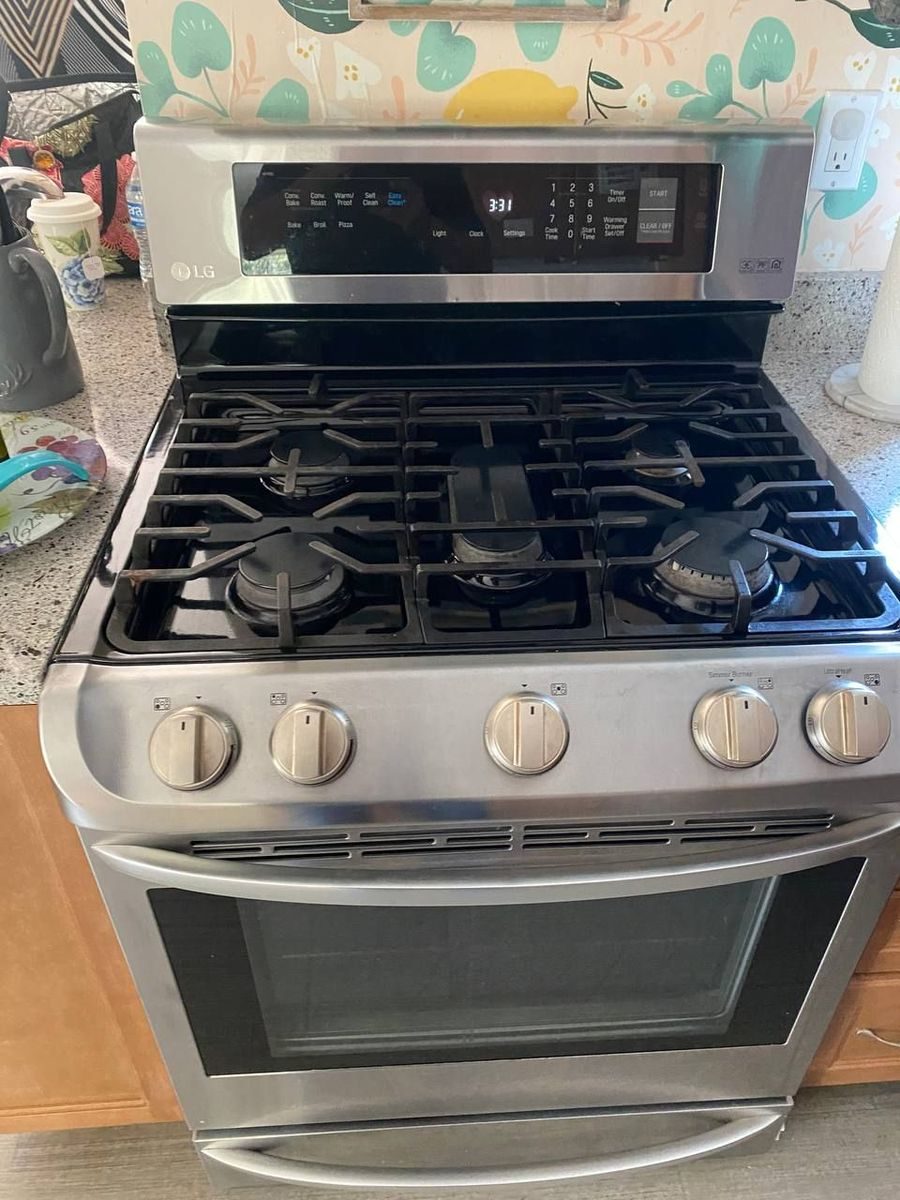
No. 11
Bake and broil elements, igniters and the oven sensor are metered before any part is ordered, on gas, electric and induction models alike.
Go to the service page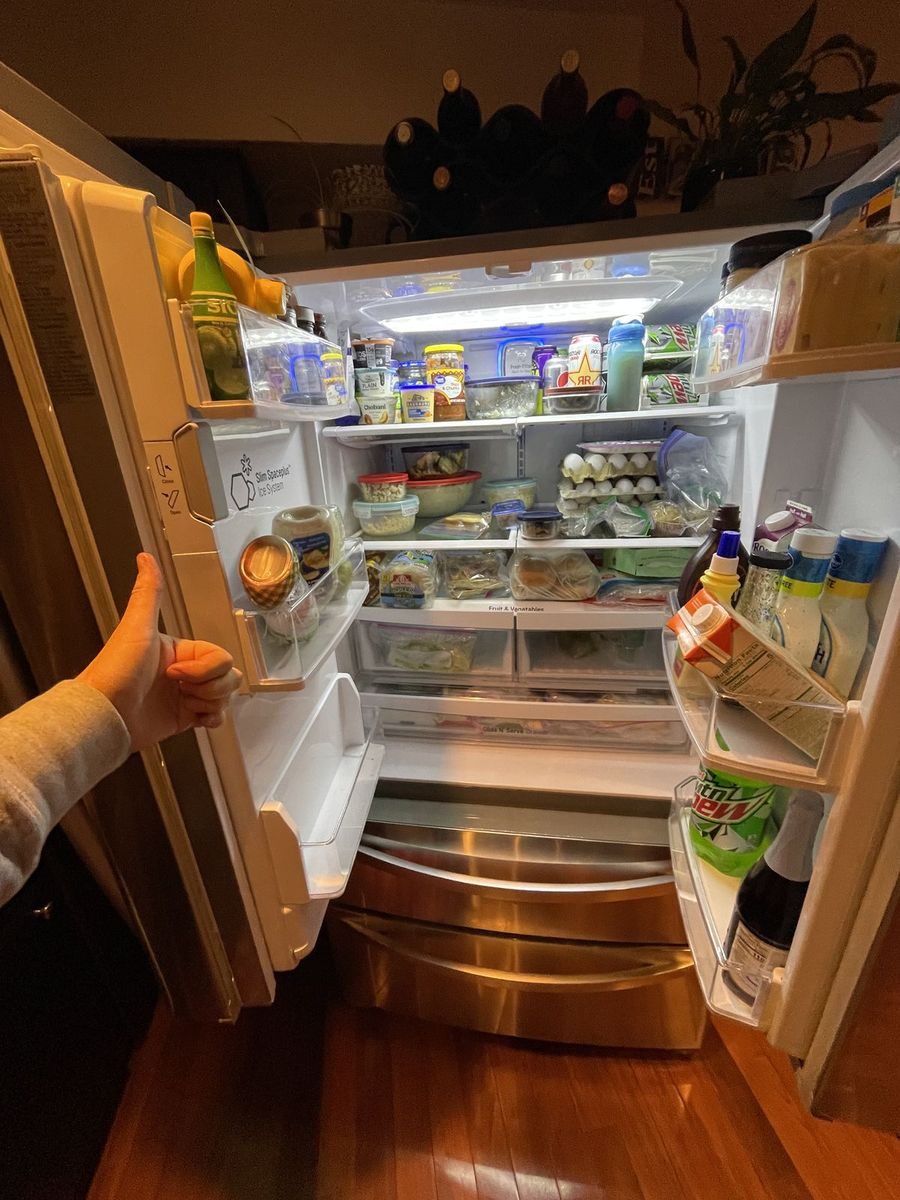
No. 12
When the ice stops after a power outage, the fill tube has often frozen. We check the water valve, the filter and the tube before blaming the ice maker.
Go to the service pageWest of town around Black Lake, fog off the water and tall firs mean a heat pump deals with damp air and falling needles all winter. Needles mat in the base pan and block its drain holes, so defrost meltwater refreezes under the coil. We clear the pan, open the drains, and look for moss on the fins that slows each defrost.
Homes near the airport catch wind with little to break it. A heat pump facing straight into it can ice harder on one side, and gusts can spin the fan blade backward before startup, which strains the motor and capacitor. We test both, check mounting and clearance, and suggest placement or screening that blocks wind without starving the coil of air.
Low ground along the Deschutes collects fog and cold air on calm nights, so heat pumps there may defrost more often than ones on higher ground nearby. A slipping defrost board or coil sensor shows itself sooner in that spot. We watch a full defrost cycle, confirm the reversing valve shifts cleanly, and make sure backup heat steps in only briefly.
Yes, that is defrost. The heat pump reverses briefly to warm its outdoor coil, the fan pauses, and melting frost lifts off as steam, often with a whoosh as the valve shifts. In foggy weather it can happen frequently. Call if the coil stays iced over, if defrost seems to run constantly, or if the registers blow cold for long stretches.
Usually not. A correctly set thermostat brings the heat strips in by itself when the heat pump needs help, while forcing backup heat runs the strips alone and burns far more electricity. Save that setting for an outdoor unit that has failed or iced solid, and book a visit so our technicians can learn why it stopped.
Most often the thermostat is recovering from a deep overnight setback. When the setpoint jumps several degrees at once, many thermostats call the strips to close the gap fast. A smaller setback, or the thermostat's adaptive recovery setting, keeps the heat pump doing the work. If the light stays on all day in mild weather, the outdoor unit may not be running.
Look at the thermostat first, since some lose their settings, and reset the heat pump's breaker once if it tripped. After a long, cold outage, some manufacturers want the compressor's crankcase heater to warm the oil before heating resumes; the owner's manual gives the details. If the unit still will not start, or the thermostat screen stays blank, book a visit.
Ready when you are
Choose your date and a window for arrival online, or phone in; the office line runs 8 AM–7 PM, all week. A call back confirms the booking, and your technician phones during the drive over.
Online booking
Tell us what is acting up and when suits you. A coordinator phones to confirm the slot, and your technician calls again when heading your way.
These registrations are open to anyone. Look the numbers up on L&I Verify, and see our licenses page for what each one covers.
Read what each license allows