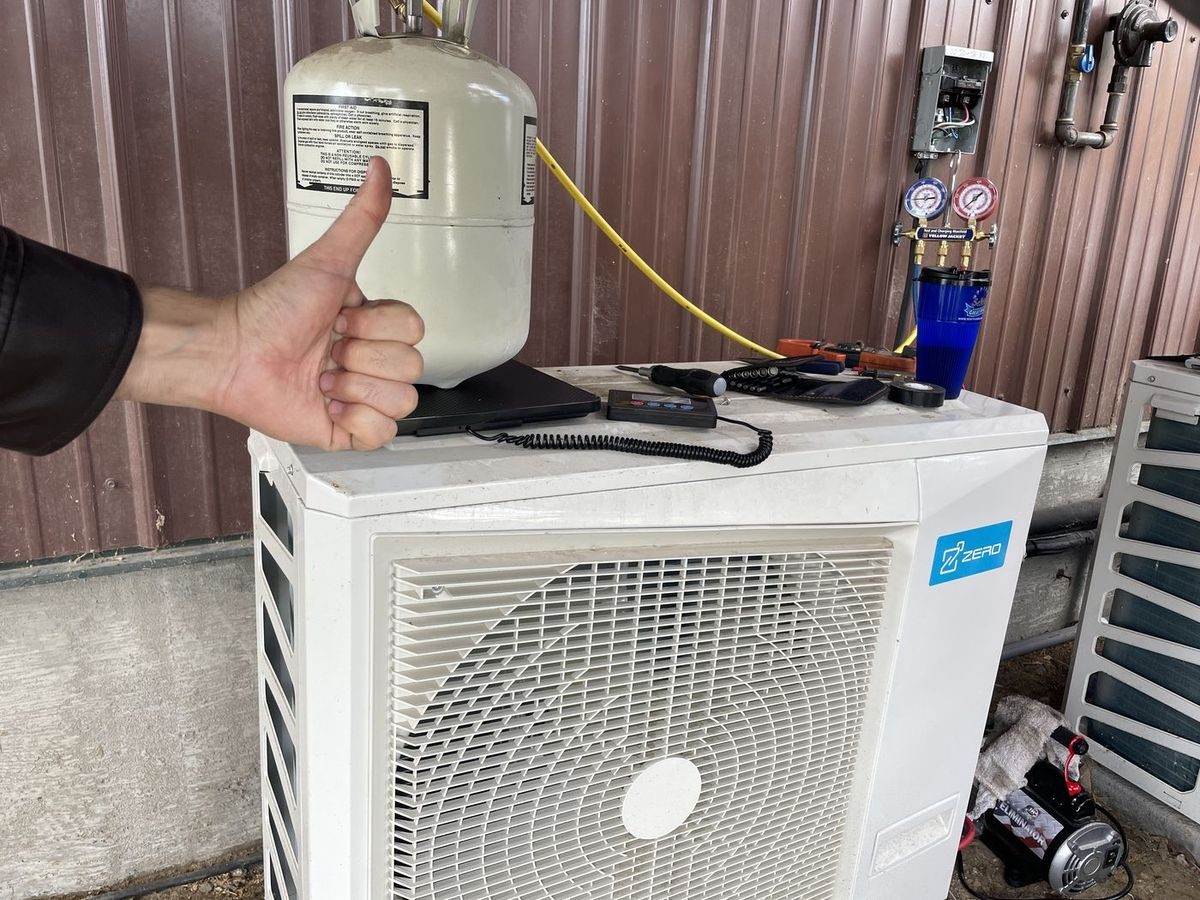
No. 1
Heat pump repair
Olympia winters stay wet and just above freezing for weeks, so defrost does a lot of work. We read the coil sensor, the defrost board and the charge before anything else.
Go to the service page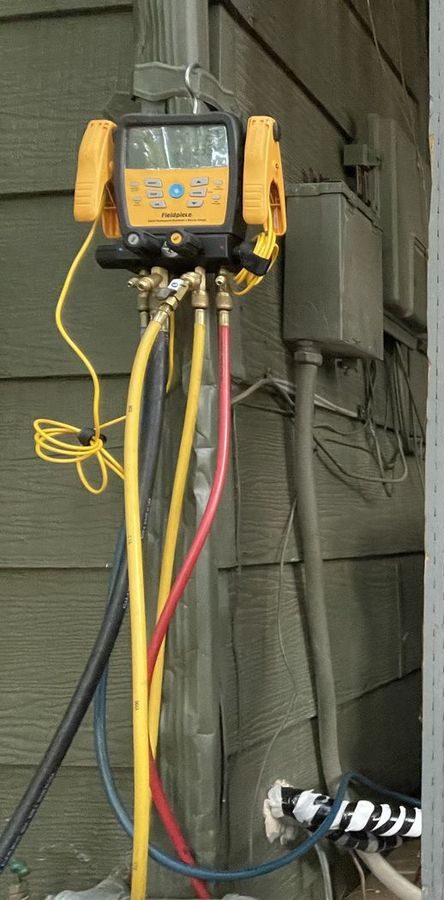
Heat pump repair in Olympia
A plume of steam off the outdoor unit on a foggy morning is part of normal life; a coil sealed in ice is not. Our technicians repair heat pumps all over Olympia, including retrofits in older homes whose ducts wind through damp crawlspaces, and no repair goes ahead until you've seen its written price.
Quick answer
If your Olympia heat pump is caked in ice, blowing cool air, or living on the AUX light, look first at a failing coil sensor or defrost board, a sticky reversing valve, low refrigerant, or heat escaping from crawlspace ducts. Steam during defrost is normal. We test the defrost cycle, charge and airflow, then write a price, and repairs begin only after you approve. The office answers 8 AM–7 PM, all week.
More often than not the trouble is under the floor, not in the heat pump. Plenty of older Olympia houses traded a furnace for a heat pump, many of them after 2021, and kept the ductwork snaking through a damp crawlspace. A heat pump sends out air that is warm rather than hot, which feels mild at a register even when everything is working. Add leaky joints, thin insulation and undersized returns beneath the house, and the rooms at the far end of long runs feel cool while the thermostat keeps calling on backup heat. We measure static pressure and the supply temperature at each register to see how much heat really arrives.
Then the season piles on. Olympia winters bring long stretches of 35–45°F with rain and fog, so the heat pump runs most of the day and its outdoor coil keeps growing a fresh skin of frost. Each defrost cycle shifts the reversing valve, stops the outdoor fan and depends on a coil sensor and control board to start and finish on time. Each technician holds an EPA 608 Universal credential, and heat pump repairs fall under the 06A HVAC/Refrigeration specialty on our Washington license, so refrigerant checks belong to every heat pump diagnosis.
Exposure decides which problem shows up first. Units on open Westside slopes and out toward Cooper Point take wind-driven rain, flying branches and needle drop during winter storms, so fan blades, grilles and coil fins take the beating. Units in sheltered spots near the water sit in still fog that keeps the coil wet and frosting, so defrost sensors, boards and reversing valves do the most work. Either way, keep the unit on a level pad or stand, keep its top and sides open, and make sure the base pan drains so meltwater can't harden into a collar of ice.
Long damp winters also work on whatever lies beneath the house. Many older Olympia homes keep ducts, and sometimes the air handler, in a crawlspace where humidity rusts cabinets, loosens duct joints and grows algae in condensate lines. Snow, freezing rain and wind cut power now and then, and the surge on restoration can damage control boards, so after an outage wait a few minutes before nudging the heat up. When you need us, the online scheduler holds your chosen day and window, the office phones back to confirm, and warranty terms arrive in writing on the invoice.
Each tab carries a photo from our service work and the first checks we make on that job. Choose a tab, or let them change by themselves.
No. 1
Olympia winters stay wet and just above freezing for weeks, so defrost does a lot of work. We read the coil sensor, the defrost board and the charge before anything else.
Go to the service page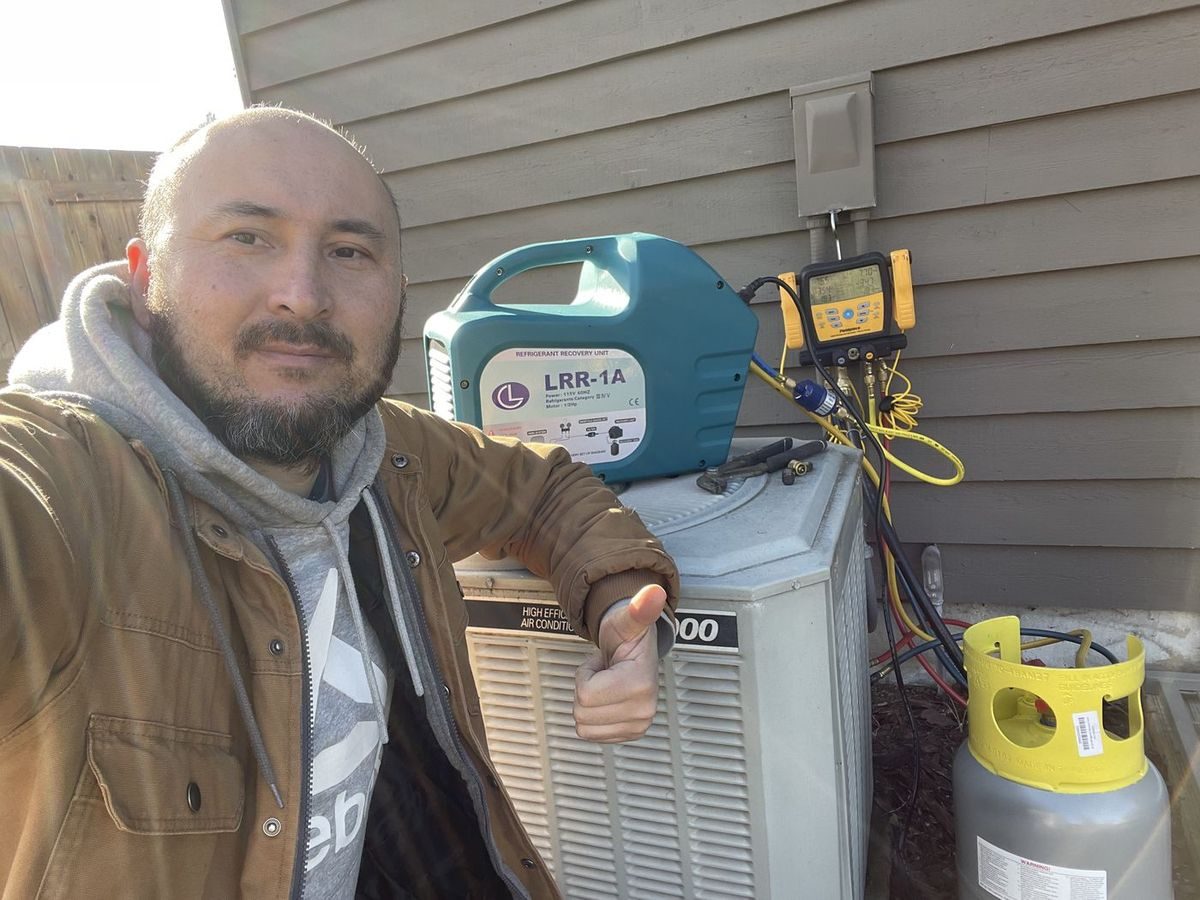
No. 2
Cooling was an afterthought in many South Sound homes until the 2021 heat dome. When a newer system lags on a hot day, airflow, the capacitor and the charge come first.
Go to the service page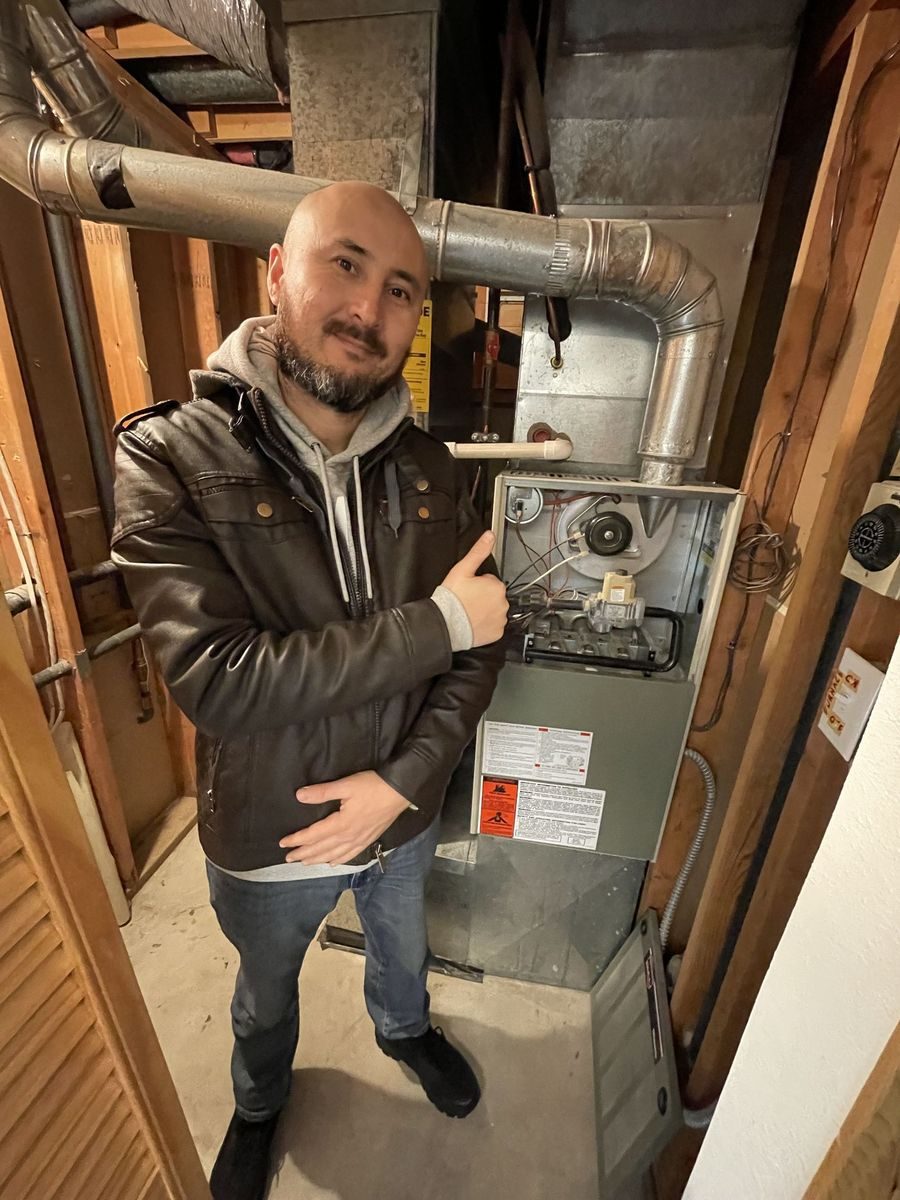
No. 3
Gas or electric, a furnace that quits on a cold morning is traced step by step: thermostat call, inducer, pressure switch, igniter, flame sensor, limit.
Go to the service page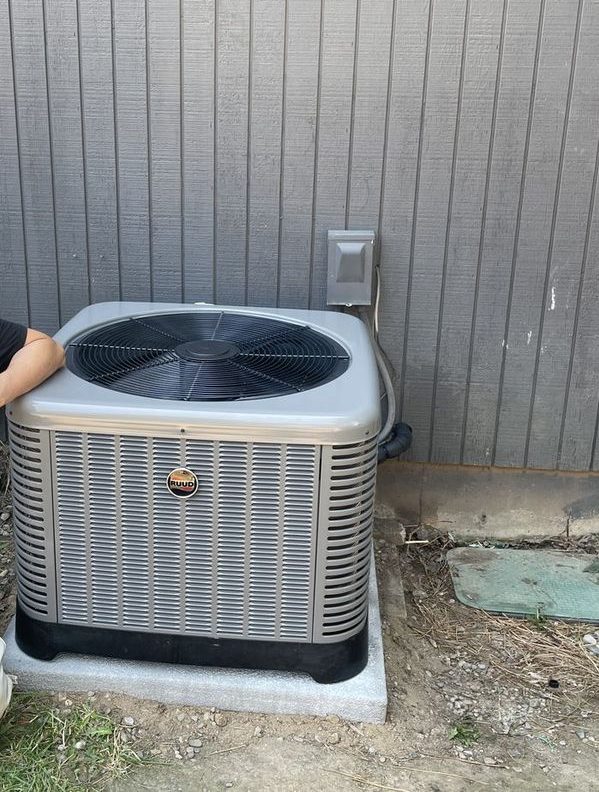
No. 4
A new system starts with a load calculation and a dry, level pad. Prairie gravel drains fast; in low clay corners we set the unit higher.
Go to the service page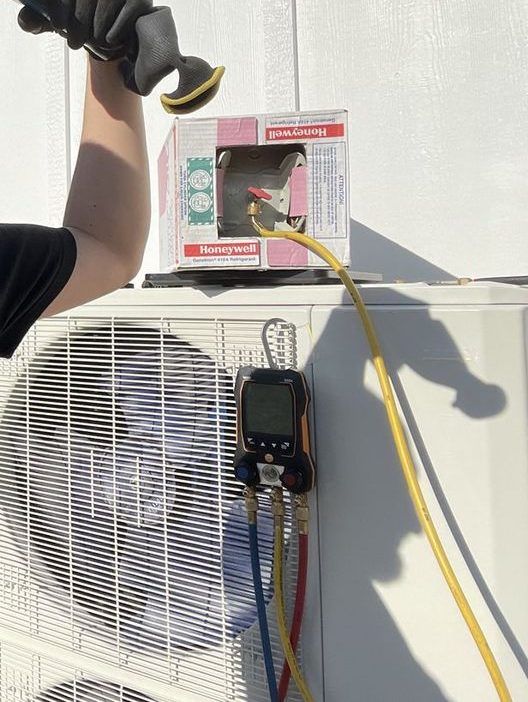
No. 5
Ductless heads suit older Olympia houses with no space for ducts. The line set runs outside, so its insulation and the condensate drain get a close look.
Go to the service page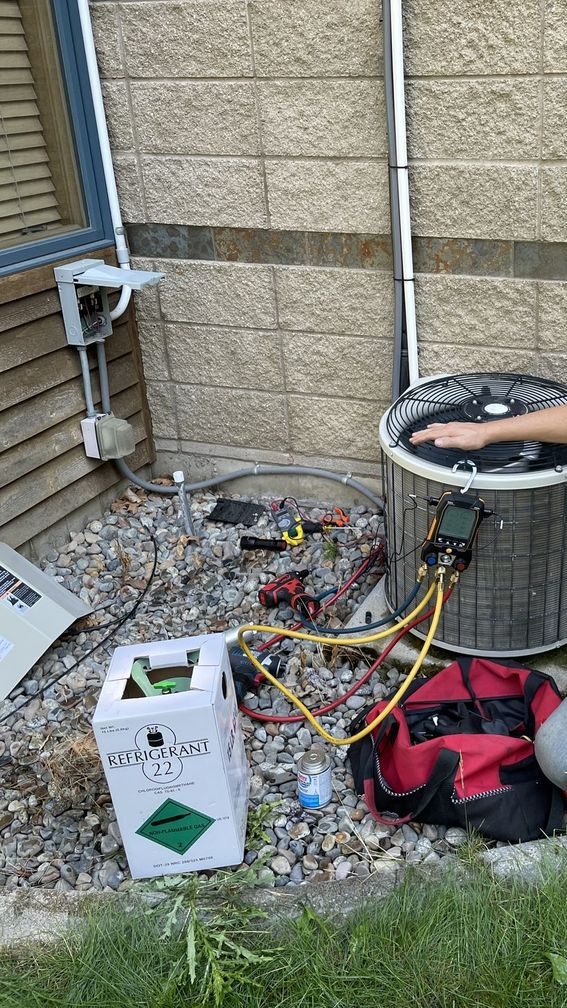
No. 6
Spring and fall visits clear needles and moss from the coil, open the drain holes in the base and test the defrost cycle before the long gray season.
Go to the service page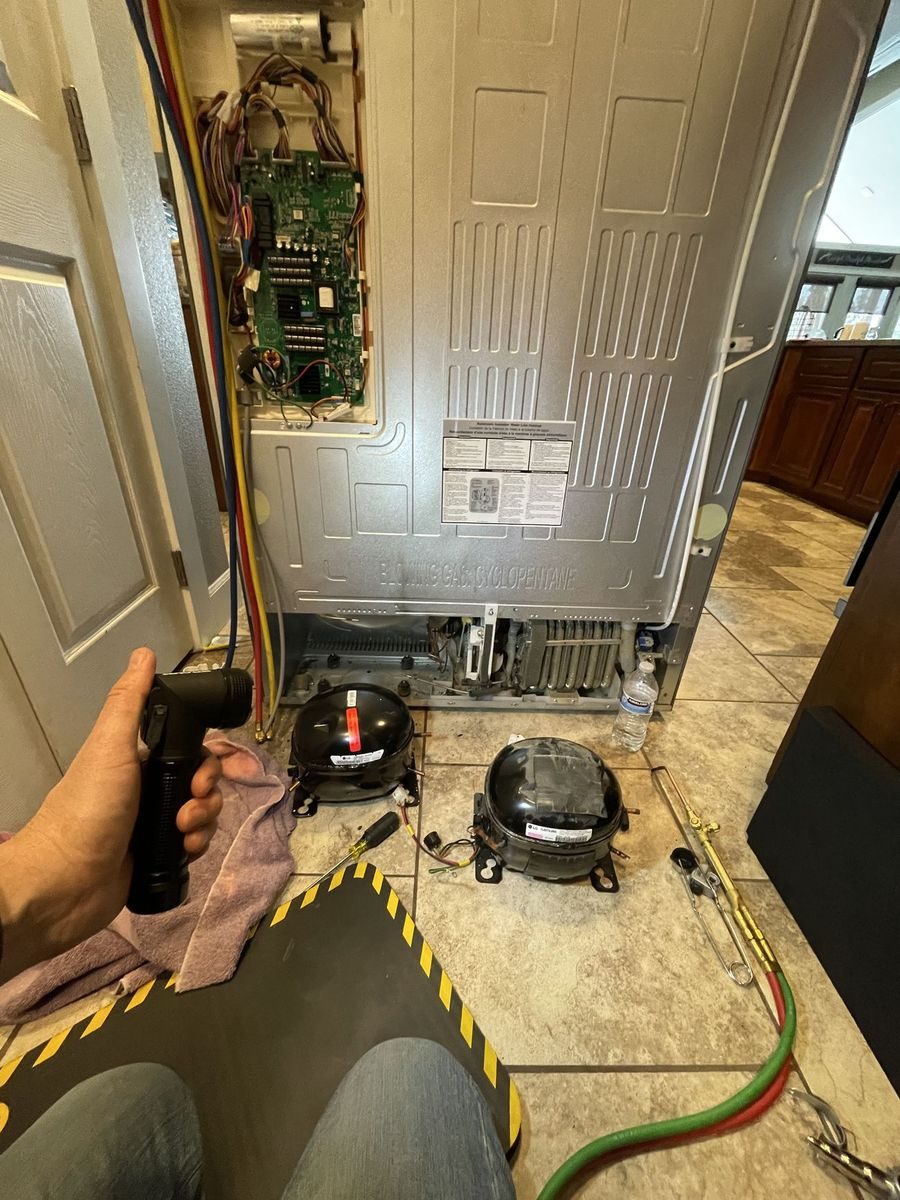
No. 7
Warm shelves usually come from frost on the coil, a fan that has stopped or a failed defrost part. Sealed-system repairs happen at home, by technicians holding EPA 608 Universal credentials.
Go to the service page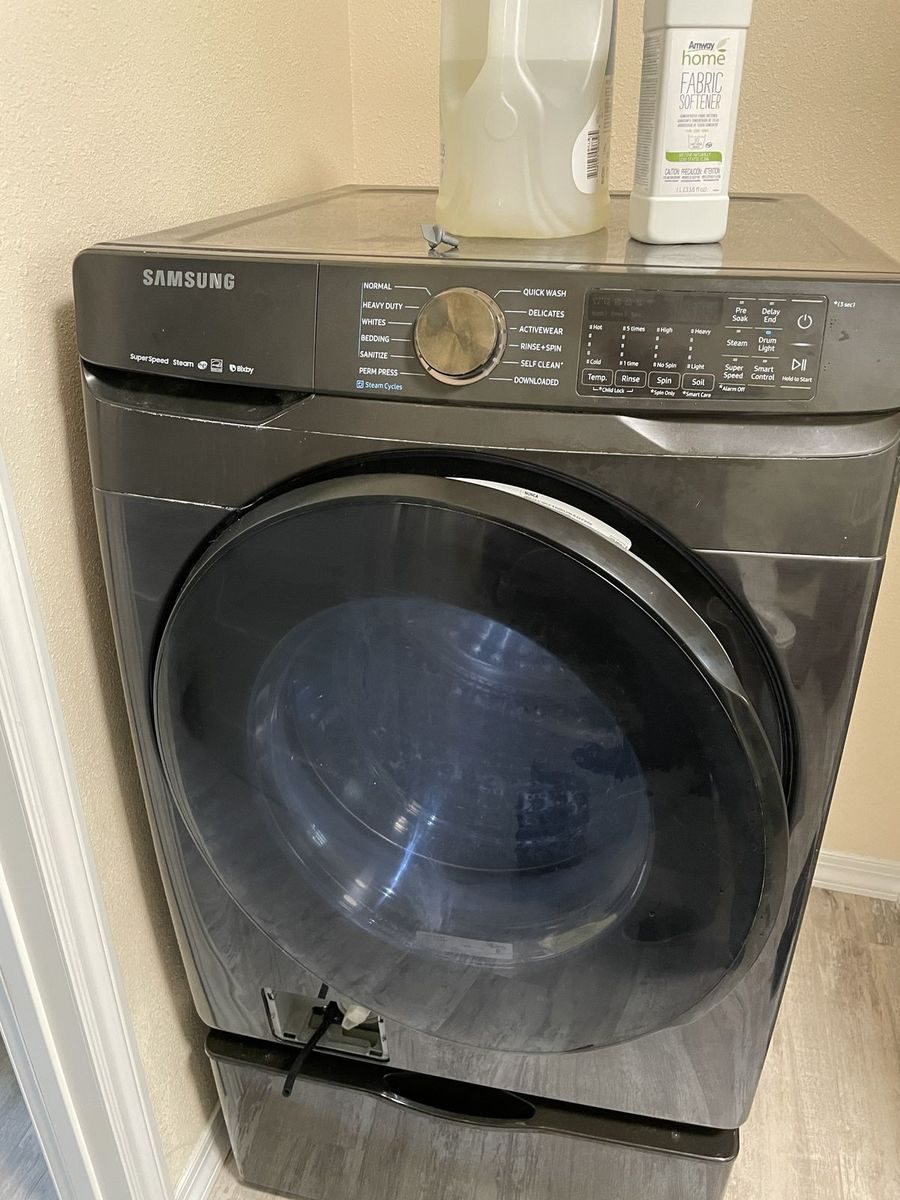
No. 8
Rural wells around Yelm and Rochester carry sediment that clogs inlet screens. A slow fill or a musty front-loader boot is where most washer visits start.
Go to the service page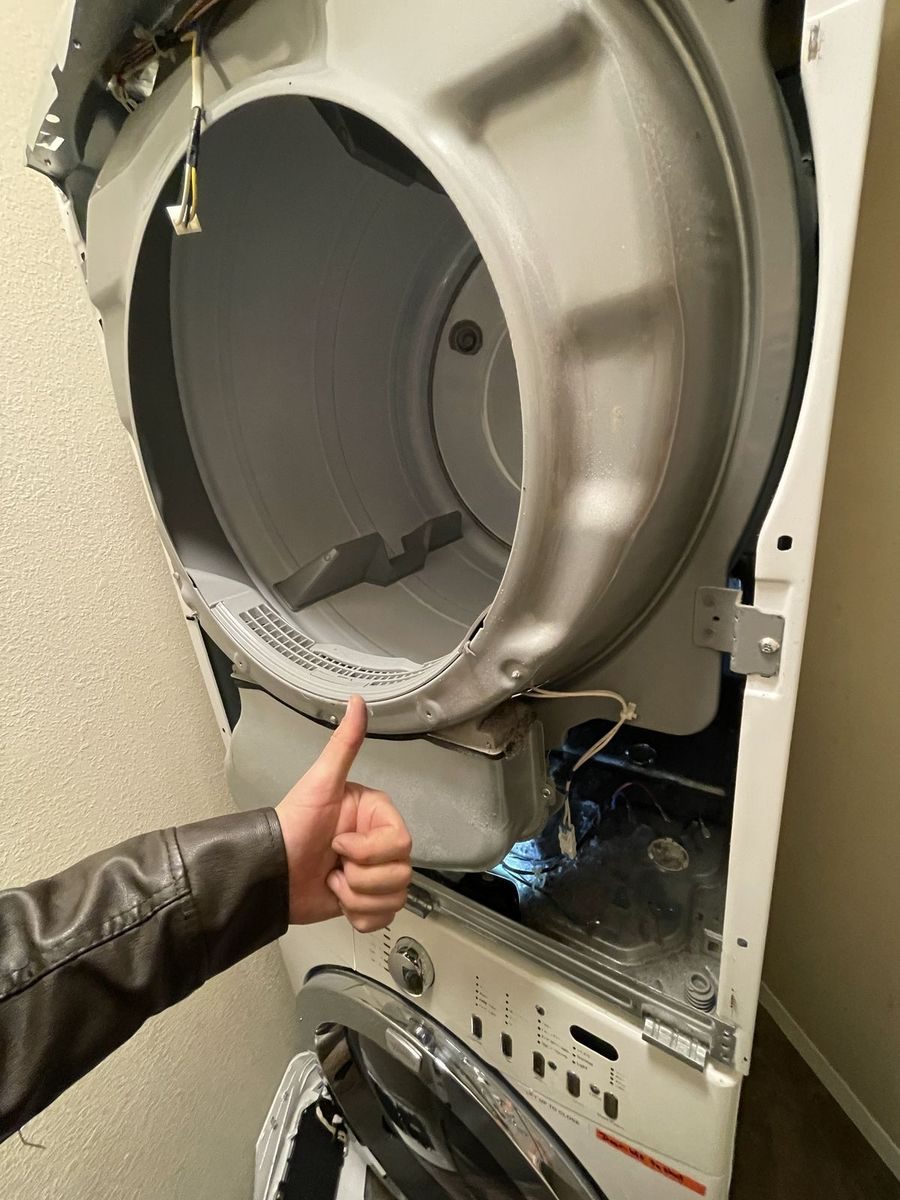
No. 9
Damp air and long vent runs make lint pile up fast in South Sound laundry rooms. The vent is tested together with the element or burner and the thermal fuse.
Go to the service page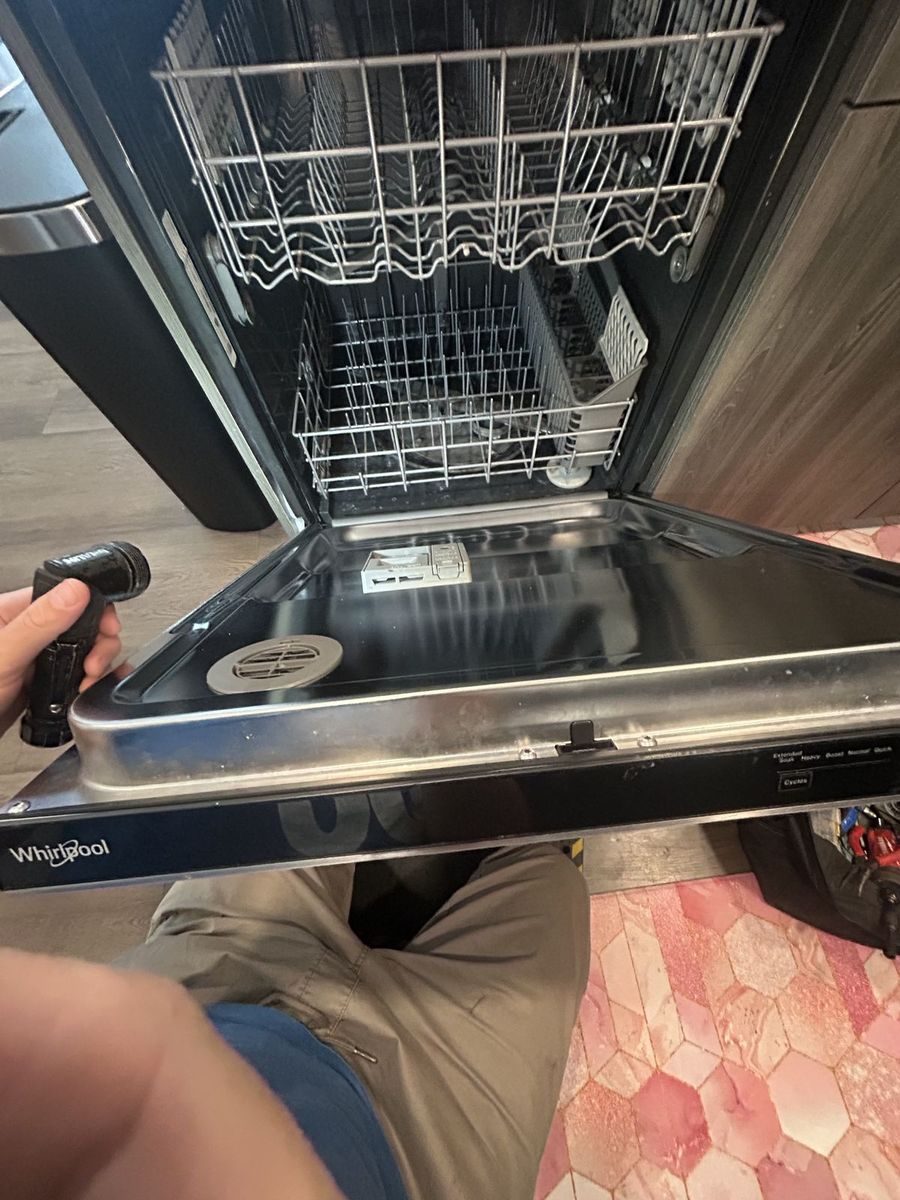
No. 10
Cloudy glasses and a tub that will not drain point to the filter, the drain pump or a hose without its loop under the counter. Each gets checked in order.
Go to the service page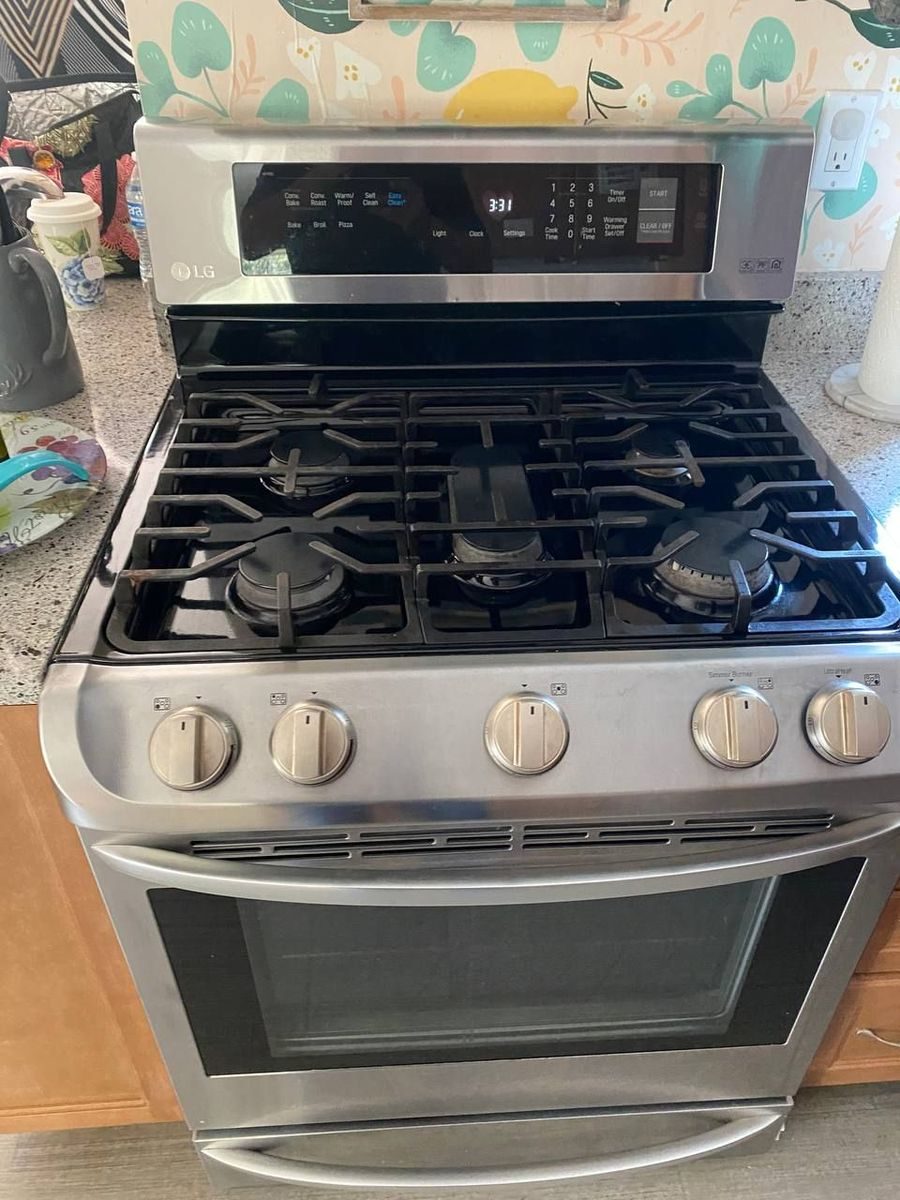
No. 11
Bake and broil elements, igniters and the oven sensor are metered before any part is ordered, on gas, electric and induction models alike.
Go to the service page
No. 12
When the ice stops after a power outage, the fill tube has often frozen. We check the water valve, the filter and the tube before blaming the ice maker.
Go to the service pageOn the Cooper Point side, homes sit in more open weather off the water. Storms drive rain, branches and needles into outdoor units. We check fan blade condition, motor bearings and mounting, then time a defrost, since debris packed into the coil drags out every cycle.
On slopes above West Bay, outdoor units sometimes sit on stands or brackets to clear the grade. A stand that settles out of level strains the line set and lets water pool in the base pan. We check level, line set insulation worn by wind and rain, and the defrost sensor's grip on its tube.
Along the bay, calm winter mornings bring fog off the water that keeps outdoor coils wet and frosting, and salt in the air can speed corrosion on fins, fasteners and service valves. We inspect coil condition, run the full defrost sequence, and look for corrosion at the valves before it becomes a leak.
Probably not. During defrost the heat pump reverses briefly, its outdoor fan goes quiet, and hot refrigerant routed through the outdoor coil clears the frost, sending up a cloud of steam and often a whoosh as the valve shifts. A few minutes later it returns to heating. Call us if the coil stays crusted with ice, ice builds from the bottom up, or defrost cycles run back to back.
In mild, wet Olympia weather, backup strips should switch on briefly while the unit defrosts or right after you bump the thermostat well above room temperature, then drop off. A glowing AUX light for hours at 40°F points to a problem: low refrigerant, a failing outdoor fan, leaky crawlspace ducts, or thermostat staging set too aggressively. A technician can measure each one and tell you which is to blame.
Only the diagnostic fee, whose amount the office shares as you book. Should you approve the price our technician writes out, the fee is folded into what that repair costs, never charged twice. Should you decline, the fee alone covers the visit. We explain the readings either way, so you can choose repair, replacement or waiting with the facts in hand.
Yes, as long as the ducts can deliver the air. Sealed, insulated crawlspace runs and adequate return air let a heat pump warm an older Olympia home comfortably through our long wet season. Readings of static pressure and register temperatures show where heat goes missing. If replacement is the better path, the written quote rolls equipment and installation into one figure.
Ready when you are
Book through the online scheduler or phone during office hours. A confirming call follows, and Spanish is on offer whenever you ask.
Online booking
Tell us what is acting up and when suits you. A coordinator phones to confirm the slot, and your technician calls again when heading your way.
These registrations are open to anyone. Look the numbers up on L&I Verify, and see our licenses page for what each one covers.
Read what each license allows